
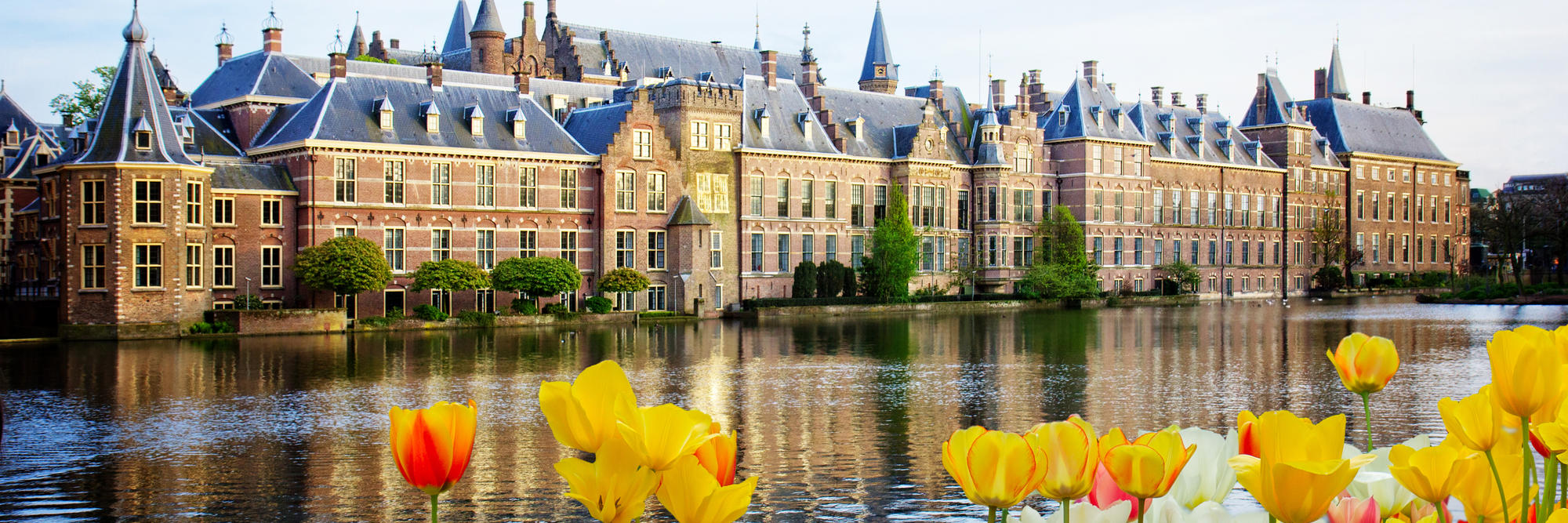
While the cost of living in The Hague is significantly lower than in Amsterdam and other major European capitals, certain expenses, such as rent, can still be surprisingly high. Other daily costs may be more manageable, but housing in desirable areas tends to come at a premium.
Even though The Hague might be considered pricey, the city offers an exceptionally high standard of living. Expats can also find ways to reduce expenses, such as opting for cycling instead of driving or using public transport, which is both cost-effective and convenient.
Cost of accommodation in The Hague
The cost of accommodation in The Hague has seen a noticeable rise recently. Although the city is cheaper than the country’s capital of Amsterdam, it’s relatively expensive. Central neighbourhoods remain the priciest, but more affordable housing options can be found in areas like Escamp and Laak, which offer a balance of cost and convenience.
Utilities are another factor to consider, so make sure to budget for electricity, heating, water, and waste management. Carefully read your rental agreement to avoid unexpected costs.
Renting Expat Accommodation in The Hague
Cost of transport in The Hague
The cost of transport in The Hague is manageable if you know your options. The public transport system, supported by the OV system, is extensive and efficient, but can be pricey for single-use tickets. Regular commuters will benefit from the OV pas, which offers seamless travel across trams, buses, and trains at discounted rates.
The Hague has also invested heavily in cycling infrastructure in recent years, making it an even more bike-friendly city. The introduction of smoother routes and safer crossings has encouraged cycling as a sustainable alternative.
Cost of groceries in The Hague
Groceries in The Hague can be pricey, especially if you favour international brands. To cut costs, shop at discount supermarkets or visit local markets like Haagse Markt on Herman Costerstraat, one of Europe’s largest outdoor markets, for fresh produce.
Online grocery shopping is also gaining traction. Providers like Albert Heijn, PLUS, and Picnic offer various delivery options.
Cost of entertainment and eating out in The Hague
Entertainment and dining out in The Hague can suit a range of budgets. The city’s vibrant food scene reflects global dining trends, with a growing focus on sustainable practices and international flavours. High-low pairings, such as luxury ingredients in casual settings, are increasingly popular among diners.
For those looking to enjoy culture on a budget, The Hague hosts various free or affordable events. Many museums, including the Kunstmuseum Den Haag and Mauritshuis, offer discounts for students, families, and seniors or participate in the Museumkaart programme for reduced entry fees across multiple institutions.
Entertainment and Eating Out in The Hague
Cost of education in The Hague
The cost of education in The Hague reflects its international outlook, especially at private and international schools. Options include the International Baccalaureate (IB) programmes and the British curriculum. The European Baccalaureate is also available, ideal for multilingual and multicultural education.
Public schools support non-Dutch-speaking students with initiatives like newcomer classes (ISK), bilingual programmes (TTO), and transition classes (Kopklas), all designed to integrate students smoothly into the Dutch system. These ensure inclusivity and cater to a global community.
If your employer provides an expat package, consider negotiating a school allowance to cover tuition, transport, and extracurricular costs. This can significantly ease the financial burden of private education.
Education and Schools in The Hague
International Schools in The Hague
Cost of healthcare in The Hague
Healthcare in The Hague is exceptional, but this comes at a cost. Residents must have basic health insurance, which is well-regulated by the government. This covers most treatments but excludes services like dental care and physiotherapy unless supplementary insurance is purchased.
While doctor visits are often covered, out-of-pocket costs for services like dental cleanings or physiotherapy sessions range widely, so it pays to check policy details carefully.
Common additional insurance packages cover dental check-ups, cleanings, orthodontics, extended physiotherapy sessions, and alternative treatments like acupuncture.
Cost of living in The Hague chart
Prices are in euros (EUR) and may vary depending on the product and service provider. The list below shows average prices for The Hague in January 2026.
| Accommodation (monthly rent) | |
| Three-bedroom apartment in the city centre | EUR 2,700 |
| Three-bedroom apartment outside the city centre | EUR 2,000 |
| One-bedroom apartment in the city centre | EUR 1,500 |
| One-bedroom apartment outside the city centre | EUR 1,300 |
| Food and drink | |
| Eggs (dozen) | EUR 4.30 |
| Milk (1 litre) | EUR 1.30 |
| Rice (1kg) | EUR 2.50 |
| Loaf of white bread | EUR 2 |
| Chicken breasts (1kg) | EUR 13 |
| Cheese (500g) | EUR 7 |
| Eating out | |
| Three-course meal for two at a mid-range restaurant | EUR 75 |
| Big Mac Meal | EUR 12 |
| Coca-Cola (330ml) | EUR 3.50 |
| Cappuccino | EUR 4 |
| Local draft beer (500ml) | EUR 6 |
| Utilities/household | |
| Mobile phone monthly plan (with calls and data) | EUR 25 |
| Internet (uncapped ADSL or cable – average per month) | EUR 40 |
| Basic utilities (average per month for a standard household) | EUR 220 |
| Transportation | |
| Taxi rate (per kilometre) | EUR 3 |
| City-centre public transport fare | EUR 4 |
| Gasoline/petrol (per litre) | EUR 2 |