
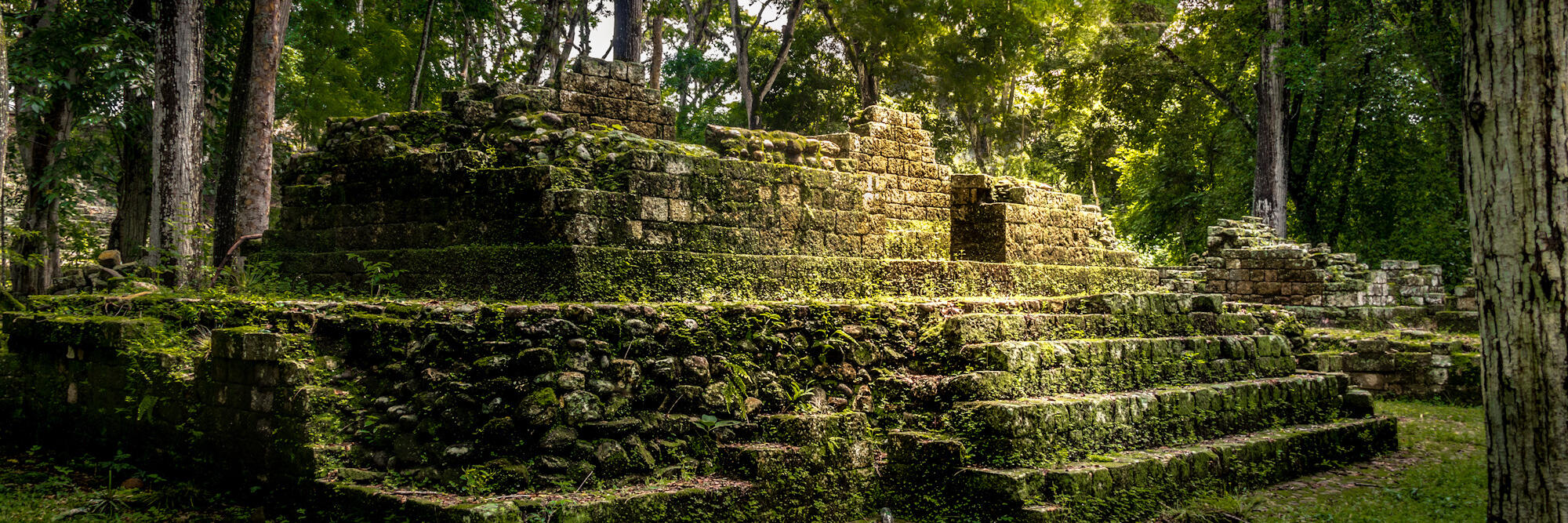
Despite being one of the poorest countries in the Americas, many factors draw expats to the beautiful Central American destination of Honduras. The country’s expat population may be relatively small, but it is growing steadily. People from across North America and Europe, in particular, are increasingly looking at moving to Honduras for a piece of Caribbean paradise where they can enjoy a better quality of life without breaking the bank.
Living in Honduras as an expat
Living in Honduras as an expat appeals to people for several reasons. Many of the foreign residents living in the country have taken advantage of the country's favourable property prices and low cost of living, choosing it as their retirement destination. Others move to the country to work for an NGO, a missionary organisation or in the medical field. Since many of the wealthier locals opt to leave the country in search of job opportunities overseas, there is a huge demand for professionals with skills in sectors such as IT, administration, and hospitality.
If you draw a steady income from abroad, residency is well within reach, and Honduras taxes only the money you earn inside the country – welcome news for retirees and remote workers weighing up the move.
Expats relocating to Honduras should prepare themselves for a slower pace of life and general bureaucratic backlogs. Spanish is the official language of Honduras, and taking a basic language course before relocating is advisable. Those who take the time to learn the language will find their experience far richer, thanks to their ability to interact with the locals.
On the downside, crime is a serious concern in Honduras, and it isn’t confined to the poorest neighbourhoods alone. Violent crime clusters in certain urban districts of the big mainland cities and in the remote eastern area bordering Nicaragua, which is best avoided altogether. Most crime against foreigners is opportunistic, though, and a few sensible habits go a long way: steer clear of public buses, lean on licensed taxis or ride-hailing apps, keep valuables out of sight and avoid moving around after dark.
The quality of healthcare in Honduras varies across regions. Public hospitals aren’t really up to the standards most Western expats are used to. These facilities are subpar due to poor funding and a lack of staff. There are a few private hospitals in the urban centres, but it is wise to invest in a fully comprehensive health insurance plan that covers the cost of evacuation to the US for emergency medical treatment.
Cost of living in Honduras
Affordability sits near the top of the list for newcomers, and a big part of that is the low cost of living in Honduras. Housing, food, schools, healthcare and just about everything else are quite affordable. Expats who earn foreign currency, especially, can easily afford the finer things in life in Honduras. Entertainment in the country’s touristy areas can be expensive, but expats can enjoy some of the more local spots at affordable prices.
Families and children in Honduras
Honduras may not top the usual lists, but families and children in Honduras can carve out a peaceful, affordable life here, and plenty of expat parents do just that. It’s also a great base for families to travel around the Americas and the Caribbean.
Public schools in Honduras aren’t generally a viable option for foreigners, as they are often underfunded and also because the language of instruction is Spanish. There are only a handful of international schools in Tegucigalpa and San Pedro Sula, and expat parents should start the application process early to secure a spot for their child well before they move to Honduras.
Climate in Honduras
The climate in Honduras is tropical – you can expect hot, humid conditions almost year-round, although the mountainous interior is slightly cooler than the rest of the country. The dry season runs from November to April, and the wet season from May to October.
The north coast receives rain throughout the year, and the Caribbean coast experiences heavy downpours from September to February. The Caribbean coast also sits in the path of the Atlantic hurricane season, which runs roughly from June to November, so factor storm risk into any coastal plans.
Expats relocating to Honduras may be shocked by the high levels of poverty. But those who decide to settle down in this country will be rewarded with a relaxed and peaceful lifestyle, a great climate, and the opportunity to contribute to the development of the country. Whether expats choose Honduras as a long-term option or only stay for a short stint, there is no doubt that the experience will be an unforgettable one.
Fast facts
Official name: Republic of Honduras
Population: Over 11 million
Capital city: Tegucigalpa (also the largest city)
Other cities: San Pedro Sula, La Ceiba, Choloma, Roatán
Neighbouring countries: Honduras is bordered in the southwest by El Salvador, the west by Guatemala and the southeast by Nicaragua. The country is also bordered by coastlines to the north and south.
Geography: The terrain of Honduras is mainly mountainous, with some plains on the coast. There are a handful of islands scattered around the coast of Honduras.
Political system: Presidential republic
Major religions: Christianity
Main language: Spanish (official). English is widely spoken in the Bay Islands.
Money: The Honduran Lempira (HNL) is subdivided into 100 centavos. Foreigners should be able to open a bank account fairly easily, and ATMs are available throughout the country, although they may sometimes run out of cash.
Tipping: A service charge of around 10 percent is usually added to restaurant bills, although it is often discretionary; anything extra is for good service. It is customary to tip hotel bellhops and cleaning staff for good service.
Time: GMT-6
Electricity: 110V, 60Hz. Type A and Type B plugs are standard, with two flat blades (Type B adds a round grounding pin).
Internet domain: .hn
International dialling code: +504
Emergency contacts: 911 (general emergencies)
Transport and driving: Cars drive on the right-hand side of the road. Public transport exists but should be used with caution and only in daylight; licensed taxis and ride-hailing apps are the safer way to get around.