

To match the demand for housing, Oman is under constant residential development, especially around large cities. Expats looking for accommodation in Oman will have a variety of options to choose from.
Most expats in Oman live in the capital city, Muscat, and the towns that encompass the capital region, including Ruwi, Muttrah and Qurum.
Types of accommodation in Oman

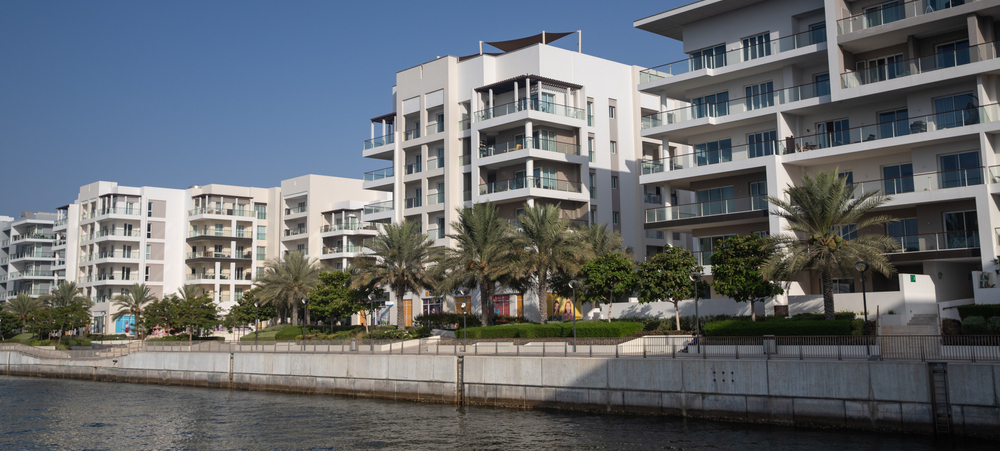
Expats mainly find accommodation in Oman in the form of apartments and standalone villas or townhouses, often within a secure housing compound. Many apartment blocks and compounds include gyms, a swimming pool and laundry facilities. Most homes are new and well maintained.
Furnished vs unfurnished
Accommodation for expats in Oman is largely unfurnished, although furnished options are also available. Costs vary according to the size, facilities and area of a property. Furnished accommodation generally includes everything from appliances to beds, linen and cutlery, which makes the move to Oman fairly simple for expats.
Short lets
Due to the proliferation of companies such as Airbnb and the growing Omani government investment in tourism, short lets have become popular in the country. While short-term rentals are excellent for allowing expats an opportunity to get to know the different areas and suburbs of Oman before committing to a long-term lease, they can be pricey, particularly in popular expat areas. Still, they are typically fully furnished and include utilities in the quoted rental cost, making them a great option for expats who will only be in the country short term.
Finding accommodation in Oman
Many expats working in Oman find that their employers provide accommodation or include a housing allowance as part of the employment package for their foreign workers. We recommend that expats factor this into their contract negotiations.
Those who need to find their own accommodation should enlist the services of a local real estate agent, who will be able to speak the language and understand the local nuances of the Oman property market.
Useful links
- There are several online property portals to choose from, such as Dubizzle Oman and OpenSooq.
Renting accommodation in Oman
Most expats rent accommodation in Oman as they plan to stay short term. While rental fees in many countries are paid monthly, in Oman, advance lump sums are often expected.
Leases
Both short- and long-term leases are available. Long-term leases are usually a year to two years in Oman but can extend to over seven years, while short-term lease lengths are variable.
It is essential to register all leases with the municipality or Ministry of Housing. When going through an estate agent, they arrange this matter. There is a fee for this, which depends on the type of lease. Residency and work permits may be needed in some cases. Other times, the expat’s employing company will organise this.
Registering leases in Oman ensures that tenants and landlords have their rights firmly agreed upon, and if both parties wish to renew their contract, this can be done online.
Deposits
A deposit is generally one to two months' rent. The tenant is liable for any damage to the property during their stay, and this may be deducted from the deposit.
Termination of the lease
Expats who have signed a long-term lease must give at least three months' notice before terminating the rental agreement. Those with leases of three months or less must give half of the rental contract period's notice.
New arrivals to Oman are encouraged to take full inventory of the apartment with their landlord before and after moving in to ensure they are not charged unfairly for normal wear and tear. If the landlord finds damage that was caused by the tenant, they are entitled to keep a portion of the deposit to fix the damage. Otherwise, landlords must return the full deposit within seven days after the tenant moves out.
Useful links
- The Muscat Municipality website is a good place to start to learn more about registering leases in Oman.
Utilities in Oman
Utilities such as water, gas, and electricity are generally excluded from the quoted rental price. Ensure you read your rental agreement carefully, as it will outline what costs you are responsible for. All utility bills in Oman are paid through the Oman Investment and Finance Company (OFIC).

Electricity and gas
Electricity in Oman is supplied by the Nama Electricity Distribution Company. Expats can have their electricity contract in their name and disconnect the service when moving to a new apartment. To change the ownership of an account, new arrivals must submit their identity document, resident card, proof of property ownership, proof of area map and the last bill paid at their nearest Nama office or on the company's website.
Mains gas is not common in Oman, so most households use bottled gas. This is typically delivered door-to-door to people's homes.
Water
Operated under Nama, Oman Water and Wastewater Services Company manages the water supply in Oman. Similar to electricity, expats need only submit identity documentation, the last bill paid and proof of property ownership from the landlord at their nearest Oman Water and Wastewater Services Company office.
Expats will be charged a small reconnection fee, and should disconnect the service when they move out to avoid unnecessary charges. To check your bills, use the company's website to insert your current water reading and get an estimate.
Bins and recycling
Waste management and collection in Oman is handled at the municipal level. Most of the waste in Oman is sent to landfills, but the country is making strides in developing its recycling capabilities. Oman is home to over 65 recycling facilities where residents can take their sorted recyclable waste.
The country is also developing a coordinated recycling programme for its residents. This will include building engineering landfill sites, waste transfer stations and waste-to-energy projects across the country.
Internet
Oman is home to many modern connectivity options, including fibre optic, wireless and cable. Internet service providers (ISPs) offer reliable connections across the country. Some have combo deals that enable users to integrate their phone, internet and cable connections, which often works out to be the most affordable option.