
When planning your move, understanding the cost of living in the Cayman Islands is essential. While tax-free salaries are a major draw, daily expenses can be just as substantial.
High import taxes and the islands’ reputation as a premier tourist destination drive up the prices of goods, travel, and especially accommodation. Fortunately, salaries tend to reflect these higher costs.
Cost of accommodation in the Cayman Islands
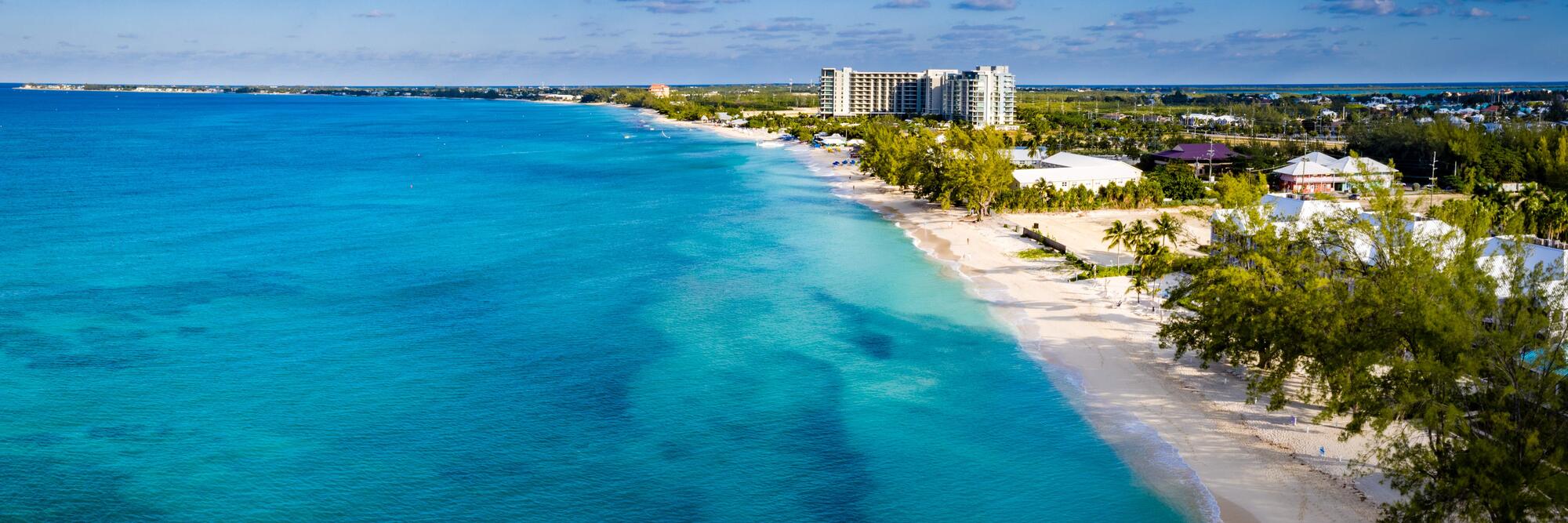
Accommodation in the Cayman Islands is likely to be your largest expense, with rental prices varying significantly by location and property type. Rental costs in George Town are high because of its central location and proximity to business hubs. The coveted Seven Mile Beach area commands even steeper prices, driven by breathtaking views and high demand from tourists and expats.
If you’re searching for more affordable options, the eastern districts of Grand Cayman offer lower rents, but longer commutes may offset the savings. Housing demand remains strong, particularly among remote workers and short-term renters, pushing prices up.
Renting also comes with extra costs. Electricity bills can be steep, especially with frequent air conditioning use. If you rent a condo, strata fees can add another layer of expense. Buyers should be aware of stamp duties and high real estate agent fees.
Renting Accommodation and Utilities in the Cayman Islands
Cost of transport in the Cayman Islands
Transport costs in the Cayman Islands can take a larger chunk of your budget than expected. Despite the small territory, getting around can be expensive, particularly if you rely on a car. Import duties on vehicles are around 30 to 40 percent, and fuel prices are high due to reliance on imports. Car insurance and maintenance costs also add up quickly.
The public transport system consists primarily of private minibuses, which are the most affordable option. There are limited routes, and the minibus service schedules are not very consistent. Taxis are available but can be pricey, and their prices go through the roof during peak tourist season.
Cycling is appealing for a more budget-friendly and active approach. On the other hand, cyclists face limited cycling infrastructure, road safety concerns, and hot, humid weather conditions.
Getting Around in the Cayman Islands
Cost of groceries in the Cayman Islands
Grocery shopping in the Cayman Islands can be surprisingly expensive due to the reliance on imported goods. Most products, from fresh produce to packaged essentials, come with a premium price tag. If you know where to shop, you can stretch your grocery budget further.
The Cayman Islands Farmers’ Market in Camana Bay and the Lower Valley Agricultural Grounds are excellent options for fresh, locally sourced fruits and vegetables. Seasonal produce such as mangoes, breadfruit, and tomatoes is available at different times of the year, offering fresher and more affordable alternatives to imported goods. Some farms will also sell directly to consumers.
Buying in bulk can also help lower costs. Shops like Kirk Market, Cost U-Less, and Foster’s offer wholesale options on pantry staples. Some supermarkets also run midweek discounts, so it’s worthwhile to plan your shopping around them.
Cost of entertainment and eating out in the Cayman Islands
Entertainment and dining out in the Cayman Islands offer an incredible experience, but can be costly, especially in tourist hotspots. That said, there are plenty of ways to enjoy yourself without breaking the bank.
Public beaches like Seven Mile Beach and Rum Point provide stunning scenery and cost nothing to enjoy. If you’re up for an adventure, hiking the Mastic Trail offers a free, immersive nature experience. The islands also host cultural events that offer affordable entertainment.
Dining costs vary widely. There are local eateries offering casual meals at reasonable prices, while high-end restaurants cater to fine dining enthusiasts. Drinks can add up quickly, especially imported alcohol. Opting for local options like Cayman Spirits Co. can be a more budget-friendly choice.
Cost of education in the Cayman Islands
Education in the Cayman Islands can be a significant investment, depending on the type of school you choose. Public schools follow the Cayman Islands National Curriculum and are free for Caymanian children, but expat families generally need to pay tuition.
Private and international schools provide alternative options, often following British, American, or International Baccalaureate (IB) curricula. These schools boast high educational standards but come with substantial tuition costs.
Some institutions offer scholarships, financial aid, or sibling discounts to help offset expenses. Many expat families rely on employer tuition assistance or structured education savings plans.
Education in the Cayman Islands
International Schools in the Cayman Islands
Cost of healthcare in the Cayman Islands
Healthcare in the Cayman Islands is high quality but comes at a cost. The system is entirely private, and expenses are comparable to those in Bermuda and the Bahamas, higher than in some neighbouring Caribbean nations.
Health insurance in the Caymans is mandatory, and most employers provide at least a basic plan. You may want to consider additional coverage for more comprehensive care. Due to import fees, out-of-pocket costs for medical services, hospital stays, and prescription medications can be high.
Healthcare in the Cayman Islands
Cost of living in the Cayman Islands chart
Prices are in Cayman Islands dollars (KYD) and may vary depending on the product and service provider. The list below shows average prices for George Town in February 2026.
| Accommodation (monthly rent) | |
| Three-bedroom apartment in the city centre | KYD 4,900 |
| Three-bedroom apartment outside the city centre | KYD 4,000 |
| One-bedroom apartment in the city centre | KYD 2,500 |
| One-bedroom apartment outside the city centre | KYD 2,200 |
| Food and drink | |
| Eggs (dozen) | KYD 7.50 |
| Milk (1 litre) | KYD 2.75 |
| Rice (1kg) | KYD 5 |
| Loaf of white bread | KYD 4.50 |
| Chicken breasts (1kg) | KYD 14 |
| Cheese (500g) | KYD 6 |
| Eating out | |
| Three-course meal for two at a mid-range restaurant | KYD 95 |
| Big Mac Meal | KYD 13 |
| Coca-Cola (330ml) | KYD 3 |
| Cappuccino | KYD 5.75 |
| Local draft beer (500ml) | KYD 6 |
| Utilities/household | |
| Mobile phone plan (monthly, with calls and data) | KYD 90 |
| Internet (uncapped ADSL or cable – average per month) | KYD 100 |
| Basic utilities (average per month for a standard household) | KYD 380 |
| Transportation | |
| Taxi rate (per kilometre) | KYD 4 |
| City-centre public transport fare | KYD 2 |
| Gasoline/petrol (per litre) | KYD 1.40 |