

Finding accommodation in Chicago is relatively easy, but the rental market is competitive, so it's best to start the property search as soon as possible. There are some unique and interesting housing options to suit every budget and lifestyle in Chicago. New arrivals are likely to find something ideal for their situation.
Areas and suburbs in Chicago
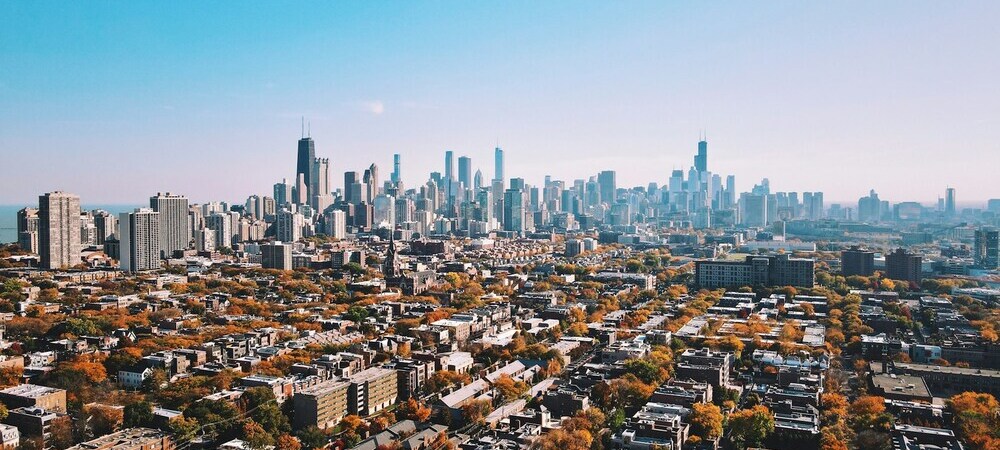
Chicago boasts an array of neighbourhoods that cater to various lifestyles and preferences. The Loop, for instance, serves as the city's bustling commercial heart with a blend of historic landmarks and skyscrapers. For those looking for a vibrant arts scene and eclectic vibe, Wicker Park and Logan Square offer trendy cafés, boutiques, and a younger crowd. Lincoln Park and Lakeview, on the other hand, are perfect for families with their serene parks, top schools, and proximity to the lakefront. Those after a touch of luxury might gravitate towards Gold Coast, a district renowned for its upscale residences and sophisticated charm.
On the South Side, neighbourhoods like Hyde Park, home to the prestigious University of Chicago, present a blend of academia and rich history. Meanwhile, the North Side offers areas like Andersonville, celebrated for its Swedish heritage and community-driven events.
Best Areas and Suburbs in Chicago
Types of accommodation in Chicago
Chicago is home to a wide variety of housing types. There's no one particular architectural style that is typical of the city.
Two-flats can be found throughout the city. These are two-storey residential buildings containing identical residences on both floors. There is usually a shared entrance to the building for both apartments. While some were built explicitly as two separate residences, many started as single-family double-storey homes and were later converted.
Bungalows are popular housing options in Chicago. Most of these sturdy brick homes were built between 1910 and 1940, often in clusters of two or more along the same street. Historically, bungalows mostly housed Chicago's working class, but today the occupants come from all walks of life.
Chicago has many types of apartment buildings, from older and smaller six-unit blocks to modern high-rise buildings. These can be found in several neighbourhoods, extending from the suburbs to the inner-city areas.
Condos are also popular in Chicago. These can consist of mid- or high-rise buildings, with some old mansions in Chicago even being converted into condos. These properties usually offer shared amenities such as swimming pools and tennis courts for all residents to enjoy.
Finding accommodation in Chicago
Finding accommodation in Chicago is relatively easy. Online property portals and local classifieds are filled with real estate listings. These are excellent ways to gain an understanding of the property market and common prices. It's also possible to enlist the help of a real estate agent or apartment locator.
Companies in Chicago offer short-term corporate housing, and most newcomers to Chicago will want to agree to short-term rentals or subletting before moving to more permanent accommodation. Good deals can sometimes also be found in larger, shared accommodation.
When moving to Chicago, you might want to enlist the services of a relocation company, which will make the accommodation search easier by assessing your preferences and arranging viewings on your behalf.
Relocation Companies in Chicago
Useful links
Renting accommodation in Chicago

Making an application
When applying to rent accommodation in Chicago, you'll typically need to provide proof of income, such as recent payslips or a letter from your employer. A credit check is also standard procedure, with landlords wanting to ensure the applicant's creditworthiness. Some landlords might request references from previous landlords or employers to vouch for your reliability and character.
Application forms might also require personal details, including rental history and past evictions. It's essential to be honest, as discrepancies can result in the application being declined. Moreover, it's common for applicants to pay a non-refundable application fee, which covers the cost of the credit and background checks.
Leases
In Chicago, the length of a lease can vary, but most leases last 12 months. Before signing, it's crucial to thoroughly read and understand the lease agreement, clarifying any ambiguities with the landlord or letting agent. This document will outline the rent amount, payment due dates, security deposit and additional fees or costs.
It's also worth noting that while some rentals might include utilities in the monthly rent, others will require tenants to set up and pay these separately.
Deposits
Security deposits are generally equivalent to one month's rent, refundable at the end of the lease if the property is in the same condition as when rented, barring general wear and tear. Lastly, some buildings or housing associations may charge move-in fees, particularly in high-rise apartments.
Terminating the lease
When ending a rental agreement before its termination date in Chicago, you'll need to confirm if your contract contains an early-termination clause, which will allow you to end the lease by giving a certain amount of notice. You may need to pay additional fees or forfeit your deposit.
See Accommodation in the USA for more on rental processes in the country.
Useful links
Utilities in Chicago
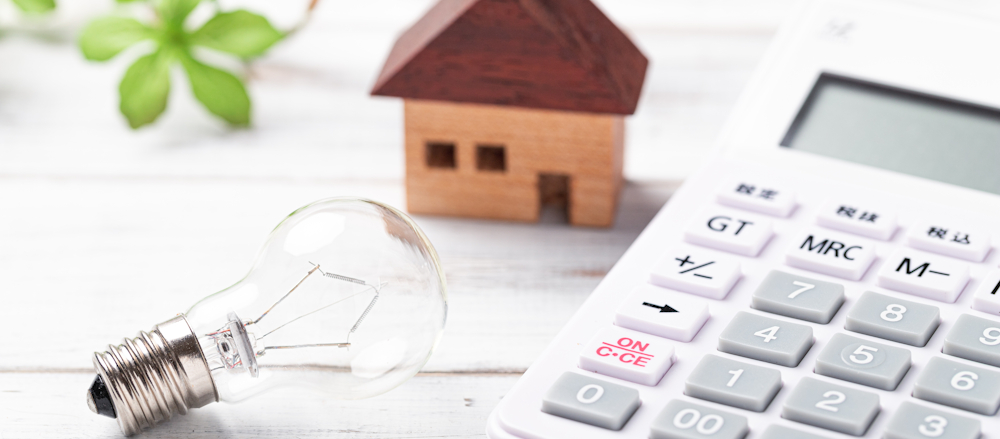
Utilities are an essential aspect of living in any city, and Chicago is no different. New residents will quickly find that the cost of utilities can vary depending on the location, property size and consumption habits. Some rental properties include the cost of utilities in the price of rent, but most require tenants to pay separately.
Moreover, with its hot summers and cold winters, Chicago's climate can influence utility bills. It's not uncommon for heating bills to spike in the winter and cooling costs to rise in the summer, making energy-efficient practices a worthwhile consideration.
Electricity and gas
Electricity and gas services in Chicago are primarily provided by ComEd and Peoples Gas. While setting up these utilities is straightforward, initiating the process a few weeks before moving in is recommended to ensure timely activation.
For those looking to adopt green energy, several providers in Chicago offer renewable energy options, often at competitive rates.
Water
The City of Chicago manages water services. You may find that your water bill includes sewage and sanitation fees. For renters, it's common for the landlord or property management company to handle water billing, with costs either included in the rent or billed separately.
Chicago's tap water, sourced from Lake Michigan, is of high quality and undergoes rigorous testing to ensure its safety for consumption.
Bins and recycling
Chicago's Department of Streets and Sanitation oversees waste disposal and recycling. The city offers a blue cart recycling programme, collecting recyclables from designated blue bins.
Regular waste is collected once a week, with specific collection days varying by neighbourhood. You're encouraged to be mindful of disposal guidelines, ensuring that waste is appropriately separated and placed out for collection on the right day.
You can also request special pick-ups for oversized items or bulk waste, though there may be associated fees.