
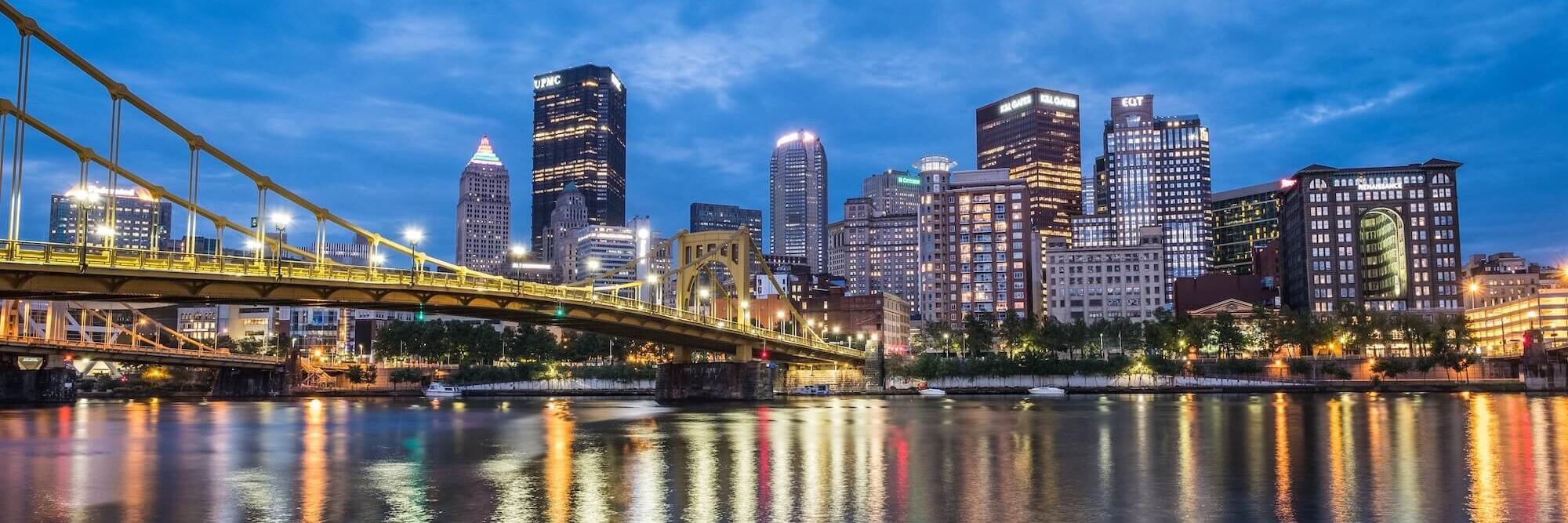
The cost of living in Pittsburgh is slightly lower than the national average. Pittsburgh is a real bargain compared to major metropolitan areas like New York City, Los Angeles, and San Francisco. You get the big-city amenities and career opportunities for far less.
That said, certain aspects of life in the city, such as housing in desirable neighbourhoods, can still be relatively pricey. Salaried newcomers should also budget for local income tax: Pittsburgh residents pay a city earned income tax of about 3 percent on top of Pennsylvania’s flat state rate, plus a small annual local services tax.
Cost of accommodation in Pittsburgh
Although accommodation costs in Pittsburgh are rising, it’s still relatively inexpensive to rent or buy. With a bit of luck and effort, newcomers are likely to find housing that suits their needs and budget. If you want to keep your expenses minimal, try to find a home in the areas and suburbs on the city’s outskirts.
Young professionals who want a short commute and a lively neighbourhood usually look to the city centre or the Strip District. Trendy Lawrenceville is another strong option. Be prepared to pay steep rental fees in these neighbourhoods, though.
Utilities are the exception: they cost more in Pittsburgh than in most of the country, often by around a fifth. Winters here are long and cold, and heating bills are high from late autumn onward; budget for that.
Renting Accommodation in Pittsburgh
Best Places to Live in Pittsburgh
Cost of transport in Pittsburgh
Public transport in Pittsburgh gets you to most parts of the city, and fares are reasonable. Pittsburgh Regional Transit runs the buses, the light rail (known locally as the T), and two historic inclines up Mount Washington. Live close to the centre, and you can often cycle or walk instead.
For city-centre residents, owning a car in Pittsburgh may be unnecessary, but if you have children or live far out from the central area, you might need one. A car is where costs really add up. Pennsylvania has some of the highest fuel taxes in the country, so gas (petrol) costs more than the national average.
Cost of groceries in Pittsburgh
Groceries in Pittsburgh are a little below the national average, and you’ll find everything from big national chains to neighbourhood markets. A few items cost more here than elsewhere in the country, but enough shops compete on price to cater to most budgets.
Fresh produce, meat, and dairy can be quite reasonable if you shop at local farmers’ markets or make use of supermarket sales. Imported goods or speciality items might pinch the pocket a bit more. Shop the sales and try local alternatives, and you’ll keep your grocery bills in check.
You’ll hear plenty of praise for the Strip District. It’s where locals go to stock up on fresh produce and other staples without paying a premium. There are ethnic grocery shops here too, where you’ll find familiar foods from home.
Cost of entertainment and eating out in Pittsburgh
There’s no shortage of entertainment and eating out in Pittsburgh, and you can spend as little or as much as you like. The South Side and Lawrenceville are the main nightlife districts. Both are walkable and packed with bars and restaurants.
The art and culture scene is well established. Big institutions like the Carnegie museums and the Andy Warhol Museum charge admission, while small independent galleries are usually free. Outdoor time costs next to nothing. Pittsburgh has a big park system and miles of riverfront trails. Walkers and cyclists are well served, and the city has more bridges than anywhere else on earth.
The Steel City is home to three major league teams: the Steelers (NFL), the Penguins (NHL), and the Pirates (MLB). Tickets don’t come cheap, so factor games into your budget.
Lifestyle, Shopping and Entertainment in Pittsburgh
Cost of education in Pittsburgh
Education in Pittsburgh is mostly a public matter, and the public schools are free to attend. Most are good, and that includes the city’s charter and magnet schools. Pittsburgh’s private schools generally charge high fees.
Pittsburgh is also a serious university town. The University of Pittsburgh and Carnegie Mellon are the heavyweights, and both are major local employers.
Schools and Education in Pittsburgh
Cost of healthcare in Pittsburgh
Healthcare in Pittsburgh is first-rate. The city is a major medical hub, and large systems such as UPMC and Allegheny Health Network operate hospitals across the region. Routine medical visits and prescription medicines in Pittsburgh are roughly on par with the national average. That said, medical procedures and emergency care can be significantly more expensive. Like in much of the US, the cost of healthcare can be a major concern for many, especially those without good health insurance.
A solid health insurance plan is a must. Employees will often have part or all of their health insurance covered by their employer. Self-employed people, or anyone without an employer-sponsored plan, should shop around for the best deal. Research and foresight can prevent unexpected healthcare costs from making too deep a dent in your pocket.
Understanding Health Insurance in the USA
Cost of living in Pittsburgh chart
Prices are listed in US dollars (USD) and may vary depending on the product and service provider. The list below shows average prices for Pittsburgh in June 2026.
| Accommodation (monthly rent) | |
| One-bedroom apartment in the city centre | USD 1,600 |
| One-bedroom apartment outside the city centre | USD 1,200 |
| Three-bedroom apartment in the city centre | USD 2,500 |
| Three-bedroom apartment outside the city centre | USD 1,750 |
| Shopping | |
| Eggs (dozen) | USD 5 |
| Milk (1 litre) | USD 1.20 |
| Rice (1kg) | USD 5 |
| Loaf of white bread | USD 3.50 |
| Chicken breasts (1kg) | USD 12.50 |
| Cheese (500g) | USD 7.50 |
| Eating out | |
| Three-course meal for two at a mid-range restaurant | USD 60 |
| Big Mac Meal | USD 11 |
| Coca-Cola (330ml) | USD 2.50 |
| Cappuccino | USD 5 |
| Local draft beer (500ml) | USD 6.50 |
| Utilities | |
| Mobile phone monthly plan with calls and data | USD 55 |
| Internet (uncapped ADSL or cable, average per month) | USD 65 |
| Basic utilities (average per month for a standard household) | USD 270 |
| Transport | |
| Taxi rate (per kilometre) | USD 1.50 |
| Bus/train fare in the city centre | USD 2.75 |
| Gasoline/petrol (per litre) | USD 1.10 |