

Getting around in San Jose is a breeze thanks to the city’s public transport system, overseen by the Santa Clara Valley Transportation Authority (VTA). What San Jose lacks in subway routes, it makes up for with an integrated transit network consisting of buses, light rail and long-distance trains, which will be easy for newcomers to navigate.
Public transport in San Jose
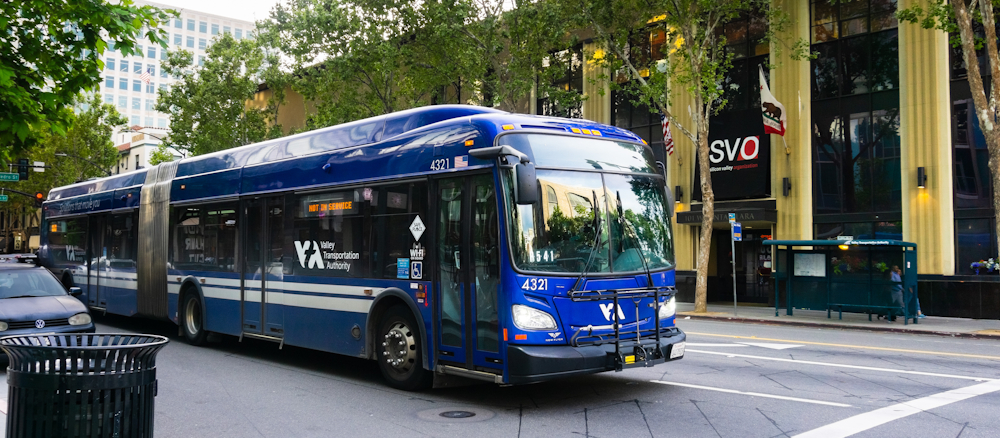
If you plan to use VTA services frequently, it’s a good idea to pick up a Clipper card. The card can be loaded with credit or a pass allowing travel during a specified period of time (such as a day or month).
Buses
VTA operates a comprehensive bus network which serves millions of passengers a year throughout Santa Clara County.
Route numbers and destinations are visible at bus stops and above the bus’s windscreen. Make sure to have your fare or Clipper card ready before boarding. If you’re paying in cash, use exact change.
Light rail
VTA runs a light rail network in San Jose. Most lines operate daily from 4am to 1.30am. Trains usually arrive and depart every 15 minutes, but this can vary depending on the route and the time of day.
Tickets can be bought from a ticket vending machine at the station or via the EZfare mobile app.
Trains
For longer distances, expats can take the Caltrain between San Francisco, San Jose and Gilroy. The Clipper card can be used for the Caltrain, or tickets can be purchased via the official Caltrain mobile app or at vending machines prior to boarding.
Another option is the Altamont Corridor Express (ACE), which is especially useful for sightseeing between Stockton and San Jose. Tickets can be bought through ACE’s website or at stations and official vendors.
Useful links
Taxis in San Jose
A multitude of cab companies are available to expats who would want to travel by taxi in and around San Jose. Taxis can either be called in advance or hailed on the street and are also available at the airport. However, they are pricier than other modes of transport, but some companies offer discounts for longer distances.
Popular ride-hailing services such as Uber and Lyft operate in San Jose and can be used via their respective mobile applications.
Useful links
Driving in San Jose
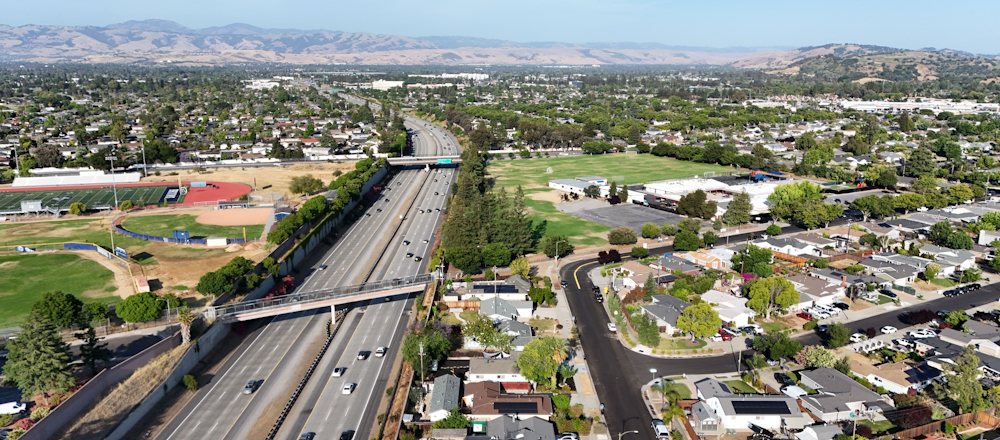
Driving is a common way to get around in San Jose, although the city’s traffic is among the worst in the US. On the plus side, navigation is relatively easy, thanks to the grid layout of the streets.
Driver’s licences
International Driving Permits aren’t recognised by the state of California, but valid driver’s licences from foreign countries, states or territories can be used until they expire.
Once foreigners become California residents, they will need to get a local licence. Newcomers from certain countries can transfer their driver’s licence without retaking a driver’s test. Others will need to pass a written traffic law test and a driving test.
Read Transport and Driving in the USA for more on securing a driver’s licence in the country.
Cycling in San Jose
VTA has concentrated its efforts on improving conditions for cycling in San Jose and gearing its transit system towards accommodating cyclists. The Bay Area has a bike sharing system known as Bay Wheels, consisting of approximately 7,000 bikes across 550 stations in San Jose, San Francisco and the East Bay. Single-use, 24-hour and monthly passes are available, which can be purchased via the official mobile app or a Clipper card.
Useful links
Walking in San Jose
Walking in San Jose is a popular pastime, whether for commuting or leisure. Downtown San Jose is particularly walkable, while suburban areas are more spread out, although these are usually covered by the public transport system. Given the generally good weather and the city’s relative safety, those who enjoy getting around on their own two feet will enjoy living in San Jose.