
- Download our Moving to Sydney Guide (PDF)
The cost of living in Sydney is high, as Australia’s capital, it’s the country’s most expensive city. That being said, Sydney has a lot to offer, from stunning landmarks and breathtaking natural beauty to a thriving economy and opportunities for career progression.
Sydney may be the priciest and most populous city in Australia, but there are plenty of ways for budget-conscious expats to stretch their Aussie dollars.
Cost of accommodation in Sydney
Accommodation in Sydney will be your biggest expense, particularly in the more attractive neighbourhoods and in areas around the city centre. Finding a home in the suburbs can help you cut down on housing expenses.
Utilities, including electricity, water, and gas, are usually not included in the price of rent and tend to add up. Electricity can be particularly costly during the hot summer months when air conditioning is necessary.
Renting Expat Accommodation in Sydney
Best Areas and Suburbs in Sydney
Cost of transport in Sydney
Public transport in Sydney is well developed, and it is cheap and convenient to get around the city without a car. Getting an Opal card allows you to take advantage of the city’s integrated transport network at an affordable price point.
Families with children, and expats looking to experience more of Australia beyond Sydney, can benefit from owning a car, although it’s far from cheap. Apart from the cost of buying or importing a car, other aspects to consider include insurance, upkeep, and petrol costs.
Cost of groceries in Sydney
The cost of groceries in Sydney is in line with the national average, and Australian produce is generally high quality. Seafood lovers should head to the Sydney Fish Market, the largest fish market in the Southern Hemisphere, for inexpensive and fresh fish and seafood.
Cost of entertainment and eating out in Sydney
Many who move to the city cite the lifestyle as a key draw. Expats on a budget should ask locals about the best places to get an affordable bite to eat. Those looking to splurge can take advantage of Sydney’s wide spread of world-renowned fine dining establishments.
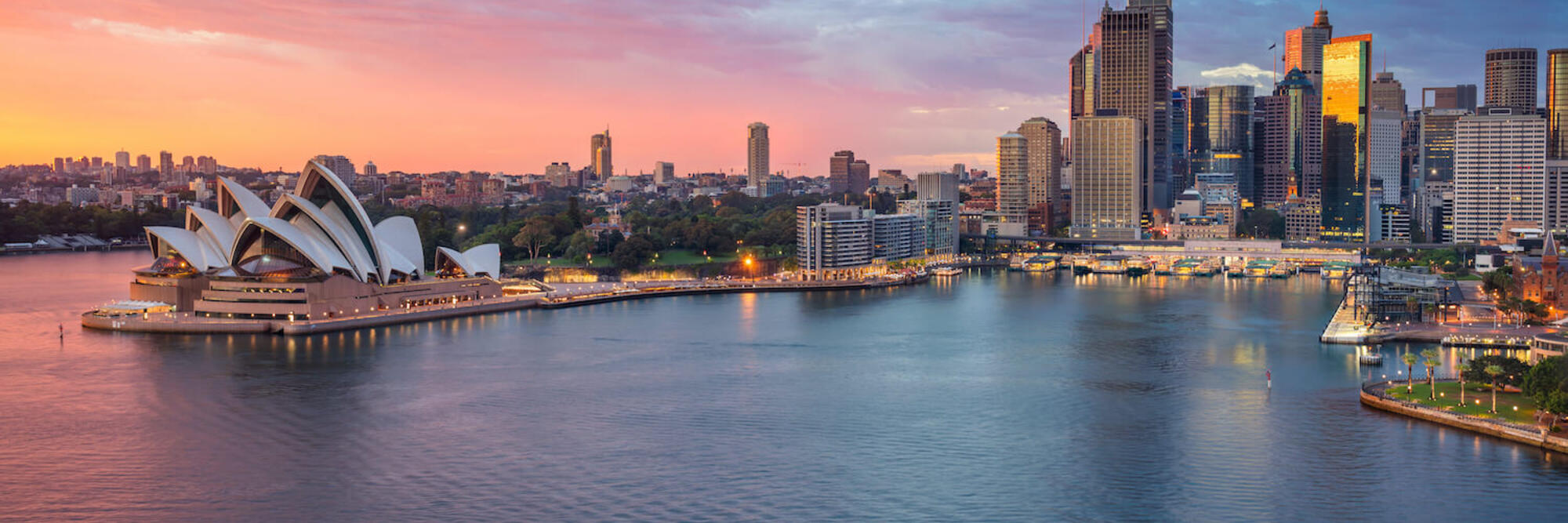
Expats looking to soak up some culture should visit the Sydney Opera House, while the many nightclubs at Kings Cross are available to those looking to party. These activities can be pricey – more affordable pastimes include picnicking in the park, having a barbecue, or visiting the Royal Botanic Gardens.
Cost of education in Sydney
Public education in Sydney is free or affordable for permanent residents, although temporary residence holders will have to pay to enrol their kids.
Faith-based schools, especially the Catholic education system, are popular in Sydney. If your beliefs line up, these schools can be a more affordable option than public schools.
Education and Schools in Sydney
Cost of healthcare in Sydney
While healthcare in Sydney is world-class, it comes at a price for expats. Non-residents often grapple with considerable medical costs, which can be significantly higher than those found in many other countries. Securing comprehensive private health insurance to avoid substantial out-of-pocket expenses is essential.
Australian citizens and permanent residents in Sydney enjoy the privileges of Medicare, the country’s comprehensive public health system. This service significantly reduces healthcare expenses, and considerable savings on medical appointments, hospital treatments and prescription medications. The funding for these services is largely drawn from the national tax system, which ensures that healthcare is both accessible and affordable for residents.
Cost of living in Sydney chart
Prices may vary depending on the product and service provider. The list below shows average prices for Sydney in Australian dollars (AUD) for July 2026.
| Accommodation (monthly rent) | |
| Three-bedroom apartment in the city centre | AUD 7,000 |
| Three-bedroom apartment outside the city centre | AUD 2,500 |
| One-bedroom apartment in the city centre | AUD 3,500 |
| One-bedroom apartment outside the city centre | AUD 2,400 |
| Shopping | |
| Eggs (dozen) | AUD 8 |
| Milk (1 litre) | AUD 2.60 |
| Rice (1kg) | AUD 3.50 |
| Loaf of white bread | AUD 3.70 |
| Chicken breasts (1kg) | AUD 13.70 |
| Cheese (500g) | AUD 9 |
| Eating out | |
| Three-course meal for two at a mid-range restaurant | AUD 135 |
| Big Mac Meal | AUD 16 |
| Coca-Cola (330ml) | AUD 3.80 |
| Cappuccino | AUD 5.60 |
| Local draft beer (500ml) | AUD 11 |
| Utilities/household | |
| Mobile phone monthly plan with calls and data | AUD 35 |
| Internet (uncapped ADSL or cable – average per month) | AUD 80 |
| Basic utilities (average per month for a standard household) | AUD 315 |
| Transport | |
| Taxi rate (per kilometre) | AUD 2.30 |
| Bus/train fare in the city centre (one way) | AUD 5.60 |
| Gasoline/petrol (per litre) | AUD 1.90 |