
Securing a visa for Denmark is fairly quick and easy, and the approval process usually takes no more than 15 days, although complex cases may take up to 45 days.
Many people won’t need a visa at all. Citizens of the EU and EEA can come and go for short stays without one, and so can passport holders from countries such as the United States, the United Kingdom, Australia, and New Zealand. EU, EEA, and Swiss citizens may live and work in Denmark freely, while everyone else counts as a third-country national and has more boxes to tick.
You’ll also need a cover letter that explains the reason for your visit. Any document not already in English or Danish must be translated into one of those two languages.
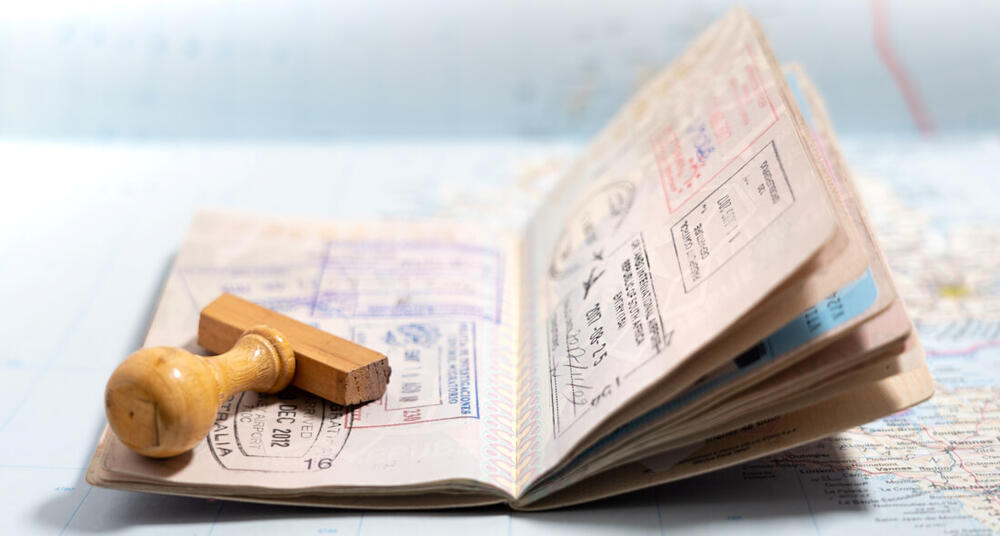
The EU’s Entry/Exit System (EES) became fully operational in April 2026 and has replaced the passport stamp. Non-EU visitors are logged by facial scan and fingerprints each time they cross the Schengen border, in or out.
Visitor visas for Denmark
Visitor visas for Denmark are Schengen visas: the country is part of the Schengen Area and issues these for short-term stays. The Schengen visa covers travel to Denmark for multiple purposes, including tourism, business, and private visits to family or friends.
Those looking to apply for a tourist visa for Denmark should book an appointment at their local embassy or consulate to complete a visa application form. The application must be accompanied by supporting documents, including:
- a cover letter
- a passport issued within the past 10 years and valid for at least three months beyond your planned departure
- proof of funds
- travel insurance
- a return ticket and travel itinerary.
If you’re applying for a business Schengen visa, you’ll also need an invitation letter from the Danish company hosting you.
Businesspeople, family members of EU citizens, and family members of those legally living in Denmark or other EU states qualify for multiple-entry Schengen visas. These run anywhere from six months to five years, though you may still only stay for 90 days in any 180-day period.
Citizens of certain countries and those who’ve already been granted a valid and current visa to enter another Schengen country may enter Denmark without a visa. EU citizens and holders of American, Australian, British, and New Zealand passports are included in the list of those who may enter Denmark freely for up to 90 days without a visa.
From late 2026, the European Travel Information and Authorisation System (ETIAS) requires visa-exempt travellers (Americans, Britons, Australians, and the like) to obtain an online authorisation before they travel. Approval usually takes minutes, the permit holds for three years or until your passport expires, and it covers repeat short trips. ETIAS is not a visa, but airlines won’t let you board without one once it takes effect.
One thing to watch for if you travel onward: Greenland and the Faroe Islands are outside both the EU and the Schengen Area. A Danish or Schengen visit visa won’t get you in, so you’ll need a separate permit. Nordic citizens are exempt, and as of 2026, third-country nationals who already hold a Danish or Schengen residence permit can travel there without a fresh visa.
Useful links
- New to Denmark: Short-stay visas
- Ministry of Foreign Affairs of Denmark: How to apply for a visa
- European Union: ETIAS
- European Union: Entry/Exit System (EES)
Residence and work permits for Denmark
Residence and work permits for Denmark hinge on where your passport is from. Some people need neither; others need both.
EU residence documents
Some foreigners are free to live and work in Denmark without a permit. This privilege covers citizens of EU and EEA states, Nordic citizens, and Swiss citizens.
If you plan to stay longer than three months, you’ll need a registration certificate (also called an EU residence document). You collect it when you register your arrival with the authorities.
Residence and work permits
If you aren’t from an exempt country, you must apply for a residence and work permit to live and work in Denmark. You’ll need a written job offer that sets out your salary and employment conditions.
If you’re a British national who was granted temporary residence under the EU UK Withdrawal Agreement, your residence card may be nearing its expiry date; many of the first cards were issued in 2021 and run for five years. Once you’ve lived in Denmark legally for five consecutive years, you can apply for permanent residence. Denmark’s immigration agency, SIRI, urges eligible applicants to apply early, even before the card expires, so your proof of residence never lapses. If you haven’t yet hit the five-year mark, check whether your card needs to be renewed in the meantime.
Obtaining a CPR number
If you’re staying in Denmark for more than three months, you’ll need a personal identification number (CPR number). Without one, normal life in Denmark is impossible: you can’t open a bank account, register with a doctor, get help from public authorities, or even buy a registered mobile phone. The CPR number also unlocks MitID, the national digital ID that logs you into banking and government services, and it comes with the yellow health card (sundhedskort) that connects you to public healthcare.
Useful links
- Ministry of Foreign Affairs of Denmark: Residence permits
- Life in Denmark: When you arrive
- CPR.dk: Getting a CPR number
Visa regulations can change at short notice, so contact your nearest Danish embassy or consulate for the latest details.