
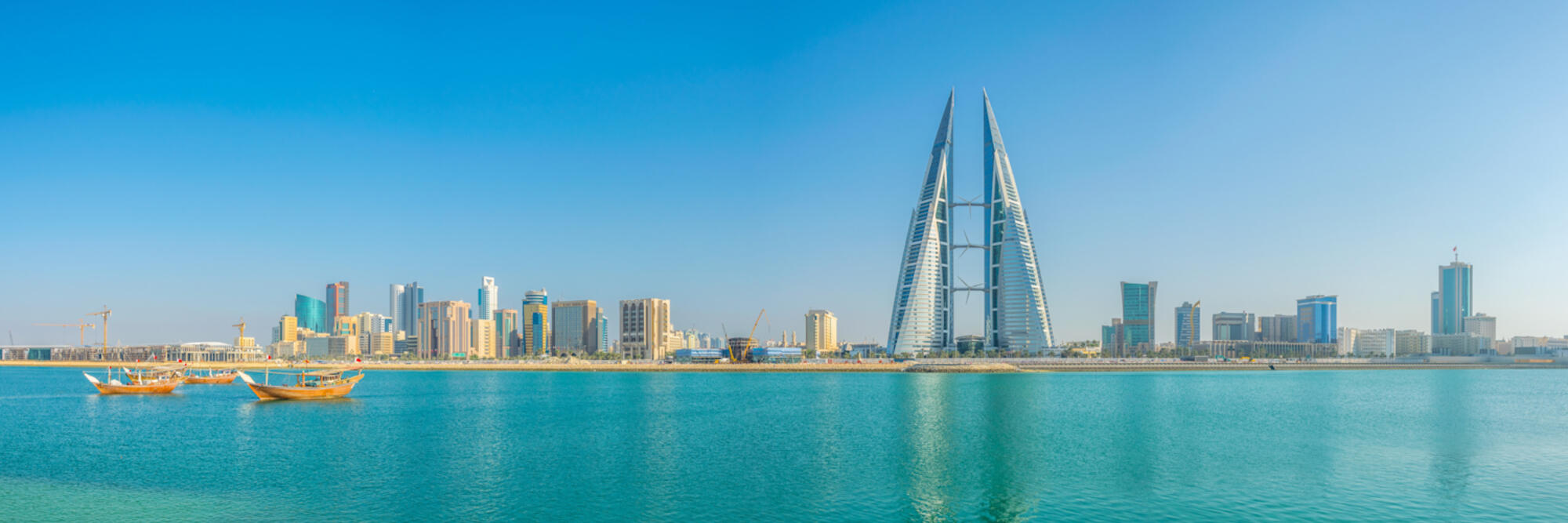
Despite its small size and extensive exposure to a multitude of nationalities and ethnicities, Bahrain has maintained the Arab roots of its local culture. Islamic morals govern personal, business, legal and economic life, but the country is regarded as quite liberal compared to its neighbours.
Bahrainis often speak English and are friendly towards newcomers. Nevertheless, expats unused to the Arab way of life may experience some level of culture shock in Bahrain.
Dress code in Bahrain
On arrival, expats may be surprised to see just how smartly dressed locals usually are. Traditional clothing for men includes a long white garment known as a thobe and a cotton headscarf called a ghutra, typically worn over a small skull cap. Local women wear headscarves and abayas, loose-flowing garments, usually black, sometimes with detailed decoration at the neck or sleeve edges.
Expat women need not dress in the traditional manner, but loose-fitting clothing covering the shoulders and knees is generally best.
Both men and women should dress conservatively for business meetings.
Ramadan in Bahrain
Ramadan can be a period of severe culture shock for expats who have never experienced the holy event in an Islamic country. During Ramadan, Muslims fast from dawn to dusk and work a maximum of six hours a day.
Though expats aren’t required to fast during this period, they should not consume any food or drink (including water) or smoke in public between sunrise and sunset. Working hours and restaurant opening times are adjusted accordingly. Some companies may provide a room where non-Muslim staff can eat during the month of Ramadan.
Customs and etiquette in Bahrain
If invited to a Bahraini home, expats should take a non-alcoholic gift, such as chocolates.
In Bahraini culture, men greet other men with a handshake and kiss on the cheek if they know each other. Women shouldn’t expect a man to shake hands with them, but a female friend may welcome her with a hug and a kiss. Men should not touch a Bahraini woman unless the woman offers her hand first.
Bahrainis love to socialise, and expats should make an effort to reciprocate the hospitality if possible. Small talk will always precede a business meeting or a meal. Accept any offer of tea or coffee, as declining may be considered an insult to the host.
When visiting someone’s home, check if they’ve removed their shoes and follow suit. Leaving footwear at the door avoids tramping dust through the house.
Alcohol in Bahrain
While alcohol is forbidden for Muslims in Bahrain, it’s available to non-Muslims at specific outlets. Certain licensed hotels and expat social clubs are permitted to sell alcohol for consumption on the premises, and alcohol can also be purchased for private use at selected licensed stores.