
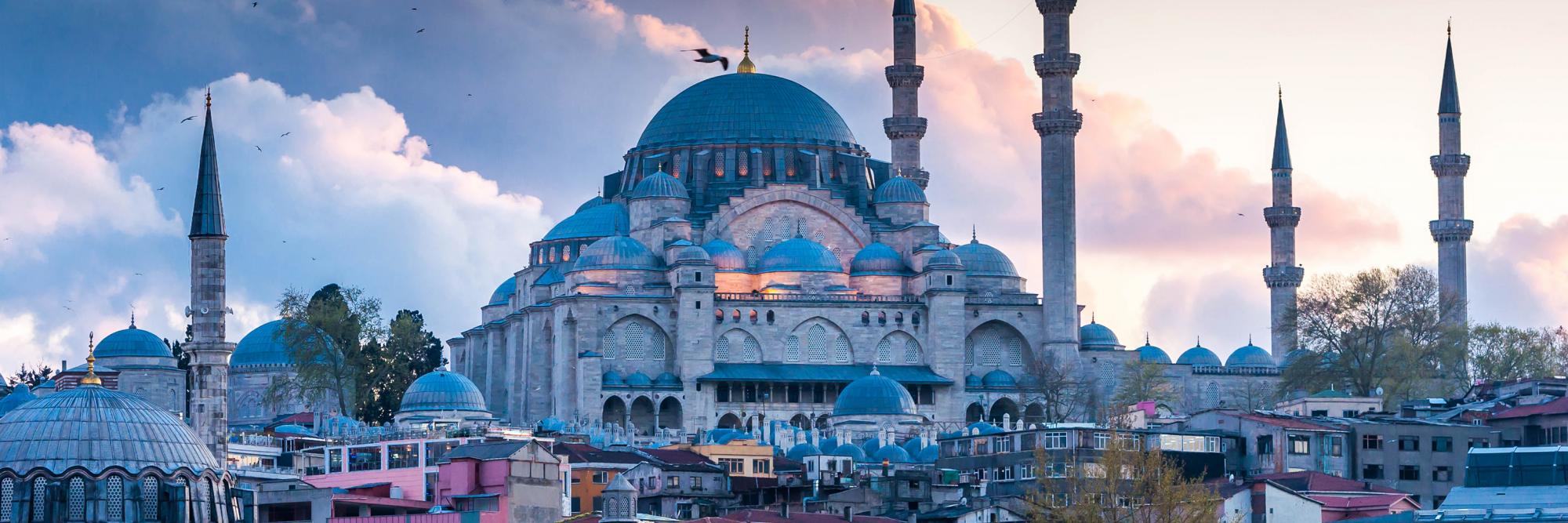
For expats paid in a strong foreign currency, the cost of living in Istanbul is still lower than in most Western European capitals, but the city is no longer the bargain it was a few years ago. Turkey's central bank has let the lira weaken more slowly than inflation, so the city is pricier in euro and dollar terms each year. Locals who are paid in lira will feel the squeeze hardest. Istanbul is also Turkey's most expensive city, and its rents are well above those in Ankara and Izmir.
Accommodation is likely to be the biggest monthly expense for new arrivals. Seasonal produce and public transport are still cheaper than in Western Europe, whereas imported food, electronics, cars, and alcohol are pricey. Expats who shop at neighbourhood markets and eat where the locals eat spend far less than those who stick to imported brands and tourist districts.
Cost of accommodation in Istanbul
Landlords on the European side charge the highest rents, and the cost of accommodation in Istanbul is at its steepest in upscale districts such as Bebek and Nişantaşı. Homes with Bosphorus views are available on both sides of the city at a hefty premium. Rents are lower in Asian-side districts such as Kartal and Maltepe, which are linked to Kadıköy by the M4 metro and to the European side by Marmaray trains.
On lease renewal, landlords can raise the rent by no more than the 12-month average of the consumer price index (CPI). Turkish inflation has been high for years, so tenants should expect a sizeable rise at each renewal. Some landlords quote rents to foreign tenants in euros or US dollars, which is legal when one party isn't a Turkish citizen.
You should budget for a deposit of up to three months' rent, which is the legal maximum. Tenants usually pay the agent's fee too, and it's capped at one month's rent plus VAT. Monthly building maintenance fees (aidat) are rarely included in the quoted rent, and they're highest in gated complexes that have pools and security guards.
Renting Accommodation and Utilities in Istanbul
Cost of transport in Istanbul
Rely on public transport and you'll find the cost of transport in Istanbul refreshingly low. The network has buses, metro and tram lines, Marmaray commuter trains, ferries, and the Metrobüs, and the authorities open new metro lines every few years. A trip by rail or ferry is often quicker than the same trip by car, and it's far cheaper.
Commuters pay with the Istanbulkart. It's a reloadable card that's valid across the whole network. Transfers within a set time window are discounted, and residents who travel daily can save with a monthly pass known as the Mavi Kart. The Metrobüs is a 24-hour bus rapid transit line with dedicated lanes, and it's a reliable way to cross the Bosphorus by road at rush hour. Most metro lines are open all night on Fridays and Saturdays, and fares are double between 12.30am and 5.30am.
Istanbul's taxis are metered and cheap by European standards. Yellow cabs are the standard option, while turquoise and black cabs are pricier. You can book through apps such as BiTaksi and Uber, so there's a digital record of each trip.
Most expats live happily without a car. Parking is scarce, traffic is notoriously heavy, petrol is expensive, and new cars are pricier than in most of Europe because of hefty purchase taxes. Drivers also pay tolls on the Bosphorus bridges and the Eurasia Tunnel. Should you decide to drive, choose a fuel-efficient car and compare insurance quotes. For short hops, the car is best left at home.
Cost of groceries in Istanbul
Shoppers who want to keep the cost of groceries in Istanbul down head to the weekly street markets (pazar), where vendors sell fresh produce for less than the supermarkets. Two of the best-known are the Kadıköy Salı Pazarı (Tuesday Market) on the Asian side and the Beşiktaş Saturday Market on the European side. Summer stalls are piled high with tomatoes, peppers, figs, and melons. By autumn, they're stacked with root vegetables and leafy greens instead.
Discount supermarket chains such as BİM and A101 are cheaper for everyday staples than Migros or CarrefourSA, although the latter two stock a wider range of imported products. The municipality also sells subsidised bread at its Halk Ekmek kiosks across the city.
Imported goods are expensive because of heavy import taxes, so speciality Western foods and foreign-brand electronics are noticeably pricier than back home. Alcohol is another big-ticket item because the government levies steep excise duties on it. Bring a phone from abroad, and it's usable on a Turkish SIM card for only 120 days. After that, you'll have to register the handset and pay a fee comparable to the price of a mid-range phone.
Cost of entertainment and eating out in Istanbul
Some of the city's grandest sights are free to visit, so the cost of entertainment and eating out in Istanbul is manageable even on a tight budget. You won't pay to enter the Blue Mosque or the Süleymaniye Mosque, and a commuter ferry ride across the Bosphorus is about the price of a bus fare. Many of the city's cultural events are affordable too.
Museums and major historical sites are a different story. Tickets for foreign visitors are often priced in euros, and entry to landmarks such as Topkapı Palace and Hagia Sophia is pricey.
Expats who want to avoid tourist premiums tend to spend their evenings in Kadıköy and Beyoğlu instead. Kadıköy's Moda neighbourhood is known for its live music venues, small theatres, seafront tea gardens, and café culture. İstiklal Avenue is in Beyoğlu, and the district has everything from historic cinemas to jazz bars.
Restaurants away from the tourist hotspots are still good value. Street food such as simit and lahmacun is cheap and filling, and the home-style stews at an esnaf lokantası (a tradesmen's canteen) are a fraction of the price of a meal in Sultanahmet. Waterfront fish restaurants on the Bosphorus are a splurge by any standard, and international restaurants are pricier because of their imported ingredients. Diners usually tip around 10 percent in sit-down restaurants.
Lifestyle, Shopping, Attractions and Activities in Istanbul
Cost of education in Istanbul
For most expat families, international school fees are the bulk of the cost of education in Istanbul. The city's international schools teach the IB, British, American, Canadian, French, and German curricula, and most of them invoice in US dollars or euros. Classes are generally smaller than in state schools, and children are more likely to make friends who share their background. Many families prefer this route because universities abroad recognise the qualifications. Fees are remarkably high at the top schools, and most also charge a hefty one-off registration fee.
State schools are free, but lessons are in Turkish, which is a hurdle for children who don't speak the language. The national curriculum is exam-focused, and pupils sit competitive tests for places at the top high schools and universities. Some state schools run extra Turkish classes for foreign pupils. Private Turkish schools often teach in both Turkish and English and have better facilities than state schools, but they still follow the national curriculum.
Children who aren't fluent in Turkish can catch up with a private tutor. Public education centres (Halk Eğitim Merkezleri) also run free Turkish courses for foreign residents, and some of these classes are for primary-school-age children.
Education and Schools in Istanbul
International Schools in Istanbul
Cost of healthcare in Istanbul
The cost of healthcare in Istanbul is lower than in much of Western Europe and the US, and standards at the city's leading private hospitals are high. Private hospitals are quicker than state ones, and English-speaking doctors are easier to find there.
The Social Security Institution (SGK) runs Turkey's public health insurance scheme. Employers register their staff with SGK and deduct contributions from their salaries. Residence permit holders who don't work in Turkey and have no cover from another country's scheme can join voluntarily once they've lived here for a year. SGK covers treatment at state hospitals and part of the bill at contracted private hospitals, although state hospitals are often crowded.
Residence permit applicants without SGK cover need a private policy, and its limits have to be at or above government-set minimums for inpatient and outpatient care. New arrivals who aren't employed in Turkey therefore start out with private health insurance. Insurers raised premiums for compliant policies sharply after the government lifted these minimums in 2025.
Many long-term residents with SGK cover also buy complementary private insurance (tamamlayıcı sağlık sigortası). The insurer pays the top-up fees that private hospitals charge SGK patients, and these policies are much cheaper than full private cover.
Healthcare and Health Insurance in Istanbul
Cost of living in Istanbul chart
Prices are listed in Turkish lira (TRY) and may vary depending on the product and service provider. The list below shows average prices for Istanbul in November 2026.
| Accommodation (monthly rent) | |
| Three-bedroom apartment in the city centre | TRY 97,000 |
| Three-bedroom apartment outside the city centre | TRY 57,000 |
| One-bedroom apartment in the city centre | TRY 48,500 |
| One-bedroom apartment outside the city centre | TRY 32,000 |
| Shopping | |
| Eggs (dozen) | TRY 120 |
| Milk (1 litre) | TRY 60 |
| Rice (1kg) | TRY 110 |
| Loaf of white bread | TRY 20 |
| Chicken breasts (1kg) | TRY 270 |
| Cheese (500g) | TRY 260 |
| Eating out | |
| Three-course meal for two at a mid-range restaurant | TRY 2,600 |
| Big Mac Meal | TRY 480 |
| Coca-Cola (330ml) | TRY 85 |
| Cappuccino | TRY 210 |
| Draft beer (domestic) | TRY 240 |
| Utilities | |
| Mobile phone monthly plan with calls and data | TRY 570 |
| Internet (uncapped ADSL or cable – average per month) | TRY 800 |
| Basic utilities (average per month for a standard household) | TRY 4,500 |
| Transport | |
| Taxi rate (per kilometre) | TRY 48 |
| Bus/train fare in the city centre | TRY 46 |
| Gasoline/petrol (per litre) | TRY 80 |