Print
  • Hold down Ctrl key and select the sections you want to print. If using a Mac, hold down the Cmd key.
  • Use Ctrl + A or on Mac, Cmd + A to select all sections (if you are using the Chrome browser).
  • Click "Apply" and the site will customise your print guide in the preview below.
  • Click the "Print" button and a print pop up should appear to print to your printer of choice.

Moving to Istanbul

Living in Istanbul as an expat

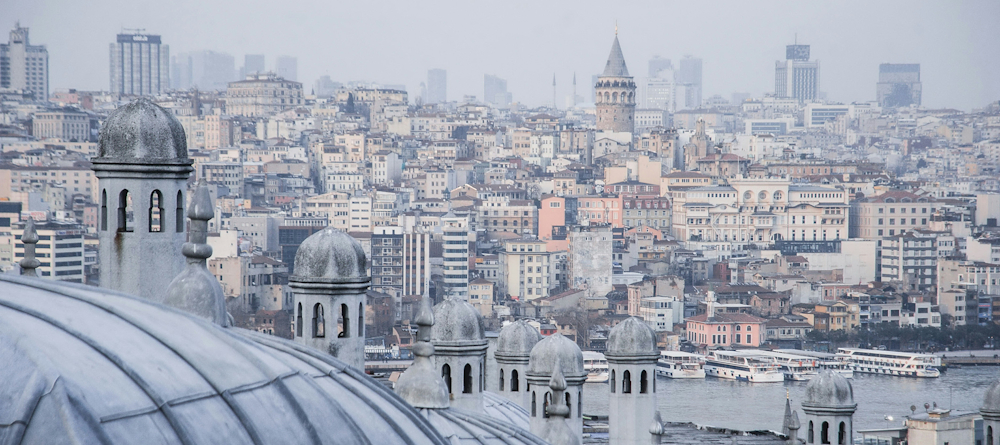
Expats moving to Istanbul should prepare themselves for a massive city spread across two continents. You will navigate 16 million people and traffic that never seems to stop. It is loud and demanding, but the sheer scale of the place is what makes it interesting.

You may face some initial culture shock, especially regarding the language barrier and the frantic traffic. Yet, the warmth of the local people often helps new arrivals settle in quickly. Whether you spend your weekends crossing the Bosphorus on a ferry or hunting for antiques in Cihangir, you won’t run out of things to do.

You will soon discover that living in Istanbul as an expat involves adapting to a unique rhythm where East meets West. While the energy of the city is undeniable, it can take time to adjust to the noise and density. However, once you find your footing, the experience offers a richness that few other cities can match.

Working in Istanbul
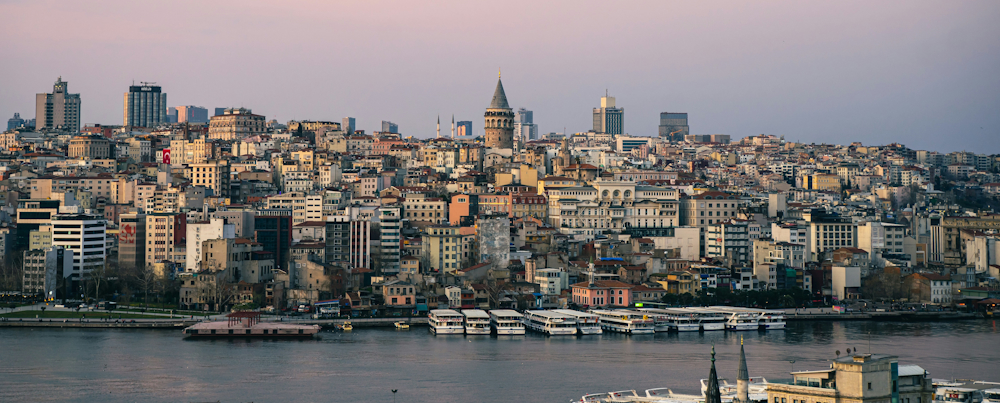
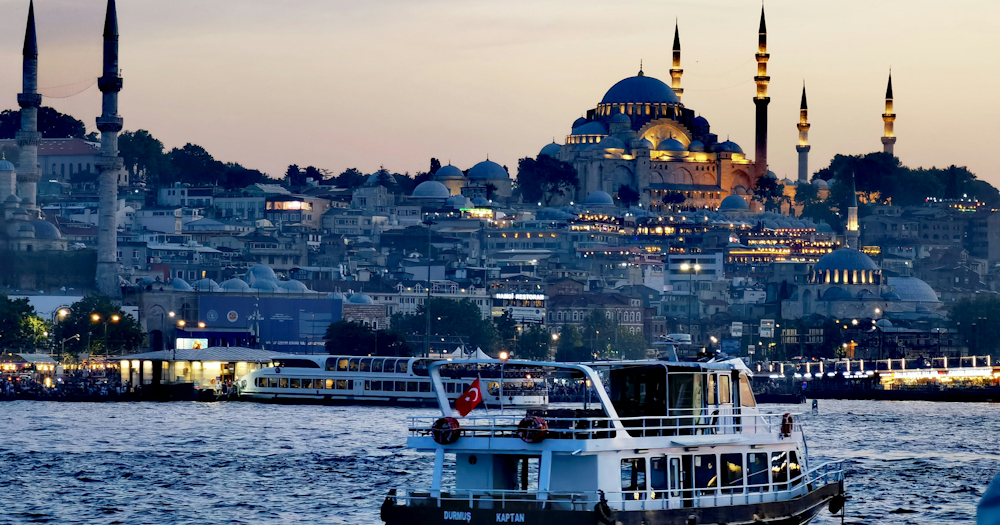
Istanbul Skyline by Ayadi Ghaith on Unsplash

You may find that working in Istanbul is challenging if you hope to secure a traditional role in a local company. Turkey often prioritises hiring citizens, and many sectors remain closed to foreigners. If you do not speak Turkish fluently, your options in the local market are generally limited to teaching English or working in the tourism sector.

Regulations for remote work changed in 2024. Istanbul has since become a magnet for digital nomads who earn in foreign currencies like USD or EUR. This visa route lets them bypass the struggles of the local labour market.

Finding a Job in Turkey
Visas for Turkey

Lifestyle in Istanbul

The lifestyle in Istanbul is heavily centred around socialising and dining. Locals spend hours lingering over tea or coffee, and the city comes alive at night, particularly in districts like Beyoğlu and Kadıköy. For shopping, you have the choice between historic experiences at the Grand Bazaar or high-end retail therapy at modern malls like Zorlu Centre.

Shopping, Nightlife and Coffee Culture in Istanbul 
Best Attractions and Sightseeing in Istanbul 
Recommended Weekend Breaks from Istanbul

Finding accommodation in Istanbul
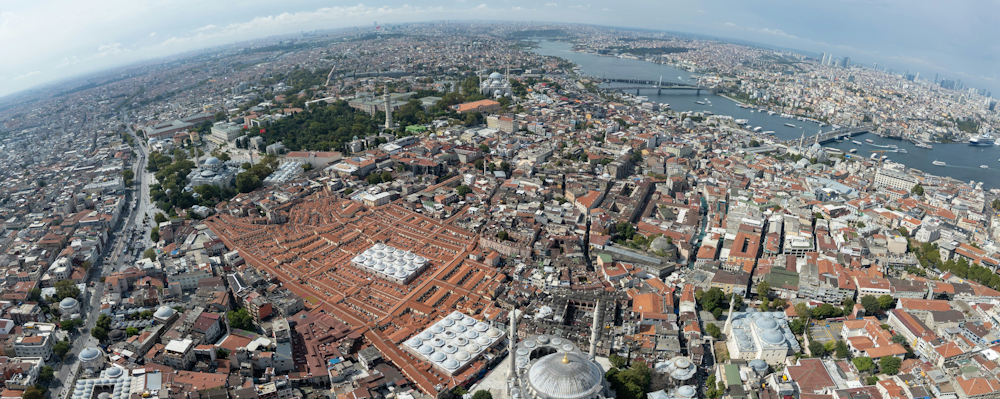
Aerial View of Istanbul by Aleksandr Galichkin on Unsplash

You will have a choice between the European and Asian sides of the city when finding accommodation in Istanbul. Most foreigners stick to the European side, particularly districts like Beyoğlu and Şişli, although these areas are significantly more expensive. The Asian side feels more like a community and less like a tourist trap, usually with the bonus of slightly lower rents.

Rental prices have spiked in recent years. As of late 2025, you should budget upwards of USD 1,100 (approx. TL 40,000) for a one-bedroom apartment in a central area. The rental market is fast. Good apartments go quickly, so be ready to sign the lease immediately.

Your main priority should be the building's structural integrity. Istanbul sits on a major fault line, so look for properties built after the 2018 regulations update and check government safety maps before signing a lease. Some coastal districts are also implementing new ‘Tsunami Ready’ certifications, which is worth verifying if you plan to live near the water.

Renting Expat Accommodation in Istanbul

Cost of living in Istanbul

Your expenses depend entirely on how you live. Local services and produce are cheap compared to the US or the UK, but prices are rising. Imported goods are a different story. The government taxes cars and alcohol aggressively, so these items cost far more here than in Europe.

Inflation has been a persistent issue in Turkey, leading to frequent price adjustments. Rents in central districts like Beşiktaş or Kadıköy have risen sharply. Conversely, local produce at weekly markets (pazar) and services such as domestic help remain reasonably priced compared to global standards.

Cost of Living in Istanbul

Living in Istanbul with children

You will likely find that living in Istanbul with children is a welcoming experience, as local culture places a high value on family. You will often find waiters doting on your kids in restaurants, and strangers are generally patient and affectionate towards young ones. That said, navigating the city with a stroller can be frustrating due to uneven pavements and steep hills.

For a break from the city, you can take a ferry to the Princes’ Islands, where cars are banned, and electric vehicles or bicycles are the main modes of transport. For a more adrenaline-filled day, Isfanbul Theme Park (formerly VIALAND) features rollercoasters and entertainment complexes that rival European counterparts.

Healthcare is another priority for families. Expats must have health insurance to obtain a residence permit. While private healthcare is excellent and widely available, costs have increased, so ensure your policy has adequate coverage for your family’s needs.

Healthcare in Istanbul 
Kids and Family in Istanbul

Finding a school in Istanbul

Most expats choose private international schools. State schools teach in Turkish, so unless your children are already fluent, they will struggle to keep up. International schools solve this by offering familiar options like the IB or British curriculum.

Tuition fees for top-tier international schools have climbed significantly. You should budget anywhere from USD 20,000 to USD 40,000 per year for tuition at the most prestigious institutions, not including additional costs for lunch, transport, and uniforms. Demand is high, so we recommend starting the application process as early as possible.

Schools and Education for Expats in Istanbul 
International Schools in Istanbul

Getting around in Istanbul
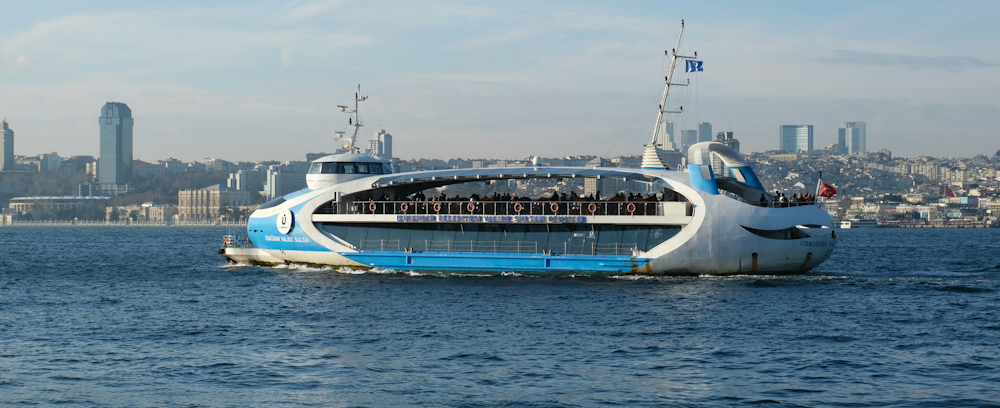
Istanbul Ferry by Anil Baki Durmus on Unsplash

An extensive public transport network generally makes getting around in Istanbul efficient, despite the heavy traffic. The network includes metro lines, trams, funiculars, and the ferries that double as a scenic commute between the European and Asian sides. Traffic gridlock here is a fact of life, but the metro and Marmaray rail link offer reliable alternatives.

Ticket prices jumped in late 2025, although public transport is still good value compared to the Eurozone. You’ll need to buy an Istanbulkart (a reloadable travel card) to get around. Taxis are easy to find, but drivers often refuse to use the meter. Use an app like BiTaksi or Uber to avoid getting overcharged.

Public Transport and Driving in Istanbul

Climate and weather in Istanbul

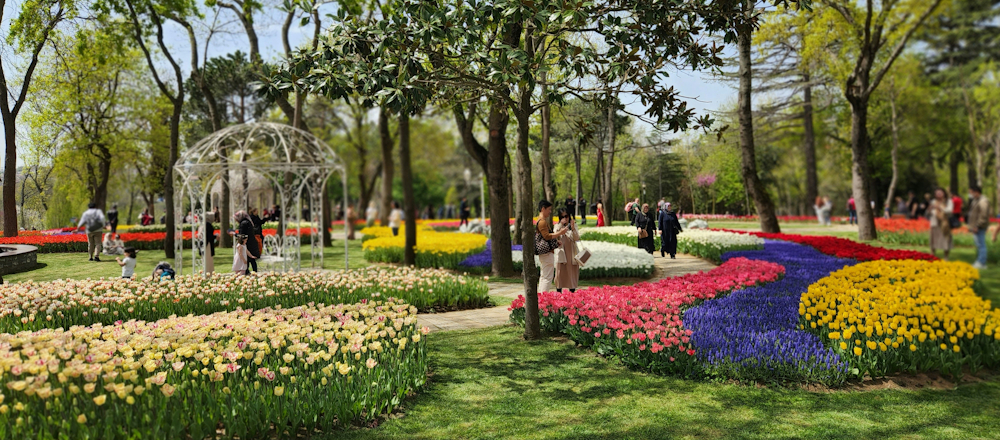
You will experience distinct seasonal changes in the climate and weather in Istanbul throughout the year. Summers are typically hot and humid, while winters can be surprisingly cold and wet, often bringing occasional snowfall. Spring is the best time to explore, as tulips bloom across the parks and gardens.

The colder months also offer opportunities for winter sports enthusiasts. You can easily access ski resorts such as Uludağ, which is just a short trip away. Autumn provides mild temperatures that are perfect for exploring the city before the winter chill sets in.
Climate Charts for Istanbul

Weather in Istanbul

Newcomers might expect a temperate climate, but the city’s high humidity makes the weather in Istanbul feel more intense than the forecast suggests. Winters (December to February) are grey and damp, with a penetrating chill that seeps through even the heaviest coats. You should also prepare for the Lodos, a fierce southwesterly wind that frequently cancels ferry services and, according to local lore, causes severe headaches. Snow is a yearly lottery; some years see none, while others bring blizzards that turn the steep hills into ice slides and shut schools down.

Spring arrives in March, but it’s often still quite wet. The city truly transforms in April, when the annual Tulip Festival fills the parks and Judas trees brush the Bosphorus shores in violet. Summer heat arrives by June, and it traps in humidity that turns the concrete city into a steam bath. Air conditioning in Istanbul is not a luxury; it is essential for a good night’s sleep. Be aware that the humidity can cause mould issues in older apartments, so check corners carefully when house hunting.

Most locals agree that autumn (September to November) is the best season. If you are lucky, late October will bring a Pastrami Summer, a golden period of warm days and crisp evenings perfect for outdoor dining before the winter gloom settles in.


Pros and Cons of Moving to Istanbul

As with every city, some ups and downs come with expat life, so we’ve put together a list of major pros and cons of moving to Istanbul. The Turkish capital sits at a crossroads of cultures and civilisations, a transcontinental city that bridges Europe and Asia. Originally founded as Byzantium in 657 BCE, the city is a modern metropolis wrapped around oodles of ancient history, and it’s a major expat destination. It enjoys a storied past, with periods of both Christian and Islamic influence. Consequently, the city is home to a diverse range of backgrounds and religions.


Accommodation in Istanbul

View of Istanbul by Olga Angelucci on Unsplash

+ PRO: Variety of options

You can choose between the historic character of the city centre or the convenience of a high-rise complex. Istanbul offers a wide range of accommodation options. Generally, rents are pricier on the European side, which hosts the city’s main business districts, than on the Asian side across the Bosphorus Strait. Most standard apartments for expats come with two or more rooms.

- CON: High inflation and rising costs

Persistent inflation has driven household expenses in Turkey through the roof, especially rental prices and utilities. Costs were previously low for foreign earners, but the gap has nearly closed. Additionally, if you choose to live in a modern compound (site), you will likely have to pay a monthly maintenance fee known as aidat, which can be substantial.

Accommodation in Istanbul


Lifestyle in Istanbul

+ PRO: Rich in history

Because of its strategic position along the Bosphorus, Istanbul has been a hub of trade and industry for centuries. It was the seat of power for both the Eastern Roman and Ottoman empires, and history pervades the city’s architecture. You can visit the Hagia Sophia and Blue Mosque, or explore the subterranean Basilica Cistern. The Hippodrome of Constantinople harks back to ancient times, while the medieval stone Galata Tower in the old quarter commands the skyline.

+ PRO: Leisure and sightseeing

Beyond Istanbul’s history, there are plenty of other attractions that make the city special. Among the most popular of these are the famed Bosphorus cruises and yacht expeditions, some of which travel far up the strait to the Black Sea. A trip to the Princes’ Islands, a quick ferry ride away, is a welcome escape if you are tired of the frenetic city energy. The islands are car-free, and electric buses and bicycles are the primary modes of transport.

Lifestyle in Istanbul


Cost of living in Istanbul

+ PRO: Value for foreign earners

If you are earning a salary in a strong foreign currency, you will likely find a high quality of life in Istanbul to be accessible. The cost of living can be manageable for those on expat packages. Supermarkets are well stocked, but you can also find quality ingredients and products in the city’s covered markets, such as the Grand Bazaar. Dining out in local restaurants is still good value for money compared to many Western European cities, although prices have been rising steadily.

- CON: Expensive alcohol and electronics

Turkey’s high taxation rate makes alcohol noticeably more expensive here than in many European countries. Electronics also come with a hefty price tag, and the fee for registering a foreign mobile phone can exceed the value of the handset itself. It is worth checking the latest IMEI registration costs before you travel.

Cost of Living in Istanbul


Local culture in Istanbul

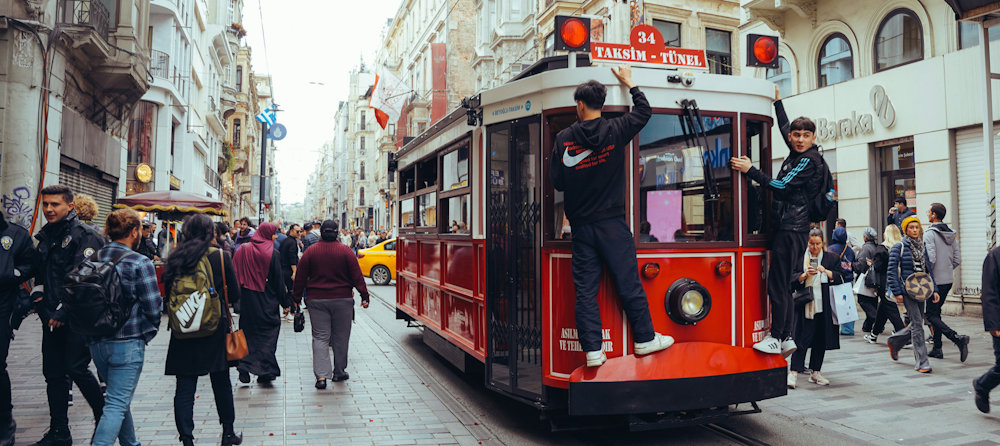
Crowded Street in Istanbul by Igor Sporynin on Unsplash

+ PRO: Friendly locals

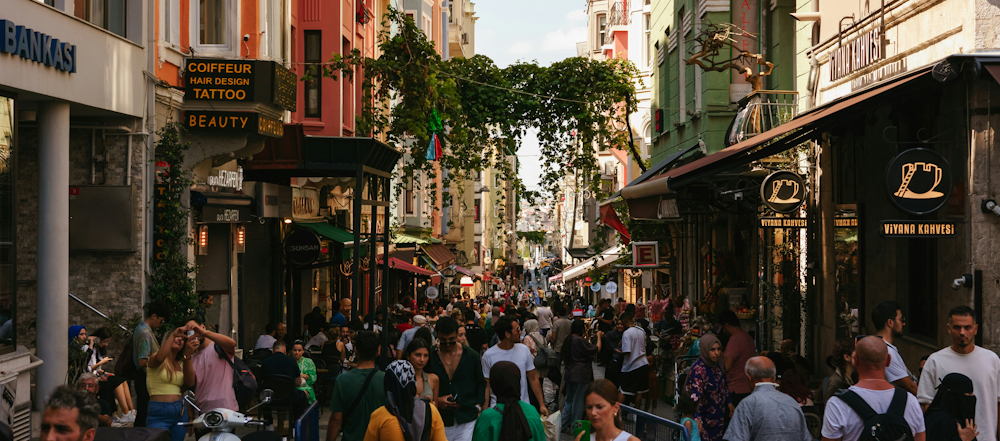
Turkish hospitality is legendary. Locals are often warm and chatty, which can actually feel overwhelming if you are used to more reserve. Neighbours tend to keep an eye out for one another, and don’t be surprised if a shopkeeper offers you a glass of tea while you browse.

- CON: Language barrier and organisation

Be prepared for a few cultural adjustments. English isn’t widely spoken outside tourist areas and business districts, so learning some basic Turkish phrases will go a long way. Timekeeping can also be more fluid than in Western Europe or North America, and dealing with local bureaucracy often requires patience.

Local Culture in Istanbul


Working and doing business in Istanbul

- CON: Challenging job market

Finding work in Istanbul as an expat can be tough. Although the city is Turkey’s economic powerhouse, there are strict laws that prevent non-citizens from working in many fields. Roles in law, medicine, dentistry, veterinary science, and pharmacy are generally reserved for Turkish nationals. However, qualified English teachers and professionals with specific skills relevant to the tourism industry may still find opportunities.

Working in Istanbul


Education in Istanbul

+ PRO: Lots of international schools

Istanbul has plenty of international schools, giving you a good variety of choices. Most follow the International Baccalaureate, British, or American curriculum. You can also find schools that teach in French, German, or Italian.

- CON: High tuition fees

Fees at these institutions are high and usually charged in foreign currency. Turkish state schools are free and offer a great way for children to integrate with local peers, but the curriculum is taught entirely in Turkish.

International Schools in Istanbul 
Education and Schools in Istanbul


Getting around in Istanbul

Modern Tram in Istanbul by Ilker Ozmen on Unsplash

+ PRO: Extensive public transport network

Public transport in Istanbul is efficient and affordable. An Istanbulkart allows fare payment on services such as buses, metro, ferries and trams, making it easy to navigate the city without a car.

+ PRO: A global travel hub

Istanbul is a major aviation hub that connects Europe, Asia, and Africa. It’s a perfect home base for frequent travellers, as they can easily reach hundreds of international destinations with a direct flight.

- CON: Heavy traffic

Istanbul’s traffic congestion is notorious and frequently ranks as the worst in the world. Avoiding rush hour is essential if you travel by car. There are plenty of taxis for those who don’t want to drive or take public transport, but drivers often try to overcharge foreigners. Ride-hailing apps like BiTaksi and Uber offer a safer alternative with estimated fares and card payments, although finding a ride during peak times can be hit or miss.

Public Transport in Istanbul


Safety in Istanbul

- CON: Scams and petty crime

Istanbul is generally safe, but there are some common scams that target foreigners. Be wary of taxi drivers who refuse to use the meter or take long detours. You should also be cautious of the ‘friendly stranger’ scam, where a local invites you for a drink, leading to an extortionate bill. Pickpocketing is a risk in crowded tourist spots like Istiklal Street.


Weather in Istanbul

+ PRO: Distinct seasons

Istanbul has four distinct seasons. Winters can be cold and wet, and summers are hot and humid. Spring and autumn are generally the most pleasant times to explore the city. Fortunately, Istanbul’s wealth of museums and historical sites means there is plenty to do even when the weather turns grey.

Weather in Istanbul

Cost of Living in Istanbul

The cost of living in Istanbul is a financial paradox: expensive for locals earning lira, but a bargain for expats with foreign currency. Currency depreciation and energy prices are fuelling inflation that hits locals hardest. However, expats earning in a stronger foreign currency will find that their purchasing power here is comparatively high.

For new arrivals, accommodation will likely be the most significant expense, while fresh produce remains reasonably priced compared to Western Europe. That said, your monthly spend depends entirely on whether you choose imported luxury goods or opt to live like a local.


Cost of accommodation in Istanbul

Finding a home in this sprawling metropolis requires you to balance location and convenience against the cost of accommodation in Istanbul. Rent will likely take the biggest bite out of your monthly budget, and prices vary significantly depending on the neighbourhood, property type, and whether the landlord sets the price in Turkish lira or a foreign currency.

Houses and apartments with views of the Bosphorus are available on both the Asian and European sides. Properties on the European side – particularly in upscale districts like Bebek and Nişantaşı – tend to be pricier. More affordable options can be found in districts like Kartal and Maltepe.

Rental laws offer some protection, but regulations have tightened. Since the government scrapped the 25 percent rent increase cap in July 2024, landlords can raise rents based on the 12-month Consumer Price Index (CPI) average. You should also budget for a security deposit and an agent’s fee – often a substantial sum – along with monthly maintenance fees (aidat) that are rarely included in the quoted rent.

Renting Accommodation and Utilities in Istanbul


Cost of transport in Istanbul

While costs vary, the city’s public transport network is vast and surprisingly cheap. With an expanding metro network, trams, ferries, and the high-speed Metrobüs system, getting around the city is often quicker and cheaper than driving.

Commuters use the Istanbulkart, a reloadable transit card that works across all modes of public transport. The Metrobüs, which operates in dedicated lanes on the road, is a reliable option for traversing the city’s east-west axis, and 24/7 services on select routes have improved late-night accessibility.

Most expats find they can live happily without a car, as parking is limited and petrol prices are high. For those who do drive, choosing a fuel-efficient vehicle is essential. You can slash costs by shopping around for insurance and sticking to public transport for short hops.

Getting Around in Istanbul


Cost of groceries and goods in Istanbul

While inflation has pushed up shelf prices, you can still find value by shopping for seasonal local produce at weekly bazaars. Summer markets overflow with cheap tomatoes and melons, replaced by root vegetables as autumn sets in.

Turkey's currency fluctuations and heavy import taxes make foreign brands and imported goods, like electronics and speciality Western foods, comparatively expensive. Alcohol is similarly expensive.

For fresh groceries, you can visit local markets like the Kadıköy Salı Pazarı (Tuesday Market) or the Beşiktaş Saturday Market, where vendors sell quality produce at lower prices than the supermarkets.


Cost of entertainment and eating out in Istanbul

There are tonnes of entertainment options in Turkey that range from free visits to historic sights and cultural festivals to expensive outings that take advantage of the city's active nightlife and fine dining scene. Your monthly spend will depend entirely on your lifestyle. You will find something for every budget, whether you visit centuries-old landmarks or sample local street food.

While the city hosts many affordable cultural events, entry fees for major museums and historical sites have risen sharply for international visitors, with tickets often priced in euros. If you want to avoid tourist premiums, neighbourhoods like Kadıköy and Beyoğlu offer a more authentic atmosphere. Kadıköy’s Moda district is known for its live music venues, local theatres, and café culture, while Beyoğlu – home to the famous İstiklal Avenue – offers everything from historic cinemas to jazz bars.

You can grab a quick bite at a street stall or dine in luxury by the Bosphorus. You can pick up affordable staples like simit and lahmacun on the go, or visit international restaurants if you crave a taste of home. Dining near tourist hotspots is invariably pricier, so heading into local neighbourhoods will usually secure you a better deal.

Lifestyle, Shopping, Attractions and Activities in Istanbul


Cost of education in Istanbul

The cost of education in Istanbul varies widely depending on whether you choose public, private, or international schooling for your children.

Public schools are free, but the language of instruction is Turkish, which is a hurdle if your children do not speak the language. They follow a national curriculum with a strong emphasis on standardised testing, and some Turkish schools offer supplementary language support for international students. Private Turkish schools often offer bilingual education and better facilities than state schools, but they still adhere to the national curriculum and language requirements.

International schools have globally recognised curricula like the IB, British, American or Canadian systems. Class sizes are generally smaller here, and there’s a higher likelihood that your kids can make friends who share their background. Many expat families prefer this route to ensure a seamless transition to universities abroad, but fees can be remarkably high. You should also budget for the substantial one-off registration or ‘entrance’ fees, which are standard practice at top-tier institutions.

If your child is not fluent in Turkish, you might consider supplementary language programmes offered by private tutors to assist with their adaptation.

Education and Schools in Istanbul 
International Schools in Istanbul


Cost of healthcare in Istanbul

Healthcare costs depend on your coverage, but standards are generally high, and prices are lower than in much of Western Europe and the US. The city offers both public and private options, although private hospitals generally offer faster service, and you are more likely to find doctors who speak English.

Public healthcare is subsidised through the Social Security Institution (SGK). If you are employed in Turkey, your employer automatically covers you; if you are unemployed, you can apply to join the scheme voluntarily after residing in Turkey for one year. SGK provides access to government hospitals and some private facilities at discounted rates, although public institutions often contend with high patient demand.

Private hospitals can provide faster service and modern medical technology, and they’re popular with expats. New regulations introduced in April 2025 require residence permit applications to include private health insurance policies with significantly higher minimum coverage limits for both inpatient and outpatient care.

Many long-term residents choose a mix of SGK and private health insurance to balance affordability with access to premium care. Private plans vary, but typically include access to a wider network of hospitals and reduced waiting times.

Healthcare and Health Insurance in Istanbul


Cost of living in Istanbul chart

Prices are listed in Turkish lira (TRY) and may vary depending on the product and service provider. The list below shows average prices for Istanbul in November 2025.

Accommodation (monthly rent)
Three-bedroom apartment in the city centreTRY 65,000
Three-bedroom apartment outside the city centreTRY 40,000
One-bedroom apartment in the city centreTRY 35,000
One-bedroom apartment outside the city centreTRY 22,000
Shopping
Eggs (dozen)TRY 90
Milk (1 litre)TRY 45
Rice (1kg)TRY 85
Loaf of white breadTRY 20
Chicken breasts (1kg)TRY 240
Cheese (500g)TRY 220
Eating out
Three-course meal for two at a mid-range restaurantTRY 1,700
Big Mac MealTRY 360
Coca-Cola (330ml)TRY 50
CappuccinoTRY 160
Local draft beer (500ml)TRY 120
Utilities
Mobile phone monthly plan with calls and dataTRY 465
Internet (uncapped ADSL or cable – average per month)TRY 600
Basic utilities (average per month for a standard household)TRY 3,200
Transport
Taxi rate (per kilometre)TRY 30
Bus/train fare in the city centreTRY 35
Gasoline/petrol (per litre)TRY 50

Accommodation in Istanbul

Istanbul is a remarkable city – chaotic yet beautiful, and utterly confusing for the uninitiated. While the European side pulls in the crowds, the Asian side shouldn’t be ignored; it often wins on livability if the ferry commute fits your schedule.


Areas and suburbs in Istanbul

Houses on the Bosphorus Coast by Hulki Okan Tabak on Unsplash

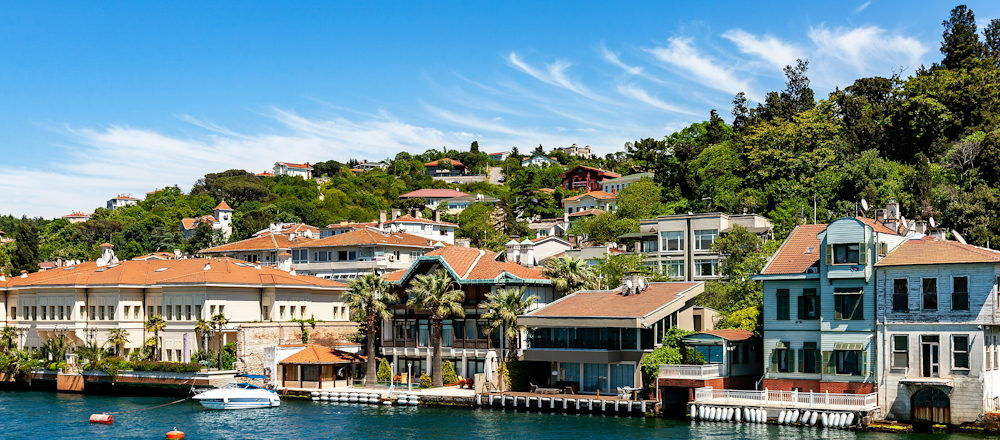
The city is split into 39 districts – 25 European and 14 Asian. From the relentless energy of the centre to sleepy Bosphorus villages, there is a corner for everyone, provided you know where to look.

Young professionals and singles who want to be close to their workplaces often head for the Beşiktaş district. Neighbourhoods like Arnavutköy, Ortaköy, and Levent are undeniably popular here, but rents can be high. Beyoğlu – specifically Cihangir and Galata – is another expat stronghold, loved for its antique dealers and street life, although you’ll need strong legs for the hills.

Şişli sits right in the middle of the action. It hosts the posh, label-loving crowds of Teşvikiye and Nişantaşı, as well as the suit-and-tie hubs of Esentepe and Gayrettepe. Crucially, the metro links here are some of the best in the city.

Across the Bosphorus, Kadıköy has shed its sleepy reputation. Moda is now the city’s hipster heartland, teeming with third-wave coffee roasters and students. For actual peace and quiet, look further down the coast to Suadiye or Fenerbahçe.

Families with deeper pockets often head north to Sarıyer. It’s a different world up here, dominated by gated communities and villas, particularly in Zekeriyaköy near the Black Sea coast. It’s pricey, but you might snag a reasonably priced apartment if you have patience.

See the Best (and Worst) Areas and Suburbs in Istanbul for more detailed information on the city’s different neighbourhoods.


Types of accommodation in Istanbul

Options range from the modern site (gated complexes with gyms and pools) to the classic apartman – older, standalone buildings that make up the bulk of the city’s housing. Standalone villas are rare unless you venture to the northern suburbs or pay a fortune on the Bosphorus.

Long-term rentals are typically unfurnished, and in Turkey, that means bare bones. Don’t be surprised to find missing light fixtures or no white goods, although newer builds often include an oven and hob. If you can’t face equipping a flat from zero, look for eşyalı (furnished) listings, but be prepared to pay extra for the convenience.

Short-term rentals have been hit hard by 2024 legislation requiring 100 percent neighbour consent for Airbnb-style hosting. New regulations requiring unanimous neighbour consent have decimated the supply of casual holiday lets. What remains is often expensive or legally grey. Save yourself the headache and book a serviced apartment or hotel for your initial weeks.


Finding accommodation in Istanbul

finding a house in Istanbul

Sahibinden and Hepsiemlak are the undisputed heavyweights of the property market. Move fast – good apartments vanish almost as soon as they hit the server. For a more informal route, Facebook groups like ‘Foreigners in Istanbul’ offer a steady stream of flatshares and direct from owner options.

You can rarely skip the estate agent (emlakçı). Most listings go through them, and they charge a standard commission of one month’s rent plus 20 percent VAT. While an added cost, a proactive agent often unlocks doors that remain closed to foreigners. Senior executives might prefer relocation companies, which handle the legwork and bypass the chaos of the open market.

Ignore distance; focus on time. A five-mile drive can be a breezy 20 minutes or a two-hour ordeal, depending on the route. Prioritise proximity to a metro station or ferry terminal above all else. A nearby Metrobus stop is also a huge asset.

Useful links


Renting accommodation in Istanbul

Making an application

The rental market moves quickly. You’ll likely need your passport and potentially a tax number (Vergi Numarası) – which you can get online – to sign a contract. Many landlords now also ask for a credit score report or proof of income. Since rental agreements are almost exclusively in Turkish, having a Turkish speaker with you is necessary to ensure you aren’t agreeing to unfavourable terms.

Leases, fees and deposits

Leases generally run for one year and roll over automatically. As of July 2024, the government abolished the 25 percent rent cap; increases are now pegged to the 12-month average of the Consumer Price Index (TÜFE). Tenants must secure a notarised rental contract to apply for residency – if a landlord hesitates on this, walk away.

Landlords usually ask for a deposit (depozito) of one or two months’ rent. While the law mandates this money sit in a time deposit account, most landlords still hold it personally.

Terminating the lease

Tenants hold the cards here: you can end a lease with just 15 days’ written notice before the renewal date. Landlords face a tougher battle and generally cannot evict a tenant unless they sell the property, move in themselves, or the tenant has stayed for 10 years.

Read Accommodation in Turkey to learn more about national rental processes.


Utilities in Istanbul

calculating your utility bill

Short-term lets usually bundle bills into the rent. For long-term leases, transferring utilities into your name is mandatory. The immigration office frequently demands a utility bill in the applicant’s name as proof of address for residence permits.

In modern complexes (site), central heating costs often appear on the monthly maintenance bill (aidat). Scrutinise the maintenance fee before signing anything. In high-end complexes with pools and 24/7 security, this monthly charge can add a stinging premium to your housing costs.

Electricity and gas

CK Boğaziçi serves the European side, while Enerjisa covers the Asian shore. You won’t get connected without a valid DASK (earthquake insurance) policy – it is non-negotiable. Be prepared for a wait at the service centre, and bring a Turkish speaker if you want to leave with the lights on.

Water

İSKİ manages the mains supply. While officially safe to drink, the mains water tastes heavily of chlorine. Locals almost never drink it, preferring to order 19-litre damacana bottles via apps for daily consumption.

Bins and recycling

Waste management falls to the local municipality (Belediye). While the government pushes its ‘Zero Waste’ (Sıfır Atık) initiative with colour-coded street bins, the city’s informal waste pickers still do most of the heavy lifting. You will see them working their way up and down the hills with massive carts, collecting paper and plastic long before the municipal trucks arrive.

In many apartment blocks, the doorman (kapıcı) collects rubbish from your doorstep each evening. They often handle grocery runs and small repairs, too. A tip or small gift during the holidays goes a long way, even if you don’t share a common language.

Useful links

Areas and suburbs in Istanbul

The best places to live in Istanbul

You will find plenty of suitable areas and suburbs in Istanbul with appealing accommodation options for expats. Many expats live in gated apartment complexes made up of several blocks, or they choose houses in suburban gated communities known as siteler.

When choosing where to hang your hat, you need to weigh up your proximity to work against the school run. Access to basic amenities is another key factor. Traffic in Istanbul can be thick, so living near a metro station or ferry port can save you hours of frustration.

Here is the lowdown on Istanbul’s most popular areas and suburbs for expats.


Central Istanbul

svetlana-gumerova--4gMnOvXxQ4-unsplash.jpg

Etiler, Ulus, Levent, Ortaköy

You can find these neighbourhoods in the Beşiktaş district on the European side, spread across the hills above the Bosphorus. Depending on the orientation of the property, you might score a home with incredible water views.

Shops and restaurants pack the central streets, so it is little wonder these neighbourhoods are a firm favourite with the international community. You have a wide choice of luxury housing here, from villas to apartments. Naturally, accommodation here commands a premium, so ensure your budget can stretch to meet it.

Nişantaşı, Teşvikiye, Esentepe, Gayrettepe and Mecidiyeköy

Nişantaşı and Teşvikiye sit in Şişli, a fashionable shopping district where you will find older apartment blocks, mostly without Bosphorus views. These spots usually attract the city’s elite and celebrities. By contrast, Esentepe and Gayrettepe are typical choices for business professionals and families. Gayrettepe is particularly convenient for frequent flyers as it hosts the starting point of the M11 airport metro line.

Students often live in Mecidiyeköy. While the area is chaotic and noisy, it is a major transport hub with connections to almost anywhere in the city.

Accommodation in Istanbul 
Working in Istanbul 
Schools in Istanbul


Bosphorus villages on the European side of Istanbul

hulki-okan-tabak-Iz1paBcExz0-unsplash.jpg

Bebek, Kuruçeşme, Arnavutköy, Rumelihisarı

These are the more central Bosphorus neighbourhoods. If you have your heart set on the waterfront, you are looking at apartment living. Be prepared for high rents, as you are paying for one of the most prestigious locations in the city. The coastal road here is famously congested, so getting in and out by car can be a challenge.

Emirgan, Yeniköy, Tarabya

Located in the Sarıyer district, Emirgan, Yeniköy, and Tarabya sit further north along the Bosphorus shore but are no less exclusive. You will find large waterfront villas, pretty tree-lined streets, and a distinct resort town vibe. Most waterfront housing is owner-occupied. If a rental does pop up, prepare for a price tag that makes your eyes water. That said, you can find several housing complexes in the hills above the coastal road with panoramic views of the Bosphorus minus the waterline premium.


Suburbs on the European side of Istanbul

anna-0n0AHB1fgTQ-unsplash.jpg

Kemerburgaz and Göktürk

Kemerburgaz lies northwest of the centre. While it used to be a car-dependent commute, the M11 metro line now connects Kemerburgaz and neighbouring Göktürk to the business district of Gayrettepe in under 20 minutes. The area feels modern yet remains lush with foliage. You will find decent hospitals, supermarkets and shops right on your doorstep.

Many housing complexes and gated communities populate these suburbs. You might find this location ideal if you want to escape the city smog but need to stay within striking distance of the office.

Alkent 2000

Alkent 2000 is a sprawling, prestigious gated community roughly an hour’s drive west of the city centre. The estate boasts sporting facilities, supermarkets, and nearby malls. Although the commute to the centre is long, you are close to renowned private and international schools. It is a popular choice if you have school-going children, but otherwise, the distance from the city centre can feel isolating if you are used to an urban lifestyle.

Zekeriyaköy

Zekeriyaköy sits further north, bordering the Belgrad Forest and near the shores of the Black Sea. You can find large villas with gardens and pools here, often at a better value than in the city. The trade-off is distance; you are quite far from the action. While you have basic amenities locally, you will rely on the Hacıosman metro station (a short drive or bus ride away) or your car to reach the city centre.

Best Hospitals in Istanbul 
Best International Schools in Istanbul


Suburbs on the Asian side of Istanbul

umut-yilman-gNvFFjNDYZY-unsplash.jpg

Most expats live on the European side, but a thriving international community calls the Asian side home. You will find many apartments and complexes here, often set among more greenery and with a relaxed pace of life that the European side struggles to match.

Crossing the continents is part of daily life. You can hop on a scenic ferry or zoom under the Bosphorus on the Marmaray train. If you choose to brave the bridges by car, be warned: traffic is often hectic.

Central Kadıköy

Central Kadıköy is a lively, cosmopolitan hub and the beating heart of the Asian side. It is also the terminus for the M4 metro line and home to the famous Moda tram loop. Since the area sits on the Sea of Marmara, you can find sea-facing apartments at various price points. Despite the activity, many residents feel Kadıköy retains a neighbourhood soul that is harder to find in the European business districts.

Üsküdar

Üsküdar is an ancient district steeped in history. It is exceptionally well connected, with the Marmaray train taking you to the European side in mere minutes. While the centre is conservative with limited nightlife, the charming neighbourhood of Kuzguncuk offers a trendier, village-like atmosphere popular with artists and expats.

Healthcare in Istanbul

You will find the standard of private medical care in Istanbul rivals that of Europe and the US – often at a fraction of the cost. While public healthcare has made great strides in recent years, it still lags behind the private sector in terms of comfort and English-speaking staff.

With private facilities outnumbering public hospitals, the private route is the default for most international residents. Naturally, securing comprehensive health insurance should be near the top of your pre-arrival checklist.

Appointment schedules are generally respected, so you won’t be left languishing in a waiting room. This efficiency extends to emergency care; if you need immediate assistance, dial 112, the consolidated number for all emergency services. While public ambulances are reliable, check if your insurance covers private emergency transport for a quicker transfer.

You can spot a pharmacy (eczane) by its glowing red ‘E’ sign. While they generally close at 7pm and on Sundays, every neighbourhood has a designated ‘duty pharmacy’ (nöbetçi eczane) that remains open on a rotational basis. Note that Turkish regulations are strict; you cannot buy antibiotics without a doctor’s prescription.

Below is a list of some of the most prominent hospitals in Istanbul.


Hospitals in Istanbul

healthcare professionals

Acıbadem Maslak Hospital

Website: www.acibadem.com.tr 
Address: Büyükdere Cd. No:40, 34457 Sarıyer

Avicenna International Hospital

Website: www.avicennaint.com 
Address: Küçükbakkalköy, Kayışdağı Cd. No:47, 34750 Ataşehir

Hisar Intercontinental Hospital

Website: www.hisarhospital.com 
Address: Saray, Site Yolu Cd No: 7, 34768 Ümraniye

Liv Hospital

Website: www.livhospital.com 
Address: Ulus Ahmet Adnan Saygun Cd, Canan Sk., 34340 Beşiktaş

Memorial Bahçelievler Hospital

Website: www.memorialhospitalsgroup.com 
Address: Adnan Kahveci Blv. No: 227, 34180 Bahçelievler

Memorial Şişli Hastanesi

Website: www.memorialhospitalsgroup.com 
Address: Piyalepaşa Blv., 34385 Şişli

Education and Schools in Istanbul

When looking into education and schools in Istanbul, you will find that while expat parents are entitled to send their children to public schools for free, they will likely look for an international alternative. This choice is usually pragmatic; the state sector often struggles with overcrowding, and the strict Turkish-only curriculum makes it difficult for non-native speakers to adapt.


Public schools in Istanbul

pile of books and chalkboard

Education in Turkey is compulsory and free for all children from primary through to secondary school, but quality varies wildly across the country. Istanbul’s public schools frequently burst at the seams; in the most congested districts, you might find fifty or sixty students packed into a single classroom.

Another problem expats face is the fact that Turkish is the exclusive medium of instruction, a policy that can leave older children floundering if they lack fluency. While the Ministry has launched integration initiatives, such as the Turkish Teaching Programme for Foreigners (YTÖP), full immersion remains a sink-or-swim reality for many. Most expat parents, therefore, decide that the private or international route is the only viable option.

See Education and Schools in Turkey for more on the national education system.

Useful links


Private schools in Istanbul

Private Turkish schools, known locally as kolej, occupy a distinct niche between the state system and international powerhouses. Adhering to the national curriculum, these establishments generally outshine their public counterparts with superior facilities and far more rigorous English instruction.

Many wealthy local families favour these institutions, so you should expect competition for places. Although the primary language of instruction is still Turkish, prestigious private colleges often run bilingual programmes. This dual focus offers a pragmatic compromise if you envision a long-term future in Turkey and want your children to integrate fully into local society.


International schools in Istanbul

geography students working together

International schools in Istanbul cater for a diverse community and offer various global curricula, including the International Baccalaureate (IB), British, and American systems. These schools typically give Turkish language lessons and have field trips and cultural activities to help your children integrate into local society.

Fees at these institutions are notoriously high. Parents should also budget for significant additional expenses, such as uniforms, textbooks, extracurricular activities, and bus services. If you are relocating as part of a corporate package, it is worth negotiating for a schooling allowance before you arrive.

Enrolment space at international schools can be limited, so expat parents need to apply early, particularly for primary school grades. Most institutions publish admission requirements online, so you can start the process from abroad. Prioritising this step is essential when organising your relocation.

Read International Schools in Istanbul for more information on the top schools in the city.


Special educational needs in Istanbul

Government policy dictates that children with special needs should attend standard classes alongside their peers whenever possible. In practice, however, public resources are often stretched way too thin.

Some international schools in Istanbul provide support for special educational needs (SEN). Some schools only accommodate mild learning differences, but others maintain dedicated departments for children with really challenging educational needs. Contact individual schools directly to discuss your child’s specific profile before applying.

For those entering the local system, Guidance and Research Centres (Rehberlik ve Araştırma Merkezleri or RAM) evaluate a student’s physical, developmental, and academic capabilities to recommend appropriate schooling. Prominent dedicated facilities in the city include the HAYPADER Special Education Practice School and the Gülseren Özdemir Special Education Application School, which is the largest of its kind in the country.

Useful links


Tutors in Istanbul

find a tutor in Istanbul online

Intense competition for elite high school and university placements drives a massive private tutoring industry in Istanbul. Supplemental instruction is the norm rather than the exception for local students, so you will find no shortage of options.

The most exclusive route is one-to-one tuition, typically provided by university students or retired teachers. Rates for experienced tutors who guarantee results can be substantial. Alternatively, some schools organise after-hours support programmes, often run by volunteer teachers.

The most common form of local support is the private tuition centre. Formerly known as dershaneler, these institutions now largely operate as ‘Special Instruction Courses’ (‘Özel Öğretim Kursları’). These centres function similarly to private schools; they provide professional instruction and use regular testing to stream students by ability. While they focus heavily on Turkish national exams, some larger centres also offer preparation for international standardised tests.

Useful links

International Schools in Istanbul

Finding the right fit among the international schools in Istanbul is likely at the top of the to-do list for expat parents moving to Turkey with children. These private institutions generally offer curricula from the UK, the US, or Canada, or the International Baccalaureate (IB). Classes are taught primarily in English, which grants expat children the chance to learn in a familiar environment.

This continuity eases the transition into life in Turkey. It is particularly valuable if you are only in the country for a short stint. You will find that while the Turkish state school system is an option, the language barrier and curriculum differences often make international schools the most practical choice for globally mobile families. Note that under Ministry of National Education (MEB) regulations, enrolment at these specific institutions is often strictly limited to holders of non-Turkish passports.

Be prepared for the fact that tuition fees at international schools in Istanbul are substantial. Ensure that your budget can stretch to cover not just the base fees, but also significant extras. It is common to pay additional levies for capital projects, textbooks, uniforms, and school lunches. These fees are often pegged to hard currency to hedge against local inflation.

Crucially, expat parents must factor in the cost of the servis (school bus). Given Istanbul’s legendary traffic, this is less a convenience and more a logistical necessity. Despite the steep costs, most parents feel that the high standard of teaching and the transferability of the curriculum make the investment worthwhile.

When choosing a school, geography should be your primary filter. Commuting from the Asian side to a school on the European side during peak hours can easily turn into a two-hour ordeal each way. Secure a school placement before finalising your housing to avoid spending hours in gridlock every day.

To assist with the search, here is a list of some of the most prominent international schools in Istanbul.


International schools in Istanbul

international students in a classroom

British International School (BIS)

BIS caters to a community of around 750 students and offers a modified English National Curriculum paired with the IGCSE and the International Baccalaureate Diploma Programme. The student body represents over 55 nationalities. To accommodate different age groups and locations, the school operates two campuses: the City Campus in Etiler for younger children and the larger Forest Campus in Zekeriyaköy, which serves all ages. The average class size of 12 ensures your child receives individualised attention.

Gender: Co-educational 
Curriculum: British (English National Curriculum and Cambridge IGCSE) and International Baccalaureate 
Ages: 2.5 to 18 
Website: www.bis.k12.tr

Istanbul International Community School (IICS)

Established in 1911, IICS holds the distinction of being one of the oldest international schools in the region. It is authorised to offer the full International Baccalaureate continuum (PYP, MYP, and DP). The administration maintains a purely international demographic by strictly limiting enrolment to holders of non-Turkish passports. Families can choose between the historic Hisar Campus near the Bosphorus (Early Years to Grade 3) and the purpose-built Marmara Campus on the outskirts of the city (Early Years to Grade 12).

Gender: Co-educational 
Curriculum: International Baccalaureate (PYP, MYP, and DP) 
Ages: 3 to 18 
Website: www.iics.k12.tr

Istanbul International School (IIS)

Located in the leafy district of Çamlıca on the Asian side, IIS is a strong contender if you live east of the Bosphorus. The school prides itself on a close-knit, multicultural community that serves as a gentle alternative to the city’s larger institutions. It follows the Cambridge International curriculum from Primary through to A Levels. This student-centred approach ensures your child is well prepared for university, whether in Turkey or abroad.

Gender: Co-educational 
Curriculum: British (English National Curriculum, Cambridge IGCSE, and A Levels) 
Ages: 4 to 18 
Website: www.istanbulint.com

Keystone International School (KIS)

With a boutique student body of around 250, Keystone offers an intimate environment. It distinguishes itself as a Canadian offshore school and strictly follows the curriculum of Prince Edward Island (PEI). The school operates primarily on the Asian side (Üsküdar and Dragos), which makes it a key option for families in those neighbourhoods. Their ‘head, heart, and hands’ philosophy aims to nurture self-disciplined, independent global citizens.

Gender: Co-educational 
Curriculum: Canadian (Prince Edward Island) 
Ages: 3 to 18 
Website: www.keystoneschools.com.tr

Lifestyle in Istanbul

The lifestyle in Istanbul exposes expats to a daily routine of organised chaos. The city moves with a distinct intensity, and most new arrivals eventually find the sheer scale of the urban sprawl charming. Life here is culturally dense.

You might spend weekends in Ottoman museums or wandering through the Grand Bazaar. Going to the Turkish baths is a distinct way to decompress. Just be prepared to get stuck in traffic on your way to a third-wave coffee shop in a hipster neighbourhood.


Shopping in Istanbul

Lamp Shop in the Old Bazaar of Istanbul by R M on Unsplash

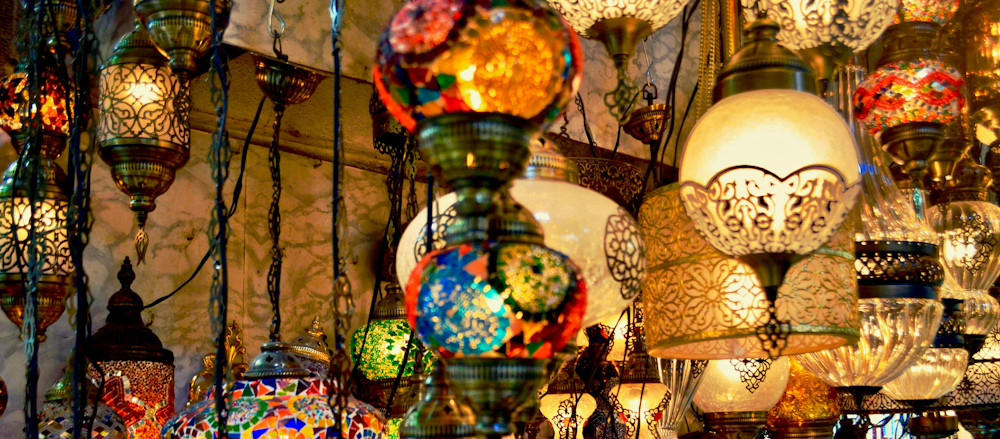
The options for shopping in Istanbul are extensive. You can browse slick, modern retail districts just as easily as you can get lost in dusty antique quarters.

The Grand Bazaar is the obvious, if overwhelming, place to start, and you have to see it at least once. For food, the Egyptian Market (Spice Bazaar) is more focused. Readers should head next door to the historic Sahaflar Çarşısı (Second-hand Book Bazaar).

For modern retail, the city has extensive malls. Istinye Park and Zorlu Centre are expat favourites, largely for their luxury brands and open-air sections. High-end jewellery and carpet dealers cluster on Nuruosmaniye Caddesi. For antiques, head to Çukurcuma Caddesi. If you have a higher budget, Abdi İpekçi Caddesi in Nişantaşı hosts the flagship stores of major international designers.

Cost of Living in Istanbul


Eating out in Istanbul

Big Turkish Breakfast in Istanbul by Elif Nur on Unsplash

Eating out in Istanbul pulls many expats to the city. The cuisine carries heavy influences from the Mediterranean, the Middle East, Central Asia, and the Balkans. Dining is a social sport here. You will see large groups sharing meals that last for hours.

Local lokantas (tradespeople’s restaurants) have home-cooked food, and places that do not serve alcohol are often cheaper. You will pay a premium in tourist hubs like Sultanahmet compared to residential neighbourhoods.

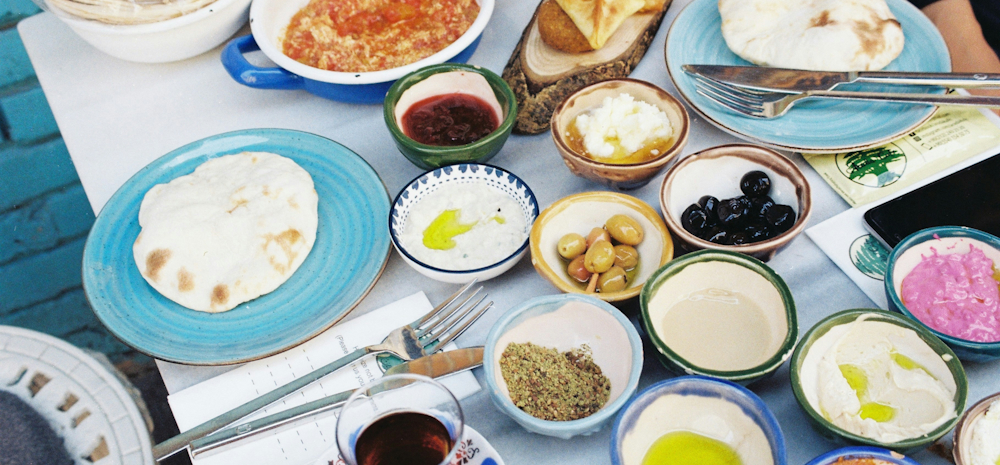
Breakfast is a serious institution in Turkey. A traditional spread involves fresh bread, cheeses, olives, eggs, and honey. Coffee lovers should try the potent local brew. For dinner, the meyhane (tavern) culture dominates; you sit for a long evening eating meze (small plates) and drinking rakı (anise-flavoured spirit). Other staples include pide (flatbread), kebabs, and baklava.


Nightlife in Istanbul

The nightlife in Istanbul matches the city’s intensity. The Bosphorus coastline has high-end, open-air clubs like Sortie and Ruby, famous for their summer terraces. For cocktails and street crowds, head to Arnavutköy, where patrons often spill out onto the pavement. If you prefer a grittier atmosphere, cross to Kadıköy on the Asian side. You might find a traditional belly dancer at one venue and a techno DJ next door.


Arts and culture in Istanbul

Expats can easily access arts and culture in Istanbul. The city hosts a full calendar of opera and ballet. The annual Istanbul Music Festival is a highlight, often hosting concerts inside the Hagia Irene, a Byzantine church with remarkable acoustics.

International acts stop here often, and the city maintains a solid jazz scene. Nardis Jazz Club near Galata Tower is a local institution. Local culture remains prominent, including Turkish pop concerts and traditional whirling dervish ceremonies.

Cinemas are common in malls. Hollywood blockbusters usually arrive simultaneously with the US release. Foreign films are typically shown in their original language with Turkish subtitles, although children’s movies are often dubbed.


Sports and outdoor activities in Istanbul

Emirgan Park in Istanbul by Rento Transfer on Unsplash

Football is an obsession here, but there are other sports and outdoor activities in Istanbul. There's an intense rivalry between the ‘Big Three’ – Beşiktaş, Fenerbahçe, and Galatasaray – and if you enjoy live sports, catching a football game here is as electrifying as it is deafening.

You will find modern gyms and tennis courts across the city. If you want fresh air, the Belgrad Forest has miles of running trails away from the concrete. Cyclists head to the Caddebostan coastline on the Asian side for its seaside paths, or take the ferry to the Princes’ Islands for a car-free ride. Leisure spots like the Kemer Country Club provide golf, horse riding, and social facilities for the expat community.


Where to meet people and make friends in Istanbul

Finding where to meet people and make friends in Istanbul can be daunting, but the city is socially warm. Joining a club or a volunteer group is an effective way for new arrivals to integrate.

The International Women of Istanbul (IWI) is a major resource for women living in and around the city, offering charitable volunteer events and business networking. Parents looking to help their teens assimilate might look into Istanbul&I, a non-profit focused on community impact and youth volunteering. It currently hosts more than 2,000 volunteers from over 40 nationalities.

If you love the stage, Speech Bubbles is an active community. It started as an English through drama group and now stages full musical productions for charity. Runners can join Istanbul Expat Runners, which organises weekly trail runs in the Belgrad Forest and encourages members to find running partners locally.

Useful links

Weekend Breaks in Istanbul

The city’s rhythm tends to swallow up your first few months. Eventually, though, the novelty wears off. Once you settle into ‘real life’, you might find yourself needing a weekend break in Istanbul.

Here are several options for weekend adventures out of Istanbul, most of which require only a few hours on the road.


Edirne

Edirne makes for an easy day trip, located just two and a half hours west near the Greek and Bulgarian borders. This former Ottoman capital is home to the Selimiye Mosque, Mimar Sinan’s architectural masterpiece. The easiest and cheapest way to reach Edirne from Istanbul is to take a bus. Foodies should hunt down the city’s famous pan-fried liver (tava ciğer) before heading home.

Gallipoli and Troy

The Gallipoli peninsula juts out from the Thracian mainland between the Gulf of Saros and the Dardanelles, about four hours southwest of Istanbul. Although the 1915 Çanakkale Bridge has simplified the drive, many expats still opt for coach tours to save energy. Crowds gather on Anzac Day to visit the World War I battlefields. Just across the water is Troy, a UNESCO site that recently added the award-winning Troy Museum to its attractions.

Polonezköy

Historically known as Adampol, Polonezköy is a forested hideout in the Beykoz district on the Asian side. Istanbulites flock here during the humid summer months to cool off under the trees. Village restaurants serve massive Turkish breakfasts alongside traditional Polish meals, although you can also find guesthouses if you want to stay overnight.

Sapanca Lake

Sapanca Lake (Sapanca Gölü) is located to the east and draws crowds looking for a quick nature fix. It is only a couple of hours from the Asian side, so families often head here for fresh air and lakeside breakfasts. Driving offers the most flexibility, but you can also catch the High Speed Train (YHT) to the nearby Arifiye station. While doable as a day trip, the area’s many wellness hotels are worth a full weekend.

Skiing in Kartepe

Kartepe is the closest ski slope to Istanbul – just a two-hour drive away. It works for a quick snow fix, but serious skiers might find the small resort and limited lifts underwhelming compared to European standards. The road up the mountain also frequently gridlocks on winter weekends. For better runs, try Uludağ further east, although you will likely need a two- or three-day trip to make the journey worth it.

Bursa and Iznik

Bursa is about 12.5 miles (20km) inland from the Sea of Marmara. The Osman Gazi Bridge has slashed driving times, yet many travellers still prefer the relaxing fast ferry (IDO or BUDO) crossing. This former Ottoman capital is famous for the Grand Mosque and the historic silk market. Nearby Iznik, on the eastern shore of its namesake lake, produced the empire’s celebrated glazed tiles. There is enough to see in this region to fill a solid two- or three-day itinerary.

The Princes’ Islands (Adaları)

The Princes’ Islands are a chain of nine islands in the Sea of Marmara, just a short ferry ride from the mainland. Private fuel-based vehicles are banned here, so the streets are surprisingly quiet. Electric buses and taxis recently replaced the traditional horse-drawn carriages, but cycling is still the best way to explore the pine forests and old villas.

Kids and Family in Istanbul

You’ll notice immediately that kids in Istanbul are adored by the locals. If you’re moving here with little ones, the city doesn’t disappoint: you have access to everything from interactive technology centres to ancient historical sites. Between the various parks, coastal resorts, and nearby islands, your weekends will fill up quickly.

That said, the city isn’t without its headaches. Istanbul can be tough on parents with toddlers. Narrow streets and gridlocked traffic are standard, and many pavements lack ramps. Pushing a pram through the crowds is often a workout in itself, although the municipality is slowly upgrading the streets to make them more accessible.


Entertainment for kids in Istanbul

You won’t struggle to find entertainment for your kids in Istanbul, whether you want intense rides or just some fresh air away from the concrete.

Isfanbul Theme Park (formerly VIALAND)

Isfanbul Theme Park in Eyüp is a firm favourite for family outings. The amusement park pairs enchanted castles for toddlers with serious rollercoasters for teenagers. Parents can walk down ‘Once Upon a Time in Istanbul’, a retro street that recreates the city’s 80s and 90s atmosphere – an ideal spot for a Turkish coffee while the kids run riot.

Ferry trip to the Princes’ Islands

A ferry trip to the Princes’ Islands puts plenty of distance between you and the city noise. Sitting in the Sea of Marmara near the Asian side, these islands enforce a strict ban on fuel-powered cars, leaving the streets safe and open. Electric buses replaced the traditional horse-drawn carriages in 2020, but you can still hire a bicycle or just walk to explore the pine forests and Victorian-era architecture.


Kid-friendly museums in Istanbul

Culture isn’t just for adults here; there are plenty of kid-friendly museums in Istanbul that manage to entertain younger minds without boring the parents.

The Istanbul Toy Museum

The Istanbul Toy Museum sits in a wooden mansion in the Göztepe neighbourhood on the Asian side. Founded by the poet Sunay Akın, this collection packs in over 4,000 antique toys from around the globe. It appeals to the parents’ sense of nostalgia as much as the children’s curiosity.

Miniatürk

Miniatürk lets you tour the whole country in an afternoon through its open-air collection of scale models. It sits on the northeastern shore of the Golden Horn and stays open around the year. Beyond the miniature historic structures, the park features a life-sized chessboard and a labyrinth. There is also a playground, which helps when the children need to burn off energy after the history lesson.

Rahmi M Koç Museum

Dedicated to the history of transport and industry, the Rahmi M Koç Museum is situated on the banks of the Golden Horn. It encourages hands-on interaction; children can climb into vintage cars or sit in an aeroplane cockpit. The museum also runs real-life scientific experiments, so you can sneak some education into your day out.

Istanbul Modern

Istanbul Modern, housed in a distinctive Renzo Piano-designed building on the Karaköy waterfront, displays a massive collection of contemporary art. While galleries can sometimes drag for younger visitors, this one features interactive areas and workshops for various age groups. They can learn about artistic concepts through play while parents admire the permanent collections.

See and Do in Istanbul

Turkey’s largest city feels less like a city and more like a time capsule cracked open, and there is an endless array of things to see and do in Istanbul. Finding your bearings here is half the fun, and expats can spend weekends soaking up the local atmosphere and getting to grips with their new home.

The city is packed with landmarks, but many of the heavy hitters – like the Blue Mosque and Topkapı Palace – cluster in the Sultanahmet district. You can easily walk between them. A tip for the history buffs: consider a Museum Pass to skip the ticket queues, but be warned, it doesn’t cover every single site.


Attractions in Istanbul

Istanbul Cityscape by Hussein A.Kamal on Unsplash

Blue Mosque (Sultan Ahmet Camii)

The Blue Mosque defines the city’s silhouette. It is still a functioning place of worship and a masterclass in Ottoman architecture. You’ll need to visit outside prayer times, but keep the dress code in mind. Women need headscarves, and everyone leaves their shoes at the door.

Topkapı Palace Museum

The Topkapı Palace Museum looks out over the Bosphorus Strait and the Golden Horn. It was the seat of the Ottoman Empire for nearly four centuries. At its peak, it housed around 4,000 people. You should tour the royal apartments, but check if your ticket includes the Harem section. It is often a separate add-on. These rooms reveal the empire’s former opulence.

Hagia Sophia

The Hagia Sophia’s sheer scale makes it the city’s architectural anchor. Built as a cathedral in the 6th century, it was Christendom’s most important church for 900 years until Mehmet II conquered the city in 1453. After a stint as a museum, it became a mosque again in 2020. You can still visit the upper galleries as a tourist (for a fee), while the ground floor is reserved for worship.

Grand Bazaar (Kapalı Çarşı)

The Grand Bazaar holds the title of the world’s oldest and largest covered market. It is a maze of roughly 60 streets packed with over 4,000 shops, teahouses, hamams (Turkish baths), storehouses, mosques and fountains. Crucially for anyone planning a weekend trip, the bazaar is closed on Sundays.

Museum of Turkish and Islamic Arts

Grand Vizier Ibrahim Pasha’s 16th-century palace houses this museum, directly facing the Hippodrome. Inside, you can view 40,000 examples of Seljuk, Mamluk, and Ottoman art. The antique carpet and kilim collection is particularly extensive.

Sunken Palace (Basilica Cistern)

Emperor Justinian I built this subterranean cavern in 532 CE, using 336 marble columns to hold up the ceiling. You might know it from the James Bond film From Russia with Love. Following a recent restoration, you can walk the raised platforms above the carp-filled waters to see the famous Medusa head bases.

Galata Tower

You get a 360-degree panorama of the historic peninsula from the 220-foot (67m) Galata Tower, erected in the 14th century as part of the Genoese fortifications. Museum exhibits have replaced the top-floor restaurant, but lively cafés line the square at the tower’s base.

Dolmabahçe Palace

The Dolmabahçe Palace was the empire’s main administrative centre in its final century. It ranks among the most opulent palaces in the world, with Baccarat crystal and gold leaf covering the interiors. It now operates as a museum where you can tour the ceremonial halls and the harem quarters.

Getting Around in Istanbul

Getting around Istanbul requires a strategic choice between the often gridlocked highways and the city’s impressive rail and sea network. Many expats living in Istanbul’s outlying suburbs do have cars, but if you reside centrally, public transport is usually the faster and cheaper option.


Public transport in Istanbul

Public transport in Istanbul consists of a transit web that includes buses, metros, trams, funiculars, and ferries. Frequent travellers need an Istanbulkart, an RFID smart card available at kiosks and major stops. Alternatively, you can download the Istanbul Senin super app to pay via QR code and access the city’s free IBB WiFi network on the go.

Tram in Istanbul by Dimitris Asproloupos on Unsplash

Trams

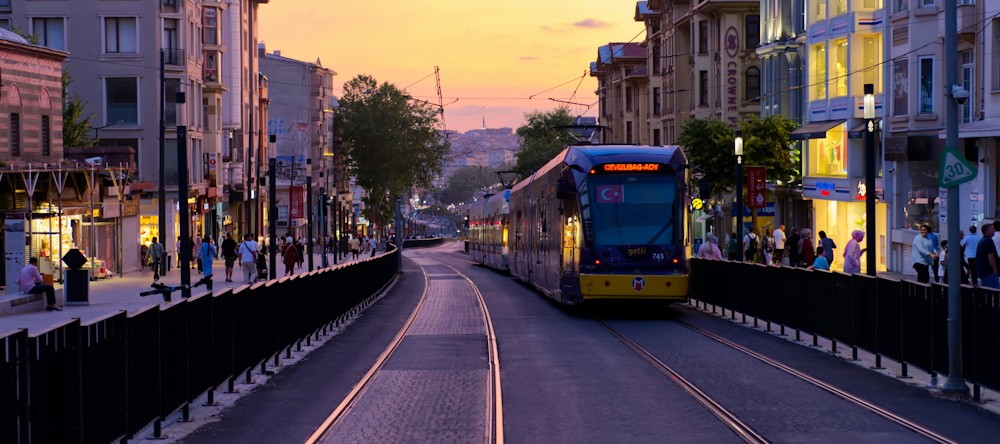
Trams in Istanbul act as connectors, and the T1 line is the city’s main artery. It threads through Sultanahmet and across the Galata Bridge. There are some newer additions, such as the T5 along the Golden Horn and the T6 coastal line. While the modern fleet is fully accessible, the nostalgic red trams (T2 on Istiklal, T3 in Kadıköy) are heritage rides best suited for a leisurely pace.

Buses

Buses in Istanbul are the workhorses of the transit system, and they cover every corner of the metropolis. Fares are cheap and service is reliable, although you should expect heavy crowding during peak hours. The Istanbul Metropolitan Municipality (IMM) now provides free WiFi on thousands of buses via the ‘Istanbul Senin’ app. Central routes are frequent, but bus service gets more spotty in the outer suburbs.

Gridlock is the bus network’s Achilles’ heel, often bringing standard lines to a standstill. The Metrobus system is the exception. These rapid transit vehicles run 24/7in dedicated lanes. They speed past the jammed E-5 highway to connect the European and Asian sides.

Metro

The metro in Istanbul has grown rapidly, now spanning 11 lines and over 150 stations. The M11 line connects Gayrettepe to Istanbul Airport (IST), while the M4 runs all the way to Sabiha Gökçen (SAW) on the Asian side. On Friday and Saturday nights, major lines operate 24 hours. The Marmaray commuter rail is distinct, plunging under the Bosphorus to link the continents in just four minutes.

Dolmuş

The dolmuş in Istanbul is a yellow shared taxi that runs on fixed routes and departs only when every seat is taken (dolmuş translates to ‘stuffed’). They fill the niche between a private cab and a public bus. You flag them down from the kerb and pay in cash. Money is handed from passenger to passenger from the back of the bus until it reaches the driver.

Ferries

Regular ferry services in Istanbul offer a relaxing and scenic way to cross the Bosphorus. You can pay using your Istanbulkart, just like on the metro or bus. While not as frequent as land-based transport, ferries are an iconic part of Istanbul life. Services range from the charming, traditional Vapurlar (steamboats) to the faster Deniz Otobüsleri (sea buses/catamarans).

Useful links


Taxis in Istanbul

Taxi in Istanbul by Wina Tristiana on Unsplash

Taxis in Istanbul are predominantly yellow (C type), metered, and reasonably priced. For a more comfortable ride, you can opt for the slightly more expensive turquoise (D type) or luxury black (E type) taxis. While affordable, costs can accumulate for daily commuters, and language barriers are common as few drivers speak fluent English. Carrying your destination address written in Turkish is always a good strategy.

Scams, such as taking long routes or overcharging, can happen. Using ride-hailing apps like BiTaksi or Uber is the best way to avoid this. Note that in Turkey, Uber primarily acts as a gateway to hail standard yellow or turquoise taxis rather than private vehicles. These apps are indispensable for handling payment via credit card and overcoming language barriers by setting destinations in advance.

Water taxi

The municipality operates a 24/7 water taxi in Istanbul. You can book these via the ‘İBB Deniz Taksi’ app. Fares are fixed based on distance rather than the number of passengers, making this a premium but efficient option for skipping bridge traffic.

Useful links


Driving in Istanbul

While the network of highways is extensive, driving in Istanbul involves narrow, steep, and often congested streets. To use the motorways and bridges, cars must be equipped with an HGS (Fast Transit Pass) system for automatic toll payment. Local driving habits can be aggressive, so new arrivals should remain alert and defensive behind the wheel.

Istanbul consistently ranks among the most congested cities in the world. Traffic is dense, yet fairly regulated in central areas. Parking is generally manageable, and you can access municipal ISPARK lots and garages throughout the city.

Driver’s licences

You can use your foreign driver’s licence in Istanbul for up to six months. If you stay longer, you must convert your licence to a Turkish one. To drive legally during those first six months, it is highly recommended to carry a notarised Turkish translation of your licence alongside the original document, especially if your licence is not in the Latin alphabet.

Transport and Driving in Turkey


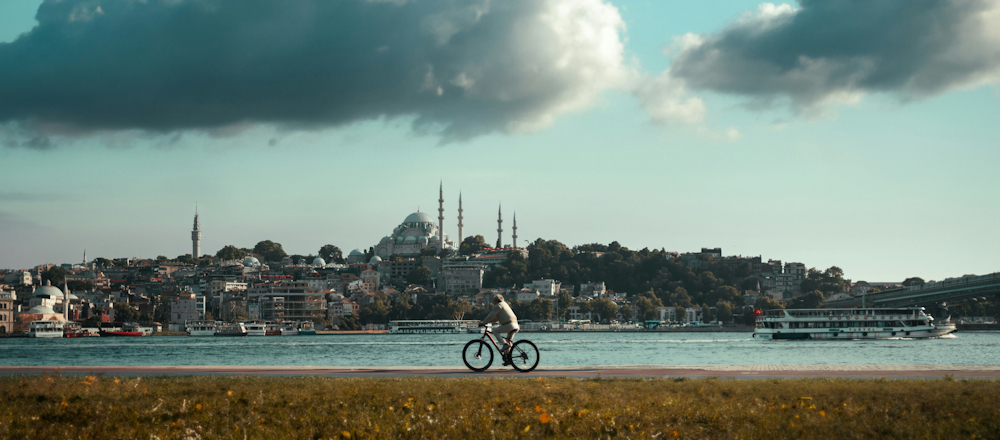
Cycling in Istanbul

Cyclist in Istanbul by Diyar Shahbaz on Unsplash

Cycling in Istanbul is growing in popularity, although the city’s hilly topography and heavy traffic can make it challenging for commuters. The municipality operates the Isbike smart bicycle sharing system, with docking stations located mostly along the coastline and in parks. You can rent these using a credit card via the Isbike mobile app or at station kiosks.

There are dedicated cycle paths alongside the seaside promenades, particularly the Caddebostan coast on the Asian side and Kennedy Avenue on the European side. Bicycles are also permitted on ferries and the metro (outside peak hours). Using a bike for daily commuting inland is less common due to the steep inclines and the lack of separated lanes.

Useful links


Walking in Istanbul

Walking in Istanbul is often the best way to sightsee in historic districts like Sultanahmet, Beyoğlu, and the trendy Moda neighbourhood in Kadıköy. Many key sights are clustered close together, and pedestrianised zones – such as Istiklal Avenue and the squares surrounding the Blue Mosque – make walking pleasant.

Be prepared for physical exertion. The city is built on seven hills, and there are a lot of steep cobblestone streets and staircases.