
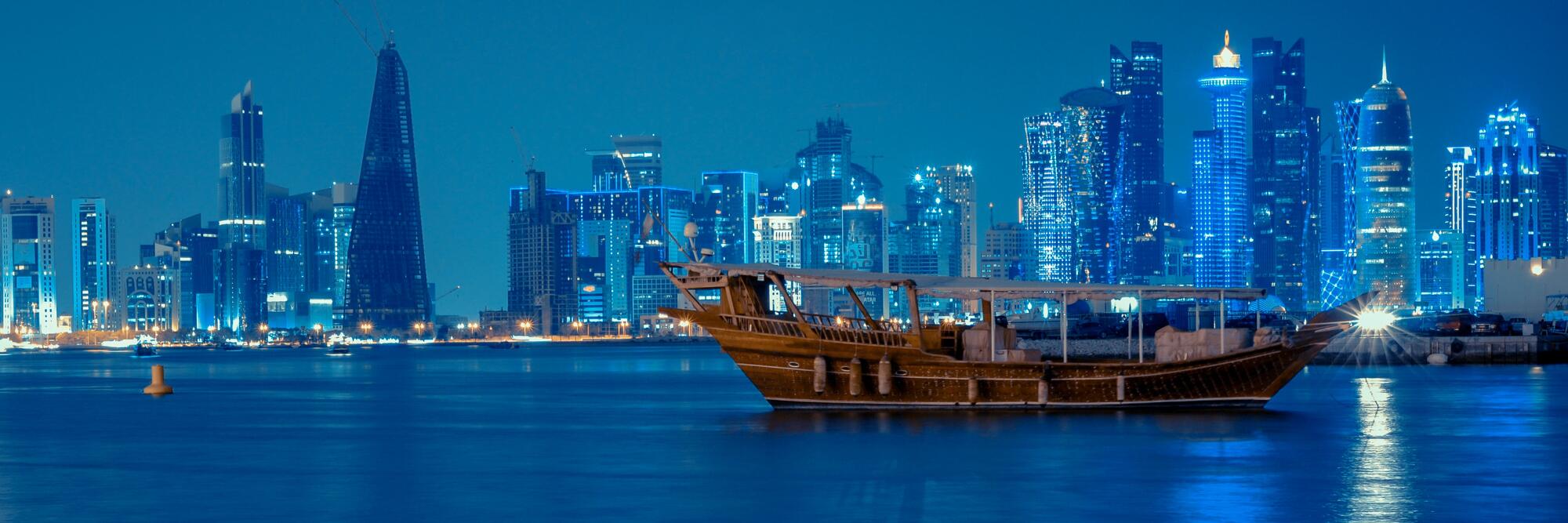
Official sources and on-the-ground experiences tell different stories about the cost of living in Qatar. Doha is generally more affordable than Dubai, although the gap with Riyadh has narrowed in recent years. Housing and education are the biggest expenses.
Qatar’s wealth is on par with other Gulf regional power players, and the country boasts one of the highest GDPs per capita in the world, which may create the impression that all residents enjoy a high standard of living. In reality, there is a wealth gap, with Qatari citizens occupying the highest echelons of society, followed by wealthier expats, middle-management professionals, and unskilled workers.
Lucrative employment packages are a major draw for many expats, although salaries in Qatar are not as generous as they once were, while goods and services have become more expensive. Reports of pay cuts, particularly for expats working in government roles, have also raised concerns.
These factors may give some expats pause, but there are opportunities to earn well and save – particularly for those with strong qualifications in high-demand industries.
Cost of accommodation in Qatar
The cost of accommodation in Qatar depends on property type and location – and can be steep for expat standard housing. Prices hinge on whether a place is furnished or unfurnished, although there’s room to negotiate.
Most expats settle in Doha and choose neighbourhoods based on availability and proximity to work or their children’s school. Prime areas like West Bay and The Pearl command higher rents than suburban districts.
Some expats have accommodation provided for them, while in other cases, salaries may include a housing allowance that is either paid in monthly instalments or as one lump sum. Expats responsible for arranging their own accommodation may be expected to pay rent quarterly or annually in advance; in that case, they should ask their employer for support.
Utilities are reasonably priced, but extra accommodation costs can add up. Some apartments have maintenance fees, so when budgeting, expats should determine whether the tenant or the landlord is responsible for paying those.
Renting Accommodation in Qatar
Cost of transport in Qatar
The cost of transport in Qatar starts with fuel, which is cheap, and that partly explains the car culture here. The Doha Metro has changed the picture, though. Its Red, Green, and Gold lines now cover most key areas of the city, and fares are low.
Hiring a driver, buying, or renting a car are all viable options. A driver takes the hassle out of traffic, although you sacrifice some independence. For expats whose journeys are limited to the office and the supermarket, a driver can be surprisingly economical. There are plenty of car hire companies in Qatar, many of which offer better rates for longer lease periods. Ride-hailing apps like Uber are widely used and offer a flexible alternative to car ownership.
Buying a new car is not a problem, but the high turnover rate of expats means that there are superb deals on used vehicles too. When deciding on a car, keep in mind that most European and American car parts are more expensive and harder to source than those from Asian brands.
Free parking in Qatar is available in certain public places and shopping centres, but parking and speeding violations come with hefty fines.
Qatar is not the cheapest travel destination. Most employment packages offer expats a travel allowance or annual flights to their home country, but getting there can be expensive, especially during the summer and at year end.
Transport and Driving in Qatar
Cost of groceries in Qatar
The cost of groceries in Qatar reflects the country’s reliance on imports – around 90 percent of food comes from abroad. Familiar Western brands are available but carry a premium over local equivalents. Organic produce, meat, and dairy products can also be found but come at a price.
Local fruit, vegetables, and fish offer better value, and homegrown brands like Baladna have made dairy and poultry more affordable. Fresh Qatari flatbreads are cheap and delicious.
Cost of entertainment and eating out in Qatar
The cost of entertainment and eating out in Qatar varies widely. When the heat is oppressive, air-conditioned shopping malls offer refuge – and shopping is a major local pastime, although hardly the most budget-friendly one. Other favoured entertainment options include sports events and concerts. Parks and museums can be visited free of charge, both of which make for a fun day out for the whole family.
There are several options when it comes to eating out in Qatar. Small, independent restaurants are cheaper and offer better value for money than the chain eateries and posh establishments found in hotels.
Cost of education in Qatar
The cost of education in Qatar can take a serious bite out of expat budgets. Public schools cater almost exclusively to Qatari nationals, so most foreign families turn to international schools. Standards are high, but so are the fees.
Many employers offer an education allowance, but it’s good to verify this. School fees vary by school and grade level. Additional costs include application fees, seat reservation deposits, uniforms, excursions, and school transport.
Education and Schools in Qatar
Cost of healthcare in Qatar
The cost of healthcare in Qatar depends largely on your insurance status. Standards are high across both the public and private sectors, although access varies.
Emergency care at public facilities is generally covered or subsidised, but non-emergency access to Hamad Medical Corporation hospitals has become increasingly restricted for expats. Most now rely on the private sector for routine care.
All expats are legally required to hold private health insurance. This can be a considerable expense, particularly for those requiring frequent medical care or specialist treatments.
Insurance plans vary widely in coverage and cost, so it’s advisable to research and compare options thoroughly. Registered insurance providers offer a range of plans to suit different needs and budgets, but premiums and out-of-pocket expenses can be high.
Healthcare and Health Insurance in Qatar
Cost of living in Qatar chart
Prices are listed in Qatari riyals (QAR) and may vary depending on the product and service provider. The list below shows the average prices in Doha for February 2026.
| Accommodation (monthly rent) | |
| One-bedroom apartment in the city centre | QAR 7,100 |
| One-bedroom apartment outside the city centre | QAR 4,750 |
| Three-bedroom apartment in the city centre | QAR 12,700 |
| Three-bedroom apartment outside the city centre | QAR 10,000 |
| Shopping | |
| Eggs (dozen) | QAR 12 |
| Milk (1 litre) | QAR 7.50 |
| Rice (1kg) | QAR 8 |
| Loaf of white bread | QAR 5 |
| Chicken breasts (1kg) | QAR 30 |
| Cheese (500g) | QAR 45 |
| Eating out | |
| Three-course meal for two at a mid-range restaurant | QAR 265 |
| Big Mac Meal | QAR 30 |
| Coca-Cola (330ml) | QAR 2.50 |
| Cappuccino | QAR 25 |
| Local draft beer (500ml) | QAR 17.50 |
| Utilities | |
| Mobile phone monthly plan with calls and data | QAR 140 |
| Internet (uncapped ADSL or cable – average per month) | QAR 315 |
| Basic utilities (average per month for a standard household) | QAR 430 |
| Transport | |
| Taxi rate (per kilometre) | QAR 1.80 |
| Bus/train fare in the city centre | QAR 2 |
| Gasoline/petrol (per litre) | QAR 1.80 |