
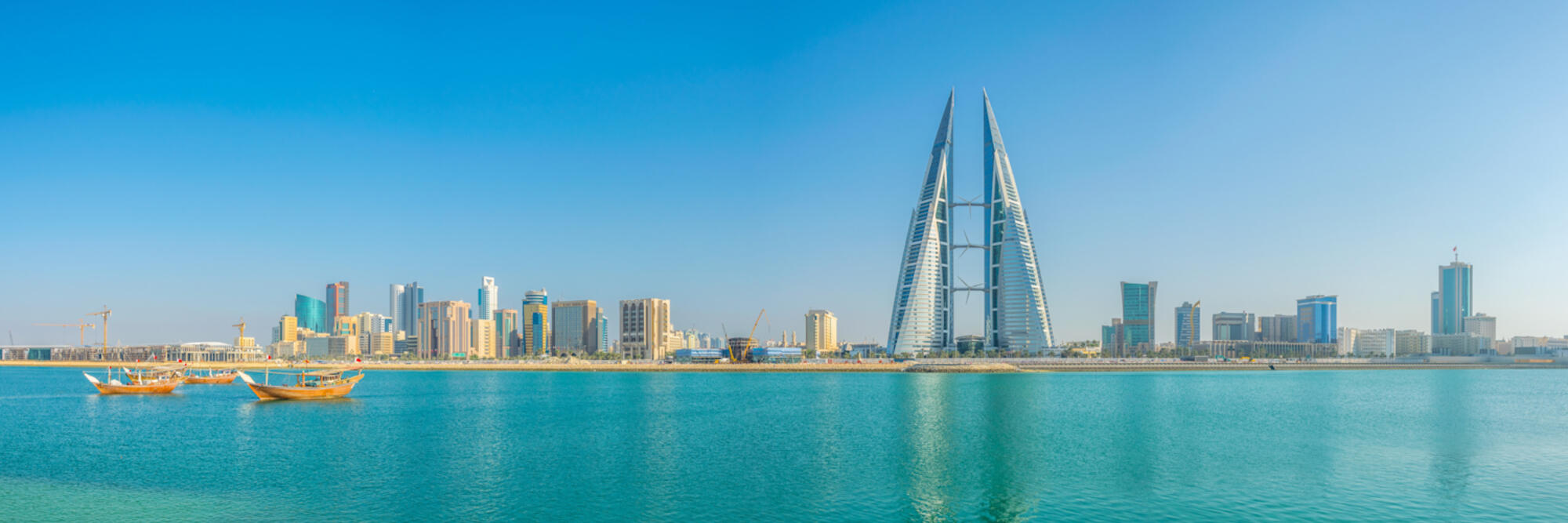
Expats planning on living in Bahrain may find one of the most challenging adjustments they'll have to make is acclimating to the high temperatures. The weather in Bahrain is marked by extreme heat, and an uncomfortable humidity is present throughout the year.
Summer is from April to October, and temperatures peak around 104°F (40°C) in the hottest months of July and August. Winter is from November to March. Though milder in comparison, winter temperatures can still be fairly warm and hover between 50 and 68°F (10 and 20°C).
The archipelago is incredibly arid, with only irregular, short, heavy bursts of rainfall throughout winter. Even some winter months are entirely dry. The spring and summer months are marked by the shamal, strong northerly winds from Iraq and the Arabian Peninsula that bring dry, hot, dusty air into the country and even cause sandstorms.
Expats should be forewarned that the weather in Bahrain can cause heat exhaustion or heat stroke, especially for those not used to such high temperatures. It's best to stay indoors during the day's hottest hours, and sunscreen is advised. Expats should also be sure to stay hydrated.