
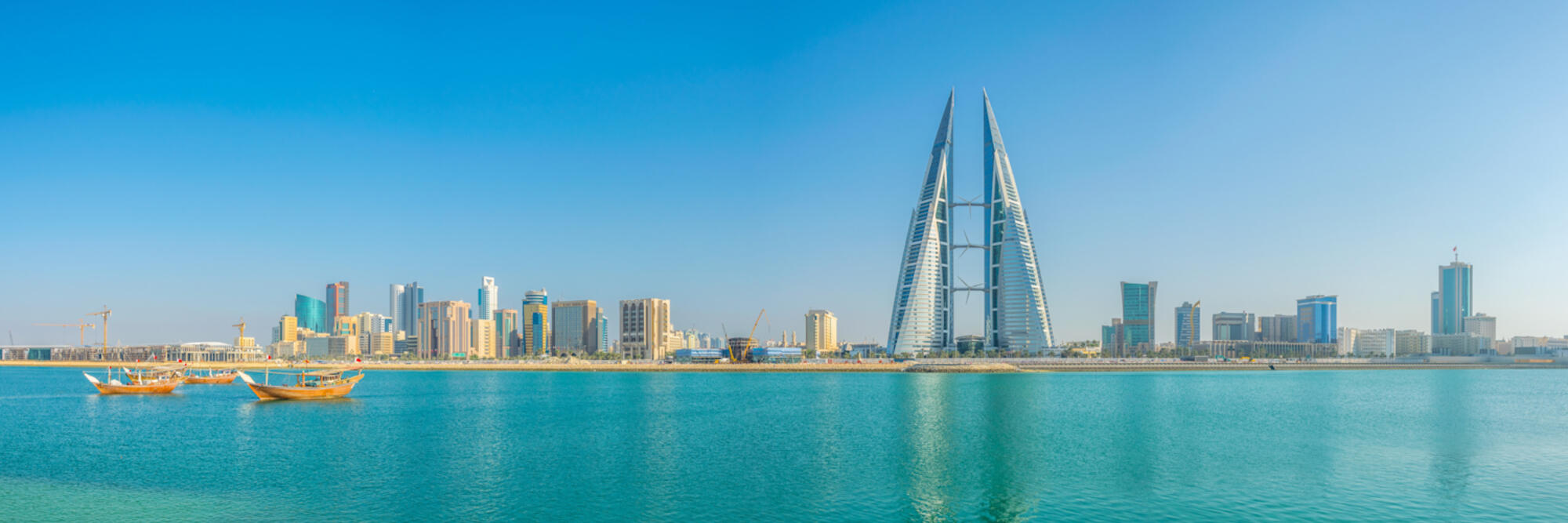
Bahrain's economy has historically been driven by the petroleum and aluminium production industries. It is one of the most important centres for Islamic banking in the Middle East. The banking sector is well-developed, and there are efficient and reliable services available to those living and working in the country.
Money in Bahrain
The currency used in Bahrain is the Bahraini dinar (BHD), which is divided into 1,000 fils.
- Notes: ½ BHD, 1 BHD, 5 BHD, 10 BHD and 20 BHD
- Coins: 5, 10, 25, 50, 100, and 500 fils
Banking in Bahrain
With a strong and sophisticated banking industry, there are a number of good options for expats looking for a local bank in Bahrain. For those who prefer to bank internationally, there are also a host of foreign and multinational banks with branches in Bahrain.
Banks that are popular with expats in Bahrain include Arab Bank, HSBC Bahrain, Ahli United Bank, and Bank of Bahrain and Kuwait (BBK). Many expats find it easier and more convenient to open a bank account with the bank their employer uses.
Opening hours for banks in Bahrain are generally between 8am and 2pm, from Sunday to Thursday.
Opening a bank account in Bahrain
Opening a bank account in Bahrain requires a fair amount of paperwork. Expats looking to open a bank account in Bahrain must appear at the prospective bank in person and present a number of documents. The exact requirements vary from bank to bank, but a passport, work and/or residence permit, and proof of residence (such as a utility bill or rental agreement) will usually be required.
ATMs and credit cards in Bahrain
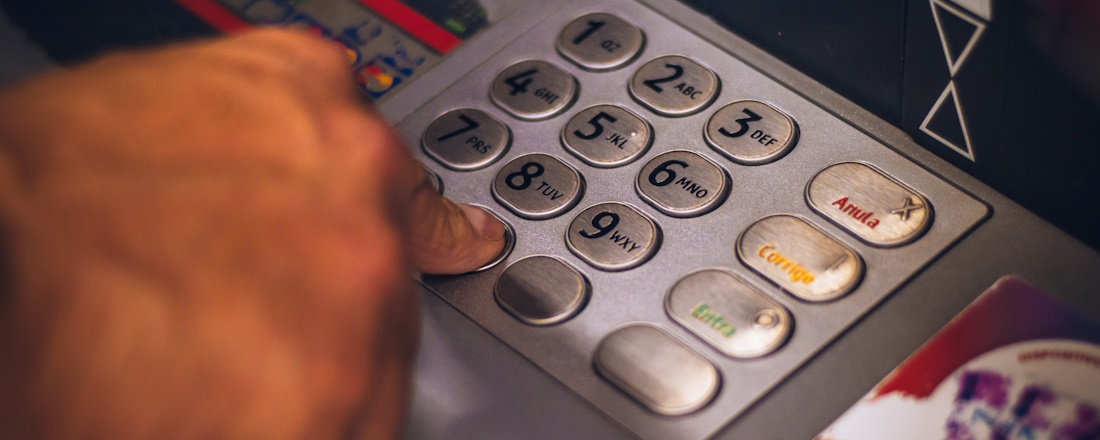
There are plenty of ATMs in Bahrain, and expats won't need to look too hard to find one. The majority of ATMs offer 24-hour service.
Bahrain has made significant strides toward a cashless economy, and card and digital payments are now widely accepted. Expats will be able to pay with a debit or credit card almost anywhere, with many establishments also allowing the use of online payment apps.
Taxes in Bahrain
In Bahrain, there is no income tax levied against personal earnings. Expats will only be liable to pay social security, which amounts to 1 percent of their monthly income. Expat employers pay an additional 3 percent towards each expat employee's social security.
Before getting too excited, expats are strongly advised to research whether a double-taxation avoidance agreement exists between Bahrain and their country of origin though. If not, expats may have to pay tax in their country of origin on the money they earn in Bahrain. It's worth consulting a specialist expat tax practitioner in order to ensure all obligations are met.