
The cost of living in Denmark is high, even by European standards, making the country an expensive expat destination. Eating out, utilities, and petrol are especially pricey. Luckily, salaries are relatively lucrative and help balance out the cost of goods and services in Denmark.
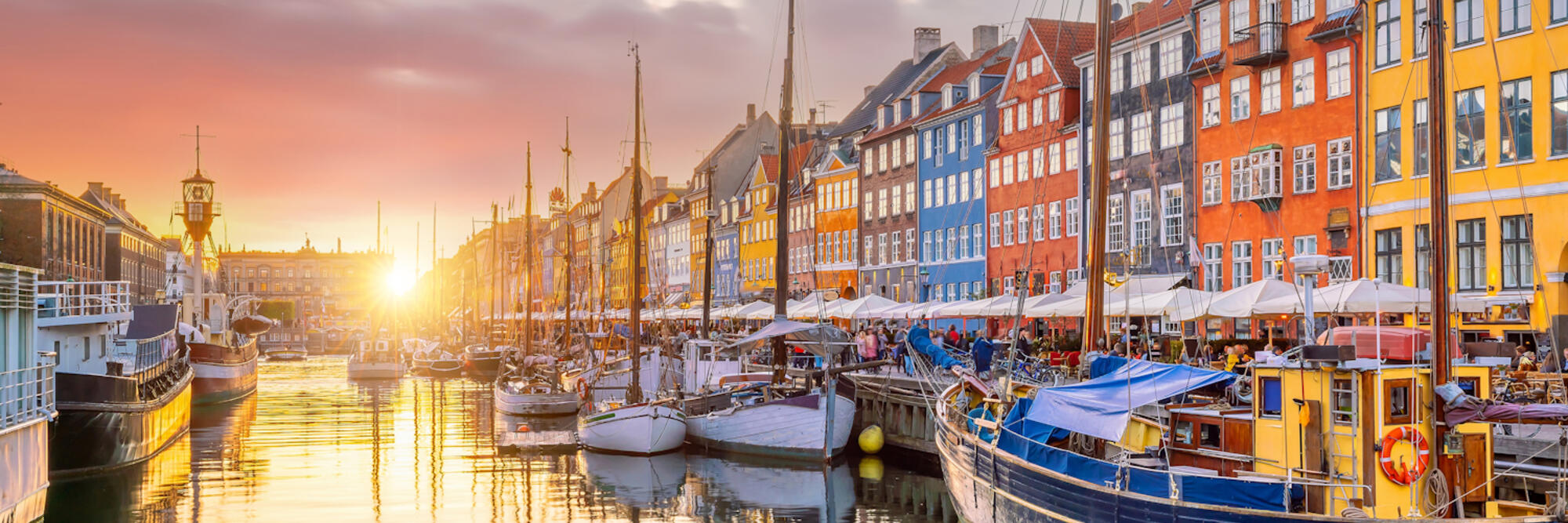
Copenhagen, Denmark’s capital, is among the most expensive cities in the world and is comparable to cities like Zurich, Geneva, and Singapore. While living in other cities in Denmark is generally more affordable, the overall cost of living remains high compared to most other European countries.
The good news for expats in Denmark is that they can expect a high quality of life, which tends to make up for the high cost of living.
Cost of accommodation in Denmark
Accommodation will account for a large percentage of your monthly expenses in Denmark. Carefully consider your housing location, which can often affect the price. In particular, the shortage of available properties in Copenhagen, along with its popularity, means that suitable accommodation is scarce and expensive. That said, a good relocation agent can help source suitable properties for viewing.
Rental prices in Copenhagen are significantly higher than in other cities like Aarhus or Odense. The cost of utilities is not usually included in the rental price, further hiking accommodation costs.
Renting Expat Accommodation in Denmark
Cost of transport in Denmark
Transport in Denmark can be affordable if you use trains and buses, but it can also be costly if you use taxis or ride-hailing services regularly. Petrol is also pricey, as is the cost of buying, maintaining, and insuring a car.
On the other hand, cycling and walking are popular, cost-effective, and healthy ways of getting around in Denmark. In Copenhagen, a monthly public transport pass is an economical way to access buses, trains, and metro services.
Public Transport and Driving in Denmark
Cost of groceries in Denmark
Groceries tend to be pricier in Denmark than in some other European countries. Still, with careful budgeting, it’s possible to minimise costs. Budget-friendly supermarkets like Netto and Lidl offer good value for basic groceries. Markets are not as common in Denmark as they are in more southern European destinations. Grønt Marked in Copenhagen is a weekly farmer’s market that sells high-quality products at equally high prices.
Cost of entertainment and eating out in Denmark
When it comes to unwinding, Denmark offers a plethora of entertainment options, although your wallet might feel a little lighter afterwards. If your idea of relaxation is a drink at a local bar, be prepared for a large bill – the cost of alcohol in Denmark can make you reminisce about happy hours back home.
Thanks to Denmark’s rich culinary heritage, eating out is a real pleasure, but this typically comes at a price. While you can find reasonably priced eateries and cafés, a meal at a mid-range restaurant can be pretty costly, especially in urban areas. Eating out in Aarhus and Odense is noticeably cheaper than in Copenhagen, especially at mid-range and casual restaurants.
Cost of education in Denmark
The cost of education in Denmark is very low, as tuition is entirely free. While the language barrier at public schools may seem intimidating for expats, consider the fact that there is a comprehensive support programme for non-Danish students. Some public schools offer the International Baccalaureate in English, or teach the French or German curriculum in each country’s language.
Schooling in Denmark can be pricey for those who opt for private education, with international school fees being particularly high. That said, these schools offer a more comprehensive range of curricula than public schools and can be ideal for families planning to stay in Denmark for the short term.
Education and Schools in Denmark
Cost of healthcare in Denmark
The Danish healthcare system is renowned for its efficiency and high standards. Hospital stays and doctor visits are covered completely.
While public healthcare is of a high standard, some opt for private health insurance to bypass waiting times. These private health plans can be an added expense, and it’s wise to compare the benefits against the costs before deciding. Additionally, prescription medicines, although subsidised, often require a co-payment, so it’s a good idea to budget for these potential out-of-pocket expenses.
Healthcare and Health Insurance in Denmark
Cost of living in Denmark chart
Prices are in Danish krone (DKK) and may vary depending on the product and service provider. The list below shows average prices in Copenhagen for May 2026.
| Accommodation (monthly rent) | |
| Three-bedroom apartment in the city centre | DKK 22,500 |
| Three-bedroom apartment outside the city centre | DKK 15,700 |
| One-bedroom apartment in the city centre | DKK 13,000 |
| One-bedroom apartment outside the city centre | DKK 9,000 |
| Food and drink | |
| Eggs (dozen) | DKK 35 |
| Milk (1 litre) | DKK 15 |
| Rice (1kg) | DKK 20 |
| Loaf of white bread | DKK 30 |
| Chicken breasts (1kg) | DKK 90 |
| Cheese (500g) | DKK 0 |
| Eating out | |
| Three-course meal for two at a mid-range restaurant | DKK 800 |
| Big Mac Meal | DKK 90 |
| Coca-Cola (330ml) | DKK 30 |
| Cappuccino | DKK 45 |
| Local draft beer (500ml) | DKK 60 |
| Utilities/household | |
| Monthly mobile phone plan with calls and data | DKK 100 |
| Internet (uncapped ADSL or cable – average per month) | DKK 270 |
| Basic utilities (average per month for a standard household) | DKK 1,200 |
| Transportation | |
| Taxi rate (per kilometre) | DKK 15 |
| City-centre public transport fare | DKK 24 |
| Gasoline/petrol (per litre) | DKK 15 |