

Getting around in Houston requires an adjustment for new arrivals who are accustomed to public transport. Although Houston has made significant improvements to its public transport network, the city is sprawled over a large area, which makes travel between destinations long and complicated. Most Houstonians own cars and find driving to be the best way to get around the city.
Driving in Houston
Driving in Houston is a practical necessity for most residents. A car offers greater freedom and often saves time. A number of freeways make travel by car fairly easy. Roads and signage in Houston are well maintained, and the freeway network is extensive.
There are downsides to driving in Houston. Construction projects are seemingly always underway and result in delays and road closures. Rush hours last from roughly 7am to 9am in the mornings and 4pm to 7pm in the evenings. During these times, highway traffic can slow to a crawl, so drivers need to build extra time into their journeys. The average commute time is around 30 minutes, which is slightly above the US national average, but this can vary considerably based on the distance from home to the office and whether toll roads are used.
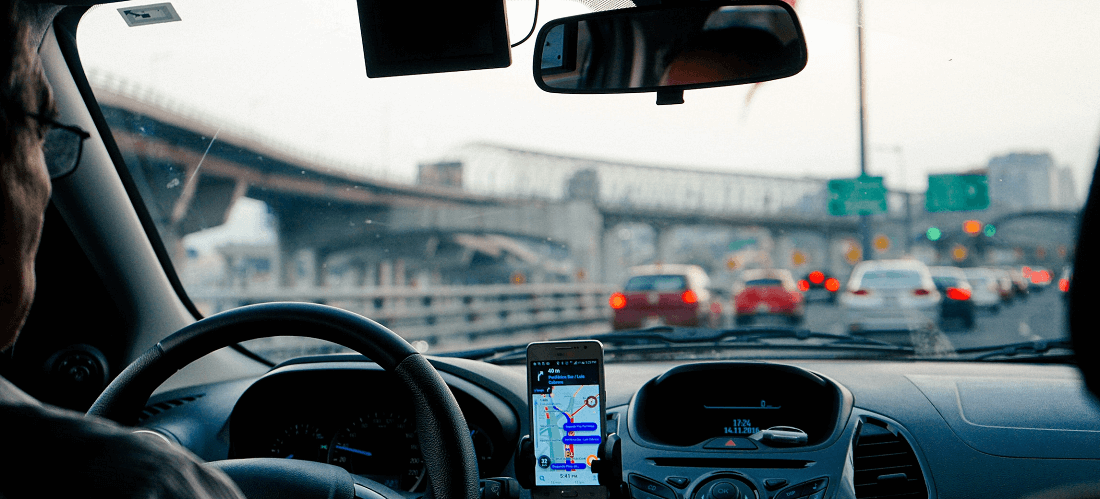
Toll roads
The Sam Houston Tollway is the main tollway around the Houston area, but there are plenty of others too. Some stretches of freeways include high-occupancy toll (HOT) lanes, where occupancy requirements and fees vary by road and time of day. The toll fee is calculated by sensors along the route based on distance and vehicle type.
Houston’s toll roads are cashless and fully electronic. It is cheapest to have a prepaid electronic toll tag, such as an EZ TAG from HCTRA (the local toll authority) or TxTag (the state tag). Both work across Texas toll roads. Those who wish to avoid toll fees can turn on the ‘avoid tolls’ feature on their chosen map app.
Getting a driver’s licence in Houston
Newcomers to Texas over the age of 18 can drive on a foreign licence for up to a year or until they become a Texan resident, whichever happens first. Once a driver has officially become a resident in Texas, they will usually be granted a 90-day grace period during which they must obtain a local licence to continue driving.
Texas has reciprocity agreements with several countries, including France, Germany, South Korea, Taiwan, and the United Arab Emirates. Nationals of these countries aged 18 to 75 can surrender their licence from home in exchange for a Texan licence, without the need for written or road tests. The list of eligible countries is subject to change, so it is worth checking with DPS before you apply.
Expats from countries without a reciprocity agreement, and those who would like to keep their foreign licence, will need to pass both written and practical tests to obtain a local licence.
To apply for a local licence, the following documentation is required:
- Proof of identity
- Proof of residency and lawful presence in the country
- Social security number
- Evidence of insurance and vehicle registration for all vehicles owned
Useful links
Public transport in Houston
The Metropolitan Transit Authority of Harris County, or METRO as it’s more commonly known, is responsible for public transport in Houston. METRO operates various local and express services as well as the METRORail light rail line.
METRO has an integrated ticketing system. Fares can be paid in cash or with a reloadable RideMETRO Fare Card. Contactless bank cards and mobile wallets are also accepted.
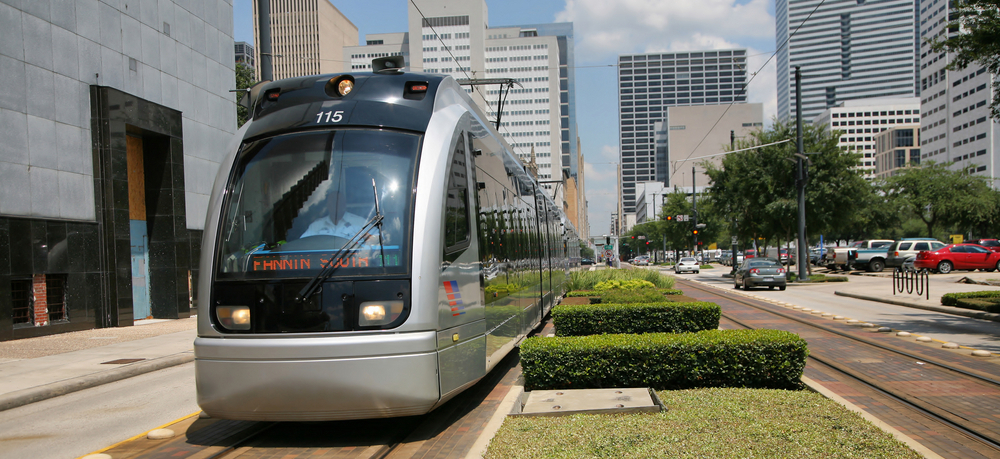
METRORail
Houston’s METRORail network is relatively small; it has just three lines: green, purple, and red. Trains run roughly every six minutes on weekdays and every 12 minutes on weekends. Service begins in the early morning and runs until after midnight. On Friday and Saturday nights, trains run later.
Buses
Buses in Houston are a relatively comfortable way to travel. They arrive at regular intervals and generally keep to schedule in the city centre. The network operates seven days a week. Many routes run from early morning until late evening. That said, the network is limited, and many suburbs aren’t adequately serviced by METRO buses. There are park-and-ride services which allow commuters to drive to a bus station where they can leave their car and take the bus into the city.
Useful links
Taxis in Houston
Taxis in Houston are readily available at designated ranks or along busy streets in the city centre. It’s difficult to catch a taxi on the street outside the downtown core, so it may be necessary to book one ahead of time. As destinations in Houston are often quite spread out, taxi fares can add up quickly. That said, the City of Houston has authorised a flat rate for all trips in the downtown area.
Ride-hailing services such as Uber and Lyft are another option for getting around Houston and can be accessed via their respective mobile apps. Traditional taxis can also be booked through apps such as Curb.
Useful links
Cycling in Houston
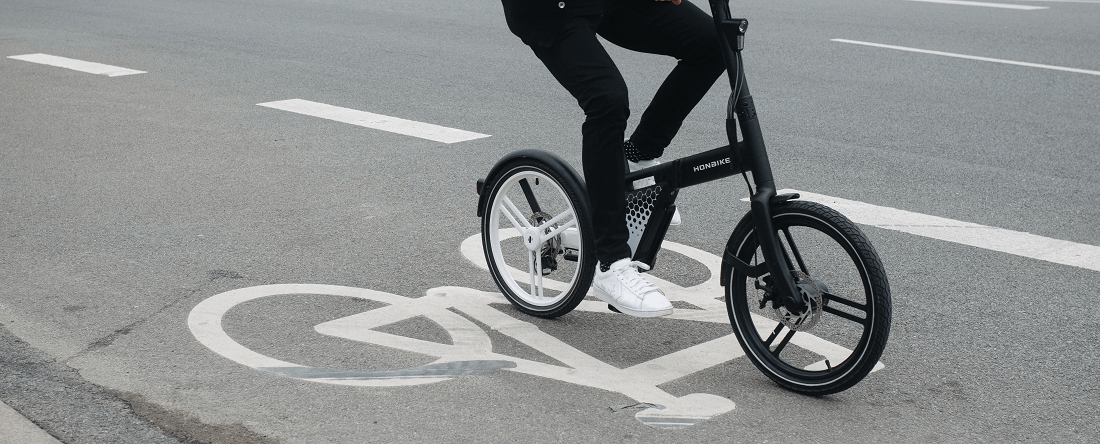
Due to Houston’s hot climate and the fact that the city is so spread out, cycling in Houston is best suited to recreational rides rather than daily commutes. The city has a growing network of cycle paths and trails that run through its parks and along its bayous.
Houston’s bike share system, Houston BCycle, closed in mid-2024 after 12 years of operation. Newcomers who want to cycle regularly will need their own bicycle. Local bike shops and cycling groups are good places to start.