Print
  • Hold down Ctrl key and select the sections you want to print. If using a Mac, hold down the Cmd key.
  • Use Ctrl + A or on Mac, Cmd + A to select all sections (if you are using the Chrome browser).
  • Click "Apply" and the site will customise your print guide in the preview below.
  • Click the "Print" button and a print pop up should appear to print to your printer of choice.

Moving to Houston

Living in Houston as an expat

New arrivals moving to Houston may find this former Western Frontier’s urban sprawl overwhelming at first. For starters, it is the fourth-largest city in the US, and the wider metropolitan area has a population of close to 8 million people. That said, this Texan giant has much to offer its residents. Job opportunities are plentiful, and a warm climate ensures there is no shortage of things to see and do.

The city has undergone a revitalisation that has brought new cultural venues and a renewed sense of identity to once-neglected neighbourhoods. Those who move to Houston will find that the city is what they make of it.

Houston is one of the most ethnically diverse metros in the US. Expats from all over the world have put down roots here, and that variety makes living in Houston as an expat feel less foreign than you might expect.

Working in Houston

Working in Houston puts you at the heart of an ambitious, business-friendly economy. The energy capital of the world is home to more than two dozen Fortune 500 companies. Oil and gas may dominate the headlines, but healthcare, aerospace, and IT are all major employers too.

Finding a Job in Houston

Lifestyle in Houston

Houston Amusement Park

Your lifestyle in Houston will revolve around your immediate neighbourhood. Each part of the metro has its own character and weekend rhythm. The urban core and a handful of well-known districts concentrate most of the nightlife and cultural performances, but you will rarely need to cross the whole city to find something to do.

The Museum District squeezes more than a dozen institutions into a walkable area. In the cooler months, parks and bayou trails come into their own. Houston’s major league sports teams keep the weekends full around the year. 

The city’s multicultural population means you can eat your way through dozens of cuisines without ever repeating yourself.

Shopping, Nightlife and Entertainment in Houston

Finding accommodation in Houston

Upscale Neighbourhood and Water in Houston

Finding accommodation in Houston is as much about location as layout. The metro stretches for miles in every direction, so neighbourhood research should come before property viewings. Pick an area that keeps your commute short and suits your day-to-day pace.

Most newcomers rent first before they buy, partly to give them time to get a feel for the terrain. Rental applications typically require proof of income and background checks, and leases will specify whether utilities are included.

Best Neighbourhoods in Houston 
Renting Accommodation in Houston

Cost of living in Houston

Although Houston is one of the largest cities in the USA, the cost of living in Houston is far lower than in the likes of New York City and San Francisco. Newcomers from those coastal metros often find their money goes further here.

The biggest expenses you will face are accommodation and transport. Tenants are usually responsible for their own utilities. Electricity bills can run high in the summer months, when air conditioning is a necessity. The initial cost of a car is also significant, but fuel (petrol) and parking tend to be reasonable by US standards.

Cost of Living in Houston

Living in Houston with children

Many newcomers are surprised by the green spaces laced through Houston’s residential areas. All that parkland and shade is part of what makes living in Houston with children easier than the city’s sprawl might suggest.

The city puts on plenty of festivals and family events throughout the year. Galveston Bay’s beaches are within easy day-trip reach, and freshwater lakes such as Conroe and Livingston offer a quieter alternative.

The Texas Medical Center is the largest medical complex in the world, and Houston attracts patients from across the country and abroad for treatment. Locals and newcomers alike say that if they fall ill, Houston is the place to be.

Healthcare and Medical Insurance in Houston

Finding a school in Houston

Finding a school in Houston is unlikely to leave you short of options. If anything, the challenge is to whittle them down. Aside from normal public schools, there are also magnet and charter public programmes, and private and international schools offer globally mobile families an easier transition.

School and Education for Expats in Houston

Getting around in Houston

Highway in Houston

Houston’s superhighway network will get you anywhere in the metro, although rush hour tests everyone’s patience. You will almost certainly need a car. Public transport does not cover the wider metro well, and it is slow where it does run, so getting around in Houston without your own wheels is realistic only in a handful of central neighbourhoods.

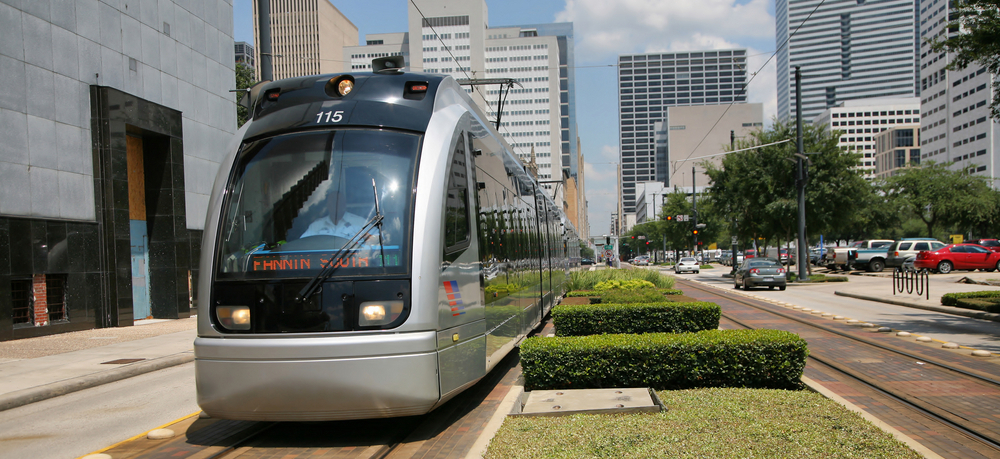
The Metropolitan Transit Authority of Harris County, or METRO, operates various local and express services as well as the METRORail light rail line. Considering the sprawl of Houston, the network is relatively small – it has just three lines: green, purple, and red.

Public Transport and Driving in Houston

Climate and weather in Houston

Summer days can be sweltering, and for many newcomers, the climate and weather in Houston require the most adjustment. The city sits in a humid subtropical zone, so expect persistent humidity and high temperatures from late spring through early autumn. Mercifully, air-conditioning is available almost everywhere, and the mild winters more than make up for any weather-related discomfort in June, July, and August.

Houston sits in the path of tropical storms and hurricanes during the Atlantic hurricane season, which runs from June to November. Heavy rainfall can cause localised flooding even outside official flood zones, so it is wise to check flood maps and past flood history before you sign a lease or buy.

Climate in Houston

Those who move to Houston and give the city a fair chance often find that the quality of life here rivals anywhere in the country.

Weather in Houston

The weather in Houston is characterised by a humid subtropical climate, and those living in Houston often joke that the city only has two seasons: hot and hotter.

Summers can be sweltering and humid. From June to August, temperatures hover between 75°F (24°C) and 95°F (35°C), and the mercury can occasionally tip past 100°F (38°C). Air conditioning is a necessity rather than a luxury for most. The humidity is the real adversary; a 95°F day in Houston routinely feels like 105°F or higher once the heat index is factored in. Summers are also known for afternoon thunderstorms.

Houston’s hurricane season is between June and November. Torrential rain batters the city during these months, and severe flooding is a genuine risk. Houston’s flat, clay-heavy ground and extensive concrete cover mean even ordinary thunderstorms can overwhelm the city’s drainage. Tornadoes may also occur.

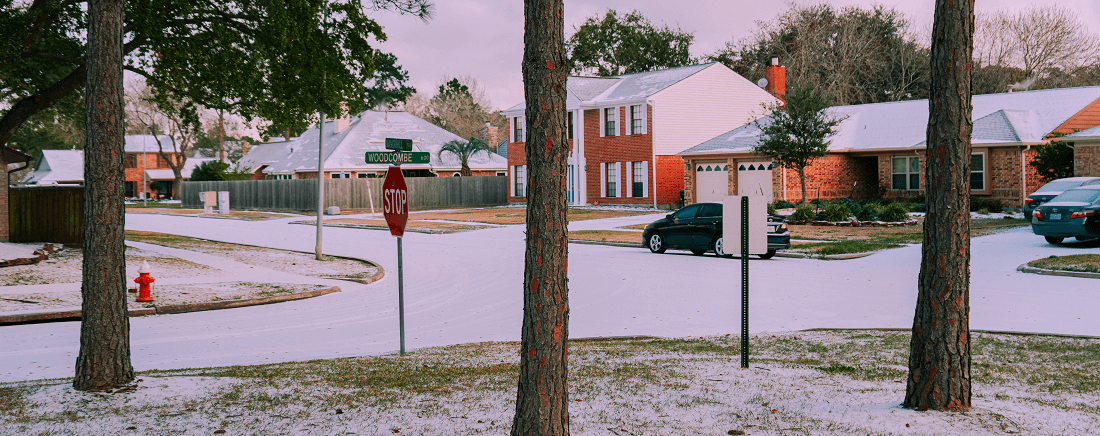
Houston’s winters are a pleasant contrast, and the city has had fewer than 20 measurable snowfalls since 1939. Temperatures are mild and range from 43°F (6°C) to 66°F (19°C). The city may not be known for snow in winter, but rain isn’t unusual.


Pros and cons of moving to Houston

There are plenty of pros and cons of moving to Houston to weigh up. The city has long attracted expats and American citizens from other states, drawn by world-class healthcare, no state income tax, a cost of living below the national average, and a food scene with few rivals in the US. That said, living in Houston does have its downsides, such as limited public transport coverage and a heavy reliance on air conditioning. Most newcomers find that the positives tip the scales in Houston’s favour.

Below are some of the pros and cons of moving to Houston, Texas.


Weather in Houston

+ PRO: Winters are mild

Balanced with a scorching hot summer and a wet hurricane season is a beautiful autumn and spring and a mild winter. From late autumn through to spring, Houston tends towards much more reasonable temperatures and beautiful weather. Roadworks are common year round, so diversions and road closures may pop up at any time.

- CON: Extreme summer heat

Houston locals joke that there are two seasons: hot and hotter. In the sweltering summer months, temperatures climb into the high 90s°F (mid-30s°C), and the humidity pushes the heat index even higher. The sheer mugginess can be a gauntlet for expats who are accustomed to milder summers.

Hurricane season (June to November) can bring torrential rain and severe flooding. Some parts of the city are particularly prone to floods, and drainage systems can be overwhelmed during heavy storms. Water can take a while to recede.

Weather in Houston


Working and doing business in Houston

+ PRO: The job market extends well beyond energy

Houston’s economy has long been anchored in energy and petrochemicals, but working and doing business in Houston today means access to a far broader range of industries. Healthcare, aerospace, logistics, and professional services all have a significant footprint in the metro area.

- CON: The local economy swings with energy prices

Many jobs still depend indirectly on the energy sector. Downturns in oil and gas tend to ripple outward into related fields. Workers in Houston may feel the effects of boom-and-bust cycles more sharply here than in cities less tied to commodity prices.

Working in Houston


Lifestyle in Houston

Restaurant in Houston by Jon Tyson

+ PRO: There is a huge eating-out culture

The culinary scene in Houston is huge, from an exceptional food truck culture to plentiful casual dining options and everything in between. Cuisines from every corner of the world are on offer, so residents will never be at a loss for something new to try. Many newcomers find eating out here comparatively affordable for a large US city.

+ PRO: Wide range of activities available

Houston is a lively city. It has both professional and minor league sports teams, great venues for concerts and shows, a renowned museum district, and plenty of family-friendly activities. The city has several international festivals every year that draw crowds from neighbouring cities and states. Many of these events and activities are low-cost or free.

- CON: Restaurants close down frequently

Consistency can be an issue in many places. Newcomers will often arrive at a favourite restaurant only to find it has closed or been replaced. Restaurant turnover is quite high in Houston.

Lifestyle and Activities in Houston


Cost of living in Houston

+ PRO: It’s cheaper than the rest of the USA

The cost of living in Houston is lower than the US average. Housing is quite a bit cheaper than the national average, and everyday costs like fuel and groceries tend to be more affordable than in many other large US cities. Public schooling is also free to all families, regardless of where they are from.

- CON: High energy use can push up bills

Houston’s per-kilowatt-hour electricity rates are actually lower than the national average, but residents use far more power for air conditioning. Monthly electricity bills can be noticeably higher than in cooler parts of the country, especially in summer.

Cost of Living in Houston


Healthcare in Houston

+ PRO: There are excellent healthcare options

Houston is home to the Texas Medical Center, the largest medical complex in the world, and healthcare in Houston is widely regarded as first rate. The range of treatments and specialists available is extensive. There is no shortage of second opinions, and many residents find wait times shorter than in other countries.

- CON: Healthcare can be expensive

The cost of healthcare is a nationwide issue, and Houston is no exception. Out-of-pocket costs can be high, particularly if you don’t have good insurance. Pay close attention to deductibles and copays, and check that your preferred doctors and hospitals fall within your plan’s network.

Healthcare and Hospitals in Houston
Understanding Health Insurance in the USA


Accommodation in Houston

Suburban home in Houston by Adrian N

+ PRO: There are loads of options available

Whether you are searching for a one-bedroom apartment or a five-bedroom house with a pool and yard, Houston has a plethora of accommodation options available. New developments continue to spring up across the greater Houston area, and there is also a good selection of more established properties for those who prefer a settled, residential feel.

- CON: Heavy traffic will influence where one lives

Pay attention to the traffic and congestion when picking a home. Job centres are spread across the metro area (Downtown, the Medical Center, Galleria/Uptown, Energy Corridor), and peak-hour freeways can grind to a crawl in every direction. Houston rush hour can leave you stuck in traffic for well over an hour, especially on major corridors like I-45 and I-10.

Accommodation in Houston 
Best Neighbourhoods in Houston


Safety in Houston

- CON: Crime rates are above the national average in some areas

Like many large US cities, Houston has crime rates above the national average in certain categories. Some residential areas feel quiet and secure, while others require more caution, especially at night. Look into specific neighbourhoods thoroughly before you sign a lease or buy a property.


Education in Houston

+ PRO: Plenty of excellent schools to choose from

Houston has some top-notch international schools that offer a strong academic portfolio. Options include the International Baccalaureate, the French Baccalaureate, and the British A-Levels, among others. Some public schools are also highly rated, and many newcomers choose these options for their children’s schooling.

- CON: Private education can be expensive

As in many cities, the cost of private education in Houston can be expensive. Many private and international schools also charge extra fees, such as uniforms and school excursions.

Education and Schools in Houston


Getting around in Houston

Metro in Houston by Sally Hhu

- CON: It can be hard to get around

Houston is one of the largest cities in the USA by area; it is impossible to get around some areas on foot. Public transport coverage is limited compared with other major US cities, and taxi trips can add up quickly over longer distances. Most people in the greater Houston area own and drive their own cars.

+ PRO: Varied transport options for shorter distances

Public transport in Houston is limited, but the METRO system does run buses and a light rail network that connects several central neighbourhoods and key destinations like the Medical Center and the Museum District. The City of Houston has also authorised a flat taxi fare within the Downtown business district, so getting around the centre on four wheels need not be expensive.

Public Transport and Driving in Houston


Local culture in Houston

+ PRO: One of the most diverse cities in the US

Houston is routinely described as one of the most ethnically and linguistically diverse cities in the country, and the local culture in Houston reflects it at every level. Large communities from Latin America, Asia, Africa, and the Middle East have shaped neighbourhood businesses, places of worship, annual festivals, and everyday conversation.

+ PRO: Friendly and informal social culture

Houstonians are generally known for being approachable and down-to-earth people. But because the city is so spread out, social life tends to revolve around a few fixed points: home, work, and school. It will take deliberate effort to meet people outside those circles, especially if you arrive without an existing network. Community bonds often form around schools, faith groups, sports leagues, and volunteer organisations. 

Working in Houston

New arrivals planning on working in Houston can expect one of the USA’s fastest-growing business climates. The largest city in the Lone Star State is not often the first destination that comes to mind when imagining career opportunities, but it is one of America’s most consistent job creators. The city’s pioneering commercial spirit puts it on par with New York City and Chicago.


Job market in Houston

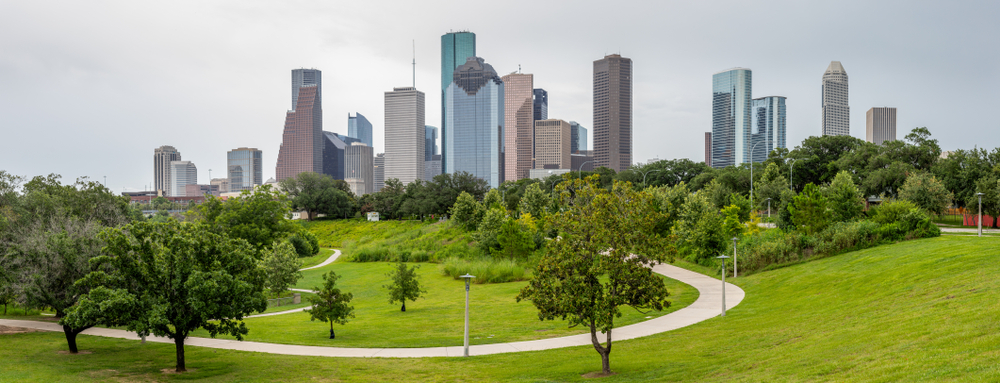
Houston Skyline

The job market in Houston is anchored by numerous multinational and Fortune 500 companies. The city also hosts the world’s largest medical complex, Texas Medical Center, and NASA’s Johnson Space Center. Positions span a broad range of industries. Texas levies no state income tax, so take-home pay stretches further than in many other states.

Houston has historically been known as a global oil and gas capital. And although its economy has diversified in recent decades, its backbone is still built with ‘black gold’. Those seeking employment in this sector would do well to move here. Otherwise, the healthcare industry is burgeoning, and jobs continue to increase in this sector.

Thanks to its two international airports and the Port of Houston, one of the busiest seaports in the United States, the city’s transport and logistics industry is another key employer. The IT and software development sector is also a growing industry in which new arrivals can find employment.


Finding a job in Houston

stock image of two people collaborating

There are many job portal sites online that newcomers can utilise to find a job in Houston. For those looking for work before settling in Houston, recruitment agencies can assist with the process. Recruitment agencies often boast intimate knowledge of the local job market and specific industries and can typically offer jobseekers niche advice.

For people already in the city, networking can go a long way towards finding their ideal job. Some social media groups for expats can also provide some job listings that may not be available on major job portal sites such as LinkedIn and Indeed.

Useful links


Work culture in Houston

Regardless of which sphere of employment you are interested in, Houston is home to a diverse population of local transplants and internationals; over 140 languages are spoken across the city. You are unlikely to find yourself limited by your ethnicity.

It may take some time to get used to the traditionally conservative outlook that aligns with Southern American values. The general belief seems to be that if you work hard in Houston, you are bound to succeed. A strong can-do attitude prevails in the city, and a well-connected transport network and low cost of living ease the transition into a new workplace.

Cost of Living in Houston

The cost of living in Houston is lower than in many other major US metropolitan areas. If you’re an expat or a new arrival, you’ll be glad to know that your hard-earned dollars will stretch further here than in cities such as New York City, San Francisco, Los Angeles, and Chicago. Texas has no state income tax, so your take-home pay goes further here than in states like California, New York, or Illinois.

While Houston generally offers a lower cost of living than other large US cities, costs like housing, transport, and entertainment can vary quite a lot, so you'll need to budget wisely to make the most of life in the city.


Cost of accommodation in Houston

The cost of accommodation in Houston is competitive by US standards, and the rental market is well supplied. Renting rather than buying tends to be a more affordable option in many areas of Houston and may be the better choice if you plan to be in Houston for a limited time.

Rental rates vary widely by neighbourhood, with areas such as Downtown Houston and West University being pricier. In contrast, more suburban areas like Katy tend to offer better value for the space.

Most rental accommodation in Houston comes unfurnished, though even unfurnished units usually include basic appliances such as a washing machine, dishwasher, and fridge. 

The initial cost of renting a property in Houston will typically include a security deposit equivalent to at least one month’s rent. You will likely also need to cover monthly utility bills over and above your rent. Utilities can include water, gas, electricity, and rubbish removal, depending on where in Houston you live.

If you are considering buying property, be aware that Texas has some of the highest property tax rates in the US. Flood insurance is another cost to factor in, as Houston is prone to severe flooding; many lenders require it for homes in FEMA-designated flood zones.

Accommodation and Utilities in Houston 
Best Areas and Suburbs in Houston


Cost of transport in Houston

The cost of transport in Houston is shaped largely by car ownership. If you’re relocating, a car is one expense you should budget for early. While Houston has a public transport network operated by METRO, it’s somewhat limited, so many residents find owning a car essential for daily life.

If you’d like to avoid the costs associated with car ownership, you could consider using light rail, buses, and taxis to get around. METRO now has hundreds of new buses and restructured routes. Taxis are plentiful in downtown Houston, and ride-hailing apps like Uber and Lyft are widely used and often more convenient for longer trips.

Owning a car in Houston comes with more expenses than just maintenance and fuel. There are also parking fees and insurance costs to account for.

Getting Around in Houston


Cost of groceries in Houston

The cost of groceries in Houston sits close to the national median, although food prices have risen quite sharply over the last few years. Despite these increases, you can still find affordable and high-quality fresh produce throughout the city, especially if you buy in-season fruits and vegetables.

You can save a significant amount of money if you shop at supermarkets like Kroger, Trader Joe’s, Aldi, and H-E-B. These chains frequently offer discounts and are generally cheaper than speciality shops.

For health-conscious buyers, Sprouts Farmers Market offers reasonably priced organic and health-focused products. Many farmers markets across Houston, such as the Houston Farmers Market and Urban Harvest Farmers Market, sell fresh, local produce.


Cost of entertainment and eating out in Houston

The cost of entertainment and eating out in Houston is reasonable, and nightlife can be enjoyed without breaking the bank. Free or low-cost activities abound, whether you prefer the city’s many parks or its world-class museums. For those who enjoy shopping, Houston boasts several outlet malls where you can find designer clothing at discounted prices.

Houston is one of the best foodie cities in the country, buoyed by its award-winning restaurants and one of the most ethnically diverse culinary scenes in the US. Eating out is relatively affordable, and restaurant portions are usually generous. Dining out here is excellent value for money. Neighbourhoods like Midtown, The Heights, and Downtown are known for their high density of dining options, catering to all tastes and budgets.

The cost at most entertainment venues has risen, but you can still find promotions and discounts. Many restaurants in Houston also offer lunch specials and happy hour deals. Use apps like Groupon or restaurant loyalty programmes to save money when dining out.

Lifestyle in Houston


Cost of education in Houston

The cost of education in Houston depends largely on whether you opt for public or private schooling. Public schools are free to attend, but admission is based on catchment zones. Catchment zones, also known as attendance boundaries, are determined by factors like population density, school capacity, and geographic considerations.

The Houston Independent School District (HISD) uses these criteria to assign schools based on home addresses, so it’s worth researching the options for the area you intend to live in. The Texas Education Agency (TEA) publishes ratings for every campus, which can help you compare schools. Public schools in more affluent areas generally offer better teaching standards and facilities, but this often comes with a higher accommodation cost.

Private and international schools in Houston offer different curricula for families seeking an alternative education for their kids. Options include the International Baccalaureate (IB), Advanced Placement (AP), and even the British or French curricula. Private school comes with high fees, and additional costs for uniforms, extracurricular activities, and textbooks should also be considered.

Education and Schools in Houston


Cost of healthcare in Houston

The cost of healthcare in Houston follows the broader US pattern: quality is exceptional, but prices are steep. The city is home to the Texas Medical Center, the world’s largest medical complex, and has become a well-known destination for medical tourism.

The US doesn’t have universal healthcare, so you will need to secure employer-sponsored or private health insurance. Urgent care clinics are widely available and are a more affordable alternative to emergency rooms for non-critical issues.

Healthcare and Hospitals in Houston 
Understanding Health Insurance in the USA


Cost of living in Houston chart

Prices are listed in US dollars (USD) and may vary depending on the product and service provider. The list below shows average prices in Houston for April 2026.

Accommodation (monthly rent)
One-bedroom apartment in the city centreUSD 1,700
One-bedroom apartment outside the city centreUSD 1,350
Three-bedroom apartment in the city centreUSD 3,200
Three-bedroom apartment outside the city centreUSD 2,450
Shopping
Eggs (dozen)USD 4.70
Milk (1 litre)USD 0.95
Rice (1kg)USD 4.25
Loaf of white breadUSD 3.20
Chicken breasts (1kg)USD 11.85
Cheese (500g)USD 6.15
Eating out
Three-course meal for two at a mid-range restaurantUSD 75
Big Mac MealUSD 10
Coca-Cola (330ml)USD 2.80
CappuccinoUSD 5.65
Draft beer (500ml)USD 6.00
Utilities
Mobile phone monthly plan with calls and dataUSD 70
Internet (broadband, average per month)USD 72
Basic utilities (average per month for a standard household)USD 220
Transport
Taxi rate (per kilometre)USD 1.85
Bus/train fare in the city centreUSD 1.25
Gasoline/petrol (per litre)USD 1.04

Accommodation in Houston

Those in search of accommodation in Houston will have plenty of options. Despite its status as one of the USA’s largest cities, Houston’s housing market doesn’t mirror the astronomical prices found in places such as New York City or Los Angeles.

Availability is generally good. Demand for rentals has increased over the past few years, but the Houston metro’s steady stream of new developments means newcomers can usually find an apartment or house that suits them.

Expats have the option to buy or rent property in Houston, but most prefer to rent while they get acquainted with the Bayou City’s many neighbourhoods.

Each area of Houston has a distinct feel and pros and cons. Proximity to the workplace and schools should also be considered when you decide where to put down roots. Rush-hour traffic can be treacherous, and since students attend public schools based on where they live, parents often look in areas around good schools.

Flood risk is another consideration. Houston sits on flat, low-lying terrain criss-crossed by bayous, and certain neighbourhoods are more prone to floods than others. It is wise to check a property’s flood zone designation and history before you sign a lease.


Best areas and suburbs to rent in Houston

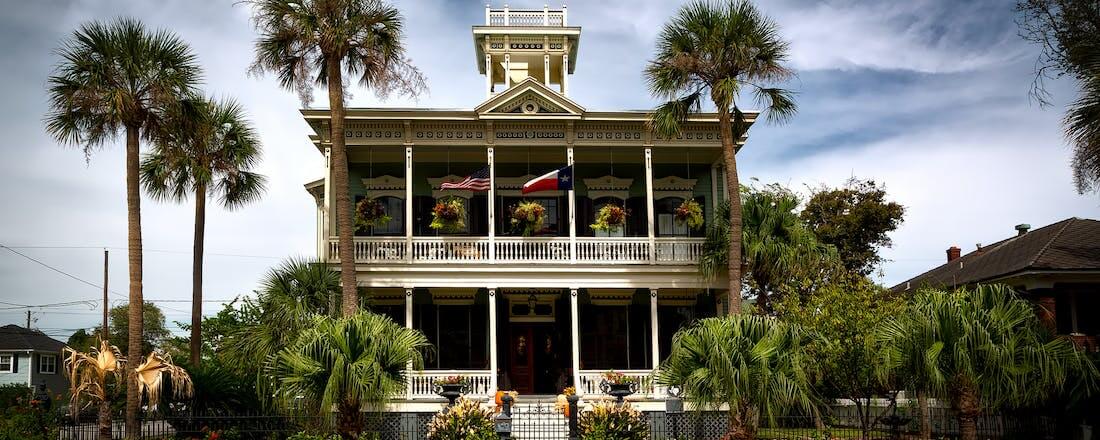
House in Galveston by Pixabay

Houston is home to 88 officially designated 'super neighbourhoods', many of which are well suited to families and young new arrivals alike. Downtown Houston is perhaps the most popular among young professionals who want to minimise their commute time and enjoy easy access to amenities such as restaurants and nightlife. The downside to a Downtown Houston rental is the higher cost for condos and townhouses.

Young professionals and small families in search of affordable, diverse neighbourhoods close to Downtown Houston will find areas such as Neartown Montrose and Midtown suitable. These neighbourhoods are artsy and walkable. Families and young professionals who value amenities on their doorstep tend to settle here.

Newly arrived families after single-family homes close to green spaces and well-regarded schools often gravitate towards neighbourhoods such as Memorial, Kingwood, and Greater Heights. These suburbs are a little further from downtown but offer access to some of Houston’s best-rated public schools and plenty of green space. Kingwood, for instance, is known locally as the ‘Livable Forest’.

Read more about Areas and Suburbs in Houston.


Types of accommodation in Houston

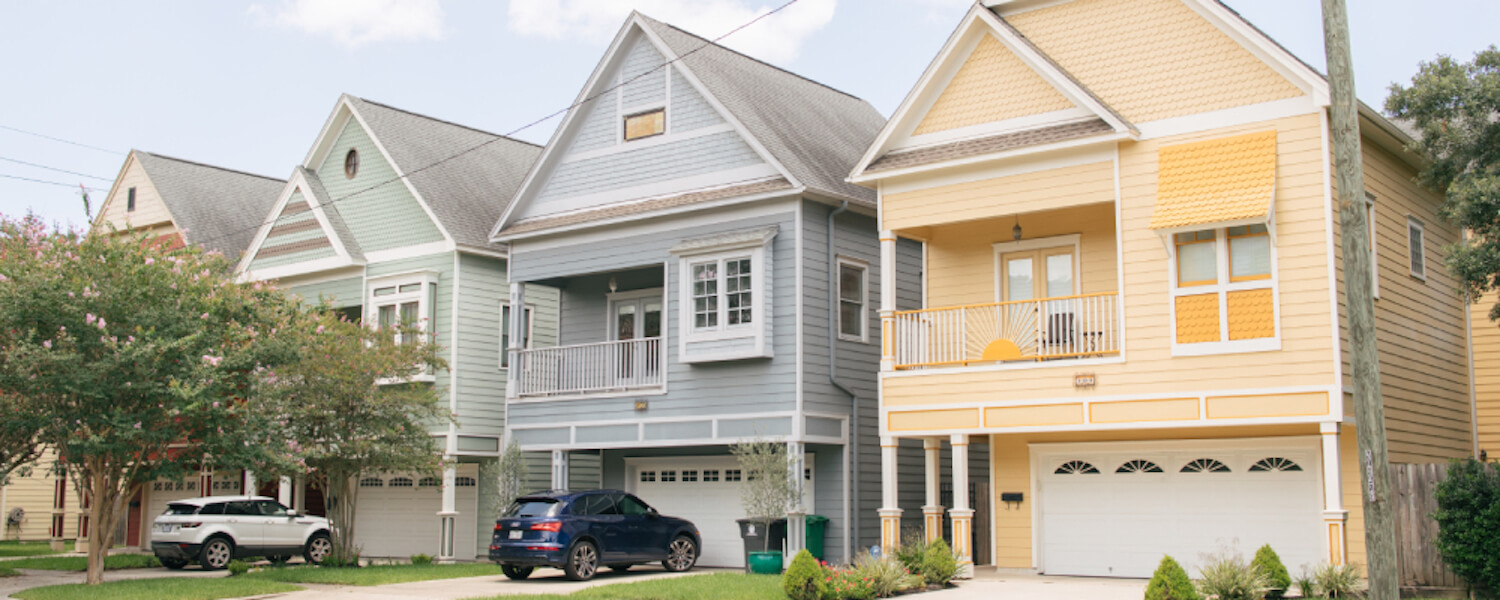
The types of accommodation in Houston vary widely. Newcomers to the city will certainly be able to find something that suits their budget and lifestyle. There seem to be constant new builds across the greater Houston area, and there’s also a wealth of more established properties in planned communities for those who prefer something a little older.

Freestanding single-family homes are quite popular and often come with gardens and sometimes even a pool. These are mostly found in the suburbs outside the city centre, and some are situated in gated communities. Townhouses, semi-detached homes, condos, duplexes, and bungalows are also common. High-rise and mid-rise buildings are found all over the city, both in the centre and in the suburbs, and are packed with budget to luxury apartments.

Both furnished and unfurnished accommodation is available in Houston. Furnished rentals cost more but include everything one needs to live comfortably, without extra purchases. It’s best suited to those who plan to stay in Houston for a short period. It removes the need to invest in new furniture or ship already owned pieces from elsewhere, both of which are costly endeavours.

In unfurnished rentals, basic fittings such as light fixtures and blinds are often included, along with major appliances like a stove and refrigerator.


Finding accommodation in Houston

Real estate agent holding for sale sign by Thirdman

Finding accommodation in Houston is fairly easy once you have chosen an area to live in. Real estate agencies can help with the search, and the larger ones have websites with detailed neighbourhood and pricing information, as well as virtual tours. In Houston, the landlord typically pays the estate agent’s commission, although tenants should expect to pay application and administrative fees.

Some new arrivals choose to look for a place on their own, and property portals and community forums are good places to start. Newcomers shouldn’t count out a drive through an area either, since ‘for sale’ and ‘to rent’ signs constantly materialise on front lawns and in front of apartment buildings. This is often the best way to find a property that hasn’t yet made it onto formal listings.

Some new arrivals will be lucky enough to have a relocation company on their side. These firms can shortlist properties to match your preferences and handle much of the paperwork on your behalf.

Expats can join local social media groups and forums to get advice from fellow expats and learn about potential listings from those who may be about to leave the country.

Useful links


Renting accommodation in Houston

Signing a lease

Making an application

Most estate agents will require potential tenants to sign a rental application that includes certain information and documents, such as a copy of the applicant's ID, proof of income, social security number, and contact details. This application form will be used to determine a person’s eligibility. Credit history, employment history, rental history, and criminal history may all be checked; the scope of these checks varies by landlord or letting agent. Once approved, prospective tenants can negotiate and sign the rental lease.

Leases

As elsewhere in the US, leases in Houston are typically for 12 months. Tenants should be careful if they decide to break their lease. Renters should always ensure they follow the rules set out in the rental contract and give proper notice when they move out early.

Renters’ insurance is not required by Texas law, but many landlords make it a condition of the lease. A policy can save considerable hassle in case of theft or accidental damage, and is well worth it.

Deposits

Deposits are generally required but vary in amount. Texas law does not cap security deposit amounts, but most Houston landlords charge roughly one month’s rent. Any deductions from the deposit must be for actual damage beyond normal wear and tear, and landlords must return the balance within 30 days of the tenant moving out.

Terminating the lease

Under Texas law, tenants who break a lease may be liable for unpaid rent and reasonable re-letting costs. The landlord, for their part, has a legal duty to find a new tenant through reasonable efforts. They cannot simply charge the former tenant for the full remainder of the lease.

See Accommodation in the USA to learn more about national rental processes.


Utilities in Houston

Utilities in Houston can be handled in a number of ways, and new arrivals are often surprised at the options. Ask your landlord or estate agent for details upfront. There are four common ways in which utilities are paid for in Houston:

  • All utilities included: This simply means that the landlord pays for all utilities. It may make a tenant’s life easier, but it usually also means higher rent and the inability to shop around between service providers.
  • Master-metered utilities: This usually applies to apartment complexes. Here, the complex receives one bill, then divides the cost among the apartments.
  • Sub-metered utilities: This is similar to the previous option, but a sub-meter is installed to regulate each apartment’s exact usage. Tenants still can’t choose their own service providers, but they can keep their bills low with careful energy and water use.
  • Tenant responsible for utilities: This is usually the case for services such as internet and cable television. Tenants will have to choose their own provider.
Woman going through checklist

Electricity and gas

The electricity market in Houston is deregulated, so tenants and homeowners can choose their own electricity plan. CenterPoint Energy operates the electricity and natural gas delivery network in the Houston area, but does not sell plans directly. Residents can choose from various retail electric providers (REPs), and the process for new connections, transfers, or disconnections depends on the chosen REP.

Generally, new arrivals must fill out an application form with their address, intended move-in date, identification details, social security number, and bank account information. Some companies may require a security deposit.

For natural gas, new arrivals are advised to submit their application at least seven days before the move-in date. Those who already have an account with CenterPoint Energy can simply transfer the service to their new address. As with electricity, those who need a new natural gas account will fill out an application form and provide their address and billing details. Some newcomers may need to pay an initial deposit.

Water

Houston Public Works, under the City of Houston, manages the water supply in the city. Newcomers can call the City of Houston or complete an online application to set up their water service. Bills arrive monthly and can be paid online or by direct debit.

Bins and recycling

Tenants should check with their landlord or property manager about refuse removal services. Many Houston neighbourhoods have contracts with private rubbish collection services to cover homes within specific jurisdictions. That said, some cities and towns within the Houston metro area work with their local rubbish pickup service. If your rubbish collection is serviced by the City of Houston, the service can be arranged at the same time as your water and sewer account.

The City of Houston’s Solid Waste Management department provides kerbside recycling in certain areas and suburbs. Recyclable waste is collected every other week in a city-issued cart. The city accepts materials such as paper, cardboard, glass, plastic containers, and aluminium cans. New arrivals who need a recycling cart can call 311 or submit an online request.

Internet and cable TV

Internet and cable TV are rarely included in the rental price and are usually the tenant’s responsibility. Some practical steps may be needed, such as new wiring, although in many cases the infrastructure is already in place and you simply need to choose a provider and arrange a connection.

Bundle deals that package internet and cable TV together are common and can offer good value. They also mean you only deal with one company for both services.

Useful links

Areas and suburbs in Houston

The best places to live in Houston

Picking the right area or suburb of Houston to live in is one of the most important decisions new arrivals will make. Those who don’t mind commuting and want to escape the frantic pace of city life may wish to opt for one of the surrounding satellite towns. Although there is a public transport network, most Houstonians own cars. Newcomers should expect to spend a lot of time driving.

Houston’s city centre is separated from its suburbs by Interstate 610, or the Loop as it’s more commonly known, and neighbourhoods are usually referred to as being either inside or outside the Loop.

The Loop contains the heart of Houston’s business world and a few residential areas with modern, densely packed housing. More and more homes are being built in these areas to accommodate the growing population. Outside the Loop, newcomers will generally find more affordable accommodation and larger properties.

Houston is the only major city in the United States without traditional zoning laws, which means residential, commercial, and industrial properties can sit side by side. In practice, there are deed restrictions and neighbourhood associations that regulate building in most residential areas, but newcomers may still notice a freer, more eclectic approach to land use than they are accustomed to.

Public Transport and Driving in Houston 
Finding Accommodation in Houston


Neighbourhoods for young professionals in Houston

Neighbourhoods for young professionals

Lazybrook

An older area with smaller homes, Lazybrook is relatively affordable and located just inside the Loop in northwest Houston. It’s conveniently located close to Highway 290 and Interstate 10.

Lazybrook is popular among young professionals who want to live close to the office and have key lifestyle amenities within easy reach. There are plenty of restaurants in the neighbourhood and other retail options close by.

Greenway and Upper Kirby

Greenway and Upper Kirby are great options just inside the I-610. These trendy areas are packed with restaurants, cafés, boutiques, and entertainment venues that run the gamut from comedy clubs and jazz bars to theatres and nightclubs.

Properties here tend to be smaller than those just beyond the Loop, so they aren’t the most suitable for families with children. They are perfect for young people who enjoy an active lifestyle, though, as the local parks offer plenty of room to hike, bike, run, or stroll.

Montrose

In Montrose, newcomers will find housing options that range from elegantly restored mansions to contemporary condos and bungalows. The streets are walkable, and the area is full of boutique stores, bars, acclaimed restaurants, and art galleries.

Remnants of the area’s Bohemian roots are still apparent in its architecture and communal culture, but it has become more mainstream thanks to higher property prices and the growth of modern housing complexes. Montrose is also historically Houston’s most prominent LGBTQ+ neighbourhood; its annual Pride celebrations and inclusive community spirit are defining features. In the summer, residents enjoy get-togethers and festivals in the local parks.

Washington Corridor

The Washington Corridor has become popular with upwardly mobile young professionals in recent years, although families also settle here thanks to the good schools nearby. The area is close to Memorial Park, so joggers and cyclists are a common sight.

The area’s nightlife clusters along Washington Avenue, which is full of eclectic restaurants and lively bars. Be aware that weekend evenings on Washington Avenue can be rowdy; light sleepers may want to look at side streets rather than the main strip. The area is close to major roadways, which makes getting around easy.

Working in Houston
Lifestyle in Houston 


Family-friendly neighbourhoods in Houston

Family-friendly neighbourhoods in Houston

Afton Oaks and River Oaks

These are two of the most affluent neighbourhoods in Houston. Perfectly located for work and leisure, Afton Oaks and River Oaks provide residents with easy access to Interstate 610, the Southwest Freeway, and Interstate 10. Active residents are a common sight at nearby Memorial Park, one of the largest urban parks in the United States, and the area’s many patio cafés do a roaring trade at the weekend.

One downside to living in this part of Houston is the fact that many employers are located in and around this area, resulting in heavy peak-time traffic congestion.

The demographics of these neighbourhoods are varied, but the several good private schools close by make these areas popular with affluent families.

The Woodlands

The Woodlands is located about 30 miles (48km) north of Houston. The area is suited to new arrivals with children because of its spacious properties and proximity to good public schools. Despite its relative isolation, it’s a self-sufficient planned community with plenty of restaurants, boutique stores, galleries, and bars, and many residents find little reason to leave.

As the area continues to expand, so do the types of housing available, including lofts, townhouses, single-family homes, and modern apartment complexes.

Clear Lake

Clear Lake has long been a popular suburb of Houston. Accommodation here consists mostly of quaint townhouses and luxury apartments. The area is home to the University of Houston Clear Lake (UHCL), a separate institution from the main University of Houston campus. Its student population contributes to the area’s youthful energy. There are excellent shopping opportunities in the area.

Residents in Clear Lake range from students to couples and small families. There are several good schools in the region, which makes it a great option for new arrivals with children.

Memorial

Memorial is rated one of the best neighbourhoods in Houston. Families can find single-family homes, townhouses, condos, and charming mid-century properties, all set beneath a centuries-old oak canopy. Memorial also boasts some of Houston’s best parks and green spaces. It is one of the most sought-after areas in the city to raise a family.

This area is chock full of cafés, restaurants, bars, and other nightlife spots. A golf course and country club round out the picture. To top it all off, Memorial is a short drive from Downtown Houston and falls primarily within the highly rated Spring Branch Independent School District. Parts of its western fringe border Katy ISD.

Schools in Houston

Healthcare in Houston

The healthcare in Houston is excellent, and foreigners and citizens from across the USA often travel to Houston for medical treatment. The city is home to some of the foremost medical professionals in America.

Healthcare in Houston is usually associated with the Texas Medical Center (TMC). This facility is the largest medical complex in the world and comprises more than 60 institutions that include hospitals, medical schools, nursing programmes, and research facilities. Those moving to Houston will have access to the TMC's highly ranked medical services. They'll also benefit from living in a city where healthcare standards are generally high.

Urgent care centres, walk-in clinics, assisted living facilities, comprehensive women's care hospitals, and even a healthcare programme that caters to people without homes are all part of Houston's push to provide residents with the best healthcare possible.

Health insurance is a must-have in Houston. There's no universal coverage in the US, and as a result, those without insurance who need treatment often have to pay exorbitant out-of-pocket fees. The onus falls on individuals to negotiate coverage with their employers or to organise it independently.

Most employers in Houston do provide healthcare in association with employment packages. It's also commonplace for dependants and spouses to be covered by these packages. Most employer-sponsored coverage is limited to a specific type of plan, so newcomers with complex medical conditions may still need to organise health insurance independently.

Texas has the highest uninsured rate in the United States, in part because the state has not expanded Medicaid under the Affordable Care Act. Most health insurance plans in Houston use provider networks. Visiting an in-network doctor or hospital will cost you significantly less than going out of network, so it is worth confirming a provider's network status before booking any appointment.

Healthcare in the USA
Understanding Health Insurance in the USA


Hospitals in Houston

Houston Methodist Willowbrook Hospital

Website: www.houstonmethodist.org 
Address: 18220 State Highway 249

Houston Methodist Hospital

Website: www.houstonmethodist.org 
Address: 6565 Fannin St

St Joseph Medical Center

Website: www.sjmctx.org 
Address: 1401 St Joseph Parkway

Texas Children's Hospital

Website: www.texaschildrens.org 
Address: 6621 Fannin St

MD Anderson Center

Website: www.mdanderson.org 
Address: 1515 Holcombe Blvd

Education and Schools in Houston

There is no shortage of options for education and schools in Houston, given the city’s large size. There are more than 60 school districts in the greater Houston area, and they include numerous public and private schools.

With so many choices, parents will need to carefully evaluate their priorities before choosing a school. These include their budget, the proximity of the school to home and the workplace, the curriculum they would like their child to learn, and the kind of teaching environment that’s best for their child.


Public schools in Houston

Stock image of students in class

The greatest perk of public schools in Houston is that the Texas education system doesn’t charge tuition, and expats and locals alike can take advantage of it. That said, this doesn’t mean parents shouldn’t do their research. Even though all public schools teach a state-mandated curriculum, the standard of each institution can vary immensely.

Some districts are consistently associated with high standards, while others aren’t. Since students attend schools based on attendance zones, parents should consider the quality of schools in an area when looking for accommodation.

After years of academic underperformance, the Texas Education Agency took over management of the Houston Independent School District (HISD), the largest school district in Texas. The transition to new management is ongoing and estimated to continue into 2027. Parents considering HISD schools should carefully research current developments.

To determine the standard of educational facilities in a district, parents can consult the Texas Academic Performance Reports (TAPR), which evaluate school districts and individual schools. After selecting a few schools that seem to fit the bill, it’s always a good idea to visit them in person, preferably during school hours, and meet with an administrator to learn a little more about them.

Charter schools and magnet schools

The public education and school system in Houston also includes charter schools and magnet schools. Charter schools receive state funding and uphold the state curriculum but tend to be more innovative and flexible than traditional public schools. Magnet schools also use state funding but teach specialised curricula. They’re associated with high achievement and cultural diversity.

Both are suitable options for parents who want an affordable but high standard of education for their children. That said, admission can be competitive, and waiting lists can be long; lottery systems are often used to confirm enrolment.

The International Baccalaureate (IB) is not exclusive to private schools. Houston ISD (HISD) offers all four IB programmes across a number of public campuses: the Primary Years Programme (PYP), Middle Years Programme (MYP), Diploma Programme (DP), and Career-related Programme (CP). Admission to IB-focused public schools, including magnet and charter campuses, is typically tuition-free but is fiercely competitive. When applications exceed available seats, schools use a randomised lottery system.

Best Neighbourhoods in Houston
Education and Schools in the USA

Useful links


Private and international schools in Houston

As in most destinations, private schools in Houston generally provide a wider array of extracurricular activities, better facilities, smaller student-to-teacher ratios, and a higher quality of education. Parents should also apply as early as possible, since the best schools usually have long waiting lists. Some of these schools also have extensive admissions processes that may involve interviews and proficiency tests.

Private education is a broad category that includes international schools, religious schools, and alternative education like Montessori. Some private schools uphold the state curriculum, and others follow foreign curricula or offer the International Baccalaureate.

The Awty International School and the Lycée International de Houston (LIH) both offer French Ministry of Education-accredited programmes. LIH is also part of the global AEFE (Agency for French Education Abroad) network and delivers instruction in French, English, and Spanish. Both schools also offer the IB alongside the French Baccalaureate.

The British International School of Houston (BIS Houston), part of the Nord Anglia Education group, follows the British curriculum from Early Years through to the IB Diploma.

The German International School of Houston (GISH) is a bilingual German-English school serving preschool through 4th grade.

Useful links


Special educational needs in Houston

Parents of children with special educational needs in Houston can choose between public schools, private schools and homeschooling. It’s up to the parents to decide which type of education best suits their child’s needs. They should connect with local friends, fellow parents and neighbours to learn about experiences they may have had at different schools. Once parents have identified a number of possible schools, they should research each school online by checking the school’s state accountability rating on the Texas Education Agency’s website.

Public schools in Houston must give a child a Free Appropriate Public Education (FAPE). This means the school must assist parents to determine if their child has a disability and then develop an Individualised Education Programme (IEP). Public schools aren’t allowed to discriminate against children with special needs.

Many parents prefer to send their children to a private school. These schools still allow inclusive education but with the added benefit of smaller classes, which means more individual attention.

There are also several specialised schools in Houston. These schools are aimed at children who need to learn in specialised environments. Schools like the Arbor School and Briarwood provide learning environments that encourage the total development of each student.

Useful links


Tutors in Houston

Woman tutoring student by ThisIsEngineering from Unsplash

Tutors in Houston are widely available. There is a range of options available. Parents will find that many older students are willing to tutor. Tutoring companies also offer options such as private in-home one-on-one sessions, small-group sessions, and online tutoring.

Parents may find it useful to enquire at their child’s school or from other parents to find out which tutors are dependable. Tutors are generally fantastic for assisting students with problem subjects such as mathematics, science and languages. Expat children learning a new curriculum may benefit from assistance acclimating to new subjects and teaching styles.

Useful links

Lifestyle in Houston

It’s fair to say that the lifestyle in Houston is whatever people make of it: from oil baron ostentation to a quiet existence rich in culture.

With its mild winters and hot summers, the city celebrates sports and recreation in a big way. Chances are it won’t be long before new arrivals find their favourite patch of greenery and make activities under the wide Texan sky a regular part of their lives.

That said, there’s plenty for those who’d rather consume calories than burn them off. There’s a dizzying amount of award-winning restaurants in Houston, and new ones open up constantly. If eating out doesn’t suit their bank balance, newcomers can forage through weekend farmers’ markets for local produce and homemade fare.

As part of the city’s cultural scene, residents can visit art galleries in former factory spaces and take in some of the country’s best performing arts companies. Downtown Houston’s contemporary architecture also rewards a closer look. The city’s creative spirit is contagious. New arrivals often work some of it into their routine.


Shopping in Houston

Shopping stock image by Porapak Apichodilok

As can be expected from an energy capital, many residents have money to spend, and shopping in Houston is top notch. Even those with a smaller budget can hunt through antique markets and outlet malls or take advantage of seasonal sales.

The city is home to The Galleria, one of the biggest malls in the USA, as well as several shopfront neighbourhoods. New arrivals can easily find designer labels, department stores, home decor shops, and the odd high-end speciality boutique. Memorial City Mall is another well-known but less ritzy one-stop shopping centre.

Those who’d prefer a shopping experience with more character should try the downtown pavilions, Post Oak, Highland Village, or Uptown Park, all of which offer their own aisle cruising options. Antique hunters should try the Museum District, where they can also find galleries that sell local artists’ work.

Newcomers who want to make a day out of it should head to the Katy Mills outlet mall on Interstate 10, a hotspot for surplus and off-season low-cost shopping that has several well-known brands as outlet residents.


Eating out in Houston

Houstonians love to eat, and its most innovative restaurateurs infuse classic Texan flavours with the culinary cultures of its diverse population. The tree-lined Montrose area, the Heights neighbourhood, the Market Square Historic District, and Bayou Place are particularly known for their great restaurants and comfortable cafés.

As well as the local Tex-Mex and barbecue fare, new arrivals should make time for a great local pastime: big breakfasts at one of the city’s many brunch spots.


Arts and culture in Houston

Many newcomers are surprised to find that the famed Texan cowboy culture gives way to a thriving artistic community in Houston. The city is home to symphony, theatre, ballet, and opera companies of national acclaim.

Performances are always on the horizon at venues like the Wortham Theater Centre and the Alley Theatre, as well as outdoor spaces like Hermann Park and the Cynthia Woods Mitchell Pavilion in The Woodlands.

There’s an entire museum district that includes the Museum of Fine Arts, the Museum of Natural Science, the Contemporary Arts Museum, and the Children’s Museum. Admission is reasonable at most museums in Houston, and the collections and exhibitions are remarkable.


Sport and outdoor activities in Houston

Houston is home to a number of professional league teams that are supported by a sports-loving local culture. That’s not to mention the countless collegiate and high school teams that compete at a slightly lower, but no less exciting, level of play.

The Houston Astros (baseball) and the Houston Texans (football) both clash against opponents in the city’s world-class stadiums. Basketball fans have the Houston Rockets to cheer on, too. Even those who aren’t necessarily fans can make a day of these iconic local pastimes.

While there are numerous professional teams for those who’d rather watch than participate, Houston is one of the best major US cities to live in for active newcomers who love the great outdoors. Local government pours time and money into the upkeep of its public spaces, and the result is hundreds of well-kept parks and ample walking and bike trails.


Kids and family in Houston

Kids at the zoo by Los Muertos Crew

With its hot summers and mild winters, Space City offers kids the opportunity to enjoy the lifestyle in Houston outside. There’s also plenty to do indoors if the summer heat gets unbearable. One of the best things about suburban Houston is that kids are likely to find plenty of playmates. Children make friends fast, and more sociable kids often spend time at their neighbours’ houses and yards.

Parents can also sign up their sporty children for one of the city’s numerous youth athletic leagues. Nearly every sport is represented in some way, and teams are organised through churches and community centres, as well as formal leagues: a fantastic way to introduce children to potential friends.

Houston also has plenty of attractions to keep children entertained on the weekends. Some of the most popular include the Houston Zoo, where children can see and learn about more than 600 animal species, and the Space Center Houston. Parents who want a quick weekend away with their little ones should look no further than Galveston Bay, just an hour from Houston. Here, they can rent a boat for a day of water-skiing or tubing on the bay.


See and do in Houston

Sports fanatics, theatre buffs, nature enthusiasts, and culinary connoisseurs will all find countless things to see and do on their weekends in Houston. We’ve listed some of our favourites below.

Discovery Green in the City Center of Houston

Discovery Green

This 12-acre park in the centre of downtown Houston is a public space with oodles of potential. There’s a one-acre lake, a children’s playground, a public library, an amphitheatre, as well as dog runs and art exhibits. Not to mention, there’s little better than a relaxed afternoon on the open lawn or a stroll along the paths and trails. Stop in at one of the park’s on-site restaurants for a cocktail as the sun sets.

Downtown Aquarium

A six-acre aquatic wonderland, the Downtown Aquarium features over 200 different species of aquatic life from around the world, such as alligators, red-bellied piranhas, sharks, and stingrays, among others. Downtown Aquarium is committed to conservation and aims to educate its visitors on environmental protection. There’s also a full-service restaurant on site.

Bayou Bend

Ima Hogg was a prolific philanthropist who devoted her life to the city’s cultural and civic institutions. Bayou Bend is her former home and the resting place of an astounding art collection that ranges from colonial times to the mid-19th century. Alongside the impressive interior of the mansion, the 14 acres of meticulously manicured gardens are also worth a wander.

The Houston Museum of Natural Science

An outstanding museum with a stunning collection of mineral specimens and dinosaur fossils, a planetarium, an observatory, a giant screen theatre, and a three-storey butterfly centre. The museum provides a great day out for visitors of all ages. Parents will be as enthralled by the exhibits as their little ones.

Kemah Boardwalk

This boardwalk overlooks Galveston Bay and is full of entertainment options. The 60-acre megaplex offers a host of thrilling rides for the kids, as well as some of Houston’s top dining and shopping experiences for their parents.


Meeting people and making friends in Houston

It’s easiest to meet people and make friends in Houston when you lean into shared interests. You could join a local sports league or language class. Volunteer work with community organisations like neighbourhood clean-ups or youth programmes is another well-trodden path to like-minded locals and lets you give back at the same time.

Online platforms can make the search easier. Meetup lists dozens of Houston-based groups for everything from outdoor adventures to tech gatherings. Social media groups are also widely used to organise informal hobby meetups and parent gatherings.

Business and professional networking is another popular route into Houston’s social life. Sector-specific associations and chambers of commerce regularly host mixers where newcomers can meet people in their industry and pick up practical advice about life and work in the city.

Useful links

Getting Around in Houston

Getting around in Houston requires an adjustment for new arrivals who are accustomed to public transport. Although Houston has made significant improvements to its public transport network, the city is sprawled over a large area, which makes travel between destinations long and complicated. Most Houstonians own cars and find driving to be the best way to get around the city.


Driving in Houston

Driving in Houston is a practical necessity for most residents. A car offers greater freedom and often saves time. A number of freeways make travel by car fairly easy. Roads and signage in Houston are well maintained, and the freeway network is extensive.

There are downsides to driving in Houston. Construction projects are seemingly always underway and result in delays and road closures. Rush hours last from roughly 7am to 9am in the mornings and 4pm to 7pm in the evenings. During these times, highway traffic can slow to a crawl, so drivers need to build extra time into their journeys. The average commute time is around 30 minutes, which is slightly above the US national average, but this can vary considerably based on the distance from home to the office and whether toll roads are used.

Driving stock image by Dan Gold

Toll roads

The Sam Houston Tollway is the main tollway around the Houston area, but there are plenty of others too. Some stretches of freeways include high-occupancy toll (HOT) lanes, where occupancy requirements and fees vary by road and time of day. The toll fee is calculated by sensors along the route based on distance and vehicle type.

Houston’s toll roads are cashless and fully electronic. It is cheapest to have a prepaid electronic toll tag, such as an EZ TAG from HCTRA (the local toll authority) or TxTag (the state tag). Both work across Texas toll roads. Those who wish to avoid toll fees can turn on the ‘avoid tolls’ feature on their chosen map app.

Getting a driver’s licence in Houston

Newcomers to Texas over the age of 18 can drive on a foreign licence for up to a year or until they become a Texan resident, whichever happens first. Once a driver has officially become a resident in Texas, they will usually be granted a 90-day grace period during which they must obtain a local licence to continue driving.

Texas has reciprocity agreements with several countries, including France, Germany, South Korea, Taiwan, and the United Arab Emirates. Nationals of these countries aged 18 to 75 can surrender their licence from home in exchange for a Texan licence, without the need for written or road tests. The list of eligible countries is subject to change, so it is worth checking with DPS before you apply.

Expats from countries without a reciprocity agreement, and those who would like to keep their foreign licence, will need to pass both written and practical tests to obtain a local licence.

To apply for a local licence, the following documentation is required:

  • Proof of identity
  • Proof of residency and lawful presence in the country
  • Social security number
  • Evidence of insurance and vehicle registration for all vehicles owned

Useful links


Public transport in Houston

The Metropolitan Transit Authority of Harris County, or METRO as it’s more commonly known, is responsible for public transport in Houston. METRO operates various local and express services as well as the METRORail light rail line.

METRO has an integrated ticketing system. Fares can be paid in cash or with a reloadable RideMETRO Fare Card. Contactless bank cards and mobile wallets are also accepted.

Light Rain in Houston

METRORail

Houston’s METRORail network is relatively small; it has just three lines: green, purple, and red. Trains run roughly every six minutes on weekdays and every 12 minutes on weekends. Service begins in the early morning and runs until after midnight. On Friday and Saturday nights, trains run later.

Buses

Buses in Houston are a relatively comfortable way to travel. They arrive at regular intervals and generally keep to schedule in the city centre. The network operates seven days a week. Many routes run from early morning until late evening. That said, the network is limited, and many suburbs aren’t adequately serviced by METRO buses. There are park-and-ride services which allow commuters to drive to a bus station where they can leave their car and take the bus into the city.

Useful links


Taxis in Houston

Taxis in Houston are readily available at designated ranks or along busy streets in the city centre. It’s difficult to catch a taxi on the street outside the downtown core, so it may be necessary to book one ahead of time. As destinations in Houston are often quite spread out, taxi fares can add up quickly. That said, the City of Houston has authorised a flat rate for all trips in the downtown area.

Ride-hailing services such as Uber and Lyft are another option for getting around Houston and can be accessed via their respective mobile apps. Traditional taxis can also be booked through apps such as Curb.

Useful links


Cycling in Houston

Man cycling to work by Honbike

Due to Houston’s hot climate and the fact that the city is so spread out, cycling in Houston is best suited to recreational rides rather than daily commutes. The city has a growing network of cycle paths and trails that run through its parks and along its bayous.

Houston’s bike share system, Houston BCycle, closed in mid-2024 after 12 years of operation. Newcomers who want to cycle regularly will need their own bicycle. Local bike shops and cycling groups are good places to start.

Useful links