
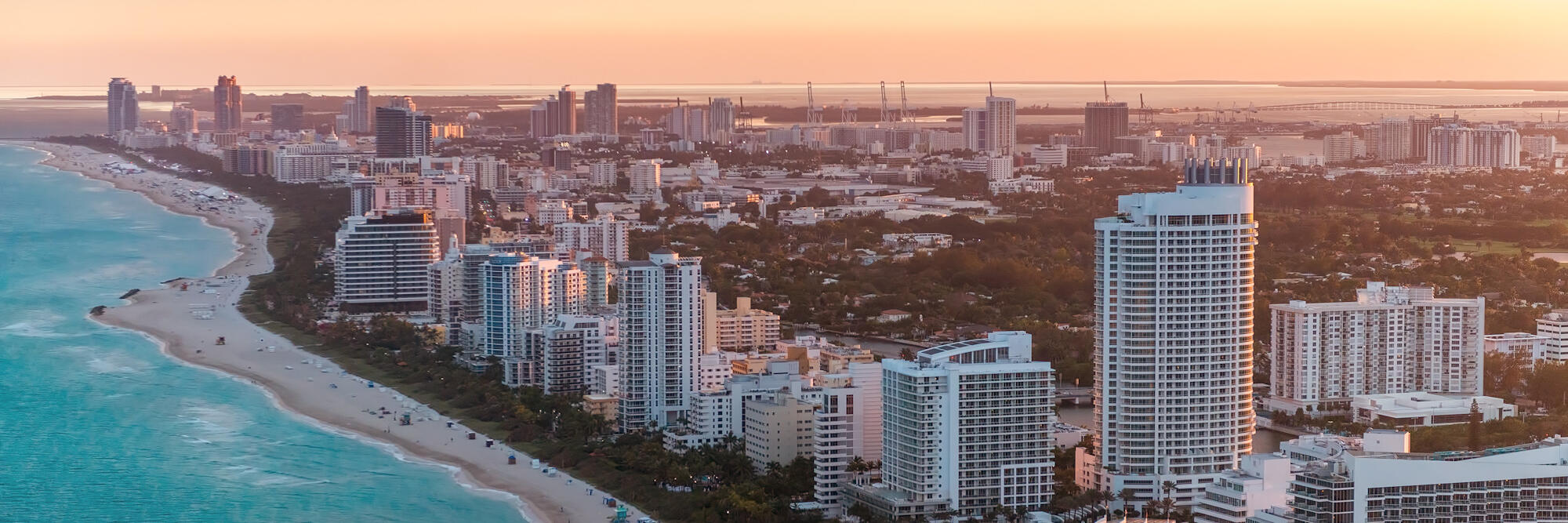
Despite a somewhat limited public transport network, getting around in Miami is fairly easy. While Miami’s public transport network is considered one of the most extensive in Florida, the system is not quite up to the standards of other major US cities like Boston or New York.
Given how spread out the wider metropolitan area is, transport authorities have struggled to integrate public transport in Miami as effectively as has been done in other cities. As a result, bus and train journeys can be slow, and most residents prefer to drive.
Public transport in Miami
Public transport in Miami is overseen by Miami-Dade Transit (MDT) and consists of a fairly wide-ranging bus network, a rail network and the Metromover, an automated ‘people mover’ that operates in Downtown Miami.
The public transport network uses an integrated ticketing system. The EASY Card, a rechargeable smart card, is the standard payment method across the network. Riders can also pay using contactless payment (bank cards and digital wallets) or the GO Miami-Dade Transit app.
Buses
The bus system in Miami serves nearly the entire city. Dozens of routes reach the suburbs and less accessible areas. The only drawback to using the city’s Metrobus system is that buses often run late due to traffic congestion. Most bus services arrive frequently, and there are a few 24-hour options.
The city even offers an express service during rush hour, and passengers can pay using their EASY cards or tickets. During the baseball season, MDT runs a dedicated bus service to Miami Marlins home games at loanDepot park.
Metrorail
Metrorail and Metromover are Miami’s answer to a subway. The Miami Metrorail system is a two-line train system that serves the city and its surrounding areas. The system consists of more than 20 stations and connects areas in the city centre to outlying suburbs.
The Metrorail operates between 5am and midnight. Metrorail trains are fairly frequent and arrive roughly every 12 minutes during peak hours. The Metrorail offers bicycle racks on most trains and at most stations. BikeLids (covered bicycle lockers secured with your own padlock) are also available at stations on a first-come, first-served basis.
The Metrorail Orange Line runs to Miami International Airport (MIA), and the system connects to Brightline intercity rail and Tri-Rail commuter services for travel further afield.
Metromover
The Metromover is a free and automated shuttle that runs a limited route. The Metromover is the quickest and most efficient way to get around central Miami. This option will help newcomers avoid expensive parking and the gridlocked traffic that Miami is famous for. The Metromover runs every day of the week between 5am and midnight, and arrives every 90 seconds during rush hours and every three minutes otherwise.
Trolley
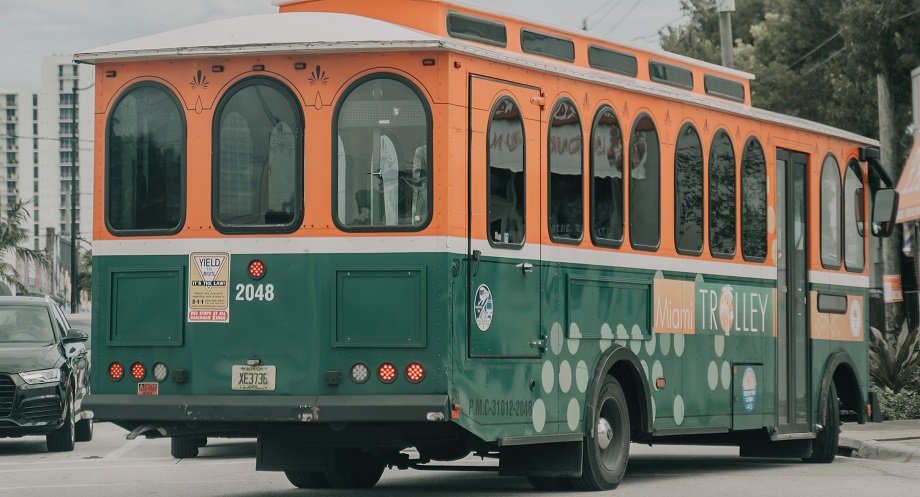
Travelling by trolley is a fun and free way to get around Miami and Miami Beach. The City of Miami operates more than a dozen trolley routes across its neighbourhoods, while Miami Beach runs its own separate trolley network. Most City of Miami trolleys run Monday to Saturday from 6.30am to 11pm, while the Miami Beach trolley runs daily from 8am to 11pm. The Miami Beach trolley arrives roughly every 20 minutes.
Useful links
- Miami-Dade Transit: Metrorail
- Miami-Dade Transit: Metromover
- City of Miami: Trolley Information
- City of Miami Beach: Free Trolley
Taxis in Miami
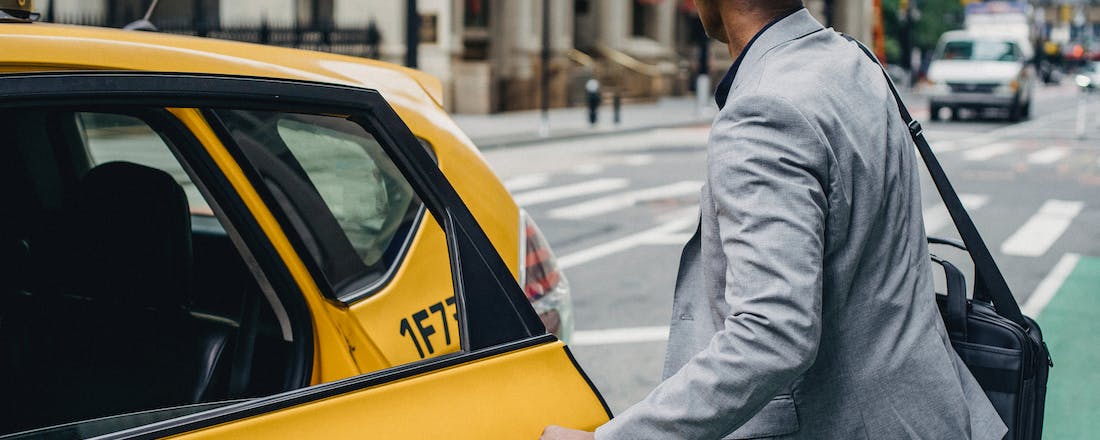
Taxis in Miami are known for being relatively expensive. Ride-hailing apps such as Uber and Lyft are the most popular options and are widely used across the city. Traditional taxis can be hailed at designated ranks outside most Metrorail stations or booked by phone. Unlicensed taxis are illegal in Miami-Dade County, so passengers should only use cabs clearly marked ‘taxi’ or ‘cab’ on the side.
Most taxis in Miami accept card payments, but it’s recommended to check with the driver beforehand. Passengers will be responsible for paying any tolls they come across on their journeys.
Useful links
Driving in Miami
Most of Miami’s residents prefer to own a car rather than rely solely on public transport. While driving in Miami is no easy task, having a vehicle affords newcomers an increased level of independence.
Navigating the streets of Miami is fairly straightforward because of the city’s grid system. Road conditions and signage are also generally good, and the streets are clearly numbered.
Drivers who are new to the city should take extra care, as locals have a reputation for driving aggressively and speeding. The experience of driving in Miami is made even more frustrating by rush-hour traffic congestion.
Miami has an extensive network of tolled expressways, and all major toll roads are cashless. A SunPass transponder (or the SunPass PRO for interstate travel) is practically a necessity; without one, tolls are billed at a higher rate via licence plate recognition. SunPass transponders can be purchased at most retail shops throughout Florida and activated online.
Driver’s licences
Expats can drive on a valid foreign driver’s licence while visiting or during their first period of residency. Once you become a Florida resident, you will need to obtain a Florida driver’s licence. Florida issues licences to non-immigrants for a maximum of one year at a time, and it’s tied to the validity of their immigration documents.
Expats who already hold a valid foreign driver’s licence are typically exempt from the State of Florida’s mandatory Traffic Law and Substance Abuse Education (TLSAE) course, which is otherwise the first step in obtaining a licence. You will need to take a written knowledge exam and a practical driving test to obtain a Florida driver’s licence. You must provide your own vehicle for the practical test.
Read Transport and Driving in the USA to learn more about national driving licences and standards.
Useful links
Cycling in Miami

Cycling in Miami is common along the popular beach areas, but the city is still developing an urban cycling culture. Miami has several biking trails across its parks. The city also has a bike-sharing and rental programme known as Citi Bike, which is available in Miami, Miami Beach, Surfside, and Bay Harbor Islands. The solar-powered system gives riders access to more than 160 bike stations.