Print
  • Hold down Ctrl key and select the sections you want to print. If using a Mac, hold down the Cmd key.
  • Use Ctrl + A or on Mac, Cmd + A to select all sections (if you are using the Chrome browser).
  • Click "Apply" and the site will customise your print guide in the preview below.
  • Click the "Print" button and a print pop up should appear to print to your printer of choice.

Moving to Miami

Living in Miami as an expat

Moving to Miami conjures up images of palm trees, sandy beaches, neon lights and Latin rhythms. Miami, Florida, has much to offer. Newcomers to the city will appreciate its cultural diversity, a product of unprecedented population growth over the past century.

Nicknamed ‘the Magic City’, Miami owes much of its history and unique character to its migrant population. That it’s also known as ‘the Capital of Latin America’ suggests something about the central role Hispanic people have come to play in Miami. The city also has a key role as a cultural and economic gateway between Latin America and the USA.

Working in Miami
Working in Miami

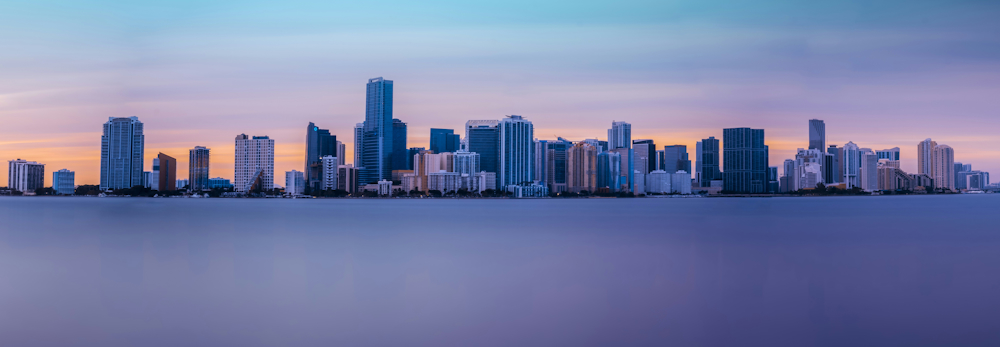
Working in Miami means access to a globally connected job market. The city is home to the headquarters of major corporations and functions as the Latin American outpost for other multinational businesses.

Tourism is one of several pillars of Miami’s economy, alongside international trade, finance, healthcare, and technology. PortMiami is one of the busiest cruise and cargo ports in the United States.

Finding a Job in Miami 
Visas and Residence Permits for the USA 
Work Permits for the USA

Lifestyle in Miami

Lifestyle in Miami

The lifestyle in Miami draws many newcomers for reasons beyond work; the Florida climate and the city’s atmosphere are hard to resist. A large variety of activities keeps newcomers entertained, from malls and museums to beaches and nearby national parks.

Large communities of Cuban, Haitian, Colombian, and Puerto Rican residents, among others, have left a deep mark on the city. This can be seen in the nightclubs, restaurants, music, and Miami’s general lifestyle, especially in areas like Little Havana.

Shopping, Nightlife and Entertainment in Miami

Finding accommodation in Miami

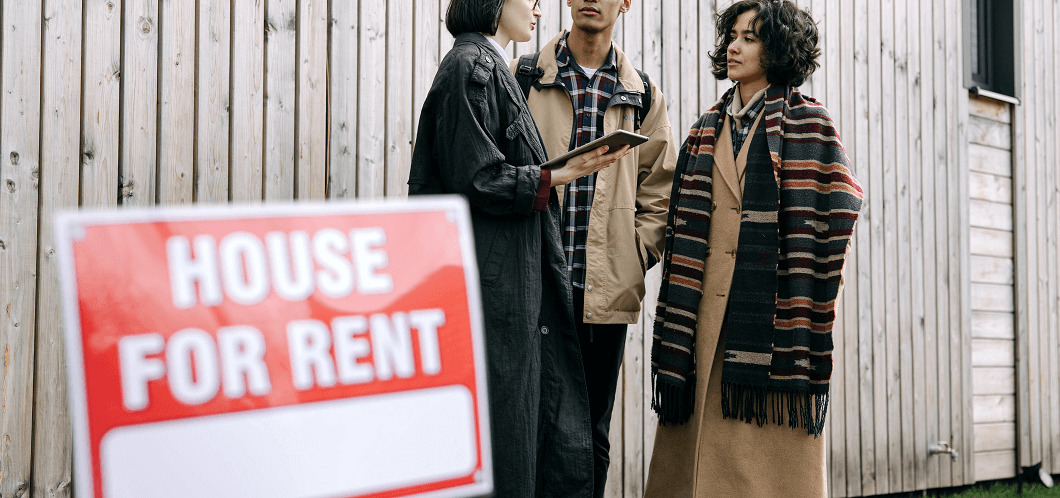
Finding accommodation in Miami takes patience and preparation. The rental market is competitive, particularly in central and coastal areas, and rents sit well above the national average. You will find high-rise apartments and condominiums near the urban core, and larger townhouses or single-family homes further out in the suburbs.

Where you live will depend on budget, the space you need, how long you are prepared to commute, and whether you need to be near good schools. Online forums are full of newcomers to Miami who say they underestimated both the cost of rent and the speed at which good properties get snapped up, so it pays to start your search early.

Renting Accommodation in Miami 
Best Places to Live in Miami

Cost of living in Miami

The cost of living in Miami is lower than in cities like New York and San Francisco, but it sits well above the US national average. Accommodation and entertainment in Miami don’t come cheap, but transport is fairly affordable and public schooling is free for locals and foreigners alike.

Expat parents who choose to enrol their children in international schools will pay handsomely, so they should ensure their relocation package covers this cost. Other expenses to consider include utilities and groceries, which can also add up; costs will vary by provider and by where you shop.

Cost of Living in Miami

Living in Miami with children

The city has a range of family-friendly attractions to entertain the kids outside school hours. From educational museums and aquariums to parks and amusement centres, families should not struggle to keep their children busy on the weekends.

New arrivals will also have access to a large selection of medical options; Miami has a sizeable healthcare sector. This quality of care comes at a high cost, though, so new arrivals need to have comprehensive health insurance.

Healthcare and Medical Insurance in Miami

Finding a school in Miami

Finding a school in Miami requires some research, as the standard of education varies from school to school. That said, the city is home to some excellent schools, and language classes are available to non-native English speakers in public schools. This helps many international families in the city manage the transition.

School and Education for Expats in Miami

Getting around in Miami
Getting around in Miami

Getting around in Miami is easiest by car, and most residents rely on one for their daily commute. Traffic at rush hour can be heavy, so many locals advise that you choose accommodation with the journey to work in mind.

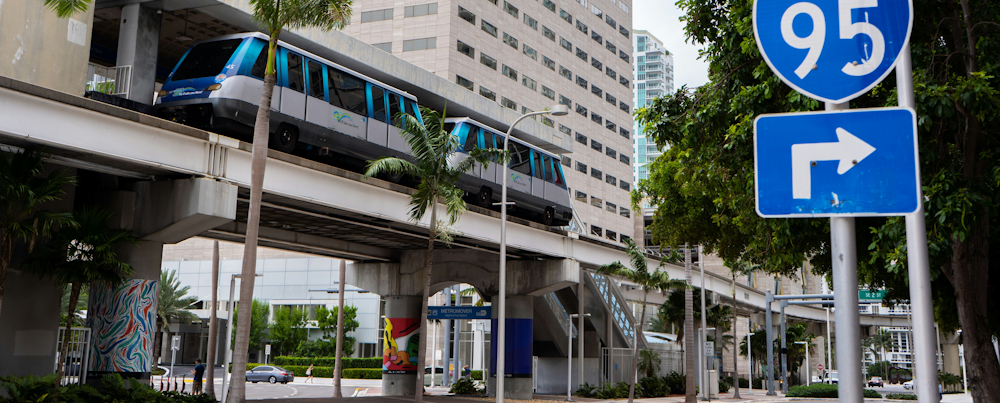
The city does have a public transit network of buses (Metrobus), an elevated rail line (Metrorail) that connects major hubs and the airport, and the Metromover, a free people mover loop that serves the downtown area. Tri-Rail provides commuter rail connections along the South Florida coast to Fort Lauderdale and West Palm Beach. These options work well for some commutes, particularly along the main transit corridors, but coverage outside the urban core is limited.

Some neighbourhoods are pleasant to walk or cycle in, although heat and humidity, especially in summer, steer most people towards early mornings or evenings for outdoor jogs or pedals.

Public Transport, Driver’s Licences and Driving in Miami

Climate and weather in Miami

The climate and weather in Miami rank among the most attractive aspects of a move to the city. Miami has a tropical climate and rarely experiences temperatures anywhere near zero. The city is known for its year-round warm, sunny weather. That being said, the heat and humidity can feel oppressive, particularly in summer.

Rainfall is common during summer, and the city lies within a recognised hurricane zone. Hurricane season runs from June to November, so new arrivals should have a preparedness plan in place.

Climate Charts for Miami

Newcomers who arrive with realistic expectations and an open mind are sure to enjoy life in the Magic City. But the trade-offs are real: housing costs are substantial, and summers are hot and humid. In return, you get year-round sunshine and a culture that feels more international than most American cities.

Weather in Miami

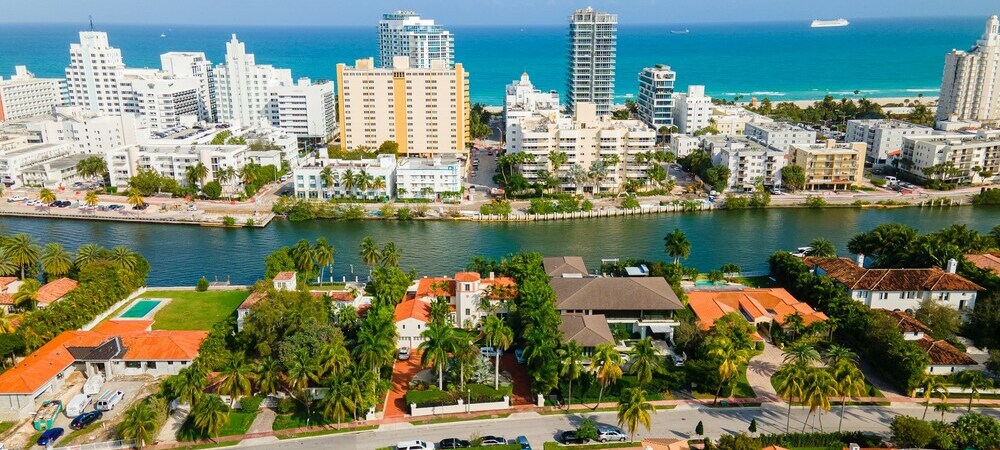
The weather in Miami is shaped by a tropical climate and long hours of sunshine throughout the year. A cool wind moderates the humid summer temperatures, and rainfall occurs mainly during summer.

Winters are short and warm, and are also the drier season. Miami doesn’t have distinct autumn and spring seasons, but temperatures during these months are mild and can be hot at times. Summer (June to September) high temperatures average around 90°F (32°C), whereas winter (December to February) temperatures range between 60°F (16°C) and 77°F (25°C).

Miami has never recorded measurable snowfall, although snow flurries were observed across Miami-Dade County during a freak cold snap in January 1977. There are occasional cold fronts during the winter months, when temperatures can drop below 50°F (10°C).

While fairly rare, Miami experiences hurricanes of varying degrees of seriousness every six to eight years. The Atlantic hurricane season runs from the beginning of June to the end of November, with peak activity between mid-August and late October. New arrivals should get regular news updates and follow official safety precautions during hurricane events.


Pros and Cons of Moving to Miami

The pros and cons of moving to Miami start with the city itself: its Latin roots and racy creative energy make it one of the most evocative destinations in America. Wildly different from New York and Los Angeles, Miami’s signature flair runs through everything, from its gorgeous turquoise shoreline and tropical gardens to its whimsical Art Deco architecture and eclectic food choices.

Those moving there should look forward to its youthful character but should recognise the city’s drawbacks as well. Below, we list some of the pros and cons of moving to Miami to give new arrivals some perspective.


Accommodation in Miami

Accommodation in Miami

+ PRO: Diverse housing types

Accommodation in Miami comes in many forms, and some apartments are fully furnished. Some include amenities such as fitness centres and pools, and units often feature modern appliances. Condos and apartments dominate the market, although townhouses are also widely available.

Finding Rental Accommodation in Miami


Lifestyle in Miami

Lifestyle in Miami

+ PRO: Outdoor activities are endless

Miami’s lush parks are great places to enjoy jogging, dog walking, yoga, volleyball, basketball, outdoor gyms, and, of course, barbecues. Visitors can fish along the pier at Oleta River State Park and canoe through the untamed Oleta River.

Other popular spots include Bayfront Park and Margaret Pace Park, both on the waterfront. The city also has terrific golf courses and a gorgeous coastline for yachting, sailing, surfing, and diving.

+ PRO: Great nightlife

Miami’s nightlife scene rivals that of any city in the United States. The city has an impressive selection of oceanfront clubs and live music venues.

+ PRO: Rich in food culture

Newcomers will find many authentic ethnic restaurants in Miami. Cuban, Haitian, Brazilian, Puerto Rican, and Colombian are just a few of the ethnicities that make up the food scene, although the Cuban sandwich is perhaps the city’s most representative dish. Newcomers can grab one almost anywhere in Miami.

+ PRO: Cultural melting pot

Miami is a true melting pot. Residents from Cuba, Haiti, Central and South America, and other parts of the Caribbean live throughout the city. Their art, food, dance, music, and observances are infused with the city’s character. Neighbourhoods like Little Havana and Little Haiti retain wonderfully distinctive cultural traits, as does Little Bahamas (formerly Coconut Grove Village West).

Lifestyle in Miami


Cost of living in Miami

+ PRO: Low taxes

One of the perks of moving to Florida is that there is no state income tax. This means that Miami residents can save thousands of dollars if they have a fixed income. Property taxes vary by municipality, although residents will generally receive a discount if they pay early. There are several sales tax exemptions as well.

- CON: Accommodation costs are high

New arrivals often report that it’s tough to find an affordable house or apartment in Miami. The cost of accommodation in Miami is much higher than the average across the USA. A big factor that pushes accommodation prices up is the limited available coastal land.

- CON: Healthcare is expensive

Healthcare is extremely expensive in Miami, as it is in other US cities. Even with health insurance, many residents find that out-of-pocket costs for specialist and premium services can be burdensome.

Healthcare in Miami


Working in Miami

Working in Miami

+ PRO: Work environment is rated highly

Working in Miami has its perks: the city often appears in surveys where employees report high job satisfaction. Employees frequently cite the city’s cultural openness and strong relationships between coworkers and management. Compensation and growth opportunities score well, and many workers value the degree of autonomy their employers grant.

- CON: Tight job market

One drawback to living in Miami is that the job market can feel more competitive than in other major US cities. Salaries are generally lower, and employers often prefer to hire candidates who speak both English and Spanish.

Working in Miami


Getting around in Miami

Getting around in Miami

+ PRO: Useful public transport options

Although the public transport network in Miami is not as extensive as that in Boston or New York City, Miami’s bus service reaches most parts of the city. Miami-Dade Transit operates buses and two rail systems (the Metrorail and the free Metromover) under one integrated fare system, so transfers are straightforward.

- CON: Traffic is a problem

Miami regularly ranks among the most traffic-congested metros in America, and its drivers have a poor reputation. Commute times in Miami-Dade County are well above the national average and have been pushed higher by the city’s geography and rapid population growth.

Getting Around in Miami


Weather in Miami

- CON: High humidity

Miami’s heat and humidity can be overwhelming, especially in the summer. Shade alone is not enough; most residents plan their summer days around air-conditioned spaces. The warm, humid conditions also support an abundance of insects, spiders, lizards, and other wildlife that newcomers are often unprepared for.

- CON: Tropical storms

Hurricanes and tropical storms are a factor from June through November. This is also Miami’s rainy season, when torrential afternoon showers are an almost daily occurrence.

Weather in Miami


Education in Miami

- CON: School quality varies by area

Public school quality in Miami-Dade can differ sharply from one neighbourhood to the next. The most sought-after schools tend to be in suburbs where property is pricier, and many families let school zoning guide their choice of home.

+ PRO: Plenty of school options

Miami-Dade County runs one of the largest public school districts in the United States. Families can also choose from many private and international schools. Florida’s charter school system adds further choice, and several magnet and college preparatory programmes are well regarded.

Education and Schools in Miami

Working in Miami

Newcomers working in Miami will find themselves in one of the most important economic centres in the southeastern portion of the United States. Its proximity to Latin America and large migrant population have given the city a regional importance that extends well beyond US borders.


Job market in Miami

Job market in Miami

The job market in Miami is largely driven by jobs in finance, commerce, construction, healthcare, and tourism. The city has also rapidly emerged as a tech and startup hub, particularly in fintech.

Several large corporations have headquarters in the city, while many others have their Latin American operations based here. It’s also the epicentre of Spanish-language entertainment in the USA, with numerous Spanish-language broadcasters based in the city, as well as the Latin divisions of various major music record labels.

PortMiami and Miami International Airport are among the busiest ports of entry into the United States for both cargo and passengers. The airport handles more flights to Latin America than any other in the country, and the port set a record for container volume in 2024.

Most of the largest employers in Miami are in education and healthcare. Miami-Dade County Public Schools is the county’s largest employer, followed by the University of Miami and Baptist Health South Florida. The airline and cruise liner industries also attract many employees.

Most foreigners in the city tend to work as managers, as well as in office and service industry jobs. The health, education, and social services sectors also continue to employ a fairly large number of migrants.


Finding a job in Miami

Finding a job in Miami is not as straightforward as it once was. The city has become a hugely popular relocation destination; the post-2020 influx of remote workers and professionals from cities like New York and San Francisco has made competition for good positions fierce. Salaries tend to be lower than in many other US cities, too, although wages have been rising faster than the national average.

Most job seekers in Miami rely on online portals and LinkedIn to find openings, although specialist employment agencies can also be useful. Networking counts for a great deal in this city; recruiters and forum users alike stress that personal connections often outperform cold applications. An intercompany transfer through one of the many international firms based in the city remains the smoothest way to arrive with a good job already in hand.

One of the best ways to gain an advantage when seeking employment in Miami is being able to speak Spanish, given its Latino population and the frequency with which companies interact with Central and South American associates.

Visas for the USA
Work Permits for the USA

Useful links


Work culture in Miami

Work culture in Miami

The working environment in Miami is as varied as the city itself. The Western corporate culture that dominates in large companies will be familiar to many newcomers, while other businesses may be more casual.

Generally speaking, business culture in the US is incredibly individualistic. The working world rewards ‘go-getters’, while those who lack independence and initiative lag behind. Status and age are largely obsolete, and professional merit and proven achievement are the vehicles for advancement. Expats coming from societies where seniority is tied to social class or length of service may find acclimatising to this idea especially challenging.

Business Culture in the USA

Cost of Living in Miami

In comparison to other major US cities such as New York and San Francisco, the cost of living in Miami is lower. It remains an expensive city on a global scale, particularly in terms of housing and daily expenses.

The cost of living in Miami is largely influenced by your lifestyle choices; there are just as many opportunities to save as there are to splurge. Florida levies no state income tax, an advantage that can offset some of the higher costs. Accommodation and transport are likely to be your biggest expenses.


Cost of accommodation in Miami

The cost of accommodation in Miami has been climbing steadily as property prices continue to rise. Homeowners benefit, but rental prices are keeping pace.

When looking for accommodation in Miami, you may notice that there’s plenty of availability in new and expensive developments, but there are far fewer options on a tight budget. Outlying suburbs are generally cheaper than central inner-city areas, and adding a little extra to your commute time can pay off when it comes to saving money on rent.

Utilities in Miami are slightly above the national average, although the difference is small. Be prepared for some initial rental costs, including security and utility deposits.

Accommodation in Miami


Cost of transport in Miami

The cost of transport in Miami is reasonable, although the public transport system is not as comprehensive as those in other major US cities. You can reduce your transport costs by purchasing a reloadable EASY Card. Contactless bank cards and mobile wallets are also accepted on Metrorail and Metrobus.

Most people in Miami tend to own a car for convenience. If you’re planning a move to the city, you would do well to budget for the cost of buying and maintaining a vehicle. Petrol (gas) and vehicle maintenance are expected running costs. Parking fees in busy areas around downtown and South Beach can also add up quickly.

Public Transport and Driving in Miami


Cost of groceries in Miami

The cost of groceries in Miami is around 10 percent higher than the national average. Shop around and visit several grocery shops during your first few weeks in Miami to find the most affordable supermarkets in your neighbourhood.

Aldi, Costco, and Trader Joe’s are among the least expensive supermarkets in Miami. Publix is the most popular grocery shop in the city, but shopping at premium supermarkets for all your basics can be quite expensive. Farmers’ markets and Latin grocery shops in neighbourhoods like Little Havana often sell fresh produce and staples at lower prices.


Cost of entertainment and eating out in Miami

The cost of entertainment and eating out in Miami can be steep, especially in popular areas such as South Beach. Plenty of affordable options await. You could hike through the Everglades National Park or perfect your tan on the beach.

The food in Miami is influenced by the city’s diversity, and the cost of eating out will largely depend on your personal preferences. Food trucks and international eateries are more affordable options, but you should expect to pay a premium at sit-down restaurants. Alcoholic drinks are also fairly pricey, so you’ll need to be strategic on a night out.

Lifestyle in Miami


Cost of education in Miami

The cost of education in Miami depends largely on school type. Foreigners and US citizens alike can attend public schools free of charge, and many of these offer a good standard of education. Parents who wish to send their children to a private or international school in the city should note that school fees can be high, and there are often additional expenses for things like school uniforms, stationery, extracurriculars, and textbooks.

Education and Schools in Miami


Cost of healthcare in Miami

The cost of healthcare in Miami is high, as the USA does not have universal healthcare, and you’ll need private health insurance to reliably access the city’s medical facilities. The standard of care is excellent.

Some new arrivals may be fortunate enough to have their health insurance covered by employers. Those who do not can compare different health insurance providers and choose the most appropriate cover for their needs. Even with employer-sponsored insurance, out-of-pocket costs such as deductibles and co-pays can be substantial.

Healthcare and Medical Insurance in Miami


Cost of living in Miami chart

Prices are listed in US dollars (USD) and may vary depending on the product and service provider. The list below shows average prices for Miami in May 2026.

Accommodation (monthly rent)
One-bedroom apartment in the city centreUSD 2,900
One-bedroom apartment outside the city centreUSD 2,100
Three-bedroom apartment in the city centreUSD 5,500
Three-bedroom apartment outside the city centreUSD 3,700
Shopping
Eggs (dozen)USD 5.20
Milk (1 litre)USD 1.30
Rice (1kg)USD 6
Loaf of white breadUSD 4
Chicken breasts (1kg)USD 16
Cheese (500g)USD 9
Eating out
Three-course meal for two at a mid-range restaurantUSD 120
Big Mac MealUSD 15
Coca-Cola (330ml)USD 3.20
CappuccinoUSD 5.60
Local draft beer (500ml)USD 8
Utilities
Mobile phone monthly plan with calls and dataUSD 65
Internet (average per month)USD 65
Basic utilities (average per month for a standard household)USD 170
Transport
Taxi rate (per kilometre)USD 2
Bus/train fare in the city centreUSD 2.25
Gasoline/petrol (per litre)USD 0.90

Accommodation in Miami

Accommodation in Miami is as diverse as the city itself. Art Deco apartments on palm-lined streets, gentrified lofts, Mission-style houses, and modern high rises all feature in Miami’s housing stock.

While Miami is one of the most popular destinations for British expats buying property in the USA, many new arrivals prefer renting at first to get a better sense of their new surroundings. New arrivals and expats to the city should note that finding accommodation in Miami can be challenging due to the supply issues the city is experiencing.


Areas and suburbs in Miami

Areas and suburbs in Miami

The biggest thing that’ll guide a newcomer’s decisions when looking for housing in Miami is whether they’re moving with a family. Miami is great for singles, but those with families may not appreciate the party atmosphere of certain neighbourhoods.

Nature-loving youngsters who have a bit of leeway in their budgets will find Key Biscayne perfectly suited to their lifestyles, as the suburb offers access to waterfront parks and a golf course.

As is the case when moving to any city, the distance to work and school, pricing and the accessibility of public transport should be primary concerns. Areas like South Beach make it convenient to commute around the city centre, although the price is a hindrance for many prospective residents.

Areas further away from the city centre usually offer larger and more affordable accommodation, but access to public transport is more restricted, often making a car a necessary purchase. Many of these areas do have reputable schools, however, making them quite popular among families.

Read about the Best (and Worst) Neighbourhoods in Miami.


Types of accommodation in Miami

Miami offers its residents a wide range of accommodation options, including Conch-style homes, apartments, bungalows, high-rise condos, and Art Deco homes. Conch-style or Bahamian homes are largely built of wood and set atop piers, and many are concentrated in Coconut Grove or Overtown.

Art Deco homes typically include everything from freestanding homes to condos, and these are mainly in the Art Deco District. Preservation rules restrict alterations and demolition of Art Deco properties, although owners are free to buy and sell them. High-rise condos are the heart and soul of Miami, and these properties usually include luxury amenities such as gyms, swimming pools, and lifestyle centres.


Finding accommodation in Miami

Finding accommodation in Miami

Getting to know the different areas and suburbs in Miami is a key step when house hunting. Physically exploring a neighbourhood has the added advantage of seeing properties for sale or for rent that may not be listed elsewhere. Another alternative for finding accommodation in the city is by searching online classifieds and social media groups.

A less time-consuming option is hiring a real estate agent or contacting a property management company. The one downside of this is that some agents are more scrupulous than others. A good way to minimise risks is to go by word of mouth and ensure that the agent belongs to a reputable realtors’ organisation.

A small number of new arrivals reach Miami with a relocation company already lined up. An employer typically arranges this kind of service for senior corporate transfers. A relocation consultant will assess their preferences and pull together a shortlist of properties to visit. The service spares them the legwork of online searches and neighbourhood exploration.

Useful links


Renting accommodation in Miami

Whether negotiating with an individual owner, a real estate company or a condominium’s board of trustees, newcomers should be aware of the processes and costs attached to renting in Miami. Renting a condo in Miami often involves more bureaucratic processes than dealing directly with an owner and may entail extra fees for things like registration, parking, or even owning pets. Realtors are also likely to charge agent fees.

Making an application

Most landlords in Miami require new arrivals to complete a written application form. They will usually also have to present proof of identity, a social security number (or ITIN), recent payslips or bank statements as proof of income, and references from past landlords. Application fees are common and cover the cost of credit and background checks.

Leases

Written leases in Miami can range from a formal contract to a simple letter that outlines the landlord’s and tenant’s rights and obligations. Leases are generally for a fixed term, which is typically a year. If a lease doesn’t say what the duration of the contract is, the duration is determined by the period in which the tenant pays their rent, for example, weekly or monthly.

Deposits and fees

Landlords in Miami tend to charge a security deposit of one to two months’ rent upfront, as well as the first and last month’s rent. New arrivals shouldn’t be afraid to negotiate, although Miami’s tight rental market means concessions on the security deposit are far from guaranteed.

Terminating the lease

A lease in Miami can end at its natural expiry or be terminated early. Most fixed-term leases require written notice from either party who wants to end the agreement, and Florida’s Landlord and Tenant Act sets the notice periods. For month-to-month tenancies, 30 days’ written notice is typically required. Tenants who break a fixed-term lease early may be liable for the unpaid balance of the lease unless the landlord agrees to release them or finds a replacement tenant. Once the lease ends, the landlord must return the security deposit within the timeframe set by state law; if no portion is withheld, this is usually 15 days.

Read Accommodation in the USA for more on national rental processes.


Utilities in Miami

Utilities in Miami

Typically, tenants in Miami are responsible for paying for their own utilities, but they should check with their landlord whether it’s their responsibility to set these services up or not. In some cases, utilities like gas and electricity will be paid for by the landlord; however, this can lead to a higher rental fee.

Electricity and gas

Florida’s electricity market is regulated, so new arrivals do not get to compare prices or pick a provider; the utility for each address is assigned by location. Florida Power & Light is the electricity provider for most of Miami.

Natural gas comes from a smaller pool of suppliers, and Florida City Gas serves Miami-Dade. Those who already have an FPL or Florida City Gas account at another address can simply call to switch the connection from the old address to the new one.

Water

Miami’s drinking water supply comes entirely from groundwater wells and is supplied by the Miami-Dade County Water and Sewer Department. Landlords are typically responsible for the water bill in Miami. New arrivals purchasing or renting a freestanding home may need to start a service with the Water and Sewer Department, which can be done online, in person, or by telephone.

Bins and recycling

Both the rubbish removal and recycling collection schedules can be checked on the city’s official website. Residents are required to put their bins outside 12 to 24 hours before the removal day.

The city has strict rules about what can and can’t be recycled, and recyclable items are collected from single-family homes biweekly. Apartment complexes and multifamily buildings are legally mandated to provide recycling programmes for their residents.

Things like paper, plastic and unbroken glass can all be recycled. On the other hand, electronic waste, medical waste, and batteries are non-recyclable items.

Useful links

Areas and suburbs in Miami

The best places to live in Miami

Finding the best places to live in Miami means getting to know the Magic City’s geography. The city can be roughly divided into the North, West, and South sections, as well as the eastern Downtown district that hugs the Atlantic Coast. New arrivals can choose from a wide range of areas and suburbs in Miami, from spirited Latino communities to the glitzy atmosphere of South Beach.

Property in some of the most popular areas of Miami is, however, in such high demand that it can sometimes be challenging to find a home that meets all of a house hunter’s needs at a reasonable price. As a result, when looking for housing in Miami, it may be necessary to be somewhat flexible in terms of size and budget. Enlisting the help of a real estate agent will also ease much of the stress of finding accommodation.


Luxury living in Miami

Luxury living in Miami

Luxury living in Miami is easy to find. That said, demand for real estate in certain popular areas or complexes can be so high that prospective tenants may find themselves on a waiting list for their dream home, regardless of their budget.

Brickell

A cosmopolitan neighbourhood close to Miami’s financial and commercial district, Brickell tends to attract affluent business executives who enjoy the convenience of being close to the office. The area is enhanced by the natural beauty of Biscayne Bay and also boasts some of Miami’s best fine dining spots and eclectic boutique shops.

The area offers expats the best in city living and is well serviced by Miami’s public transport system. The free Metromover connects Brickell directly to Downtown. Accommodation options tend to be mostly high-rise condominiums or penthouses, and as can be expected, rent in Brickell doesn’t come cheap. Apartments in some of the more sought-after complexes in Brickell are often hard to come by, so prospective tenants might need to put their names on a waiting list.

South Beach

South Beach used to be associated with retirees and starving artists, but in recent years, this part of Miami has undergone a massive transformation. It’s now more than just a popular spot for holidaymakers; it’s also home to some of the city’s most affluent residents. The neighbourhood is packed with glamorous nightlife and shopping, making it difficult to get bored here.

South Beach is one of the few areas of the city where most residents opt not to have a car. The neighbourhood is well served by the Miami public transport network, and while there is no Metrorail service, a free trolley runs seven days a week alongside frequent bus routes. Taxis and rideshares are readily available.

Bal Harbour

Technically a standalone village on the northern tip of Miami Beach, Bal Harbour is the epitome of luxury living and provides a wide selection of ultramodern apartment complexes. Expats moving to Bal Harbour will find it easy to settle in, as it’s home to a large international community that creates a friendly atmosphere. It’s also one of the safest areas in Miami.

Those living in Bal Harbour will find themselves close to some of the city’s top designer boutiques, gourmet restaurants and trendy bars. The area is also close to the beach, and for those who don’t want to walk, there are plenty of bus services in this part of Miami. As one would expect, accommodation in Bal Harbour is expensive and often hard to come by.

Public Transport in Miami 
Entertainment in Miami


Family-friendly neighbourhoods in Miami

Family-friendly neighbourhoods in Miami

Family-friendly neighbourhoods in Miami tend to cluster further from the city centre, where newcomers with children will find spacious homes close to good schools.

Coral Gables

Coral Gables is one of the most historic suburbs in Miami. This area is popular among families because it is close to several good schools. The area is also well served by Metrorail and bus services.

Officially a city in its own right, Coral Gables has many gated complexes located in picturesque settings, surrounded by trees, open green spaces and canals. Known as the City Beautiful, the area has many laid-back bars and good eateries, and it is also home to the University of Miami.

Coconut Grove

Coconut Grove has a strong community feel and is more residential and peaceful than areas such as South Beach. There is a bustling cultural scene in Coconut Grove, which is home to a wealth of artists and writers. The historic Coconut Grove Playhouse, one of Miami’s most storied theatres, closed in 2006 and is currently undergoing a major reconstruction. It is expected to reopen in 2027. Like Coral Gables, Coconut Grove is home to a fair number of excellent schools, making it perfect for families.

Schools in Miami


Young and hip areas in Miami

Young and hip areas in Miami

Although much of the property market in Miami is geared toward those with larger budgets, the young and hip areas in Miami prove it’s still possible to find apartments that won’t break the bank.

Little Havana

Rental prices in Little Havana are far more reasonable than one might find elsewhere in the city. One of the best suburbs in Miami for those on a tight budget, or who just want something a little different, it has steadily gentrified over the past decade, and rents are rising as a result.

Traditionally home to immigrants from Cuba, the area has become somewhat more diverse in recent years and now accommodates residents from Puerto Rico, Colombia, and Guatemala, which accounts for its truly Latin American atmosphere.

Over the past few years, there has also been an influx of students and artists into the area, bringing with them a growing number of Bohemian bars, cafés and restaurants. Comprehensive bus services connect Little Havana to Miami’s city centre and neighbouring suburbs.

Kendall

One of the safest and most affordable Miami neighbourhoods, Kendall offers a quieter pace of life while still providing access to key city amenities. Many young professionals who would like to save a few bucks enjoy living in Kendall, despite a 30-minute to 1-hour commute to Downtown Miami. The neighbourhood boasts a lively restaurant scene, golf courses and parks.

Healthcare in Miami

Healthcare in Miami is well resourced, and expats should have few problems finding quality medical care. There are dozens of hospitals, clinics, and general practitioners to serve the needs of a population that places high importance on looking and feeling good.

The quality of hospitals in the city is generally good, and several facilities hold nationally recognised rankings. Experiences can vary, though, so it pays to research providers carefully. There are also many pharmacies in Miami. This includes chain stores, independent pharmacists, and in-store supermarket pharmacies.

Miami’s large Spanish-speaking population means that bilingual healthcare services are widely available, which is a real advantage for expats from Latin America and Spain.

Expats should invest in health insurance, since long-term care can be denied to patients without proper coverage. Although hospitals in Miami are required to accept patients in need of emergency care, they will still be liable to pay for treatment. Expats with overseas medical insurance should ensure they are still covered while living in Florida.

Understanding Health Insurance in the USA 
Healthcare in the USA


Hospitals in Miami

Hospitals in Miami

Baptist Health South Miami Hospital

Website: www.baptisthealth.net
Address: 6200 SW 73 Street, Miami, FL 33143

Jackson Memorial Hospital

Website: www.jacksonhealth.org
Address: 1611 NW 12th Avenue, Miami, FL 33136

Nicklaus Children’s Hospital

Website: www.nicklauschildrens.org
Address: 3100 SW 62nd Avenue. Miami, FL 33155

University of Miami Hospital

Website: www.umiamihealth.org
Address: 1400 NW 12th Avenue, Miami, FL 33136

Mount Sinai Medical Center

Website: www.msmc.com
Address: 4300 Alton Road, Miami Beach, FL 33140

Education and Schools in Miami

Education and schools in Miami are overseen by Miami-Dade County Public Schools, one of the USA’s largest school districts. The district has invested heavily in bringing public education into the digital age. Many students and teachers at schools in Miami now use computer-driven learning platforms.

The district has also had a history of challenges, including funding shortages and uneven distribution of students between schools. As a result, there’s a gulf in quality between schools, which is often determined by where they’re situated. Parents will have a broad spectrum of choices between schools, however, and Miami is also home to some of the best schools in the USA.

While most new arrivals to Miami find a public school that satisfies their requirements, others prefer private education. Expats who are not planning long-term stays in Miami often favour international schools.


Public schools in Miami

Public schools in Miami

Public schools in Miami are free of charge, and expat children are eligible to attend one in their local area. The registration process is usually quite straightforward. As public schools are largely funded by taxes, schools in wealthier neighbourhoods tend to have better facilities. Newcomers should take this into consideration when looking for accommodation.

While newcomers will not have to pay tuition, some schools do charge for textbooks, equipment, and uniforms. Parents should check whether there will be any fees associated with schools in their area before applying, as they may need to set aside some money to cover them.

Newcomers with children who don’t speak English as a first language will also be glad to know that extra English classes are available to children who need them.

Charter schools

Charter schools are public schools that are bound by a performance contract with the district school board in exchange for more freedom in how they teach the state-mandated curriculum. This gives parents more scope in choosing a school that suits their child’s talents and personality at various levels of education.

The balance between freedom and accountability means that charter schools in Miami are among the best in the state. Charter schools are non-profit organisations funded through the Florida Education Finance Program in the same way as traditional public schools.

Charter schools are obligated to accept all applicants, but in the case there are more applicants than places available, they are required by law to use a lottery system to determine which students can attend. Many schools also have a waiting list, from which they can accept students as places become available.

Magnet schools

There’s been increased emphasis on building magnet schools and converting existing schools to operate on this model for several years. Unlike regular public schools, magnet schools in Miami often emphasise a particular focus area.

They often enjoy better reputations, lower dropout rates, and more diversity than standard public schools. Some of the best schools in Florida, and the USA as a whole, include Miami’s magnet schools, which specialise in fields like maths, science, technology, and the arts.

About a third of all magnet schools have an admissions process that enables them to draw from a talented pool of students. This process could be in the form of an entrance examination, an interview, or an audition, depending on the subject area the school specialises in. The remaining two-thirds of magnet schools either select all students who apply, or if there are fewer places available than applicants, they use a lottery system to select students.

The magnet application window typically opens in October and closes in mid-January. Results are sent out in mid-March. Families new to Miami should plan well ahead, as school tours often fill up months in advance.

Best Neighbourhoods in Miami 
Accommodation in Miami

Useful links


Private and international schools in Miami

A significant proportion of expat students attend private schools in Miami, many of which offer religious instruction, particularly Catholic instruction. These tend to have good reputations and superior facilities at a higher cost than public schools. Gaining admission to one of the city’s private schools can be difficult, and families should be prepared for entrance exams, interviews, extensive school tours, and open days for potential students.

Many of these institutions provide financial aid to qualifying students who can’t afford tuition. That said, this shouldn’t be counted on, as funding availability is also highly competitive and may have certain restrictions.

Unfortunately, international schools in Miami that offer overseas curricula are limited, although several private and charter schools offer the International Baccalaureate (IB) or Cambridge International curriculum.

Useful links


Special educational needs in Miami

Special educational needs in Miami

Public schools in Miami-Dade County follow a policy of maximum inclusion. The city even has an Inclusive Schools Week, which is a national movement to encourage schools to give special needs students more opportunities when it comes to taking classes and participating in activities with their general education peers.

Miami also boasts some excellent special education private schools. These schools primarily serve specific groups of students, such as those with learning difficulties, speech or hearing impairments, physical disabilities, and other special needs.

Parents of special needs students should contact the school district and network with other parents to find their perfect fit school. Speaking directly with the Exceptional Student Education (ESE) coordinator at individual schools is also recommended, as the quality of support can vary from campus to campus.

Useful links


Tutors in Miami

Miami has a wide range of options when it comes to tutoring. Parents can enrol their children in tutoring centres, enlist the help of a private tutor for one-on-one or group classes, or even find tutors online.

A unique tutoring option in Miami is found in the Miami-Dade Public Library System. Certified teachers are available to meet with small groups of children between grades K-12 at the city’s public libraries. These teachers provide homework help and tutoring in reading, maths, and science. In-person group sessions are held on Saturdays at participating library locations, and online one-on-one sessions are also available on Wednesdays and Thursdays. The best part is that this option is free of charge.

Useful links

Lifestyle in Miami

The lifestyle in Miami is one of its most attractive features. The Magic City elicits images of neon-lit clubs, humid Latin rhythms, and shimmering beaches.

Whether exploring the restaurants and nightlife of the Art Deco District or gliding along the Everglades in an airboat, residents of Miami can enjoy all the attractions of a world-renowned holiday destination year-round.


Shopping in Miami

Shopping in Miami

Newcomers have various options when it comes to shopping in Miami, whether they want to soak up the sun ambling down the city’s retail avenues or explore the glossy interiors of its shopping malls.

Aventura Mall’s more than 300 retailers make it Florida’s largest mall, and it is one of the most popular shopping malls in Miami. Other prominent malls in Miami include CocoWalk, which is designed to blend into Coconut Grove’s village ambience, and the Falls, with its abundant water features and foliage.

For a more authentic shopping experience, new arrivals can visit the boutiques and independent shops of Bayside Marketplace and Mary Brickell Village.


Nightlife and entertainment in Miami

Few experiences rival the nightlife and entertainment scene in Miami. The city is famous for its electric evening entertainment, from opulent lounges to tropical bars. It’s perhaps best known for its Latin clubs, cafés infused with Cuban culture, and live music venues that rumble with the flavour of Latin rhythms.

Those moving to Miami will discover that each neighbourhood has a distinct nightlife identity. While Miami may be famous for its beach clubs, neighbourhoods such as Wynwood and Downtown Miami are home to trendy warehouse club scenes.


Outdoor activities and sports in Miami

Outdoor activities and sports in Miami

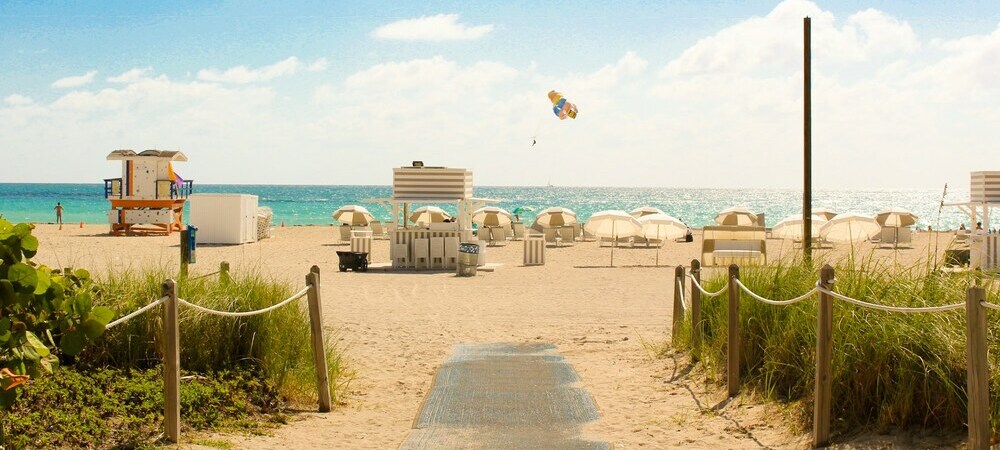
Newcomers who prefer their entertainment out in the sun will enjoy the range of outdoor activities and sports on offer in Miami. South Beach is arguably Miami’s most celebrated beach and is divided into sections to suit a wide variety of sun worshippers.

Lovers of the great outdoors can wander nature trails through mangrove forests or camp in one of the nearby national parks. The renowned Fairchild Tropical Botanic Garden is another popular draw.

Active newcomers will love boating in Biscayne Bay and cycling along the Venetian Causeway. Yoga on the beach is another local favourite. The city also boasts championship golf courses and some of the most famous names in sports. Basketball fans pack out Miami Heat games, and the Miami Dolphins regularly fill their stadium for American football. Inter Miami CF has lifted the city’s soccer profile in recent years.


See and do in Miami

See and do in Miami

New arrivals to Miami will have a great time finding their way around and discovering the many attractions in the city, from sun-kissed beaches to trendy shopping malls. Here’s a selection of what to see and do in Miami.

Vizcaya Museum and Gardens

This magnificent villa houses original Renaissance, Baroque, Rococo, and Neoclassical furniture across more than 70 rooms of distinctive architectural interiors. The manicured perfection of its gardens is simply breathtaking to stroll through. The villa’s opulent grandeur is no less impressive.

Ancient Spanish Monastery

Dating back to 1133 AD, the Monastery of St Bernard de Clairvaux in North Miami Beach is one of South Florida’s most popular tourist attractions. The structure originally stood in Sacramenia, a village near Segovia in northern Spain. Newspaper magnate William Randolph Hearst bought it in 1925 and had it shipped to the United States stone by stone in 11,000 crates; the reassembled monastery finally opened on its current site in 1952.

Miami Children’s Museum

The Miami Children’s Museum has various interactive, educational exhibits, as well as offering events and camps. It’s a great place for children to learn in a creative atmosphere.

Phillip and Patricia Frost Museum of Science

The Phillip and Patricia Frost Museum of Science houses a planetarium and a three-level aquarium on its downtown waterfront campus. Hands-on STEM exhibits fill the rest of the space. Children can touch a stingray on one floor and tour the cosmos on the next. It’s a strong pick for curious families.

Biscayne National Park

Biscayne National Park is home to fascinating coral reefs and magnificent wildlife. Its Maritime Heritage Trail leads divers to a series of eerie historic shipwrecks. The park is known as one of the best scuba-diving sites in the United States, and visitors can see local wildlife in their natural habitat.


Meeting people and making friends in Miami

Meeting people and making friends in Miami often starts with a shared activity. Run clubs gather around Brickell and South Beach most evenings, and adult sports leagues organise everything from kickball to tennis. Yoga sessions at waterfront parks attract a relaxed mix of locals and recent arrivals.

For professional contacts, look to the Greater Miami Chamber of Commerce and the steady stream of business networking events listed on Eventbrite. Volunteering through Volunteer Miami or United Way of Miami-Dade is another well-trodden path into the city’s social fabric. The friendship side of Bumble (BFF) comes up often in Reddit threads about newcomers finding their feet.

Meetup hosts language exchanges, hiking groups, board game nights, and professional mixers across the city; many specifically aimed at expats and recent arrivals. Consistency matters more than variety. Pick one regular gathering and turn up week after week.

Useful links

Getting Around in Miami

Despite a somewhat limited public transport network, getting around in Miami is fairly easy. While Miami’s public transport network is considered one of the most extensive in Florida, the system is not quite up to the standards of other major US cities like Boston or New York.

Given how spread out the wider metropolitan area is, transport authorities have struggled to integrate public transport in Miami as effectively as has been done in other cities. As a result, bus and train journeys can be slow, and most residents prefer to drive.


Public transport in Miami

Public transport in Miami

Public transport in Miami is overseen by Miami-Dade Transit (MDT) and consists of a fairly wide-ranging bus network, a rail network and the Metromover, an automated ‘people mover’ that operates in Downtown Miami.

The public transport network uses an integrated ticketing system. The EASY Card, a rechargeable smart card, is the standard payment method across the network. Riders can also pay using contactless payment (bank cards and digital wallets) or the GO Miami-Dade Transit app.

Buses

The bus system in Miami serves nearly the entire city. Dozens of routes reach the suburbs and less accessible areas. The only drawback to using the city’s Metrobus system is that buses often run late due to traffic congestion. Most bus services arrive frequently, and there are a few 24-hour options.

The city even offers an express service during rush hour, and passengers can pay using their EASY cards or tickets. During the baseball season, MDT runs a dedicated bus service to Miami Marlins home games at loanDepot park.

Metrorail

Metrorail and Metromover are Miami’s answer to a subway. The Miami Metrorail system is a two-line train system that serves the city and its surrounding areas. The system consists of more than 20 stations and connects areas in the city centre to outlying suburbs.

The Metrorail operates between 5am and midnight. Metrorail trains are fairly frequent and arrive roughly every 12 minutes during peak hours. The Metrorail offers bicycle racks on most trains and at most stations. BikeLids (covered bicycle lockers secured with your own padlock) are also available at stations on a first-come, first-served basis.

The Metrorail Orange Line runs to Miami International Airport (MIA), and the system connects to Brightline intercity rail and Tri-Rail commuter services for travel further afield.

Metromover

The Metromover is a free and automated shuttle that runs a limited route. The Metromover is the quickest and most efficient way to get around central Miami. This option will help newcomers avoid expensive parking and the gridlocked traffic that Miami is famous for. The Metromover runs every day of the week between 5am and midnight, and arrives every 90 seconds during rush hours and every three minutes otherwise.

Trolley

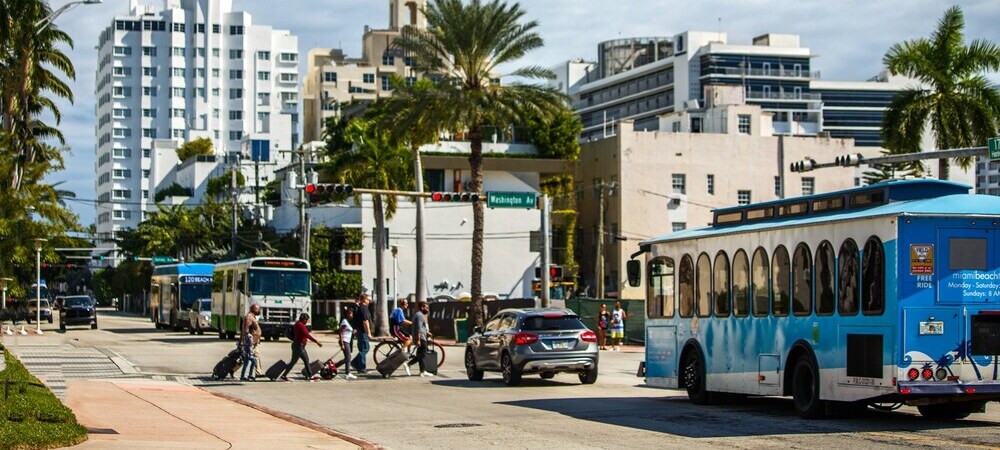
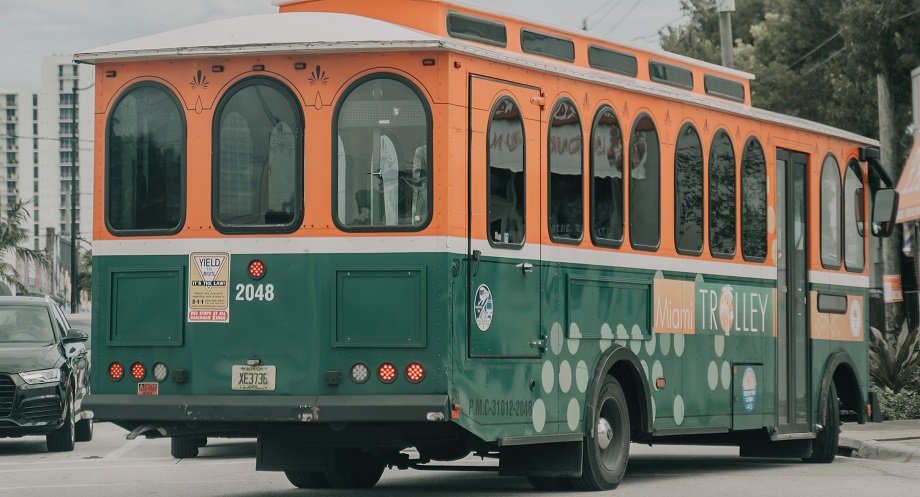
Travelling by trolley is a fun and free way to get around Miami and Miami Beach. The City of Miami operates more than a dozen trolley routes across its neighbourhoods, while Miami Beach runs its own separate trolley network. Most City of Miami trolleys run Monday to Saturday from 6.30am to 11pm, while the Miami Beach trolley runs daily from 8am to 11pm. The Miami Beach trolley arrives roughly every 20 minutes.

Neighbourhoods in Miami

Useful links


Taxis in Miami

Taxis in Miami

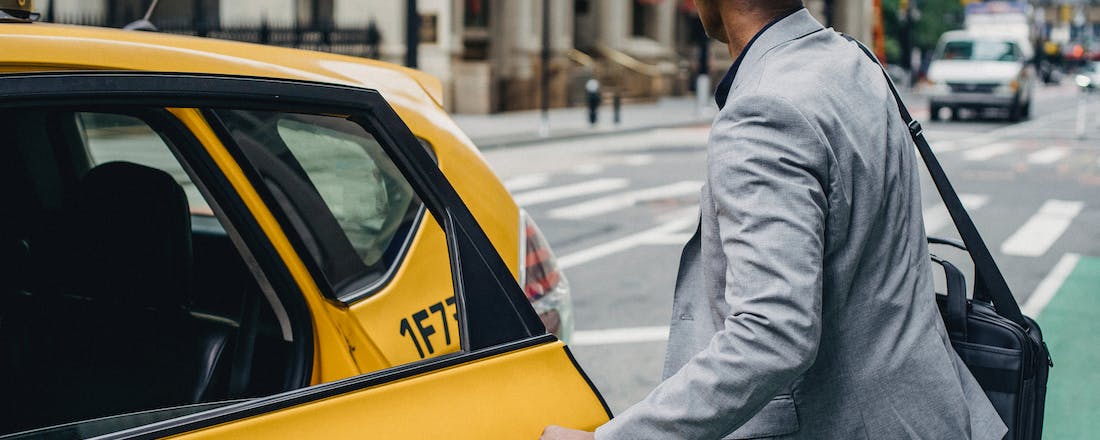
Taxis in Miami are known for being relatively expensive. Ride-hailing apps such as Uber and Lyft are the most popular options and are widely used across the city. Traditional taxis can be hailed at designated ranks outside most Metrorail stations or booked by phone. Unlicensed taxis are illegal in Miami-Dade County, so passengers should only use cabs clearly marked ‘taxi’ or ‘cab’ on the side.

Most taxis in Miami accept card payments, but it’s recommended to check with the driver beforehand. Passengers will be responsible for paying any tolls they come across on their journeys.

Useful links


Driving in Miami

Most of Miami’s residents prefer to own a car rather than rely solely on public transport. While driving in Miami is no easy task, having a vehicle affords newcomers an increased level of independence.

Navigating the streets of Miami is fairly straightforward because of the city’s grid system. Road conditions and signage are also generally good, and the streets are clearly numbered.

Drivers who are new to the city should take extra care, as locals have a reputation for driving aggressively and speeding. The experience of driving in Miami is made even more frustrating by rush-hour traffic congestion.

Miami has an extensive network of tolled expressways, and all major toll roads are cashless. A SunPass transponder (or the SunPass PRO for interstate travel) is practically a necessity; without one, tolls are billed at a higher rate via licence plate recognition. SunPass transponders can be purchased at most retail shops throughout Florida and activated online.

Driver’s licences

Expats can drive on a valid foreign driver’s licence while visiting or during their first period of residency. Once you become a Florida resident, you will need to obtain a Florida driver’s licence. Florida issues licences to non-immigrants for a maximum of one year at a time, and it’s tied to the validity of their immigration documents.

Expats who already hold a valid foreign driver’s licence are typically exempt from the State of Florida’s mandatory Traffic Law and Substance Abuse Education (TLSAE) course, which is otherwise the first step in obtaining a licence. You will need to take a written knowledge exam and a practical driving test to obtain a Florida driver’s licence. You must provide your own vehicle for the practical test.

Read Transport and Driving in the USA to learn more about national driving licences and standards.

Useful links


Cycling in Miami

Cycling in Miami

Cycling in Miami is common along the popular beach areas, but the city is still developing an urban cycling culture. Miami has several biking trails across its parks. The city also has a bike-sharing and rental programme known as Citi Bike, which is available in Miami, Miami Beach, Surfside, and Bay Harbor Islands. The solar-powered system gives riders access to more than 160 bike stations.

Useful links