
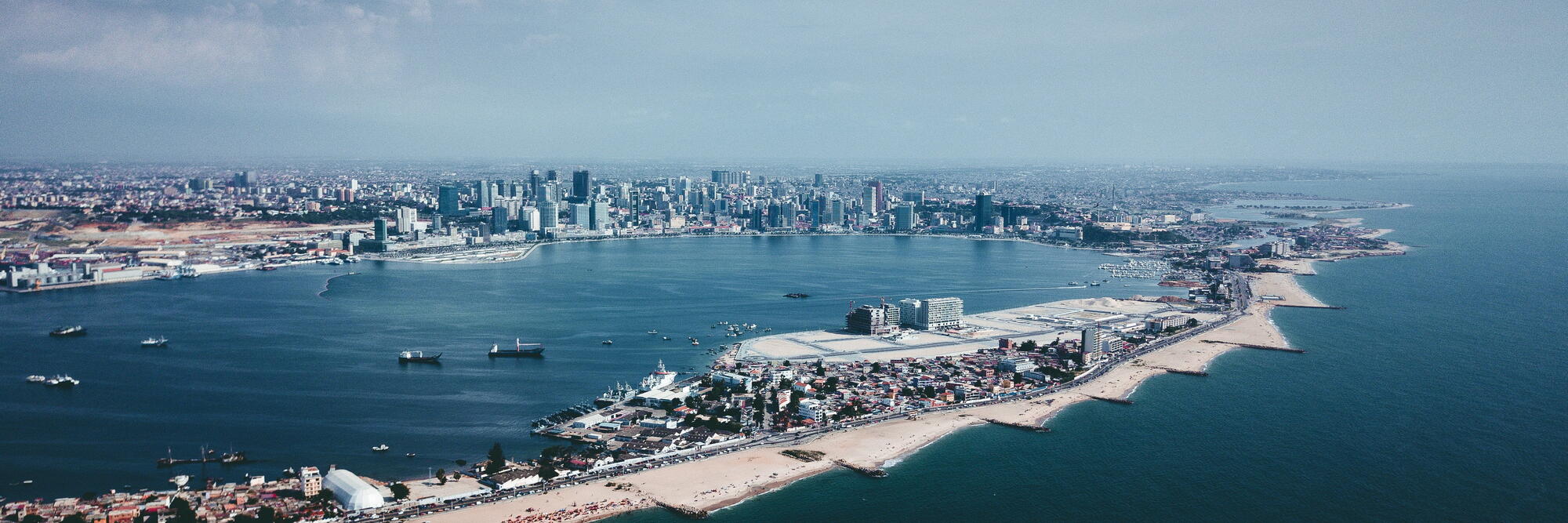
You'll have much to consider and plan for when moving to Angola’s capital. Although elements of culture shock may be felt and visa processes can be stressful, Luanda has plenty to offer in terms of its people, cuisine, climate, and natural beauty. Like in any other city, life in Luanda is full of ups and downs.
Below, we’ve listed some pros and cons of moving to Luanda.
Weather in Luanda
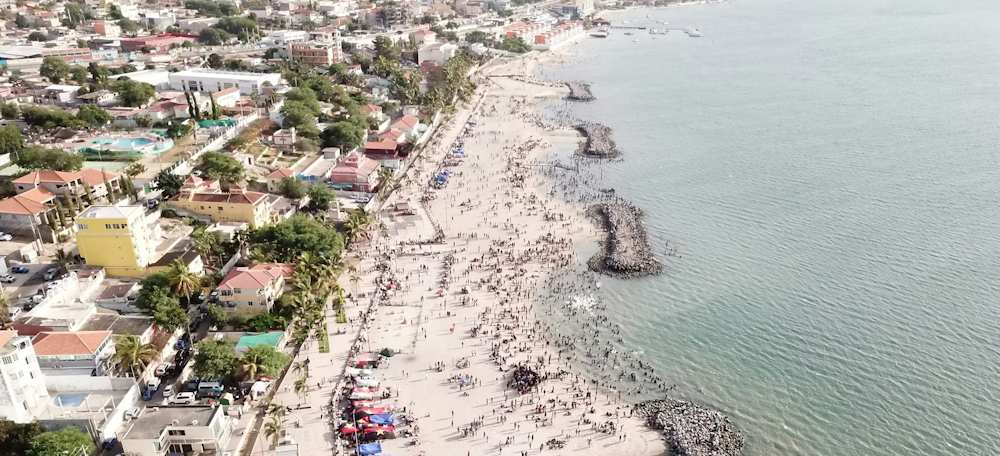
+ PRO: Pleasant tropical climate
Climate can have a major impact on wellbeing. Fortunately, Luanda’s weather is ideal for most expats. Angola’s geographic location means it has a perfect tropical climate all year round. Luanda is situated right on the coast, so there are plenty of beaches nearby that you can enjoy.
- CON: High humidity
Although the weather in Angola is mostly pleasant, Luanda is a humid city and those who are not used to this type of weather can feel sweaty and uncomfortable. Still, the exceptionally hot summers are relatively short, while temperatures are pleasant for most of the year.
Lifestyle in Luanda
+ PRO: Vibrant food scene
Luanda’s cuisine and restaurant scene are mouthwatering and vibrant. Angolan food has deep connections with Portugal and Brazil, but with its own flair.
+ PRO: Beautiful people and culture
Angolans are known to be extroverted and friendly. Although you may experience some culture shock, making friends in Angola is a blast once you learn the customs and language. Socialising can also help you settle in and see the city from a different perspective.
+ PRO: Animated nightlife
Luanda’s nightlife is eclectic and vibey. Angolans revel in a good party where they can show off their stylish fashion sense and killer dance moves.
Local culture in Luanda
- CON: Language barrier
This could be a pro or a con, depending on your ability and desire to learn a foreign language. English is not spoken widely in Angola, so language barriers may exist. Learning a few essential words can help you integrate into your new home and show you are putting in an effort. A little goes a long way. Portuguese is the country’s official language.
- CON: Inequality is shocking
There is a stark juxtaposition between the wealthy elite who dress in designer labels, travel in expensive vehicles and own luxurious property, and the Angolan majority who live in informal settlements and lower-quality accommodation. This may be a shock to expats unfamiliar with this extreme inequality.
Safety in Luanda
- CON: Crime is a reality in Luanda
Safety is undeniably an issue in Luanda. Muggings and robberies do happen, and travelling alone at night, especially as a woman, can be dangerous and should be avoided. It's also important to be vigilant of your surroundings and make sure you know which areas are high risk.
+ PRO: 24-hour security available
While it's always good to take care, you need not be overly concerned about safety. Many international organisations that employ expats have strict safety regulations and organise secure accommodation for their employees, as well as 24-hour guards to monitor workplaces and residences.
Healthcare in Luanda

+ PRO: Many healthcare facilities
As Angola's capital, Luanda has the most healthcare facilities. There are some good private clinics and 24-hour hospitals. Additionally, many doctors and health specialists can communicate in English.
- CON: Inadequate healthcare in general
If you’re from a Western country, you may find that healthcare here doesn't compare well with the standards you're used to. We advise you to obtain private healthcare and organise health insurance that covers costs abroad, such as in South Africa or Namibia, in case of an emergency or complicated procedures.
- CON: Mosquitoes are a nightmare
Not only do these bugs have an annoying buzz and an itchy bite, but they also carry diseases. As a foreigner entering Angola, you should ensure your vaccinations are up to date, use insect repellent, and consult healthcare advisors about the risks of malaria and yellow fever before the trip.
Working in Luanda
+ PRO: Attractive salaries and work packages
Expats often move to Luanda to work for a multinational company, most likely in the oil or diamond industry. Because of this, they have already secured high salaries and can afford the luxuries available.
- CON: Paperwork, paperwork, paperwork
Bureaucracy seems to be the name of the game when it comes to getting anything official done. The visa and work permit processes are time consuming and complicated, and you may receive different advice on requirements from different sources.
Working in Angola
Visas for Angola
Education in Luanda

+ PRO: Range of international school options
Although public education in Angola may be lacking, you needn’t worry about finding a school for your children as an expat. There are private, international schools in Luanda that can help smooth the transition for families. Your children can continue a familiar curriculum without language barriers, as there are options for American and British curricula, along with the globally recognised International Baccalaureate.
- CON: High international school fees
Tuition is expensive and adds to the already high cost of living in Luanda. There is also tough competition for space in international schools, so you should contact the schools in advance to secure a place for your children.
International Schools in Angola
Getting around in Luanda
+ PRO: Easy regional travel
Although getting around the city itself can be difficult, remember that you can travel outside the city for some stunning getaways. Before setting off, you should find out about the road conditions and whether you require a four-wheel-drive vehicle. We also recommend finding out about the safety and security issues in the area you are visiting.
Angola has much to offer, with its warm coastlines, lush rainforests, expansive deserts, and savannahs. These are unmissable for any expat staying in the country.
- CON: Traffic is a nightmare
Like life in any other big city, congestion is a major issue, so we recommend avoiding rush hour where possible. Most expats will need a car, but you may be able to organise a driver through your hiring company so that the stress of driving is out of your hands.
- CON: Reckless vehicles on the road
While slow-moving traffic is one thing, Luanda’s wild minibus taxis, ‘candongueiro’, are another. These white and blue vans zip through the streets. It’s best to avoid them, as they often wreak havoc on other vehicles on the road.
Transport and Driving in Angola
Cost of living in Luanda

- CON: Living expenses in Luanda are steep
The cost of living in Luanda is high for expats. Most Western-style goods, products, and services have high markups. To top it off, accommodation suitable for expats is also expensive. It’s likely that you'll also need to arrange for backup generators and water tanks, as these services are regularly disrupted, which can add to living expenses in the city.
+ PRO: The cost of living is easing
Although Luanda’s cost of living has historically been one of the highest in the world for expats, it is easing and starting to become more affordable for expats. While inflation remains a concern, housing prices in the city are slowly coming down, as Angola’s infrastructure continues to develop.