
- Download our Moving to Angola Guide (PDF)
Though not the most conventional expat destination, Angola has plenty to offer with its wonderful tropical climate, miles of picturesque beaches and welcoming locals. The capital, Luanda, has a relaxed lifestyle and buzzing nightlife, which are also big drawcards for expats moving to Angola.
Living in Angola as an expat
In addition to the pros, there are a few cons to consider when moving to Angola. Safety in Angola has greatly improved, but you should still be wary and, by default, foreigners often find themselves living in the insular environments of expat compounds.
Although the country is still recovering from many years of war and inequality, Angola is rich in natural resources. It is fast cultivating a dynamic business environment with plenty of opportunities. The country offers high salaries for those with experience in the lucrative oil industry. Expats can also earn well in mining, agriculture, and manufacturing.
Most of Angola’s expats, and by extension expat housing, are found in Luanda. These properties tend to be large compounds with amenities such as swimming pools, tennis courts, shops and high-security features. Housing tends to be expensive, especially closer to the city centres. Further from big cities, the prices are lower, but so is the quality of accommodation.
Public transport in Angola is highly limited, and private vehicles remain the main means of getting around. Cities are mostly serviced by privately owned taxis, but cabs aren’t common. Driving is also reasonably tricky, with many potholes on the paved roads and few roads paved outside cities. Traffic in the capital is extremely congested as antiquated road networks struggle to cope with the volume of vehicles and cargo trucks. If driving, it's best to remain aware of your surroundings and drive defensively. Many expats don't drive themselves as they have cars and drivers provided by their hiring company.
Safety in Angola
Expat Accommodation in Angola
Transport and Driving in Angola
Cost of living in Angola
Angola has had a reputation as one of the most expensive cities for expats to live in, but in recent years, the cost of living has greatly reduced.
Most of an expat’s income will likely be devoted to schools and accommodation. Imported produce can be expensive, but locally sourced items are much cheaper. With many goods imported into Angola, including cars and electronics, buying them locally is quite pricey.
Families and children in Angola
As an expat parent moving to Angola with children, you’ll likely be concerned about their education. You’ll be glad to know that there's a wide range of international schools in Luanda. They offer a wide range of foreign curricula and are generally well supported by the companies that helped establish them. That said, the standards of these schools vary, tuition is pricey, and waiting lists can be long.
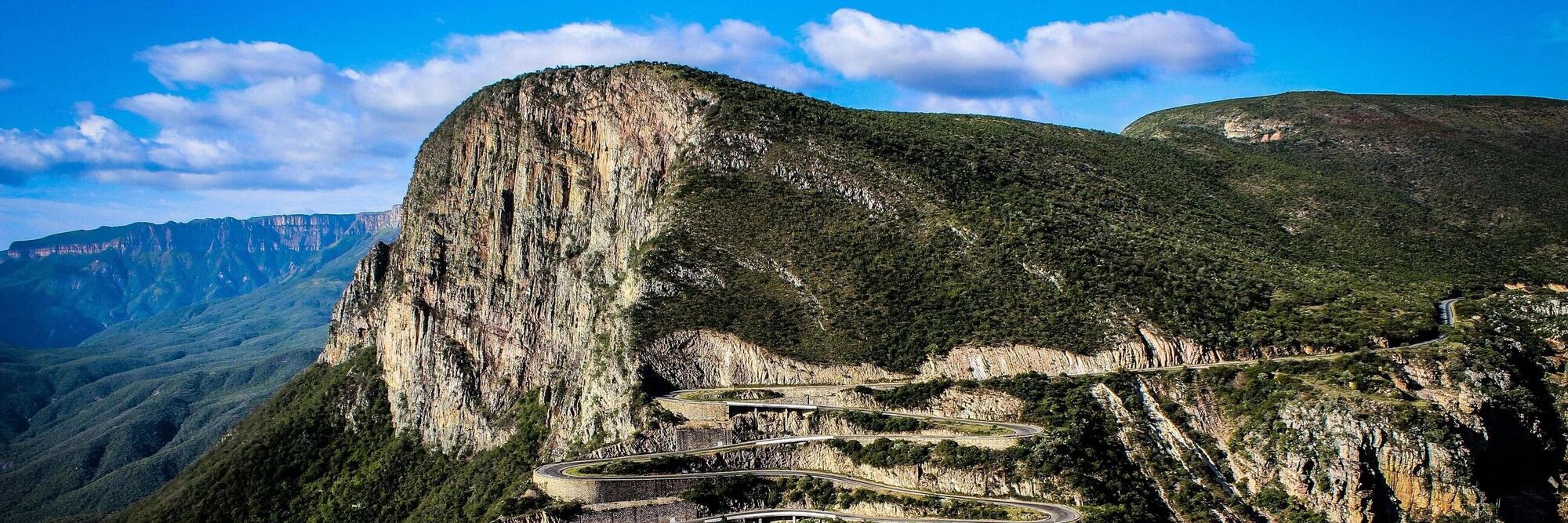
There's also plenty to keep your family entertained during their free time. Nature buffs will find Angola wonderfully rich in sights and destinations to explore.
Local organisations are also working hard to rehabilitate the Iona National Park so you can explore its natural rock formations and plant life. Luanda also has many sights to explore, including beaches, museums, and other family-friendly attractions.
Healthcare is available and has markedly improved recently, but still isn’t up to the standard many expats are used to. If you require complicated medical procedures, it’s best to travel to South Africa or further afield for treatment. We recommend investing in comprehensive international health insurance.
International Schools in Angola
Healthcare in Angola
Climate in Angola
The country has a tropical climate with a long dry season and a short rainy season. Its beaches tend to be rather arid, but in other parts of the country, the humidity spikes and many expats struggle to handle the heat.
While expats moving to Angola will likely face many challenges, if you approach the country with an open mind and adventurous spirit, you are sure to be richly rewarded with an exciting and unique cultural experience.
Fast facts
Population: Over 40 million
Capital city: Luanda (also the largest city)
Neighbouring countries: Angola is bordered by Namibia to the south, Zambia to the east, and the Democratic Republic of the Congo to the north and northeast.
Geography: Angola is a southern African country with varied terrain, encompassing tropical Atlantic beaches, a labyrinthine river system, and a Sub-Saharan desert that extends across the border into Namibia.
Political system: Unitary presidential republic
Major religions: Christianity
Main languages: Portuguese (official)
Money: The Kwanza (AOA) is the official currency in Angola, and it is divided into 100 centimos.
Tipping: Standard tips are 10 percent unless the bill includes service.
Time: GMT+1
Electricity: 220V, 50Hz. Plugs are Type C and Type F.
Internet domain: .ao
International dialling code: +244
Emergency contacts: 113 (police), 112 (ambulance), 115 (fire)
Transport and driving: Cars drive on the right-hand side. Much of the road infrastructure was neglected during years of conflict, and despite efforts to rebuild, many of its roads are still riddled with potholes. Most expats hire drivers who are accustomed to local driving conditions. Public transport in Angola is poorly maintained and unreliable.