

- Download our Moving to Kenya Guide (PDF)
Local culture in Kenya is diverse, and the country is home to more than 40 ethnic communities.
Some new arrivals find it hard to adjust and prefer to stay within expat compounds. That can be comforting at first, but expats who never venture out see little of the country and miss the chance to get to know locals.
Others take the differences in their stride and warm to Kenyans, who tend to be friendly and welcoming towards foreigners. Expat groups in large cities such as Nairobi and Mombasa make settling in easier. These clubs put on social events, from cultural festivals and cooking classes to hikes and networking mixers. Online expat communities and city noticeboards are usually the quickest way to find them.
Adapting to local culture in Kenya takes time. Nairobi is faster-paced than Mombasa and the coast, and the smaller upcountry towns are quieter still.
Inequality in Kenya
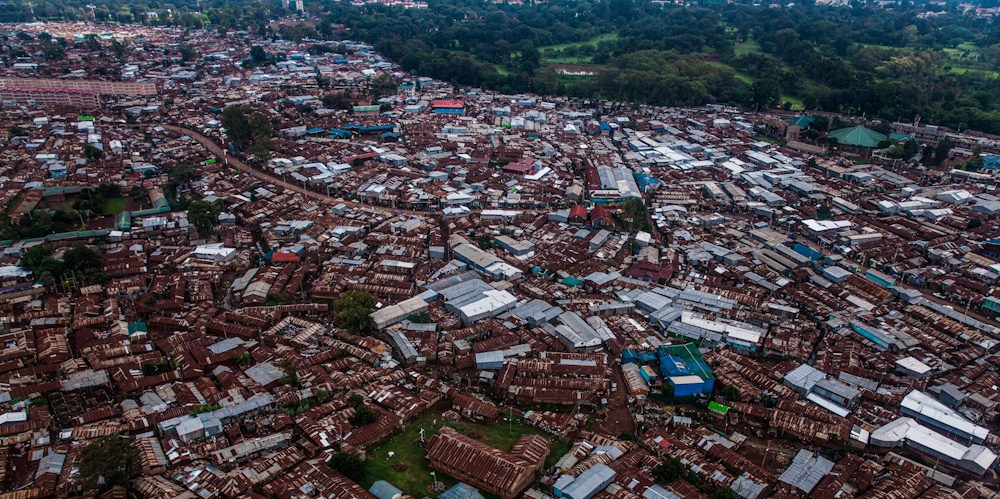
Inequality in Kenya is one of the first things new arrivals notice, but expats are largely insulated from it. Most live comfortably, in good housing and near modern shops, and can afford a car, so day-to-day life is a world away from what the average Kenyan knows.
The gap between the rich and the poor is wide. Wealthy Kenyans drive luxury cars and own large homes. There is a middle class too, although many of its members feel squeezed by the high cost of living and rising taxes. At the other end, many Kenyans live below the poverty line, in the countryside and the cities alike, and go without essentials such as clean water, sanitation, electricity, and schools. The scale of this divide is a genuine source of culture shock for some.
Cost of Living in Kenya
Accommodation in Kenya
Language barrier in Kenya
The language barrier in Kenya is low for English speakers. English is one of the country's two official languages alongside Swahili, and it's widely spoken, especially in the cities. For most Kenyans, though, the first language is one of more than 40 ethnic mother tongues. Swahili is the country's shared national language, and Kenyans generally switch to English in formal settings such as business, government, law, and higher education.
This makes settling in far smoother, whether you're getting established in business or building a social life. A little Swahili still goes a long way, though: even a few greetings are warmly received, and the more you learn, the deeper you'll get into local life. In Nairobi and the other cities, young people also speak Sheng, a fast-changing street slang rooted mainly in Swahili and English.
Traffic and road conditions in Kenya
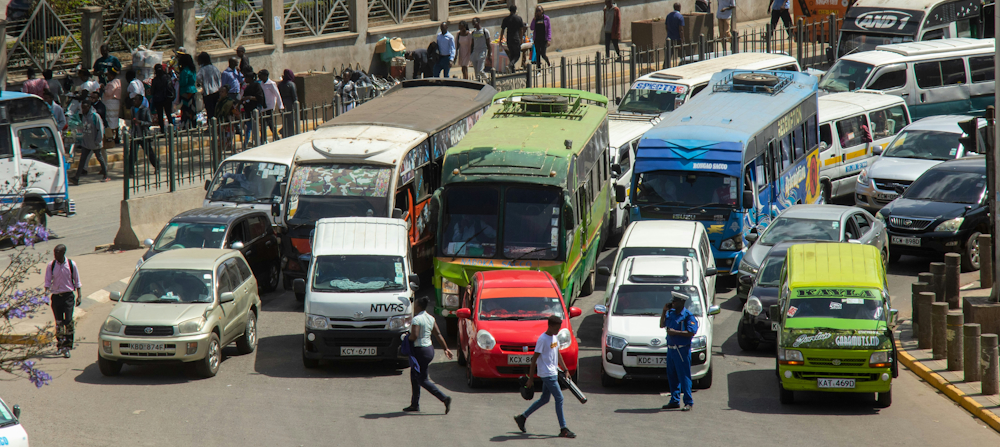
There is heavy traffic in Kenya, and you'll soon get used to sitting in it while hawkers work the gridlock and sell everything from newspapers to car accessories. Expect phone chargers, toys, bananas, sunglasses, and art on offer. The constant pressure to buy can wear thin, but you'll learn to wave the vendors on firmly and politely.
Matatus and boda bodas are a culture shock of their own. Matatus, the privately run shared minibuses, are loud and brightly painted, and they are crammed with as many passengers as will fit. Their drivers stop wherever they please and pull in and out of traffic with little warning. Boda bodas, the motorcycle taxis, are everywhere, and their riders weave through jams and mount pavements to get ahead. A passenger helmet is far from guaranteed. Both are woven into daily life and hard to avoid, but their drivers follow none of the road conventions expats might expect of buses and motorcyclists back home. Anyone used to a bit of personal space on the commute will need to adjust. Safety on either is not guaranteed, and boda bodas in particular have a grim record for road injuries.
Driving here takes some getting used to. Kenyans drive on the left, roads are often poorly maintained and badly potholed, and local drivers treat the rules of the road as loose suggestions. Speeding is common, many vehicles are in poor repair, drivers routinely jump traffic lights, and overtaking on blind corners is a real hazard. Right-of-way counts for little, so newcomers used to orderly roads back home have to drive defensively and keep a close eye on everyone around them.
Out on the open road, avoid travelling between towns after dark. Poor lighting, rougher roads at night, more drink-driving, and the threat of banditry on some routes all make it genuinely risky. During the rainy seasons, some unpaved roads become impassable even for four-wheel-drive vehicles. Plenty of expats decide the roads aren't worth the stress and hire a local driver. If you do drive yourself, wear a seatbelt, keep a safe following distance, never drink and drive, and keep your doors locked in stationary traffic.
Public Transport in Kenya
Safety in Kenya
Corruption and bureaucracy in Kenya
Corruption and bureaucracy in Kenya are realities that expats learn to work around. Mismanagement of public funds has long been a problem, and you may be asked for a bribe even in everyday dealings. A routine traffic stop is the classic example.
Sorting out visas, work permits, paperwork, and driver's licences can mean long, frustrating delays. Many expats hire a qualified agent to handle the process, and sometimes that's the only realistic way to get things done.
Visas for Kenya
Work and Residence Permits for Kenya
LGBTQ+ in Kenya
LGBTQ+ people in Kenya need to be discreet. Same-sex relationships are criminalised under the penal code, and same-sex marriage has been constitutionally banned since 2010. Public attitudes are conservative and strongly religious. Showing affection between same-sex partners in public can be dangerous, so most LGBTQ+ residents keep a low profile. Nairobi has a small, discreet scene, and local rights groups are active despite a tough climate.
Women in Kenya
Women in Kenya have strong protections on paper. Under the 2010 constitution, gender equality is guaranteed, and no more than two-thirds of any public body should be of one gender. Parliament has repeatedly failed to enact that rule, so women still hold a minority of seats and senior posts, even as more women enter politics and business each year. Gender-based violence and femicide are serious, much-protested problems, and traditional gender roles are stronger in rural areas than in the cities.