

- Download our Moving to Kenya Guide (PDF)
Anyone moving to Kenya soon has to work out how to get around, and the public transport network is patchy outside the main routes. There are long-distance buses to most large towns, and you can now take the Madaraka Express train between Nairobi and Mombasa in about five hours. Beyond those corridors, though, options are limited, and journeys can be slow. Day to day, you'll see plenty of matatus, which are shared minibuses packed with commuters. Tuk-tuks and boda bodas (motorcycle taxis) are everywhere too. These can be an experience in their own right, but they're often uncomfortable and risky.
For everyday travel, most expats drive or hire a local driver who knows the roads and local driving habits. For longer journeys across the country, domestic flights are usually the most practical option.
Public transport in Kenya
The main public transport options in Kenya are long-distance buses and the railway. You can reach most large towns by bus, although journeys are slow. There's far less choice by rail, but Kenya Railways now runs the Madaraka Express between Nairobi and Mombasa several times a day, and it's become a real alternative to flying or driving.
Buses
Kenya has both local bus services and a large long-distance network used by most domestic travellers. Travelling by bus is a cost-effective but time-consuming way to get around.
As bus journeys in Kenya are long and not always comfortable, it's best to travel with an established company that runs a modern fleet, such as Modern Coast, Easy Coach, Dreamline Express, or Coast Bus. Book your ticket in advance, especially on popular routes.
Pay for a first-class ticket and you'll get a larger seat with extra legroom. You'll pay more again for premium services, but the comfort is worth it. Expect reclining seats, WiFi, entertainment screens, and USB charging ports.
Trains
Trains in Kenya used to be more of a tourist novelty than a practical way to travel. In 2017, Kenya Railways opened the Standard Gauge Railway (SGR) between Mombasa and Nairobi, and rail became a serious option.
On the Madaraka Express, you can now travel between the two cities in about five hours. On the old metre-gauge line, the same journey was more than twice as long. It's faster and more comfortable than the bus.
You'll pay a little less than a long-distance bus fare for an economy-class ticket, and considerably more for first class.
Matatus
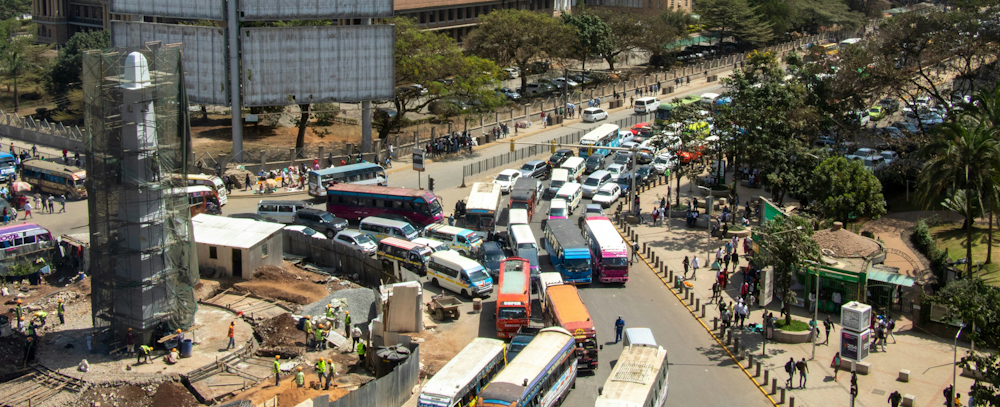
Matatus are privately run minibuses for short and medium trips. The classic matatu is a 14-seater Nissan, although some are larger minibuses with room for 25 or more. Drivers often cram in more passengers than they should.
Riding a matatu is a uniquely Kenyan experience. The minibuses are covered in bright, hand-painted artwork, and the music is loud, but the ride can be risky. Drivers weave in and out of traffic to save time and pull over without warning to pick up passengers.
Matatus are the cheapest way to get around, and you pay by distance. Because of the safety concerns, many expats stick to local buses or their own car.
Tuk-tuks
Tuk-tuks are three-wheeled motorised taxis, and they're common in Kenya's main cities, especially along the coast. There's room for up to three passengers, and they're a quick way to nip around town.
Prices aren't fixed, so you'll need to agree a fare with the driver before you set off.
Boda bodas
Boda bodas are the motorcycle taxis you'll see all over Kenya, and they're the quickest way through Nairobi's gridlock. On rural roads, they're often the only transport around. They're cheap, and you can now book one through apps like Uber and Bolt. They're risky, though. Motorcycle crashes are one of the leading causes of road injuries in Kenya, so insist on a helmet, and skip the ride if you're carrying luggage or the traffic is heavy.
Useful links
Taxis in Kenya
Hailing a taxi in Kenya is straightforward in the larger cities. You can flag one down on the street or book ahead, but agree on the fare before you get in, because meters are often broken or switched off.
It helps to know the going rate for common routes so you're not overcharged. Where you can, pick a taxi with a working meter; otherwise, settle on a price upfront.
Ride-hailing is well established in Kenya's cities. Uber and Bolt are the biggest, and the home-grown Little is a popular local option. You can book through the app and see the fare before you accept. Most riders pay with M-Pesa mobile money, although cards and cash are accepted too. Expect higher fares at peak times.
Useful links
Driving in Kenya
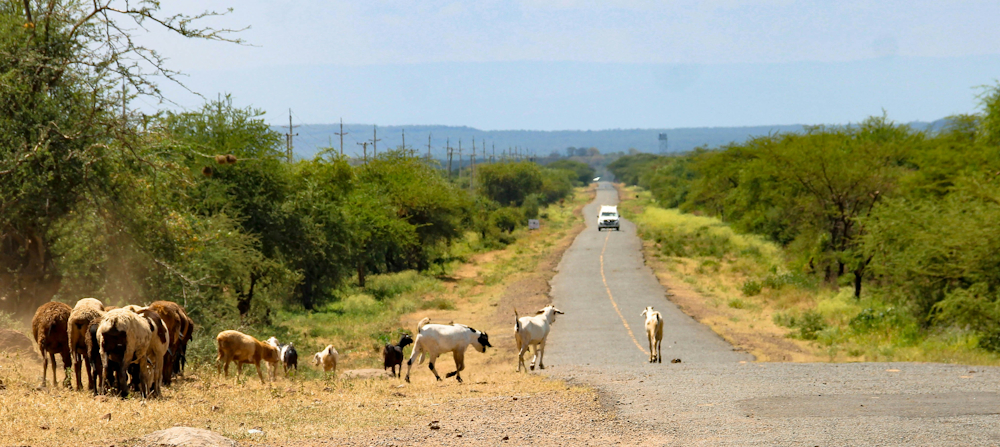
Driving is how most expats in Kenya get around, and a car is far more flexible than public transport. It's not for the faint-hearted, though.
Many road users drive aggressively and recklessly, so stay alert when driving and crossing roads. Dealing with the traffic is by no means stress-free, and in some areas the roads are potholed and poorly maintained. Driving across the country at your own pace and taking in the scenery sounds appealing, but you'll spend more time dodging potholes than enjoying the view.
Most global car-rental companies have branches in Nairobi and Mombasa. Smaller local rental companies offer more competitive rates but may be less reliable. Many will also rent you a car with a driver included. Once you've settled in, you might buy a car and hire a driver, or your employer may arrange both.
Driver's licences
You can drive in Kenya on a valid foreign driver's licence or an International Driving Permit for up to three months. If your licence isn't in English, carry an official translation or an IDP. To stay on the road after that, you'll need a Kenyan driver's licence.
You apply to the National Transport and Safety Authority (NTSA) through the eCitizen portal. Set up an account, then upload your foreign licence, passport, alien (residence) card, and a driver's licence confirmation letter from the issuing authority back home. The old paper booklet has been replaced by a credit-card-style smart driver's licence.
Useful links
Domestic flights in Kenya
Domestic flights in Kenya are often the fastest way to cross the country. Kenya Airways, the national carrier, operates daily flights between the main cities and also serves international routes. Its low-cost arm, Jambojet, flies the busiest domestic routes. It connects Nairobi with Mombasa, Kisumu, Eldoret, and Diani. For safari lodges and remote airstrips, Airkenya Express and Safarilink run light aircraft into the national parks.
Delays and cancellations are fairly common, so build in some buffer around connections.