

Expat parents have a multitude of decisions to make during the relocation process, not least of which is the crucial decision regarding education and schools in Chile. There is no ‘one size fits all’ school that can meet all the needs of every child and family, so it is worth exploring various options.
Public schools in Chile
In Chile, schooling is compulsory from the ages of six to 13 (Grades 1 to 8). Secondary school is from ages 13 to 18 (Grades 9 to 12).
Children entering secondary school in Chile choose from two main options. One possibility is technical/professional-based education that prepares students directly for the working world with practical studies. The alternative is science- or humanities-based studies, where students select either physical science (such as physics, chemistry, and biology) or humanities (such as language and history). These schools prepare students for further tertiary education. This split occurs only in the last two years of secondary school, and the first two years are the same across the board.
Preschool is optional, but all children must start primary school at the age of six. Public primary schools are free, although secondary schools may charge a small fee for the admission process and monthly tuition. Some parents may voluntarily contribute to their child’s tuition and school as part of a specific programme.
Public schools in Chile vary in quality, and expats face a language barrier as public schooling is in Spanish. Young students who speak Spanish as a second language may still find integrating into public schools challenging, which often leads parents to choose private and international schools.
Useful links
Private schools in Chile
 A wide disparity exists between the quality of public and private education in Chile. As a country that prides itself on growth and development, the somewhat lower standard of state-sponsored education is a sore point. Many private schools receive state subsidies as well as private funding, and they typically offer higher-quality resources and teaching facilities.
Many Chilean locals and foreign families lean toward private schools, which are a suitable option for expat families who anticipate a long-term stay in the country or can’t afford the hefty price tag attached to international schools.
Some private institutions have a religious foundation, so expats should keep this in mind. These schools may require that students and their families practise the delegated faith to be granted admission.
While there are some bilingual private schools, the teaching language in secondary schools is usually Spanish. If students are planning to attend university outside of Chile, or are in the country for the short term only, it may be preferable to opt for an international school instead.
International schools in Chile
International schools in Chile offer an assortment of home country curricula and teaching languages. Many of these schools have bilingual programmes, and expats from all over the world can take their pick.
These schools tend to have a multicultural student body, a broader selection of extracurricular activities, and better facilities than public schools. Most international schools are located in Santiago, but expats can find a few options scattered outside this commercial centre, such as in Coquimbo, Antofagasta, and Puerto Montt.
International schools tend to be expensive, so expats should try to negotiate an education allowance – or at least a salary high enough to cover the cost – into their contract if relocating for work. Fees vary by school and child’s age, with the most expensive schools costing more than some university tuition.
Space can be scarce at the more prestigious international schools in Chile, so the earlier parents start the admission process, the better. The enrolment process can be intense and may include admittance tests and interviews. Contact schools directly to find out their specific criteria.
Useful links
Special educational needs in Chile
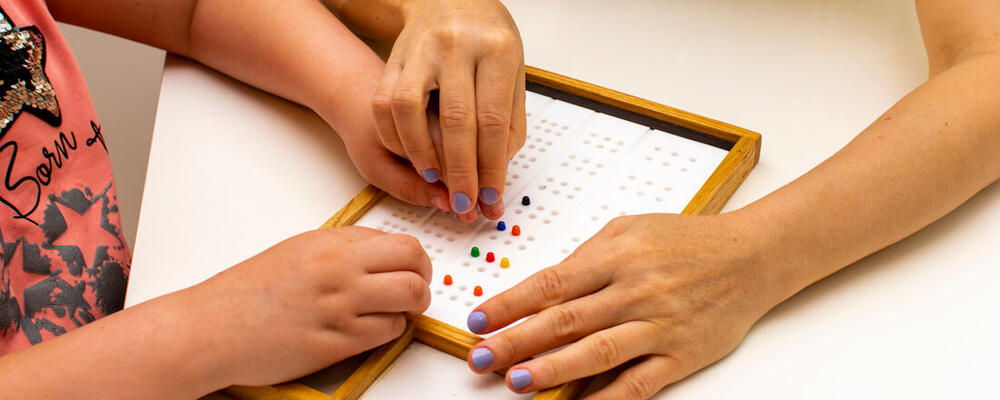
Inclusivity in special needs education is being pushed in both public and private education sectors in Chile. Many schools can support learning disabilities as well as psychological and behavioural problems. Headteachers hire specialists to provide the necessary assistance with the help of government subsidies when required. That said, finding certain services in English is not always possible, and expat families may have to turn to more expensive international school options.
International schools in Chile present varying levels of learning support to children with disabilities. Some support minor learning disabilities, helping with reading, maths and language, but parents should contact and meet with the school body to find out what kind of support is available.
Homeschooling in Chile
Homeschooling is legal in Chile, and a fair number of parents prefer this route. Parents may find that their children don’t work well at school, facing long days, few extracurricular activities and little specialised attention. Many parents cannot afford international school fees or do not have employment packages that allow for tuition, and so there is much pressure on them to provide an education for their children.
Homeschooling is a great alternative to mainstream instruction, and many middle and upper-class families choose this option for their children, guided by Chile’s national curriculum and textbooks, online resources or international curricula.
There are no specific laws that guide homeschooling, although parents may need to take a validation test to prove they are capable of educating their children. They can find more information on this process from homeschooling families that network on social media platforms like Facebook and through Chile’s Ministry of Education.
Tutors in Chile
Expats who want their children to have some extra classes to help with schoolwork or learn some Spanish to better integrate into their new homes can easily find tutors to help them. Networking is one way to do this. Talking with other parents, families and schools is an easy way to make connections. Online portals can also be useful.
Tutors are a great benefit alongside traditional schooling, for extra guidance when homeschooling, or as extra help during exam time.