

The local culture in Chile is fairly accessible, thanks to the country’s globalised nature. Chileans are generally welcoming and friendly. Expats craving a taste of home can easily find familiar Western brands and products here, although prices can be high due to import taxes.
Still, some small cultural differences may take some time to get used to. Some of these nuances include a lack of concern for punctuality and a nationwide fascination with football.
Meeting and greeting in Chile
Expat women in Chile may find themselves on the receiving end of a kiss on the cheek. In Chile, this is a common way to greet a friend or acquaintance. Men usually shake hands. The standard greeting among close friends and family is the abrazo, which consists of a handshake and a hug.
Transport in Chile

While Chile’s transport infrastructure is advanced by South American standards, using the country’s roads requires a working knowledge of Spanish to read signage. It’s also important to brush up on Chilean road signs, as some differ from those in Europe and North America.
Language barrier in Chile
Spanish is the official language of Chile, with a few indigenous languages also spoken by small percentages of the population. The easiest way to adopt a Chilean lifestyle and overcome culture shock is to learn the language. Being able to converse in Spanish enriches everyday encounters, and being fluent also attracts a greater range of employment opportunities within Chile and the surrounding region.
Chilean Spanish is quite different from traditional Castilian Spanish, which can throw off expats. The most noticeable differences are the heavy use of slang, the fast pace of talking, and the tendency to drop the ‘d’ and ‘s’ sounds from words. These differences can often make a conversation challenging for new learners to follow. Expats learning Spanish in preparation for moving to Chile can get a head start by choosing courses that teach Chilean Spanish rather than the global Spanish usually taught in language schools.
People and lifestyle in Chile
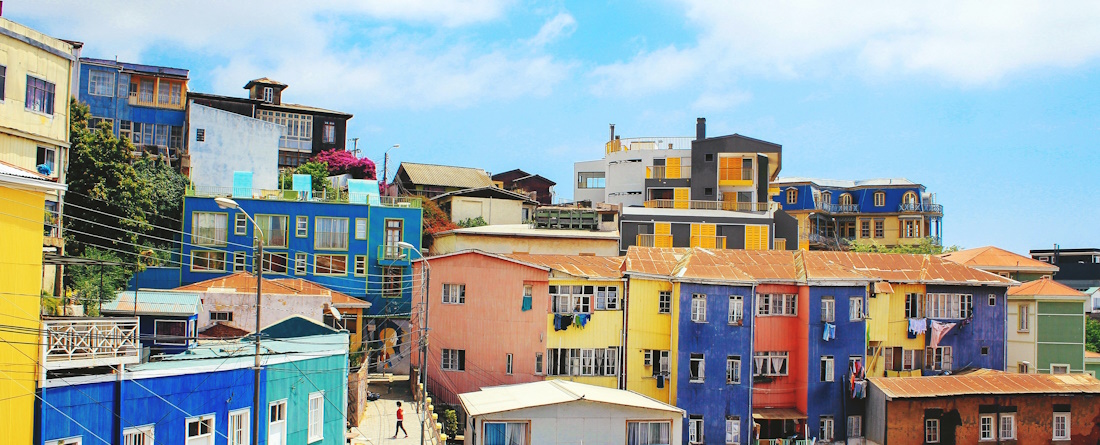
Latin Americans are frequently stereotyped as loud, vivacious, passionate, and energetic people, and there is some truth to this perception. Chileans tend to lead very active lifestyles, which isn’t surprising in a country with kilometres of beaches and plentiful ski slopes.
Learning to balance an active social life with a busy workweek is key to making the most of Chile as an expat. Meals are central to forming connections, and as such, they are significant social events that last into the early morning hours. With this potential for late nights, work tends to start later in the morning, and the lunch ‘hour’ tends to be on the long side.
Women in Chile
The evolution of women’s roles in Chile mirrors the country’s transformative journey. Chilean women have increasingly stepped into the public sphere, making notable strides in education and the workforce. With a high percentage of women attaining secondary education, they are more empowered than ever to pursue diverse career paths.
Despite these advances, women’s workforce participation, although improving, remains lower compared to other Latin American countries. In politics, women’s representation in parliament is growing but still falls short of reflecting the population’s gender balance.
Food and drink in Chile
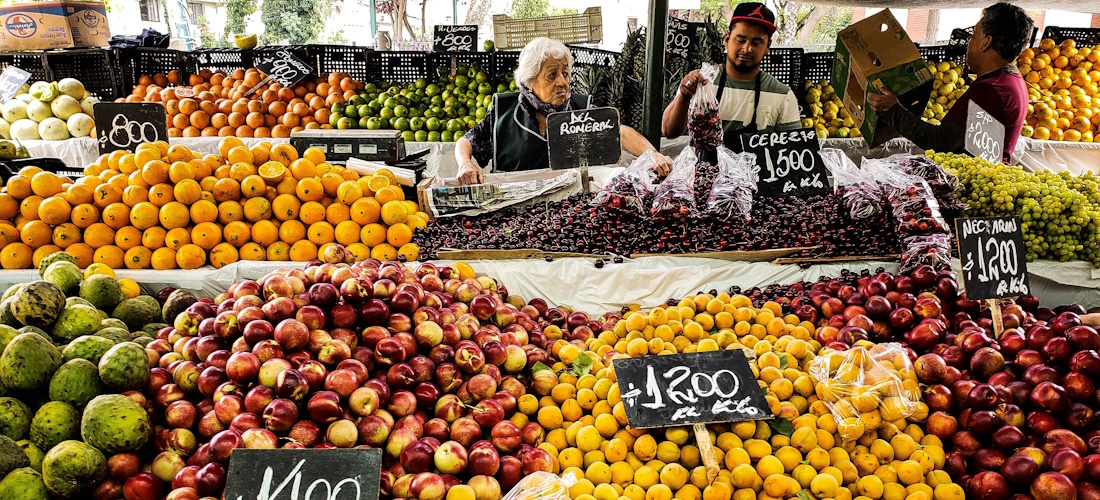
While mealtimes are important for social gatherings, what is eaten is also central to Chilean culture. Chilean cuisine will likely excite expat palates, ranging from hearty stews such as cazuela – a stew with chicken, beef, corn, rice, and potatoes – to more simplistic meals.
Humitas are another typical Chilean dish of corn, often with onion and basil, wrapped in a corn husk and slowly cooked in a pot of boiling water. Expats who enjoy wine will have a grand old time in Chile, as it is known for its world-class vineyards and wine varietals.
In general, new arrivals should prepare themselves for the sometimes copious amounts of food, whether at dinner parties or Chilean asados (barbecues).
Time in Chile
The pace of life in Chile can seem slower than in many Western countries. It’s not uncommon for a Chilean business associate to arrive late for an appointment or meeting. Locals tend to spend their time interacting with people and family rather than at a desk in front of a computer screen. This may mean Chilean colleagues take a while to get down to work and often put in overtime to finish their tasks. That said, many expats moving to Chile adapt quickly and even find their new lifestyle a refreshing and exciting one.
LGBTQ+ in Chile
Chile’s approach to LGBTQ+ rights and acceptance has evolved considerably, particularly in the 21st century. Legal recognition and protection have been extended to the LGBTQ+ community in various forms, including anti-discrimination laws and the legalisation of same-sex marriage. These legislative advancements reflect a broader shift towards a more inclusive society, although a significant portion of the population is less accepting of sexual and gender minorities.