

Transport options in Denver are a little more limited than new arrivals might expect from a large American city. While Denver has a public transport network that is relatively efficient and continuously improving, the services it provides aren’t sufficient outside the city centre. Most residents living in the city own vehicles and find that getting around in Denver by driving is best.
Public transport in Denver
Public transport in Denver is overseen by the Regional Transportation District (RTD). While there are ongoing plans to improve and expand the city’s public transport network, it is presently lacking outside Denver’s downtown area.
Light rail
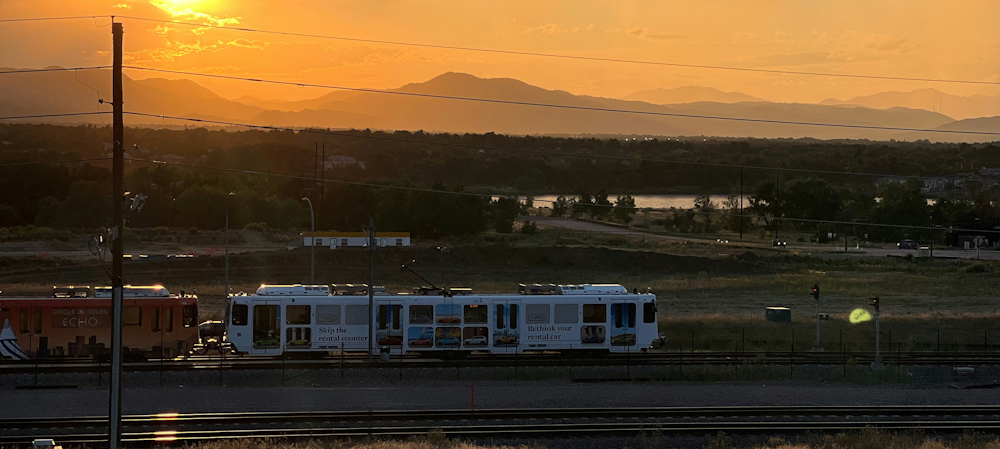
Denver’s light rail system comprises various lines serving more than 50 stations across the metro area. Light rail tickets must be purchased from ticket machines, which can be found at the stations before boarding the train. The price of the ticket is either route-based or time-based.
Buses
RTD buses are the backbone of Denver’s public transportation network. It operates more than 1,000 buses on approximately 130 routes and serves more than 9,000 bus stops in the Denver Metropolitan Area.
Travelling by bus in Denver is comfortable and fairly convenient unless you travel to or from one of the city’s more distant suburbs. It’s worth checking the bus timetable when planning your journey, as the frequency of services varies from one route to the next.
Train
There are currently four commuter rail lines in Denver. The A Line provides a direct link from downtown Denver to the city’s airport and can be easily accessed via light rail and bus routes. The B Line travels from Union Station to Westminster, with further extensions underway.
The G Line connects downtown Denver with the northwest suburbs of Arvada, Adams County, and Wheat Ridge, and the N Line connects Union Station with Commerce City, Northglenn, Thornton, and North Adams County. These trains carry more passengers than light rail, operate at higher speeds and make fewer stops. They’re your quickest bet for suburban to downtown journeys.
Best (and Worst) Neighbourhoods in Denver
Useful links
Taxis in Denver
Taxis are readily available in Denver. They can be found at the airport and main transport hubs, such as Union Station. Taxis in Denver are metered, but firms set their rates. Fares sometimes increase during peak times and high-demand periods through surge pricing. Ride-hailing apps such as Uber and Lyft also have a presence in Denver and are easy to use.
Useful links
Driving in Denver
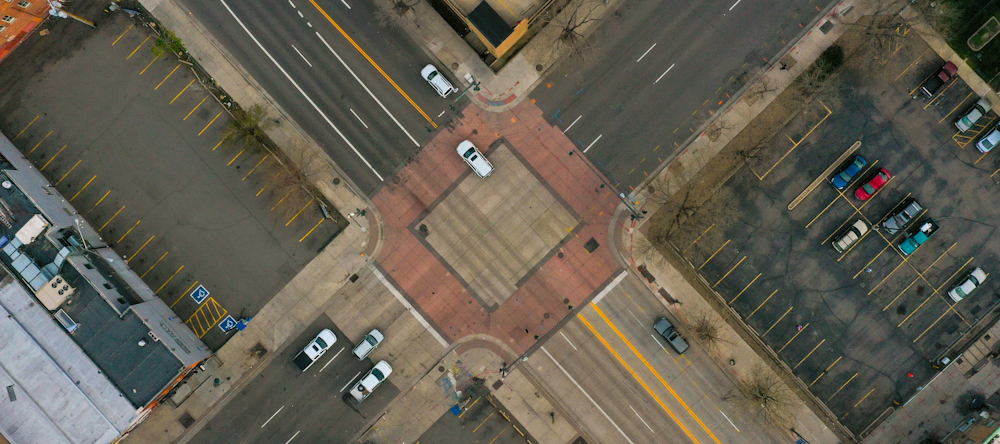
The majority of newcomers in Denver own a car and find driving to be the most convenient way to get around the city. A car is especially important if you don’t live near the city centre and if you want to travel outside Denver.
The quality of roads and signage in Denver is good. While most new arrivals have no difficulty getting around, traffic can be horrendous during peak hours. Parking is fairly easy to find, but fees are high within the downtown area of Denver.
Driver’s licences
Expats resident in Denver will need to convert their driver’s licence from home to a local licence. The state of Colorado has reciprocal agreements with Canada, France, Germany, South Korea, Taiwan, and Japan, meaning that a licence from one of these countries can be exchanged for a Colorado licence without having to retake a driver’s test. Citizens of countries not party to such an agreement will need to pass a local driver’s test to legally drive in Denver.
Transport and Driving in the USA
Useful links
Cycling in Denver
The city has an excellent network of cycle trails that cover a great deal of the city. Cycling is an integral part of Denver’s culture, and this is apparent in the number of bike lanes and secure cycle storage facilities that can be found in the city centre. The city launched a bike and scooter share programme in 2021 that now records over six million trips annually. The programme is currently operated by Lime and Bird, offering electric scooters and bikes through mobile apps.
Drivers in Denver are generally mindful of cyclists, so the roads tend to be far safer here than in other cities. That said, cyclists must be aware that the rules about cycling in Denver are strictly enforced. It’s common for cyclists to be fined for ignoring stop signs or running a red light.
Cyclists are also required to have lights at the front and back of their bikes. While helmets aren’t legally required for adults on traditional bicycles, they’re strongly recommended for safety. Reports of bike theft are quite common in Denver, so cyclists are advised to invest in a good-quality lock.