Print
  • Hold down Ctrl key and select the sections you want to print. If using a Mac, hold down the Cmd key.
  • Use Ctrl + A or on Mac, Cmd + A to select all sections (if you are using the Chrome browser).
  • Click "Apply" and the site will customise your print guide in the preview below.
  • Click the "Print" button and a print pop up should appear to print to your printer of choice.

Moving to Denver

When moving to Denver, you’ll find Colorado’s capital energetic and welcoming. Known as ‘the Mile High City’, Denver sits at exactly 5,280 feet (1,609m) above sea level, with panoramic views of the Rocky Mountains and a pleasant climate with moderate temperatures and abundant sunshine.

Living in Denver as an expat

Job opportunities are plentiful and varied in Denver, and the city has a thriving business climate. Aerospace, technology, healthcare, and professional services play prominent roles in the city’s economy, although job growth has slowed compared to previous years. You’ll find companies here invest in their workforce, with strong opportunities for further education and training, particularly in technology and aerospace sectors, where structured development programmes are common.

Denver is incredibly diverse, and there’s a neighbourhood to suit every type of newcomer, from the cosmopolitan downtown area to tight-knit suburban communities. Accommodation can be a challenge to find and may be on the pricey side (although the rental market has recently softened after years of tight conditions). Thorough research and preparation should help you find a home that suits your budget and lifestyle.

You won’t need to worry about healthcare in Denver, as the city is home to some of the country’s finest hospitals and medical research facilities. That said, getting around in Denver may be an issue for new arrivals without a car. Transport options are limited but efficient, and the road network is extensive and well maintained.

Job Opportunities in Denver 
Lifestyle in Denver 
Getting Around in Denver

Cost of living in Denver

The cost of living in Denver is above the national average, but it’s far lower than that of other major US cities, such as New York City, Chicago and San Francisco. Accommodation is expensive, although the market has become more balanced. Other everyday expenses are reasonable, including groceries, utilities and transport.

Cost of Living in Denver 
Accommodation in Denver
Neighbourhoods in Denver

Families and children in Denver

Denver is a family-friendly city. Your children will have plenty of opportunities to spend time outdoors in the city’s parks and surrounding mountains, and they’ll benefit from access to good schools. You’ll find plenty of education options for your children, including public, charter, magnet, private and international schools.

Schools in Denver
Healthcare in Denver

Climate in Denver

Denver has a semi-arid climate, with hot, dry summers and cold, snowy winters. Although daytime temperatures are warm for most of the year, they plummet at night. Spring brings the wettest weather, although precipitation is relatively low year-round. Denver’s residents enjoy plenty of sunshine throughout the year, ample time to take in the city’s range of outdoor spaces and activities.

Weather in Denver

There are many reasons to move to Denver, but its major drawcard is its lifestyle. Denver has one of America’s healthiest and most active communities. The city and its surroundings offer residents the opportunity to enjoy stunning hiking and mountain biking trails, snow skiing in winter and endless attractions in the city itself, such as the many parks, museums and art galleries. New arrivals in Denver will find no shortage of activities and events to keep them entertained.

Weather in Denver

Denver experiences a semi-arid climate. The weather in Denver is heavily influenced by the Rocky Mountains to the west, and can be unpredictable. Winters in Denver can be cold, although milder than you might expect. Daytime highs average between 44°F and 49°F (7°C and 9°C), while nights drop into the teens and low 20s°F (-8°C to -6°C). Snow is common in December and January. If you’re a winter sports enthusiast, you’ll find ideal conditions here.

The Mile High City enjoys abundant sunshine year-round, and the summers are generally hot and dry. Days typically reach the mid to upper 80s°F (around 30°C), although evenings cool to the comfortable 50s and 60s°F (10°C to 18°C). Rainfall is low, and days are cloudless and sunny. The city sits exactly one mile above sea level – 5,280 feet (1,609m) – which helps moderate the climate.

Late spring through early summer brings severe weather to the city, with May and June prone to dramatic hailstorms. When moisture-laden fronts meet powerful updrafts, they spawn thunderstorms and hail that can cause significant damage.

Winter Sports in Denver


Pros and cons of moving to Denver

Moving to Denver continues to draw people from across the country, and with so much on offer, it’s no wonder. As with any city, there are downsides to life in Denver.

While the pros far outweigh these, you should still be prepared for what to expect when arriving in the Mile High City. Here’s our list of the pros and cons of moving to Denver.


Lifestyle in Denver

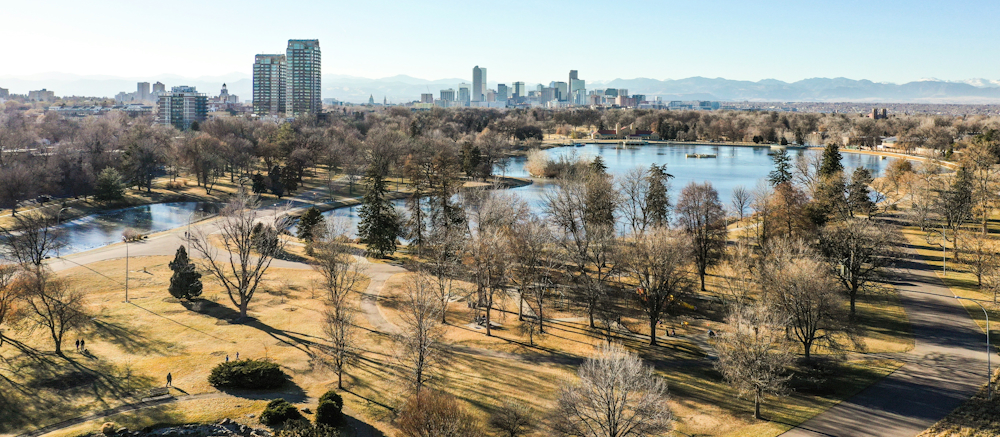
City Park in Denver by Cassie Gallegos on Unsplash

+ PRO: Plenty to see and do

Denver’s location and reliably sunny weather make exploration second nature here. The surrounding mountains beckon on weekends, and the city itself offers 200+ parks where an active population runs, cycles, walks, and lounges year-round. The calendar is packed with festivals, from the massive St. Patrick’s Day parade drawing hundreds of thousands of spectators to the sprawling Cinco de Mayo celebration at Civic Center Park. Between outdoor concerts and cultural events, there’s rarely a quiet weekend.

- CON: Denver is landlocked

Denver’s inland location means no ocean breezes or beach weekends. The nearest coast sits over 1,000 miles away – expect it to be an annual pilgrimage at best. While you’ll find reservoirs and lakes nearby for limited water recreation, they don’t compare to coastal access.

+ PRO: Professional sports teams

Denver punches well above its weight in professional sports. The city is proud of its teams across all the major US leagues: the NFL Broncos, NBA Nuggets, NHL Avalanche, MLB Rockies, and MLS Rapids. Add in the Mammoth lacrosse team and established rugby clubs, and you’ve got year-round action. If you’re a sports fanatic, you’ll find passionate crowds and recent championship glory to fuel your allegiance.

- CON: Everything closes early

Denver’s nightlife winds down earlier than coastal cities, although bars can legally serve until 2am. Many restaurants and entertainment venues close their kitchens by 11pm or midnight. Noise ordinances between 7am and 10pm mean venues must keep sound levels reasonable, which can dampen the late-night atmosphere. If you’re accustomed to cities where the party rages until 4am, Denver’s more subdued evening scene might feel like it ends just as you’re getting started.

+ PRO: Proximity to the mountains

Denver sits at the edge of the Rocky Mountains, gifting you incredible views and endless opportunities to explore. Hiking, mountain biking, skiing and more lie within easy reach. Drive an hour or two from the city, and you’ll find yourself among hundreds of stunning peaks in Rocky Mountain National Park and beyond.

- CON: High altitude

Sitting precisely at 5,280 feet (1,609 metres) above sea level, Denver earns its ‘Mile High City’ nickname honestly. The altitude means roughly 17 percent less oxygen in each breath. Most people adjust within a few days, but be prepared for headaches, nosebleeds, dry skin and fatigue as your body acclimates. Exercise feels harder at first – that morning jog will leave you gasping until you adapt.

Lifestyle and Attractions in Denver 
Neighbourhoods in Denver


Accommodation in Denver

- CON: Finding accommodation can be a challenge

Denver’s housing market has shifted considerably. While the metro area continues to grow, listings have accumulated as buyers pause amid high mortgage rates and concerns about affordability. Homes now sit on the market for weeks rather than days, so you’ll have more time to find something suitable. The challenge now: affordability and deciding whether to wait for better conditions.

- CON: Accommodation can be expensive

Accommodation is painfully expensive in Denver, even though the market has cooled. After massive price jumps after 2020, housing costs have plateaued at levels that still feel out of reach for many. The metro area is ranked as one of the most expensive markets not on a coast.

Accommodation in Denver


Cost of living in Denver

+ PRO: Denver is relatively affordable

The cost of living in Denver sits roughly 10 percent above the national average, but this figure tells only part of the story. Housing drives most of the premium – once you’ve secured accommodation, everyday expenses feel manageable. Groceries are just 2 percent higher than average, and utilities actually cost less. Denver brims with free outdoor activities, and even cultural attractions like museums and theatres offer good value compared to coastal cities.

Cost of Living in Denver


Getting around in Denver

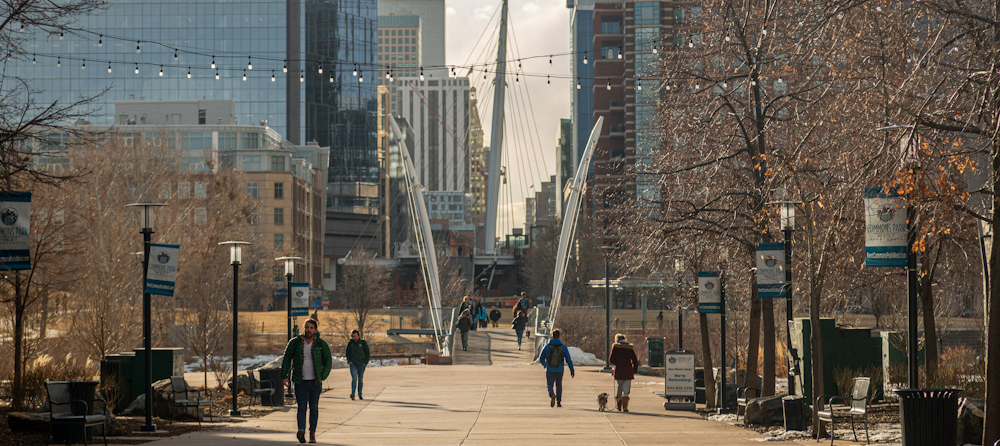
LoDo Pedestrians in Denver by Sebastian Kurpiel on Unsplash

- CON: Public transport is limited

Getting around in Denver by public transport works well if you live near downtown or along the rail corridors. RTD operates more than 10 rail lines and over 100 bus routes, but its coverage thins dramatically as you move toward the outer suburbs. The system functions best for airport runs and commuting into the city centre. For trips across the metro area or to destinations off the rail lines, you’ll quickly realise why car ownership is the norm here.

- CON: Traffic can be a problem

Traffic in Denver has deteriorated sharply. Drivers now lose around 50 hours annually sitting in congestion – more than the national average and climbing fast. Rush hours stretch from 7am to 10am and 4pm to 7pm. I-25 and I-70 become parking lots during these windows. The metro has added a million people without proportional transport capacity, and it shows.

Park-and-ride via light rail provides some relief as long as your destination connects well. Buses will generally get stuck in the same jams you’re avoiding. Flexible work hours also help if your employer allows them, but escaping peak traffic means starting before 7am or after 10am.

+ PRO: Finding parking is relatively easy

Parking in Denver beats coastal cities but falls short of ‘abundant.’ Downtown has plenty of garages and lots – you’ll easily find a spot, but expect to pay. There’s some street parking, but it fills quickly during business hours. The overall advantage here is that you won’t circle for 30 minutes like in San Francisco, and rates are still cheaper than in New York or Boston. If driving matters to you, Denver makes it feasible where other cities make it punishing.

Getting Around in Denver


Weather in Denver

+ PRO: There are lots of sunny and clear days

Weather in Denver delivers abundant sunshine, even if the exact ‘300 days’ figure you’ll hear touted is more marketing than meteorology. The reality is that there are sunny or partly sunny conditions roughly 245–260 days annually – clearer weather than most American cities can claim, and enough to keep outdoor enthusiasts satisfied year-round.

- CON: Huge storms can cause damage

Late spring and early summer usher in Denver’s hail season, and these storms don’t mess around. When atmospheric conditions align – fronts colliding with moisture and strong winds – baseball-sized hail can pummel the metro area. The damage reaches billions: a May 2024 storm alone caused nearly USD 2 billion in losses across the metro. Park under cover when there’s a storm warning.

Weather in Denver


Healthcare in Denver

+ PRO: Excellent healthcare facilities

Healthcare in Denver draws from strong medical research institutions, particularly those affiliated with the University of Colorado. You’ll have access to highly ranked hospitals and specialised care across most fields. The concentration of teaching hospitals and research facilities means cutting-edge treatments often become available here earlier than in smaller markets.

- CON: Without health insurance, costs can be backbreaking

Healthcare costs in Denver are roughly 10 to 15 percent above the national average, which already ranks among the world’s most expensive. Without insurance, even routine care can significantly impact your budget – expect to pay several hundred dollars for a standard doctor visit. Most large employers offer solid coverage, but if you’re self-employed or between jobs, securing a plan is a non-negotiable.

Healthcare in Denver


Working in Denver

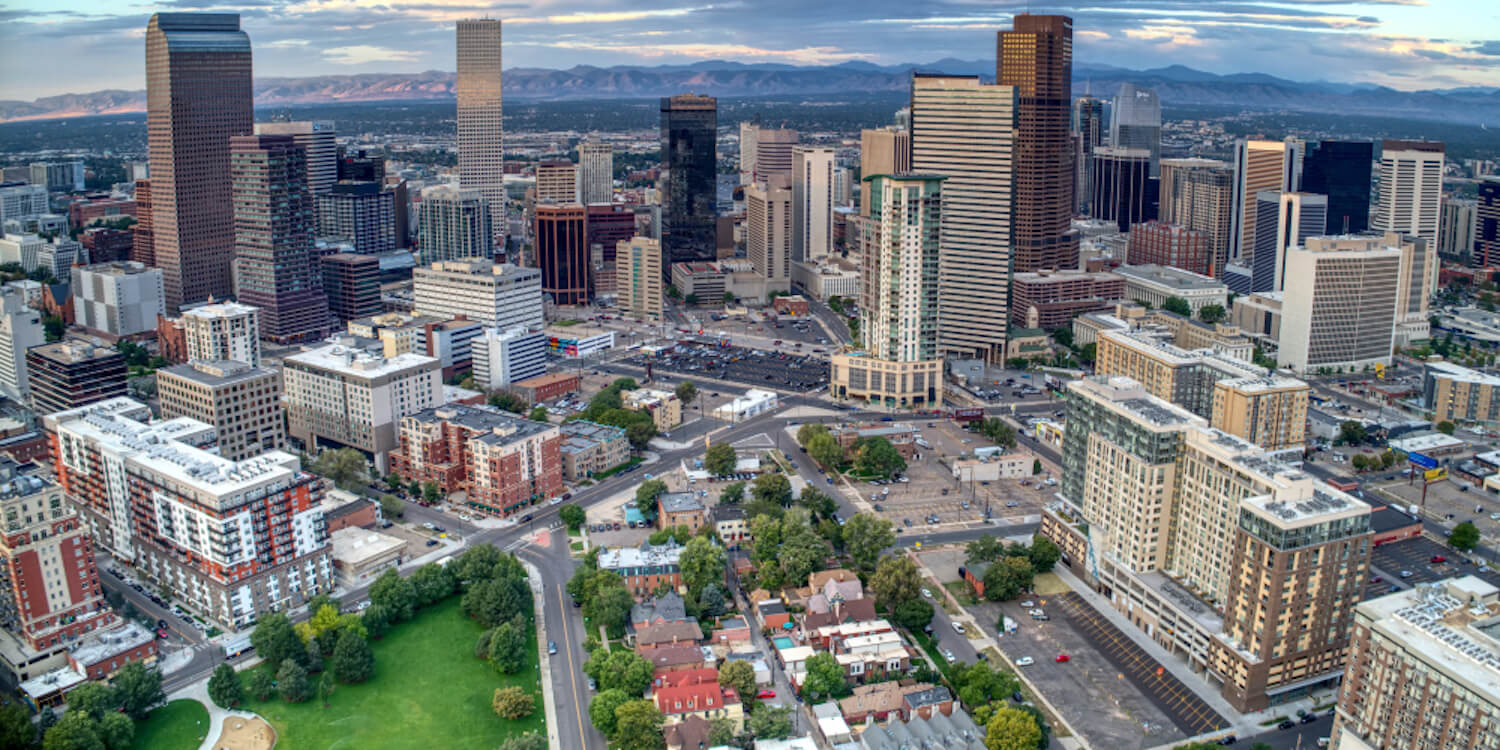
Denver Cityscape by Josh Berendes on Unsplash

+ PRO: Good job opportunities

There are still some good job opportunities in Denver, despite the housing market slowdown. The metro area’s economy is heavily reliant on tech, aerospace, healthcare and tourism, with emerging strength in renewable energy and fintech. If you bring skills in software development, engineering, healthcare or business services, you’ll find employers actively recruiting.

+ PRO: Great work-life balance

Denver employers understand that the city’s lifestyle drives talent here. Many companies lean into this with flexible schedules, remote work options, or generous PTO policies. The implicit deal: we’ll give you freedom and flexibility in exchange for your commitment and performance. It’s not universal across all industries, but the work culture generally respects that mountains and sunshine matter at least as much as meetings.

Job Opportunities in Denver
Education in Denver

Working in Denver

The Mile High City has a diverse economy, and there are plenty of job opportunities for people from different backgrounds and with varied skill sets. That said, those looking to end up working in Denver must have skills and attributes that set them apart from the competition.

Denver is recognised for its highly educated workforce, with a large segment of the city’s adult population having a tertiary education. Furthermore, with all its amenities and outstanding quality of life, Denver continues to attract and retain a smart, talented, and experienced workforce.


Job market in Denver

Healthcare is the largest employment sector in Metro Denver, with major employers like CommonSpirit Health and UCHealth. Denver International Airport employs tens of thousands of people across airline operations, security, and customer service. Thanks to the city’s central location, federal agencies maintain a steady presence here, and the US defence industry has operations in the area, with military bases located close to the city.

Historically, mining and energy have played a prominent role in Denver’s economy. Located near the mineral-rich Rocky Mountains, mining and energy companies remain based here, although the sector has moved toward uranium, rare earth elements and renewable energy alongside traditional oil and gas operations.

Other significant industries in Denver include aerospace, IT, finance, manufacturing, telecommunications, and healthcare. Education also employs many newcomers, with thousands of workers in Denver Public Schools and the University of Colorado System.

Salaries in Denver are well above the national average. Tech workers fare particularly well, with salaries running more than double the metro-wide median. This pay premium, combined with a cost of living lower than traditional tech hubs like San Francisco or New York, gives Denver an edge in attracting skilled workers.


Finding a job in Denver

searching online for a job

People who move to Denver generally do so with a job already in hand. For those who still need to find a job in Denver, online job portals are an excellent place to start. It could also be beneficial to research local companies and enquire about any openings. Once you’re in the city, you’ll find that making connections and networking is key to securing employment, especially in the tech and startup sectors.

Useful links


Work culture in Denver

Unlike many other large cities in the USA, Denver has a great work-life balance. Many people move to Denver for the lifestyle, and employers encourage their workers to enjoy it. Businesses in Denver often have unique benefits such as unlimited time off, flexible schedules, hybrid arrangements and the ability to work from home.

Work hours are usually from 8am to 5pm, although flexible schedules and hybrid arrangements are increasingly common. They provide these benefits to attract employees and encourage them to stay. They usually lead to a happier workforce and a more commercially viable company.

Denver offers flexible working arrangements more than most American cities. Around half of employees with remote-capable roles work hybrid schedules, splitting their time between home and office. This shift has reshaped expectations around when and where work happens, with most companies now offering some form of location flexibility as standard rather than a perk.

The work culture also reflects the laid-back attitude of locals. For example, work dress tends to be much more casual in Denver than in some eastern states. It’s common to see people arrive at work wearing jeans and a T-shirt. That said, some offices do expect business suits to be worn, so it’s best to enquire about this with your employer.

Lifestyle in Denver

Cost of living in Denver

Excluding the higher-than-average accommodation prices, the cost of living in Denver for other expenses is similar to the national average. If you can afford to buy a home in Denver, you will likely find other living costs lower than in pricier metropolitan areas such as New York City or San Francisco.


Cost of accommodation in Denver

The cost of accommodation in Denver has increased with its population growth, although the market has stabilised since 2023. Many residents now struggle to find affordable accommodation, and some residents rent instead of buying.

That said, the city has some affordable neighbourhoods to choose from. You can find a place at a reasonable price if you are willing to sacrifice things such as proximity to the city centre or easy access to amenities.

Despite the high cost of accommodation, utilities run cheaper in Denver than in most US cities. They are a few percent below the national average, helped along by the mild winter weather and abundant sunshine. Snow tends to melt quickly here, although you’ll still need heating during the colder months.

Luckily, there are many job opportunities in Denver. New arrivals with a suitable skill set should be able to land themselves a lucrative position in one of the city’s major companies, which would afford them a good home in a desirable neighbourhood.

Accommodation in Denver 
Areas and Suburbs in Denver


Cost of transport in Denver

While transport expenses in Denver aren’t high, they run roughly in line with or slightly below the national average. Driving, as opposed to using public transport on a daily basis, is relatively affordable, but owning a car in Denver is not cheap.

Car maintenance can be expensive due to the all-weather tyres required for the mountain passes in winter. Owing to the city’s gorgeous weather most of the year, you can get around on a bicycle or on foot if you live close to work and major amenities. If this is the case, you could save money by using public transport or driving only on days when the weather doesn’t permit walking or cycling.

Getting Around in Denver


Cost of groceries in Denver

Newcomers should budget carefully for groceries in Denver. While some items like eggs and coffee run higher than the national average, overall grocery costs sit slightly above what you’d pay elsewhere in the country. If you’re on a tight budget, you can save considerably by cooking at home instead of dining out.

Buying in bulk is also a fantastic way to save money. You can also purchase fresh produce at local markets, which is great for supporting small businesses and getting the best value for your money. We also recommend buying in-season produce at supermarkets to reduce costs.


Cost of eating out and entertainment in Denver

Although you can find expensive fine dining spots, Denver’s food scene has long leaned toward affordable, flavourful eats that can be enjoyed while standing or sitting out in the sunshine. Restaurant prices have climbed recently, both nationally and locally, but good value can still be found if you know where to look.

Thanks to the Mile High City’s excellent location alongside the Rocky Mountains, much of the lifestyle in Denver is concentrated on the outdoors. Mountain biking and hiking are popular pursuits that cost little to no money, while skiing in winter can range from budget-friendly to premium, depending on where you go. You can also find a few nightlife spots across the entire cost spectrum.

Lifestyle in Denver


Cost of education in Denver

Education and schools in Denver are some of the best in the state of Colorado and the US as a whole. Public schools in Denver are free for all to attend, including international students, and their admission system includes the SchoolChoice process, meaning parents can apply to schools of their choice through a lottery-based system.

If you are not planning to stay in Denver for the long term, you will find international schools in the city offering globally recognised curricula. While these schools typically offer exceptional facilities and teaching standards, tuition fees are high, so you should structure your budget around this expense.

Education and Schools in Denver


Cost of healthcare in Denver

As is the case in the rest of the USA, healthcare in Denver is expensive. If you do not have your healthcare sponsored by your employer, you are encouraged to purchase comprehensive health insurance to avoid incurring exorbitant costs for medical treatment in the city. The price of health insurance plans will vary depending on factors such as your age and medical history.

Those buying coverage on the individual marketplace should note that premiums have risen sharply – approximately doubling for many Coloradans in 2026 due to changes in federal subsidies. Most employers offer health insurance as part of their benefits package, which tends to be more affordable than purchasing coverage independently.

Healthcare in Denver


Cost of living in Denver chart

Prices are listed in US dollars (USD) and may vary depending on the product and service provider. The list below shows average prices for Denver in January 2026.

Accommodation (monthly rent)
Three-bedroom apartment in the city centreUSD 3,000
Three-bedroom apartment outside the city centreUSD 3,000
One-bedroom apartment in the city centreUSD 1,750
One-bedroom apartment outside the city centreUSD 1,750
Shopping
Eggs (dozen)USD 7.00
Milk (1 litre)USD 1
Rice (1kg)USD 5.80
Loaf of white breadUSD 3.80
Chicken breasts (1kg)USD 13
Cheese (500g)USD 7
Eating out
Three-course meal for two at a mid-range restaurantUSD 80
Big Mac MealUSD 12
Coca-Cola (330ml)USD 1.75
CappuccinoUSD 5.50
Local draft beer (500ml)USD 3.50
Utilities
Mobile phone monthly plan with calls and dataUSD 75
Internet (uncapped ADSL or cable – average per month)USD 60
Basic utilities (average per month for a standard household)USD 175
Transport
Taxi rate (per kilometre)USD 2.50
Bus/train fare in the city centreUSD 2.75
Gasoline/petrol (per litre)USD 0.85

Accommodation in Denver

Finding accommodation in Denver is one of the major challenges you’ll face when arriving in the city. With increased job opportunities in Denver, the city has become a popular destination for both people from abroad and those from elsewhere in the US.

Due to this increase in new arrivals over recent years, Denver experienced a surge in new construction. A spate of new apartment units flooded the market and pushed vacancy rates to their highest point in over 15 years. There’s now a more balanced rental market where you’ll find better negotiating power than in previous years.

You’ll be pleased to know that both the cost of accommodation and the general cost of living in Denver are far lower than in many major US cities such as New York, San Francisco, Boston, and Chicago.

Cost of Living in Denver


Areas and suburbs in Denver
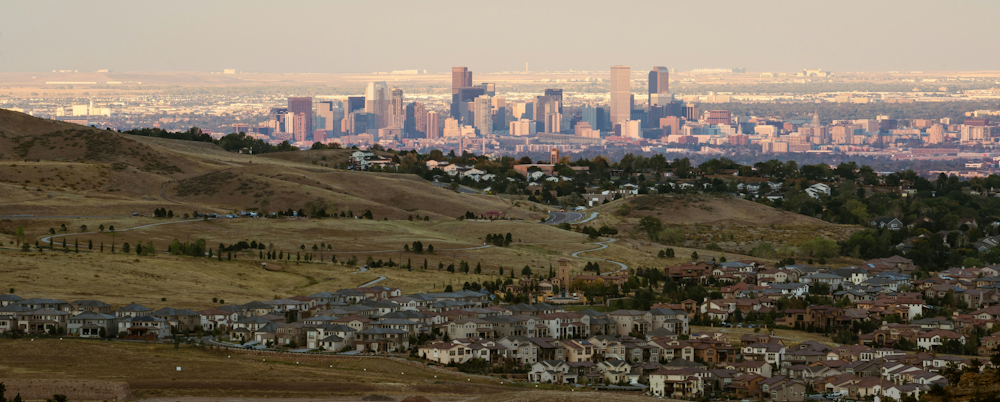
Denver Cityscape by Abhi Verma on Unsplash

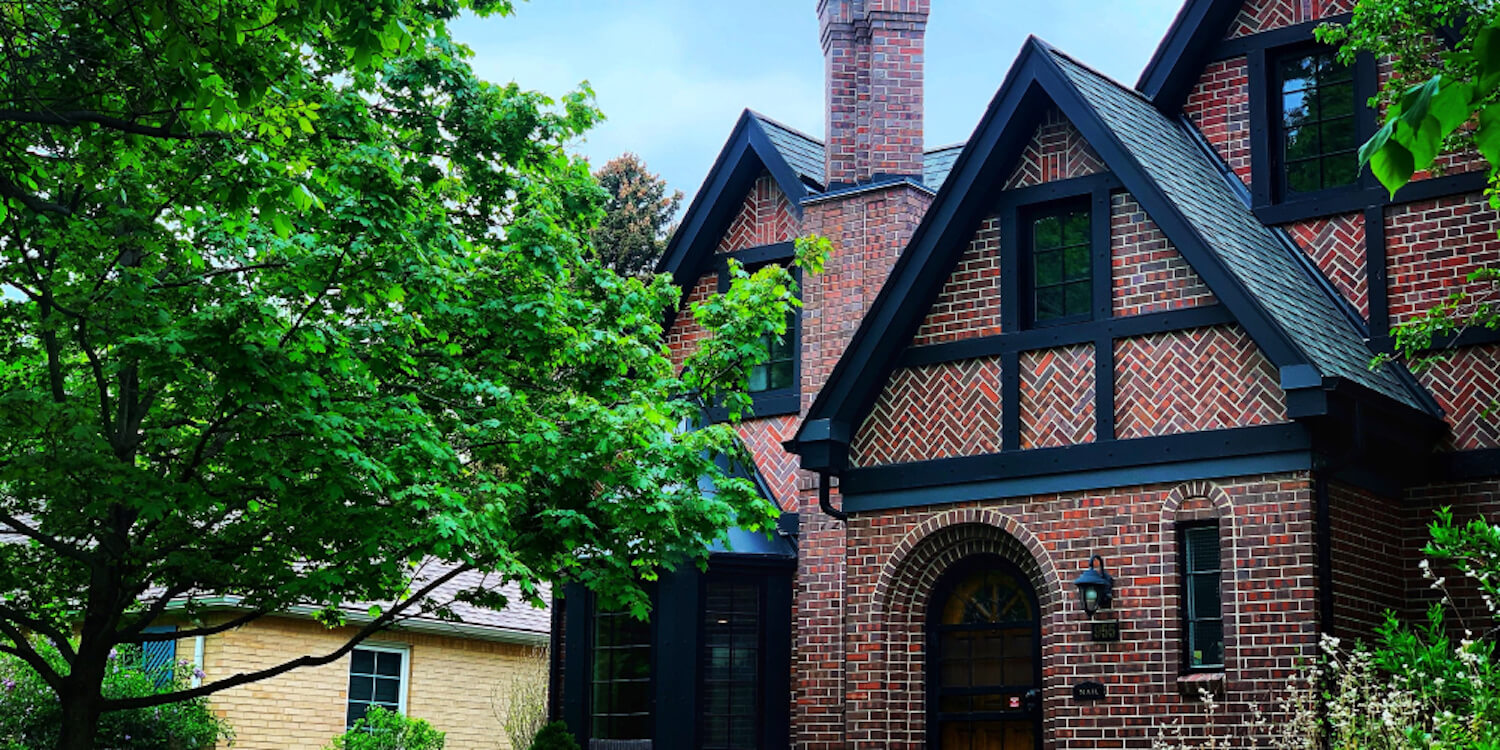
There is a diverse range of areas and suburbs in Denver to choose from, and new arrivals from all walks of life are sure to find something suitable. Newcomers looking to be within the hive of activity in Denver’s centre will love neighbourhoods such as RiNo, Lower Downtown (LoDo) and Golden Triangle. RiNo’s converted warehouses now pulse with street art, craft breweries and food halls, and LoDo’s historic brick buildings frame Union Station and Coors Field. The Golden Triangle sits steps from the Denver Art Museum and History Colorado Center.

The Mile High City also offers families and outdoor enthusiasts plenty of green spaces and sporting activities. Washington Park, Capitol Hill and Berkeley are among the best neighbourhoods for families and outdoor enthusiasts who want direct access to Denver’s trails and natural beauty. Littleton, Central Park and Mayfair are other family-friendly neighbourhoods in Denver.

Areas and Suburbs in Denver


Types of accommodation in Denver

There is a range of different housing options available in Denver, from luxury apartments and condominiums in the city centre to larger ranch-style family homes in the suburbs. There truly is something to suit your requirements.

Whether renting or buying, Denver provides you with some breathing room when looking for a place to stay. With higher inventory levels and properties sitting on the market longer, you’ll have time to weigh your options. Being flexible on your requirements will still make it easier to find good value.


Finding accommodation in Denver

finding a house in Denver

When looking for accommodation in Denver, the internet is usually a good starting point, although many of the properties advertised online get snapped up very quickly.

Hiring a real estate agent can be helpful in getting a jump on the competition and is particularly useful if you aren’t sure what areas will best suit your needs. In Denver’s rental market, landlords typically cover agent fees, although it’s worth confirming this arrangement upfront. Local and expat social media groups are also a fantastic place to start your search, as locals may be aware of rental properties that are not formally listed.

Some people relocating to Denver will have the advantage of a relocation company handling the search on their behalf. These companies assess your preferences and shortlist properties for you to view, which can save considerable time in a competitive market.

Useful links


Renting accommodation in Denver

Once you’ve found your ideal home, you’ll need to submit an application along with the required documentation. We recommend acting fast, as rentals in Denver are snapped up quickly.

Making an application

The first step in the rental process is filling out a rental application form. This isn’t the same as a rental agreement. The landlord will use this application to determine whether you meet their requirements.

The rental application form will typically require information like references, identity numbers, credit card information, sources of income and monthly disposable income. These questions may vary depending on the landlord. The landlord will then request permission to perform a background check, which includes checking your credit score and criminal history.

When handing in the completed application form, you’ll be charged an application screening fee. Colorado law requires this fee to reflect only the landlord’s actual costs for background checks, credit reports and verification. You should receive either a disclosure of anticipated expenses or an itemised receipt, and any unused portion must be refunded within 20 days.

You have the right to provide your own Portable Tenant Screening Report (PTSR) that’s less than 60 days old, and if you do, the landlord cannot charge you an application fee.

Leases

A six-month or one-year rental lease is typical when renting in Denver. With the current market conditions favouring renters more than in recent years, you’re in a stronger position to negotiate lease terms.

In some cases, estate agents and landlords may suggest signing a two or three-year lease, which could work in your favour for negotiating a rent discount. In this case, you shouldn’t be afraid to negotiate a discount on the rent. Signing a long-term lease benefits not only you, but also the landlord.

Deposits

It is the norm for landlords in Denver to ask for a security deposit to be put down. The amount for a security deposit varies widely depending on the type of rental and the monthly rental fee.

Security deposits are usually no more than one month’s rent, but if you have a bad credit score, the deposit could be as high as two months’ rent. Tenants with pets may also be asked to pay a higher security deposit. You may also be charged a holding deposit while you’re busy with the application process.

Terminating the lease

Leaving before your fixed-term lease is up requires a close look at the fine print. You are technically on the hook for rent until the lease finishes, but many Denver contracts offer a ‘lease break’ clause. This provision lets you out early in exchange for 30 to 60 days’ notice and a breakage fee. Without this clause, you are going to be held responsible for the rent until a new tenant takes over. Fortunately, Colorado landlords are legally required to re-rent the unit reasonably quickly to limit what you owe.

Schedule a final walk-through with your landlord to record the property’s condition. This protects you from footing the bill for normal wear and tear. State law dictates that landlords return the full deposit or an itemised deduction list within one month of you leaving. Check your agreement, though, as some leases extend this window to 60 days. If they fail to meet this deadline, they may forfeit their right to withhold any part of your deposit.

Accommodation in the USA


Utilities in Denver

utilities in denver

Regardless of whether you’re looking to buy or rent property in Denver, it’s essential to factor in the cost of setting up utilities and paying the necessary bills.

If you’re renting a property in Denver, you should check the conditions of your lease to find out more about your utility payments. In most cases, landlords assume responsibility for setting up utilities such as gas, electricity and water, and tenants deal with extras such as internet and cable television packages. If you’re buying property in Denver, you’ll have to arrange for utilities to be set up yourself.

Electricity and gas

Xcel Energy is Denver’s leading electricity and gas supplier, and as a new tenant in the city, you’ll likely only need to contact the company to change the account to your name. If your electricity or gas is turned off, you can simply call the company or complete an online form with your address, contact details, and billing information.

Water

Most of Denver’s drinking water comes from the snowmelt and runoff water from the Rocky Mountains, and the supply is managed by Denver Water. To start water service, you can call Denver Water during working hours and provide them with the service address, billing address, your phone number and start date.

You’ll then receive a unique identification number you can use to set up a self-service account and make payments. The water meter is usually read monthly, and the bill is then due 21 days after it has been sent.

Bins and recycling

When moving into your new home, you can visit the city of Denver’s official website or download the city’s rubbish and recycling app to learn about your area’s rubbish and recycling schedule. You can also sign up for recycling services on the same website.

Denver introduced a pay-as-you-throw system in 2023 that changed how waste collection works. You’ll now pay a monthly fee for rubbish pick-up based on the size of your rubbish cart, with three options available: a 35-gallon cart, a 65-gallon cart, or a 95-gallon cart. Recycling and composting services are included at no additional charge.

Recycling collection occurs every other week, and compost collection runs weekly if you’ve signed up for it. The system encourages you to divert waste from landfills to recycling and composting, which allows you to downsize your rubbish cart and save money.

Useful links

Areas and suburbs in Denver

The best places to live in Denver

The best areas and suburbs in Denver run the full spectrum. Luxurious Cherry Creek and historic Capitol Hill each draw their own followings, while family-friendly Central Park appeals to a different crowd entirely. Housing stock varies wildly. Luxury condominiums dominate certain postcodes, while you’ll find trendy loft conversions, historic Victorians and modern townhomes elsewhere.

House hunters will need to be fairly flexible in their requirements and shouldn’t set their heart on finding a home in one particular neighbourhood, as the demand is high. Instead, they should make a list of suitable neighbourhoods and then start searching for accommodation within their budget.

Here is a list of popular neighbourhoods in Denver.


Young and trendy neighbourhoods in Denver

Neighbourhoods for young professionals in Denver

Cheesman Park

This picturesque area is located close to the Capitol Hill district and is especially popular among young professionals in Denver. There is a wide array of accommodation and price points in Cheesman Park, including historic Victorian homes, modern condominiums, townhouses and apartments.

For those who want spectacular views of the Rocky Mountains, the best option is a towering condo. Loft apartments are also popular in this area. You’ll have good access to restaurants, bars, clubs and the park itself – a magnet for joggers, picnickers and the annual Cheesman Park Art Fest.

Cherry Creek

An upscale neighbourhood in Denver, Cherry Creek is one of the city’s most sought-after addresses. While it is somewhat popular with older couples looking to downsize, it’s also a common spot for new arrivals moving to Denver for an active lifestyle. The area is a self-contained oasis for its residents, who have art galleries, coffee shops, retail outlets, bars and restaurants right on their doorstep.

In the summer, Cherry Creek comes alive with activity on Fillmore Plaza, which hosts regular concerts, art festivals, and a popular holiday market running from November through Christmas Eve. Accommodation in this neighbourhood mainly consists of modern housing and apartments.

Lower Downtown

Lower Downtown, known among Denver’s residents as LoDo, is the perfect neighbourhood for newcomers looking to have all of what Denver has to offer right on their doorstep. It’s the ideal area for those with an active social life who don’t have a car.

LoDo concentrates much of Denver’s bar, restaurant and nightlife scene in a walkable grid, alongside cultural draws like the Museum of Contemporary Art and green spaces like Commons Park. New arrivals will be close to work but far from the city’s best schools, making this area ideal for young professionals without children.

Moving to Denver 
Work in Denver


Family-friendly neighbourhoods in Denver

Family-freidnly neighbourhoods in Denver

Central Park

Central Park is a popular area among families in Denver. The neighbourhood was renamed from Stapleton in 2020 after residents voted to shed the name of Benjamin Stapleton, a former Denver mayor and KKK member. Built on the site of the former Stapleton International Airport (closed in 1995), the neighbourhood now features residential properties, retail buildings, parks and more than 10 schools serving roughly 30,000 residents. Public murals and interactive artwork dot the streetscape, remnants of the neighbourhood’s early vision as an arts-friendly development. New arrivals will find a range of housing options in Central Park, including lofts, condominiums, townhomes and larger single-family homes.

Littleton

With its quintessential small-town feel, this family-friendly neighbourhood is a great place to raise children. Littleton is home to several good restaurants, shops and plenty of green spaces to relax and play with the kids.

Littleton Public Schools has earned Colorado’s highest academic accreditation eight times – more than any other metro area district. You’ll be near some of the best public schools in the state. With good RTD light rail access, the 12-minute commute to the city centre has never been easier. Craftsman-style houses are scattered throughout the neighbourhood amid some gorgeous new builds.

Mayfair

Mayfair is an excellent place for those on a budget. The predominant type of architecture that can be found in the area is 1950s ranch-style homes. Alongside these modest properties, new arrivals can also find some more contemporary homes. The area is particularly popular with students and medical professionals working at the University of Colorado Anschutz Medical Campus (formerly the Health Sciences Center) and National Jewish Health.

Mayfair sits close to Lindsley Park, a seven-acre green space with tennis courts, playgrounds and picnic areas – ideal for families or anyone who likes to move. While there are just a handful of restaurants and shops in the area, Mayfair is only a 15-minute commute from downtown Denver and a few minutes away from Cherry Creek.

Accommodation in Denver 
Public Schools in Denver

Healthcare in Denver

When it comes to healthcare in Denver, the city is home to excellent medical facilities, so you have nothing to worry about when it comes to your healthcare needs. Some of Denver’s hospitals are ranked among the best in the country. The University of Colorado Anschutz Medical Campus anchors Denver’s reputation for medical innovation. Researchers here have developed both shingles vaccines and performed the world’s first liver transplant, and they continue to push boundaries in treatment and care.

Pharmacies can be found throughout the city, along any main shopping street or mall. Several pharmacies operate around the clock in Denver, including select CVS and Walgreens locations. Since hours can vary, you’ll want to confirm availability before heading out in an emergency. You’ll want to familiarise yourself with your nearest one in case there’s an emergency.

Like anywhere in the US, you’ll need solid health insurance coverage to access Denver’s medical facilities.

Read Healthcare in the USA to learn more about the national healthcare system. Understanding Health Insurance in the USA is essential.

Below is a list of the most prominent hospitals in Denver.


Hospitals in Denver

healthcare professionals in a hospital

Children’s Hospital Colorado

Website: www.childrenscolorado.org 
Address: 13123 East 16th Avenue, Aurora

Denver Health Medical Center

Website: www.denverhealth.org 
Address: 777 Bannock Street, Denver

HCA HealthONE Presbyterian/St. Luke’s Medical Center

Website: www.healthonecares.com 
Address: 1719 East 19th Avenue, Denver

HCA HealthONE Rose Medical Center

Website: www.healthonecares.com 
Address: 4567 East 9th Avenue, Denver

University of Colorado Hospital

Website: www.uchealth.org 
Address: 12605 East 16th Avenue, Aurora

Education and Schools in Denver

Education and schools in Denver are of significant importance for locals and expats alike. Colorado leads the country in adult educational attainment, and the state consistently ranks among the top 10 for overall education quality.

There are several primary and secondary school options at both private and public institutions, including charter and magnet schools. There are also some international schools in Denver that follow the International Baccalaureate (IB) programme alongside French, Spanish, and Chinese curricula.


Public schools in Denver

students and teacher in a geography class

Public schools in Denver are free to attend and open to all students, including foreigners. New arrivals will also be pleased to know that Denver is home to some of the best public schools in the state of Colorado.

On top of this, public schools in Denver offer open enrollment, which means that students can apply to the school of their choice. In effect, parents who choose to send their child to a public school in Denver are not limited by geographic location and can instead select a school that best meets their child’s needs. As part of the application process, parents submit forms listing their top 12 school choices. Schools then admit students based on space availability.

Charter and magnet schools

Charter schools are institutions that receive funding from the local district and the state of Colorado. Whilst these schools uphold the state curriculum, they have a greater degree of freedom when it comes to teaching methods. Charter schools tend to be more innovative and flexible than traditional public schools.

Magnet schools are public schools with specialised courses or curricula in areas such as science or the arts. They’re associated with high achievement and cultural diversity. These schools attract a range of students from all over the Denver metro area.

Both charter and magnet schools are viable options for parents looking for an affordable path to specialised, academically rigorous education. Admission can be competitive and waitlists lengthy – lottery systems are often used to confirm enrolment.

Education and Schools in the USA

Useful links


Private and international schools in Denver

There are many private schools in metro Denver, and they tend to offer a broader range of facilities than is usually found at public schools. Many ground their education in specific religious traditions or alternative pedagogical approaches. There are also those which teach a foreign curriculum, known as international schools.

International schools are a good choice for expats, particularly those who are only planning to stay in Denver for a short period, or locals who want a globally minded education for their children. Although fees are typically high, attending an international school allows expat children to meet other international students and helps them be better equipped to make the transition to life in Denver.

The majority of international schools in the Denver metro area follow the International Baccalaureate curriculum, and several of these schools offer language immersion classes.

Useful links


Special educational needs in Denver

student using a wheelchair in a classroom

Students with special educational needs in Denver receive strong support across both public and private schools. Federal laws – including IDEA and Section 504 – guarantee children with disabilities free access to quality education.

Both public and private schools in the city have special programmes in place to support students with learning difficulties and disabilities. In cases where a person’s disability is too severe for them to benefit from mainstream education, there are special education facilities that can offer students an individualised special needs programme tailored to meet their specific requirements.

Useful links


Tutors in Denver

Whether your child has fallen behind in maths class, needs help with adjusting to English language instruction, or requires additional support to help prepare them for their college entrance exams, there are plenty of private tutors in Denver. Many schools also offer tutoring or academic assistance, either free of charge or at discounted rates.

Begin your search by asking your child’s school or other local parents for recommendations. Alternatively, work with established tutoring companies. These companies run programmes ranging from subject-specific intensive courses to one-on-one home tuition and small group sessions. Wash Park Tutors and Varsity Tutors are two such companies.

Useful links

Lifestyle in Denver

New arrivals in Denver will find that while they might be relocating for work, they’ll undoubtedly find ample opportunities for leisure. Whether you’re looking for some retail therapy, dining out or partying the night away, the lifestyle in Denver has plenty of opportunities.

Denver has a thriving outdoor culture thanks to the region’s mild weather. With numerous national parks and world-class ski resorts within easy reach, you’ll enjoy taking in the beautiful surroundings and spending time in nature.


Shopping in Denver

Platte Street Storefronts in Denver by Memento Media on Unsplash

Shopping in Denver caters to every budget, although most Denverites channel their earnings toward camping and sports gear. Whether you’re after luxury labels or bargain finds, the Mile High City delivers.

For designer labels, head to the luxury shops at Cherry Creek Shopping Center, while budget-conscious shopping can be done at Colorado Mills in nearby Lakewood. Larimer Square, Denver’s oldest and most historic block, offers a more intimate experience with its Victorian architecture, string-lit streets, and collection of chef-driven restaurants and lively bars, making it ideal for an evening out.


Nightlife in Denver

Mile High Stadium Concert in Denver by Colin Lloyd on Unsplash

The nightlife options in Denver extend well beyond sports bars, with everything from chic cocktail lounges to craft breweries. Cherry Creek draws a sophisticated crowd with its upscale wine bars and refined dining, and Lower Downtown (LoDo) pulses with rooftop bars, dance clubs, and the energy that spills out after Rockies games. South Broadway (SoBo) and River North Art District (RiNo) cater to younger revellers with their funkier venues and late-night kitchens. Strict noise ordinances mean many spots close earlier than in coastal cities, although you’ll rarely struggle to find somewhere vibey on a weekend night.


Eating out in Denver

Eating out in Denver means taking advantage of a lively and thriving culinary scene. Each of the city’s neighbourhoods has its fair share of eateries, although the most exciting restaurant activity now spreads across multiple areas, including downtown, RiNo, Cherry Creek and the Highlands.

Denver restaurants make the most of the Mile High City’s 300 days of sunshine with abundant al fresco dining options, from rooftop patios to garden terraces. You’ll find cuisines spanning the globe, including Chinese, Indian, Thai, Italian, French, Vietnamese, Mexican, and various African flavours.

Neighbourhoods in Denver


Outdoor activities in Denver

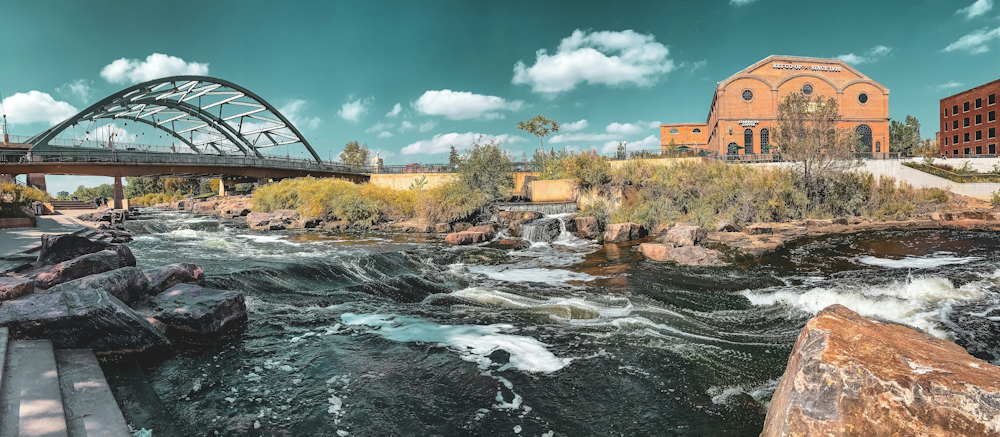
Confluence Park in Denver by Devonshire on Unsplash

Outdoor activities in Denver define the city’s identity, with the Rocky Mountains to the west and the High Plains to the east creating a natural playground for an exceptionally athletic population.

Denver is an ideal base for conquering the Rockies. There’s a ton of hiking and mountain biking trails both within city limits and in the nearby foothills, like the paved Cherry Creek Trail that threads through the city or Red Rocks Park’s trails that wend past dramatic formations. The mountain corridors are dotted with camping spots, and there are golf courses and fishing holes that draw enthusiasts year-round. When winter arrives, ski resorts like Winter Park, Eldora, Arapahoe Basin, Keystone and Breckenridge sit just one to two hours away, offering world-class terrain for skiing, snowboarding and snowmobiling.

The city’s major parks include City Park (home to the Denver Zoo and Museum of Nature & Science), Washington Park with its lakes and flower gardens, and the spectacular Red Rocks Park.

For spectator sports, Denverites pack Empower Field at Mile High for Broncos football, Ball Arena for Nuggets basketball and Avalanche hockey, and Coors Field for Rockies baseball. Dick’s Sporting Goods Park hosts the Rapids soccer matches, while the city’s rec leagues and climbing gyms keep residents active when they’re not cheering from the stands.

Weather in Denver


See and do in Denver

See and do in Denver encompasses everything from world-class museums to outdoor adventures. Whether you’re drawn to the animal world at the city’s zoo and aquarium or prefer lazing in the sun at one of Denver’s parks, the Mile High City keeps you occupied.

Below are some of the most popular attractions in Denver.

Denver Zoo

This zoological garden covers 80 acres in City Park and ranks as Denver’s most visited paid attraction. The Denver Zoo Conservation Alliance welcomes more than one million guests annually and houses over 2,500 animals from across the globe, making it a rewarding outing for families. Accredited by the Association of Zoos and Aquariums for over 40 years, the zoo practises conservation and aims to raise awareness about threats to biodiversity through education.

Denver Botanic Gardens

If you have green fingers, you’ll find endless gardening inspiration at the Botanic Gardens. Despite Colorado’s dry climate, the gardens maintain one of North America’s most diverse plant collections with more than 32,000 plant species. The 24-acre grounds provide a fabulous setting for a picnic or family day out, particularly during summer when the Summer Concert Series brings world-class musicians to the UMB Bank Amphitheater.

Colorado State Capitol Building

A spectacular example of 19th-century classical architecture topped by its distinctive gold leaf dome, Colorado’s State Capitol is a must-see. The building sits exactly one mile above sea level, lending Denver its nickname. Free guided tours run Monday through Friday on the hour from 10am to 3pm, limited to 30 people on a first-come basis.

Denver Art Museum

Art lovers can admire collections totalling more than 70,000 diverse works from across the globe at the Denver Art Museum. The museum is renowned for its Native American art collection alongside strong holdings in Western American Art and modern and contemporary works.

Downtown Aquarium

A trip to the aquarium delivers family entertainment across more than one million gallons of exhibits. Young visitors can enjoy interactive experiences such as the Stingray Reef touch pool while learning about the 500-plus species housed in the aquarium’s themed zones. Afterwards, families can dine at the Aquarium Restaurant, seated around a 50,000-gallon centrepiece tank teeming with colourful tropical fish and marine life.


Meeting people and making friends in Denver

Meeting people and making friends in Denver happens organically through the city’s active outdoor culture and growing professional scene. Joining sports leagues (like Meet Play Chill), hiking groups, or craft brewery tours are natural ways to connect with like-minded people.

Online platforms such as Meetup host hundreds of groups focused on everything from mountain biking to professional development, volunteer groups, and groups that cater to young professionals, women’s circles, and LGBTQ+ communities. Volunteer opportunities through organisations like Denver Rescue Mission, Habitat for Humanity, and the Food Bank of the Rockies are meaningful ways to give back while making friends with good people.

Useful links

Getting Around in Denver

Transport options in Denver are a little more limited than new arrivals might expect from a large American city. While Denver has a public transport network that is relatively efficient and continuously improving, the services it provides aren’t sufficient outside the city centre. Most residents living in the city own vehicles and find that getting around in Denver by driving is best.


Public transport in Denver

Public transport in Denver is overseen by the Regional Transportation District (RTD). While there are ongoing plans to improve and expand the city’s public transport network, it is presently lacking outside Denver’s downtown area.

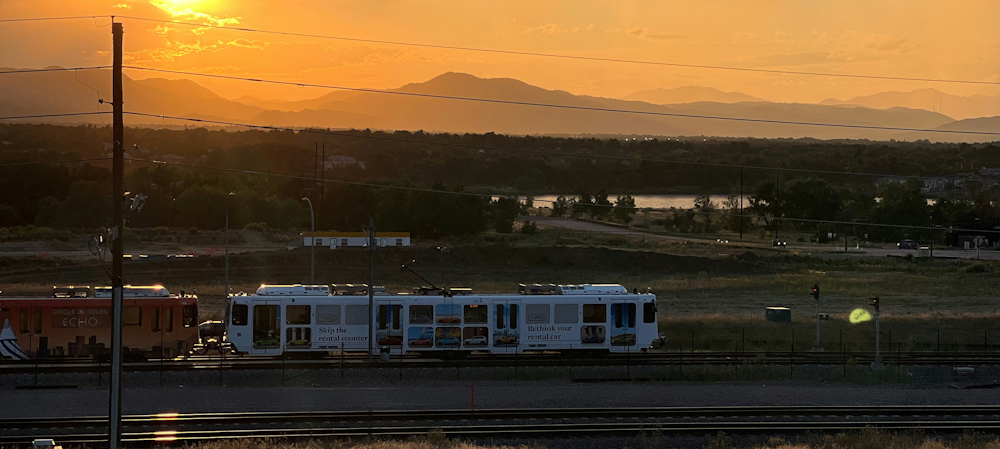
RTD Rail in Denver at Sunset by Yaroslav Muzychenko on Unsplash

Light rail

Denver’s light rail system comprises various lines serving more than 50 stations across the metro area. Light rail tickets must be purchased from ticket machines, which can be found at the stations before boarding the train. The price of the ticket is either route-based or time-based. 

Buses

RTD buses are the backbone of Denver’s public transportation network. It operates more than 1,000 buses on approximately 130 routes and serves more than 9,000 bus stops in the Denver Metropolitan Area.

Travelling by bus in Denver is comfortable and fairly convenient unless you travel to or from one of the city’s more distant suburbs. It’s worth checking the bus timetable when planning your journey, as the frequency of services varies from one route to the next.

Train

There are currently four commuter rail lines in Denver. The A Line provides a direct link from downtown Denver to the city’s airport and can be easily accessed via light rail and bus routes. The B Line travels from Union Station to Westminster, with further extensions underway.

The G Line connects downtown Denver with the northwest suburbs of Arvada, Adams County, and Wheat Ridge, and the N Line connects Union Station with Commerce City, Northglenn, Thornton, and North Adams County. These trains carry more passengers than light rail, operate at higher speeds and make fewer stops. They’re your quickest bet for suburban to downtown journeys.

Best (and Worst) Neighbourhoods in Denver

Useful links


Taxis in Denver

Taxis are readily available in Denver. They can be found at the airport and main transport hubs, such as Union Station. Taxis in Denver are metered, but firms set their rates. Fares sometimes increase during peak times and high-demand periods through surge pricing. Ride-hailing apps such as Uber and Lyft also have a presence in Denver and are easy to use.

Useful links


Driving in Denver

Traffic Intersection in Denver by Richard Melick on Unsplash

The majority of newcomers in Denver own a car and find driving to be the most convenient way to get around the city. A car is especially important if you don’t live near the city centre and if you want to travel outside Denver.

The quality of roads and signage in Denver is good. While most new arrivals have no difficulty getting around, traffic can be horrendous during peak hours. Parking is fairly easy to find, but fees are high within the downtown area of Denver.

Driver’s licences

Expats resident in Denver will need to convert their driver’s licence from home to a local licence. The state of Colorado has reciprocal agreements with Canada, France, Germany, South Korea, Taiwan, and Japan, meaning that a licence from one of these countries can be exchanged for a Colorado licence without having to retake a driver’s test. Citizens of countries not party to such an agreement will need to pass a local driver’s test to legally drive in Denver.

Transport and Driving in the USA

Useful links


Cycling in Denver

The city has an excellent network of cycle trails that cover a great deal of the city. Cycling is an integral part of Denver’s culture, and this is apparent in the number of bike lanes and secure cycle storage facilities that can be found in the city centre. The city launched a bike and scooter share programme in 2021 that now records over six million trips annually. The programme is currently operated by Lime and Bird, offering electric scooters and bikes through mobile apps.

Drivers in Denver are generally mindful of cyclists, so the roads tend to be far safer here than in other cities. That said, cyclists must be aware that the rules about cycling in Denver are strictly enforced. It’s common for cyclists to be fined for ignoring stop signs or running a red light.

Cyclists are also required to have lights at the front and back of their bikes. While helmets aren’t legally required for adults on traditional bicycles, they’re strongly recommended for safety. Reports of bike theft are quite common in Denver, so cyclists are advised to invest in a good-quality lock.

Useful links