
Living in Taiwan as an expat
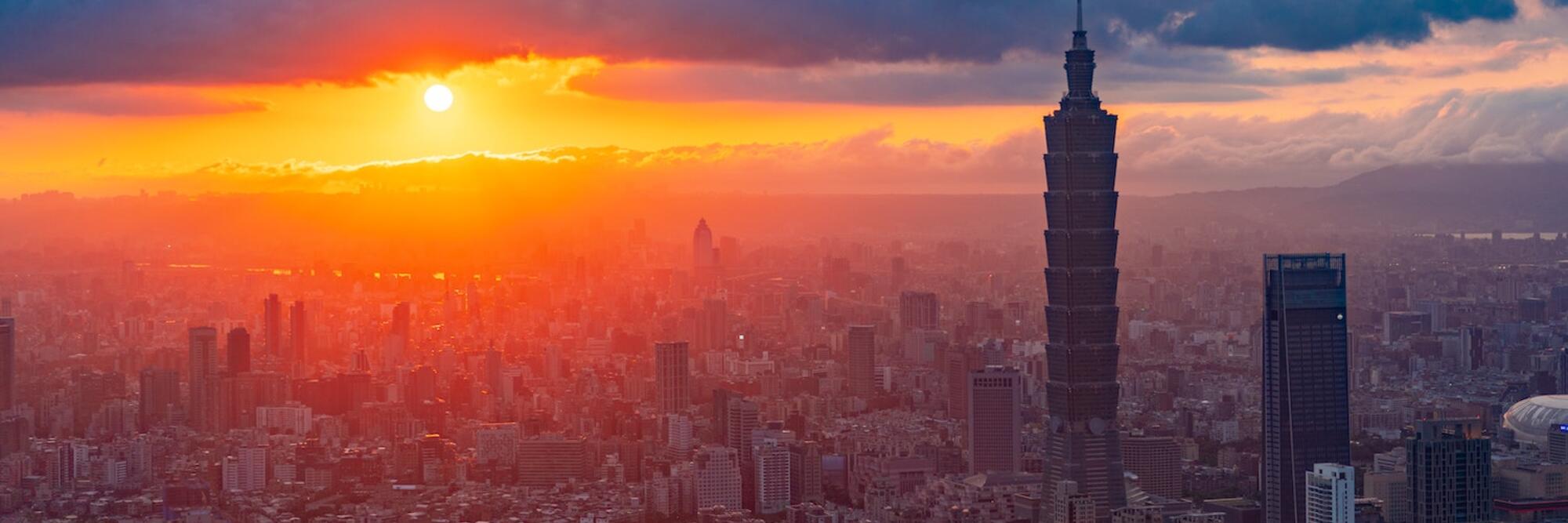
Moving to Taiwan means living on a mountainous island off the coast of mainland China. It is home to the tallest peak in northeast Asia and boasts an abundance of nature reserves and hot springs. In addition to its varied and beautiful landscape, Taiwan hosts modern – and sometimes hectic – metropolises, like Taipei and Taichung. This eclectic mix makes the island an ideal destination for expats who are looking for a little bit of everything.
Even though the language barrier can make communication challenging, expats will find that the Taiwanese are extremely friendly, helpful, and gracious. They will generally go out of their way to make visitors feel at ease, and pride themselves on being good hosts. Taiwan's people uphold traditional Chinese values, while at the same time embracing a capitalist business culture that appeals to Western expats.
The island's main industries include electronics production, industrial processing, and information and communications technologies. Highly qualified expats should have no trouble securing employment, even though Taiwanese companies tend to hire skilled local workers before seeking talent from abroad.
The expat lifestyle in Taiwan is convenient – imported and locally produced goods are easily accessible, and both high-quality public transport and well-subsidised public healthcare are available and affordable.
Teaching English in Taiwan
Moving to Taipei
Working in Taiwan
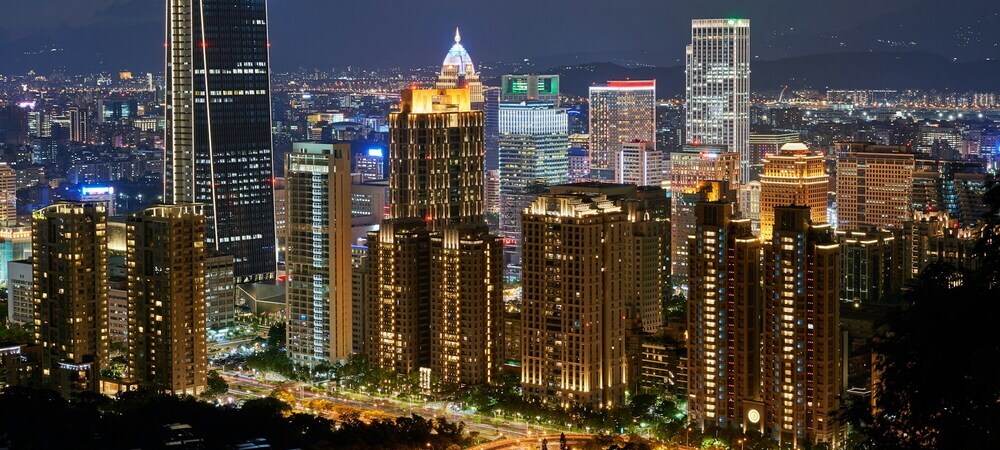
Working in Taiwan allows expats to take advantage of a growing economy characterised by good-to-great salaries and plentiful opportunities. While many foreigners find employment in the ESL teaching industry or via transfers from within multinational organisations, Taiwan’s reputation as a hub for electronics and information technology continues to attract skilled professionals. Expats aiming for managerial, financial, or marketing roles will need to prove that they are exceptionally qualified, while learning Mandarin is a valuable tool for improving work prospects.
Taiwan's work culture is influenced both by Confucian principles and capitalist ambition, emphasising harmony, collective identity, and the importance of relationships. Gift-giving is commonplace and helps build trust between parties, while the concept of 'face' – preserving your own and others' dignity and prestige – shapes the business landscape. Expats should therefore avoid conflict and approach negotiations with patience and respect.
Finding a Job in Taiwan
Visas and Residence Permits for Taiwan
Work Permits for Taiwan
Taiwanese culture
Settling into life on the island becomes easier when you understand the nuances of Taiwanese culture. Day-to-day living can feel unfamiliar at first, but learning even basic Mandarin will make everyday tasks smoother and help you feel less isolated. Locals value harmony and subtlety in communication, and both social and business interactions are often guided by 'saving face'.
Family is central in Taiwanese society, often taking precedence over social plans, and as a result, friendships may feel less direct than in Western countries. While locals may avoid open disagreement, they can be surprisingly forward about personal observations, commenting on appearance or lifestyle changes. Navigating these nuances with patience and understanding will go a long way in building strong relationships and ensuring a smoother transition into Taiwanese life.
Local Culture in Taiwan
Business Culture in Taiwan
Finding accommodation in Taiwan
Finding accommodation in Taiwan is generally straightforward, with plenty of properties available, though the price of rent in Taipei can be steep compared to the rest of the island. Your housing expenses can be eased significantly if your employer offers an accommodation allowance, making it worthwhile to negotiate this as part of your relocation package. Apartments are the most common option, particularly in city centres, while freestanding houses can occasionally be found in suburban areas.
Properties can vary in quality, so it’s best to view them in person before signing the lease agreement. Expats who secure the services of a relocation company or estate agent catering to foreigners will find the process far smoother, as leases are usually in Mandarin and can involve complicated paperwork.
Renting Expat Accommodation in Taiwan
Cost of living in Taiwan
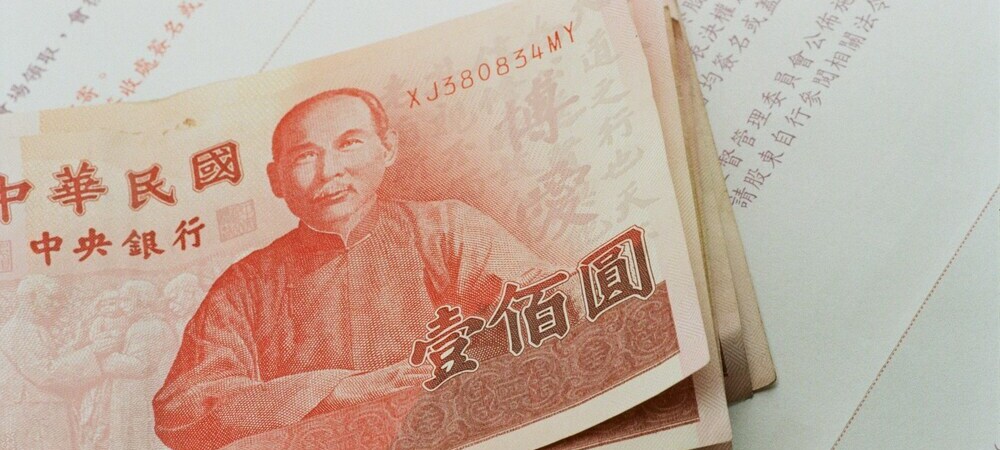
The cost of living in Taiwan varies widely. Taipei is the priciest city, although it is still cheaper than regional hubs like Singapore or Hong Kong. Accommodation will likely consume the largest share of your budget, especially if you opt for a more spacious option.
Groceries are affordable if you stick to local produce, but buying imported goods can quickly inflate your budget. Eating out can be remarkably cheap at night markets and street stalls, but fine-dining restaurants match Western prices. Transport costs exhibit a similar duality – public transport is efficient and inexpensive, while owning a car comes with more freedom, but higher costs.
Healthcare, by contrast, comes in at a much lower cost. Taiwan’s National Health Insurance (NHI) provides high-quality care at an affordable price point, ensuring that you can access essential medical services without breaking the bank.
Living in Taiwan with children
Although Taiwan's cities can be crowded, they offer a wide variety of family-friendly activities, including zoos, markets, and amusement parks. If you prefer the outdoors, Taiwan's many scenic natural attractions and national parks can be easily and affordably visited.
The National Health Insurance (NHI) scheme ensures that your young ones will be well taken care of. Subsidised healthcare is available to expats holding an Alien Resident Certificate (ARC) or those who have lived in the country for six months or more. The standard of care is high, and many doctors speak English. Excellent private healthcare is also available, though it's a pricier option, offering more specialised care, access to elective procedures, and shorter waiting times.
Healthcare and Health Insurance in Taiwan
Safety in Taiwan
Finding a school in Taiwan
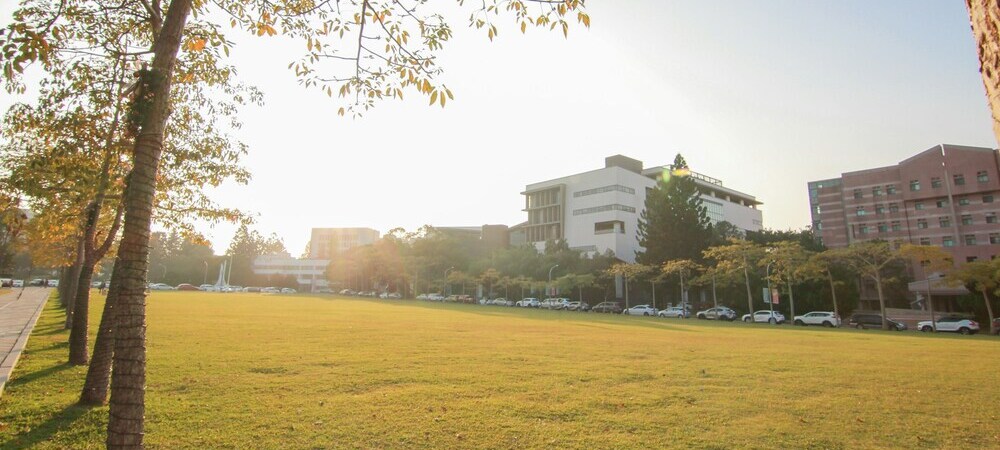
Most expats choose to send their children to international schools in Taiwan, the majority of which are situated in the capital, Taipei. These institutions provide a high standard of education and offer familiar curricula like the International Baccalaureate (IB), but are generally expensive.
Public schools teach in Mandarin and are a more affordable option, especially if your children are young enough to pick up the language easily. Taiwanese public schools regularly produce students with outstanding grades, but rote learning is emphasised over critical thinking. Tutoring is readily available both online and in person and can help your children master difficult subjects.
Best International Schools in Taipei
Education and Schools in Taipei
Getting around in Taiwan
Getting around in Taiwan is fast and easy, thanks to the country's modern and efficient public transport network. High-speed trains are the preferred method of travelling between cities or over long distances, while buses cover most intra-city travel needs. If you settle in Taipei, you'll be able to make use of the city's advanced metro system. Announcements and signs are in English and Mandarin, making travel a breeze, even if you're not familiar with the local language.
Driving is an option when moving to Taiwan, as a personal vehicle offers unmatched independence and convenience. Bear in mind that traffic can be hectic and congested, particularly in urban centres, and the costs for parking, insurance, and fuel can quickly add up.
Transport and Driving in Taiwan
Climate in Taiwan
Taiwan has a tropical climate. Summers are hot and humid, and winters are mild. Although it rains year round, the summer months are the wettest. Typhoon season sets in towards the end of summer and lasts until mid-autumn. Temperatures in Taiwan range from highs of 90°F (32°C) at the hottest time of the year to 54°F (12°C) at the coldest.
Taiwan is a wonderful expat destination. The country seamlessly blends modern metropolises with natural splendour, offering those who choose to take on the language barrier and cultural differences a rewarding experience that is unique in the East Asian context.
Fast facts
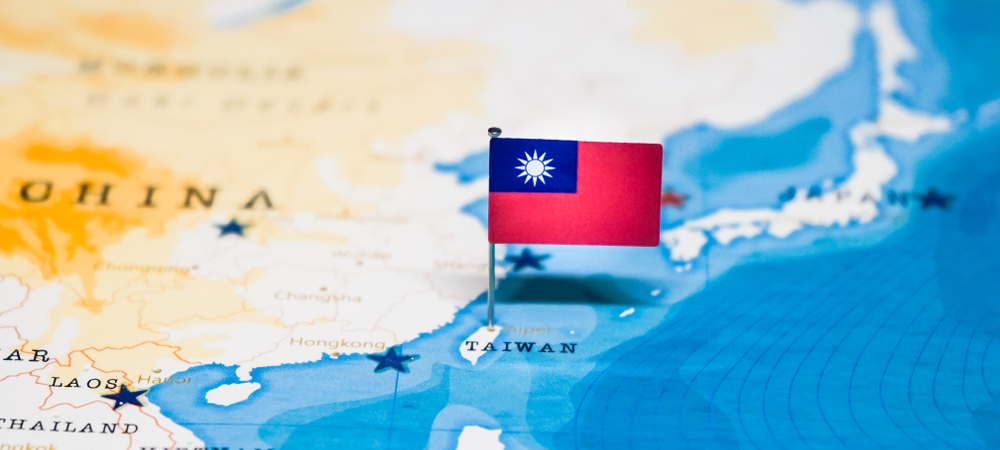
Official name: Republic of China
Population: Around 24 million
Capital city: Taipei
Other cities: Taichung, Kaohsiung, and Tainan
Geography: Taiwan is an island characterised by a contrast between rugged mountains (which run in five ranges from the northern to the southern tip of the island), flat land and the gently rolling Chianan Plains in the west.
Political system: Semi-presidential republic
Major religions: Buddhism and Taoism
Main languages: Mandarin (official), Taiwanese Hokkien, Hakka, and English (mostly in Taipei)
Money: The New Taiwan Dollar (TWD), which is divided into 100 cents. Opening a bank account is easy once you have an Alien Resident Certificate (ARC). Larger Taiwanese establishments accept credit cards, but cash is often preferred by smaller vendors. ATMs are common in cities and usually operate 24 hours a day.
Tipping: Tipping is not standard, although it's unlikely to be refused if offered. Baggage handlers at hotels and the airport will accept loose change. Hotels and restaurants typically add a 10 percent service charge to the bill.
Time: GMT+8
Electricity: 110V, 60Hz. 'Type A' two-pin plugs with flat blades and 'Type B' three-pin plugs with two flat blades and a grounding pin are commonly used.
Internet domain: .tw
International dialling code: +886
Emergency contacts: 110 (police), 119 (ambulance and fire)
Transport and driving: Cars drive on the right-hand side of the road. Taiwan has an extensive public transport system that is easily accessible and reliable.