
- Hold down
Ctrlkey and select the sections you want to print. If using a Mac, hold down theCmdkey. - Use
Ctrl + Aor on Mac,Cmd + Ato select all sections (if you are using the Chrome browser). - Click "Apply" and the site will customise your print guide in the preview below.
- Click the "Print" button and a print pop up should appear to print to your printer of choice.
Articles about Taiwan
Pros and cons of moving to Taiwan
When considering a move, be sure to weigh up the pros and cons of living in Taiwan. While the warm weather, plentiful travel opportunities, and streamlined visa and work permit processes have drawn many expats in, the significant cultural differences and language barrier have also shortened many an expat's stay in Taiwan.
Below are some of the most important pros and cons of living in Taiwan.
Accommodation in Taiwan
+ PRO: Accommodation is easy to find
It won't take much effort to find rental accommodation that suits your needs in Taiwan, even if you only speak English. There are numerous real estate agencies and moving companies, along with plenty of dedicated groups on social media, that can help expats find a place to call home.
- CON: Apartments are small
The downside to accommodation in Taiwan is that apartments are generally rather small and not particularly modern. Humidity also affects accommodation significantly. Apartments in Taiwan can get hot in the warm and humid summer months, and although most have air conditioning, cooling them down can result in high electricity bills.
Renting Expat Accommodation in Taiwan
Lifestyle in Taiwan

+ PRO: Taiwan is safe
Taiwan is a safe destination. Crime rates are low, food safety is excellent, and reliable mechanisms for dealing with extreme events like earthquakes and typhoons are in place.
- CON: Air pollution is a reality
Taiwan suffers from significant air pollution. This is especially the case in larger cities such as Taipei, where it's not uncommon to receive an advisory message recommending that you stay indoors because of a particularly smoggy day.
- CON: Taiwanese cities can be crowded
Large cities in Taiwan tend to be crowded and noisy. The cities are densely populated, which can come as quite a shock to new arrivals. If you're used to space and quiet, you will need some time to get used to the hustle and bustle of Taiwanese cities.
Cost of living in Taiwan
+ PRO: Healthcare in Taiwan is affordable
Taiwanese employers are legally obligated to pay for your contributions to the National Health Insurance (NHI) scheme, enabling access to high-quality healthcare at a low cost.
- CON: Accommodation and international schools can be expensive
While affordable accommodation can be found in Taiwan, most expats opt for pricier options, as they offer more comforts, like air-conditioning and built-in kitchens. Many expats prefer to send their children to international schools in Taiwan, and the typically high fees are another major expense to budget for.
+ PRO: Activities and entertainment are cheap
Taiwan is famous for its night markets and ubiquitous street food stalls, which can be enjoyed without breaking the bank. Outdoor activities, like hiking and swimming, are a great way to experience the country at little to no cost.
Education in Taiwan
- CON: Public schools teach in Mandarin
Due to the language barrier, public schools aren't an option for most expats. Unless your children are young enough to pick up Mandarin easily, you'll likely prefer to send them to an international school. These provide a top-notch but expensive education.
+ PRO: Tutors are readily available
Tutoring is a large industry in Taiwan, meaning that good tutors are never in short supply. Both in-person and online tutors can be hired at a reasonable cost, and can help your children learn Mandarin or cope more easily with any problem subjects.
Education and Schools in Taipei
Working and doing business in Taiwan
+ PRO: Plentiful job opportunities for English speakers
First-language English speakers have an advantage when it comes to finding employment in Taiwan. Teaching or tutoring English are among the most common forms of employment for expats moving to Taiwan.
+ PRO: Employment Gold Card
Getting the right paperwork to take up employment in Taiwan is fairly easy with options like the Employment Gold Card (a combined visa, work, and residence permit) and the Alien Resident Certificate for skilled professionals.
- CON: Unfamiliar business culture
Doing business in Taiwan comes with its fair share of cultural challenges. Relationship-building and face-saving take precedence, which can come as a surprise to expats accustomed to more direct communication.
Working in Taiwan
Doing Business in Taiwan
Visas for Taiwan
Work Permits for Taiwan
Local culture in Taiwan
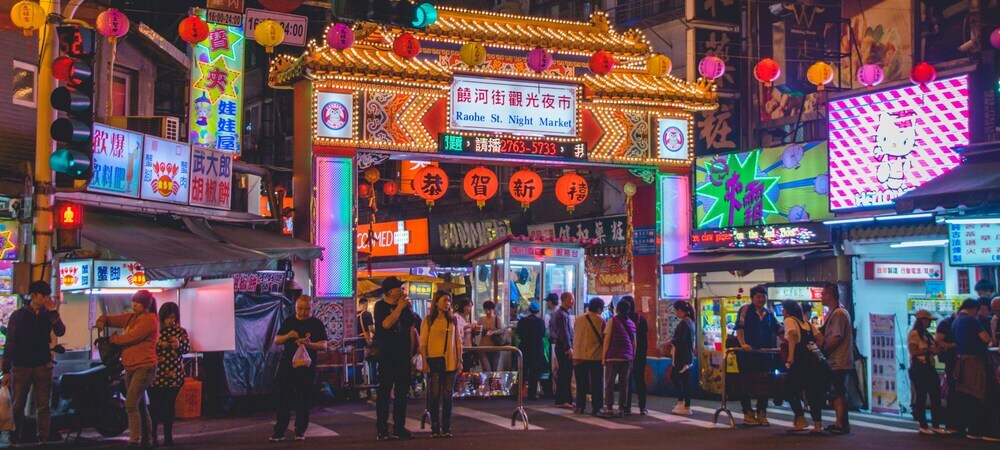
+ PRO: Entertainment is easy to find
Entertainment options abound in Taiwan. It's easy to find beautiful hikes and walks in Taiwan's countryside, while clubs, bars, markets, and other nightlife attractions are not in short supply.
+ PRO: Food is delicious and affordable
The food scene in Taiwan is incredible. Street food is delicious and friendly on the wallet and can be found everywhere, while convenience stores make it easy to grab tasty food on the run. Even eating out in Taiwan is affordable when compared to many Western countries.
- CON: Expats will experience a language barrier
One of the biggest struggles for expats moving to Taiwan is the language barrier. Mandarin is famously hard to learn for those who haven't grown up speaking it. This can negatively affect certain aspects of life, like going to the grocery store, setting up banking, or even going to the doctor.
Transport and driving in Taiwan
+ PRO: Excellent public transport options
Public transport in Taiwan is excellent. A wide range of affordable options is available, including trains, subways, and buses. Signs and announcements are often in both English and Mandarin, making it easy to find your way even if your knowledge of the local language is limited.
- CON: Strict rules on public transport
Taiwan has stringent rules when it comes to using public transport. In an effort to keep public areas clean, eating and drinking in MRT trains and stations is not allowed and is punishable by a fine.
- CON: Driving can be dangerous
Taiwanese roads, particularly in the country's densely populated urban areas, tend to be congested and populated by a hectic mix of scooters, taxis, and buses, prompting many expats to avoid driving.
Transport and Driving in Taiwan
Weather in Taiwan
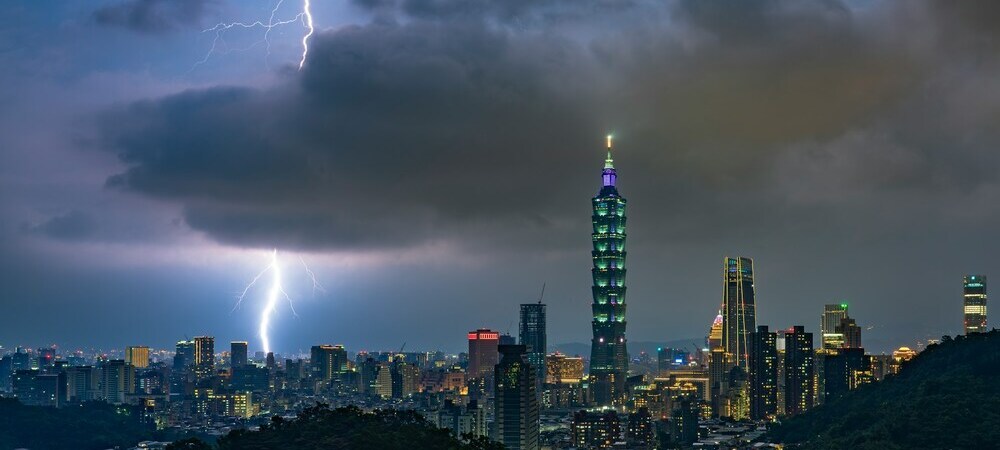
- CON: Summers can be sweltering
Summers in Taiwan can take some getting used to. Temperatures can be scorching, with highs ranging between 80°F and 87°F (27°C and 31°C). What makes summers unpleasant is the intense humidity Taiwan experiences, which increases the real-feel temperatures considerably.
- CON: Typhoons and heavy rain occur frequently
Like many Asian destinations, Taiwan suffers through an annual typhoon season. Typhoon season in Taiwan usually lasts from July to September. This season is characterised by extreme rain showers, thunderstorms, and strong winds. Proper raincoats and umbrellas are recommended.
+ PRO: Mild, enjoyable winters
Winters are famously mild in Taiwan, a relief after hot summers. Average lows range between 54°F (12°C) and 58°F (15°C) during the day.
Moving to Taiwan
Living in Taiwan as an expat
Moving to Taiwan means living on a mountainous island off the coast of mainland China. It is home to the tallest peak in northeast Asia and boasts an abundance of nature reserves and hot springs. In addition to its varied and beautiful landscape, Taiwan hosts modern – and sometimes hectic – metropolises, like Taipei and Taichung. This eclectic mix makes the island an ideal destination for expats who are looking for a little bit of everything.
Even though the language barrier can make communication challenging, expats will find that the Taiwanese are extremely friendly, helpful, and gracious. They will generally go out of their way to make visitors feel at ease, and pride themselves on being good hosts. Taiwan's people uphold traditional Chinese values, while at the same time embracing a capitalist business culture that appeals to Western expats.
The island's main industries include electronics production, industrial processing, and information and communications technologies. Highly qualified expats should have no trouble securing employment, even though Taiwanese companies tend to hire skilled local workers before seeking talent from abroad.
The expat lifestyle in Taiwan is convenient – imported and locally produced goods are easily accessible, and both high-quality public transport and well-subsidised public healthcare are available and affordable.
Teaching English in Taiwan
Moving to Taipei
Working in Taiwan
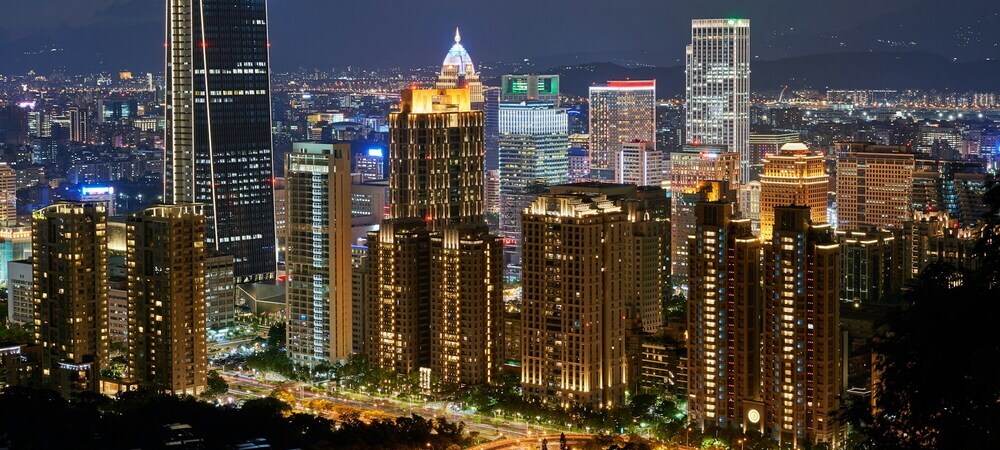
Working in Taiwan allows expats to take advantage of a growing economy characterised by good-to-great salaries and plentiful opportunities. While many foreigners find employment in the ESL teaching industry or via transfers from within multinational organisations, Taiwan’s reputation as a hub for electronics and information technology continues to attract skilled professionals. Expats aiming for managerial, financial, or marketing roles will need to prove that they are exceptionally qualified, while learning Mandarin is a valuable tool for improving work prospects.
Taiwan's work culture is influenced both by Confucian principles and capitalist ambition, emphasising harmony, collective identity, and the importance of relationships. Gift-giving is commonplace and helps build trust between parties, while the concept of 'face' – preserving your own and others' dignity and prestige – shapes the business landscape. Expats should therefore avoid conflict and approach negotiations with patience and respect.
Finding a Job in Taiwan
Visas and Residence Permits for Taiwan
Work Permits for Taiwan
Taiwanese culture
Settling into life on the island becomes easier when you understand the nuances of Taiwanese culture. Day-to-day living can feel unfamiliar at first, but learning even basic Mandarin will make everyday tasks smoother and help you feel less isolated. Locals value harmony and subtlety in communication, and both social and business interactions are often guided by 'saving face'.
Family is central in Taiwanese society, often taking precedence over social plans, and as a result, friendships may feel less direct than in Western countries. While locals may avoid open disagreement, they can be surprisingly forward about personal observations, commenting on appearance or lifestyle changes. Navigating these nuances with patience and understanding will go a long way in building strong relationships and ensuring a smoother transition into Taiwanese life.
Local Culture in Taiwan
Business Culture in Taiwan
Finding accommodation in Taiwan
Finding accommodation in Taiwan is generally straightforward, with plenty of properties available, though the price of rent in Taipei can be steep compared to the rest of the island. Your housing expenses can be eased significantly if your employer offers an accommodation allowance, making it worthwhile to negotiate this as part of your relocation package. Apartments are the most common option, particularly in city centres, while freestanding houses can occasionally be found in suburban areas.
Properties can vary in quality, so it’s best to view them in person before signing the lease agreement. Expats who secure the services of a relocation company or estate agent catering to foreigners will find the process far smoother, as leases are usually in Mandarin and can involve complicated paperwork.
Renting Expat Accommodation in Taiwan
Cost of living in Taiwan
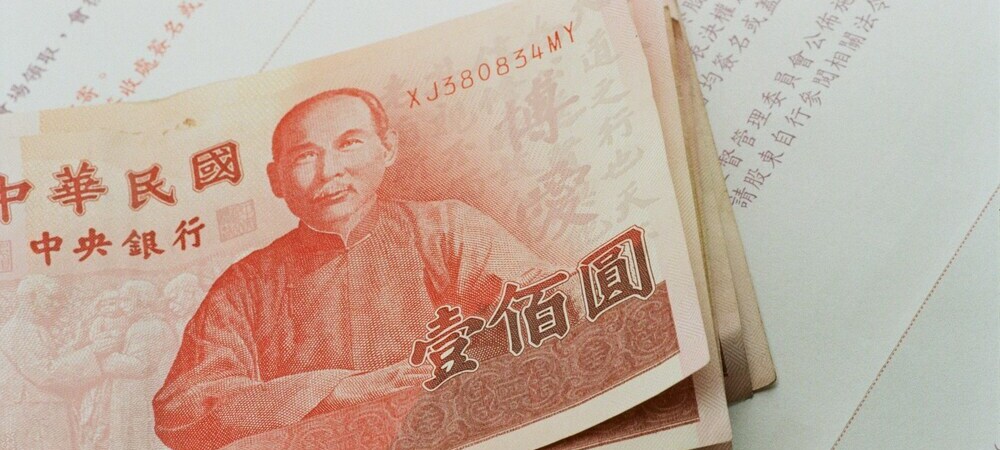
The cost of living in Taiwan varies widely. Taipei is the priciest city, although it is still cheaper than regional hubs like Singapore or Hong Kong. Accommodation will likely consume the largest share of your budget, especially if you opt for a more spacious option.
Groceries are affordable if you stick to local produce, but buying imported goods can quickly inflate your budget. Eating out can be remarkably cheap at night markets and street stalls, but fine-dining restaurants match Western prices. Transport costs exhibit a similar duality – public transport is efficient and inexpensive, while owning a car comes with more freedom, but higher costs.
Healthcare, by contrast, comes in at a much lower cost. Taiwan’s National Health Insurance (NHI) provides high-quality care at an affordable price point, ensuring that you can access essential medical services without breaking the bank.
Living in Taiwan with children
Although Taiwan's cities can be crowded, they offer a wide variety of family-friendly activities, including zoos, markets, and amusement parks. If you prefer the outdoors, Taiwan's many scenic natural attractions and national parks can be easily and affordably visited.
The National Health Insurance (NHI) scheme ensures that your young ones will be well taken care of. Subsidised healthcare is available to expats holding an Alien Resident Certificate (ARC) or those who have lived in the country for six months or more. The standard of care is high, and many doctors speak English. Excellent private healthcare is also available, though it's a pricier option, offering more specialised care, access to elective procedures, and shorter waiting times.
Healthcare and Health Insurance in Taiwan
Safety in Taiwan
Finding a school in Taiwan
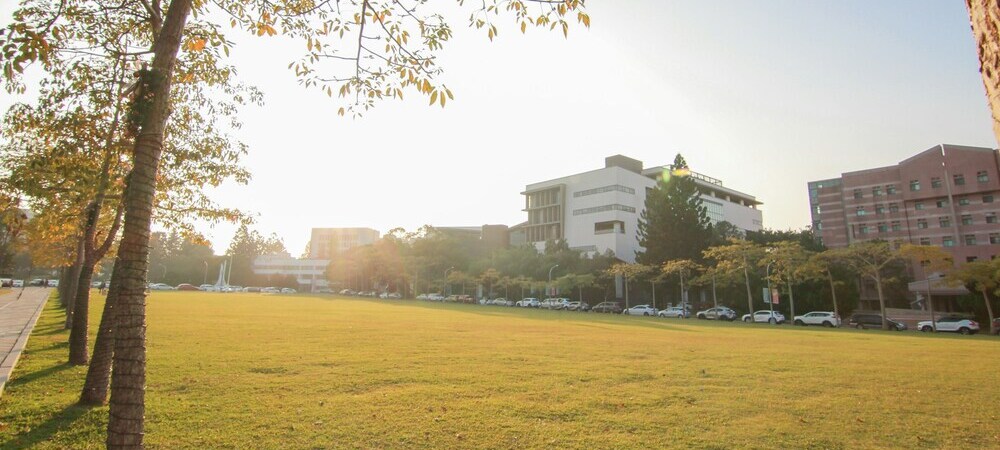
Most expats choose to send their children to international schools in Taiwan, the majority of which are situated in the capital, Taipei. These institutions provide a high standard of education and offer familiar curricula like the International Baccalaureate (IB), but are generally expensive.
Public schools teach in Mandarin and are a more affordable option, especially if your children are young enough to pick up the language easily. Taiwanese public schools regularly produce students with outstanding grades, but rote learning is emphasised over critical thinking. Tutoring is readily available both online and in person and can help your children master difficult subjects.
Best International Schools in Taipei
Education and Schools in Taipei
Getting around in Taiwan
Getting around in Taiwan is fast and easy, thanks to the country's modern and efficient public transport network. High-speed trains are the preferred method of travelling between cities or over long distances, while buses cover most intra-city travel needs. If you settle in Taipei, you'll be able to make use of the city's advanced metro system. Announcements and signs are in English and Mandarin, making travel a breeze, even if you're not familiar with the local language.
Driving is an option when moving to Taiwan, as a personal vehicle offers unmatched independence and convenience. Bear in mind that traffic can be hectic and congested, particularly in urban centres, and the costs for parking, insurance, and fuel can quickly add up.
Transport and Driving in Taiwan
Climate in Taiwan
Taiwan has a tropical climate. Summers are hot and humid, and winters are mild. Although it rains year round, the summer months are the wettest. Typhoon season sets in towards the end of summer and lasts until mid-autumn. Temperatures in Taiwan range from highs of 90°F (32°C) at the hottest time of the year to 54°F (12°C) at the coldest.
Taiwan is a wonderful expat destination. The country seamlessly blends modern metropolises with natural splendour, offering those who choose to take on the language barrier and cultural differences a rewarding experience that is unique in the East Asian context.
Fast facts
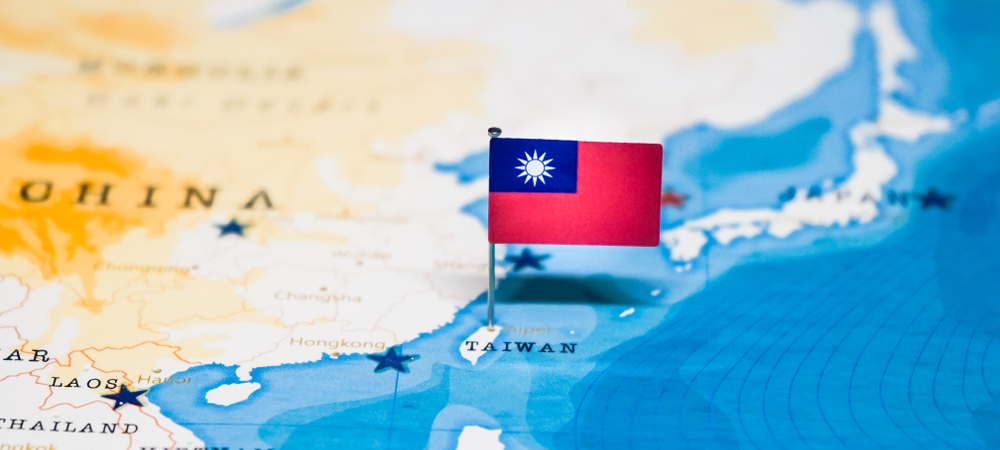
Official name: Republic of China
Population: Around 24 million
Capital city: Taipei
Other cities: Taichung, Kaohsiung, and Tainan
Geography: Taiwan is an island characterised by a contrast between rugged mountains (which run in five ranges from the northern to the southern tip of the island), flat land and the gently rolling Chianan Plains in the west.
Political system: Semi-presidential republic
Major religions: Buddhism and Taoism
Main languages: Mandarin (official), Taiwanese Hokkien, Hakka, and English (mostly in Taipei)
Money: The New Taiwan Dollar (TWD), which is divided into 100 cents. Opening a bank account is easy once you have an Alien Resident Certificate (ARC). Larger Taiwanese establishments accept credit cards, but cash is often preferred by smaller vendors. ATMs are common in cities and usually operate 24 hours a day.
Tipping: Tipping is not standard, although it's unlikely to be refused if offered. Baggage handlers at hotels and the airport will accept loose change. Hotels and restaurants typically add a 10 percent service charge to the bill.
Time: GMT+8
Electricity: 110V, 60Hz. 'Type A' two-pin plugs with flat blades and 'Type B' three-pin plugs with two flat blades and a grounding pin are commonly used.
Internet domain: .tw
International dialling code: +886
Emergency contacts: 110 (police), 119 (ambulance and fire)
Transport and driving: Cars drive on the right-hand side of the road. Taiwan has an extensive public transport system that is easily accessible and reliable.
Diversity and inclusion in Taiwan
Though the region is a leader in innovations for equality, accessibility, and safety, there is still room for improvement in other areas of diversity and inclusion in Taiwan.
Accessibility in Taiwan
Navigating Taiwan's crowded streets in a wheelchair can be challenging, but the region is becoming more accessible. Recently constructed (and planned) inner-city districts feature wider pedestrian pathways with designated mobility lanes, and legislation is in place to ensure greater accessibility to all public and private businesses and spaces. Away from major centres, though, pavements and sidewalks can be intermittent and cluttered.
In addition to the infrastructural improvements made in Taiwan's major cities, the government is actively promoting the People with Disabilities Rights Protection Act. This legislation advocates for better access to buildings and facilities for individuals with disabilities. Nevertheless, the island still faces challenges in its rural areas, where older buildings and uneven terrain may limit accessibility.
Airports
The principal airport, Taoyuan International, serves differently abled passengers well with free parking, large elevators, and designated wheelchair lanes on walkways and roads to Skytrain platforms. There are also dedicated courtesy counters and rental services for manual and electric wheelchairs. Public telephones and ticket machines are designed to be accessible to all.
Taxis
Most taxis have space for a folding wheelchair, and there's been an increase in fully accessible 'van taxis'. It's a safe, regulated service, and drivers are generally polite and helpful. Online platforms such as Uber are also popular, as they can be significantly cheaper than metered fares.
Buses
The government has invested heavily in barrier-free buses, and a large percentage of the fleet is accessible. They feature ramps, dedicated wheelchair spaces, and safety belts at the front of each bus. Boarding can be time-consuming, and choosing the MRT (Mass Rapid Transit) metro for most journeys is often more practical.
Metro
Metro Taipei carries over 500 million passengers a year through over 130 stops. Every station has wheelchair-accessible ticket machines, gates, elevators and waiting areas. Trained staff are also on hand to make journeys smoother and more comfortable. Tactile signage and guide paths also support the visually impaired.
Car hire
Renting a car in Taiwan is easy and cost-effective, although drivers must be 21+ and have an international driving permit. The roads are generally well maintained, but car hire is aimed at tourists who want to go 'off the beaten track' as public transport infrastructure is more cost-effective and convenient.
Useful links
DisabilityIN: Disability Inclusion in Taiwan
LGBTQ+ in Taiwan
Although Taiwan is a regional leader in LGBTQ+ rights with legal recognition of same-sex marriage, the fight for full equality continues. For instance, the law currently does not recognise the non-binary gender, and does not allow same-sex couples to have access to surrogacy. Moreover, societal attitudes towards LGBTQ+ individuals can still be improved, with some reports of discrimination, particularly in more traditional or rural areas.
On the streets, Taiwanese locals rarely show public displays of affection. Relationships are considered private in traditional culture, but younger people express themselves more openly, especially in bigger cities. In the capital, Taipei, there is a lively and active LGBTQ+ community in the Ximen District near the Red House Theatre.
Useful links
Equaldex Taiwan: LGBTQ+ Rights in Taiwan
Gender equality in Taiwan
Taiwan has made significant strides in gender equality. For example, the Gender Equality in Employment Act, passed in 2002, provides a legal basis for equal treatment and opportunity in employment, making workplace discrimination based on gender illegal. The government also implemented a gender quota system in politics, which has resulted in an increased number of women serving in political leadership roles.
Modern Taiwanese society aims to achieve freedom, equality, democracy, and human rights for all. Gender equality has also become a universal value. The promotion of laws, policies, and dialogue around diversity in Taiwanese society has better enabled women to succeed in all walks of life. These include educational opportunities, rights at work, social welfare, and increased involvement in private enterprise and national government decision-making.
Useful links
Gender Equality Committee of Taiwan
Women in leadership in Taiwan
The Organisation for Economic Co-operation and Development's (OECD) Social Institutions and Gender Index (SIGI), which measures discrimination against women across social institutions, ranks Taiwan second worldwide and first in Asia. There remains a gap in participation and pay between men and women, though the gap is being reduced year by year. A social stereotype still exists that men study more science subjects while more women study the arts. Still, overall, research shows women in Taiwan enjoy greater equality of opportunity than their peers in Japan or Singapore.
The status of women in leadership in Taiwan has improved over the years, exemplified by Tsai Ing-wen, Taiwan's first female president, serving since 2016. Despite the traditional stereotypes that still exist, more women are taking up leadership roles in science and technology fields, breaking the gender barriers in these traditionally male-dominated sectors.
Mental health in Taiwan
While mental health has been a somewhat taboo topic in traditional Taiwanese society, there has been a positive trend towards openness and acceptance, particularly in urban areas and among younger generations. There's a growing network of mental health facilities and support services, including government-run clinics and helplines such as Taiwan Lifeline International.
A stigma remains around mental illness, although less so in international corporate culture. Post-pandemic, many multilingual online resources have become available to broaden support services.
Useful links
World Health Organization: Mental Health
Unconscious bias education in Taiwan
Taiwanese culture is a vibrant blend of its original roots and an immigrant society that's grown over the past 400 years. Cultural awareness, tolerance, freedom, openness to others, respect for differences and traditions, and mutual understanding define Taiwan's cultural landscape.
Despite the overarching tolerance and cultural acceptance, unconscious bias persists in some areas. To combat such biases, the government introduced the Employment Service Act, which outlaws employment discrimination based on age, race, colour, nationality, sex, marital status, family responsibilities or any other discriminating factor.
Diversification of the workforce in Taiwan
Data shows Taiwan enjoys relatively good workplace diversity, although many say they suffer inequality of opportunity because of their age or physical appearance. 97 percent of the population is Han Chinese, with just 0.1 percent of residents being Westerners. Taiwan is using its Foreign Professional Talent Introduction and Employment Promotion Act to broaden diversity rates, including race, religion, gender, and beliefs.
Useful links
Ministry of Foreign Affairs: Republic of China (Taiwan)
Safety in Taiwan
Taiwan is one of the safest places in the world. Crime rates are low and primarily involve petty offences, such as pickpocketing at festivals or night markets.
Police are friendly, efficient, and supportive and will enforce the law with clarity and commitment when needed. While walking late at night alone is generally safe, walking with another person or in a small group whenever possible is still advisable.
Useful links
Women's safety in Taiwan
Taiwan has focused on enhancing women's safety in recent years. Numerous initiatives have been implemented, including female-only carriages on certain train lines during rush hours, improved lighting in public areas, and CCTV cameras. Additionally, Taiwan's Social and Family Affairs Administration provides a toll-free hotline for women in danger or in need of assistance.
While local society can still be considered relatively conservative, women can typically dress appropriately for the weather and according to their style. It's quite common in Taiwan for both men and women to stare at someone who has not dressed modestly, but there is little or no danger of confrontation. City centres and public transport are comparatively safe places for women day and night.
Calendar initiatives in Taiwan
February 28: Peace Memorial Day
March 8: International Women's Day
Late September – Early October*: Mid-Autumn Festival
October: Taiwan LGBTQ+ Pride Month
October 10: National Day/Double Tenth Day
November 20: Transgender Day of Remembrance
December 10: Human Rights Day
*Note: Lunar dates change each year based on the lunar calendar
Local culture in Taiwan
The local culture in Taiwan may differ significantly from what you are used to, especially if you're moving from a North American or European country. Simple tasks and comforts that are taken for granted in your home country aren't as easy when you don't speak Mandarin or aren't familiar with local customs. As your understanding of Taiwanese culture and the local language deepens, day-to-day life gets much easier.
Language barrier in Taiwan
The most challenging thing to adjust to in Taiwan is the language barrier. Mandarin is the official language, while Taiwanese, Hakka, and indigenous Formosan languages are also spoken.
The most crucial thing you can do to acclimatise is to start learning Mandarin as soon as possible. While it is challenging, learning the language can help you feel less isolated. Attending language classes is also a great way to meet fellow expats and make friends.
Cultural differences in Taiwan
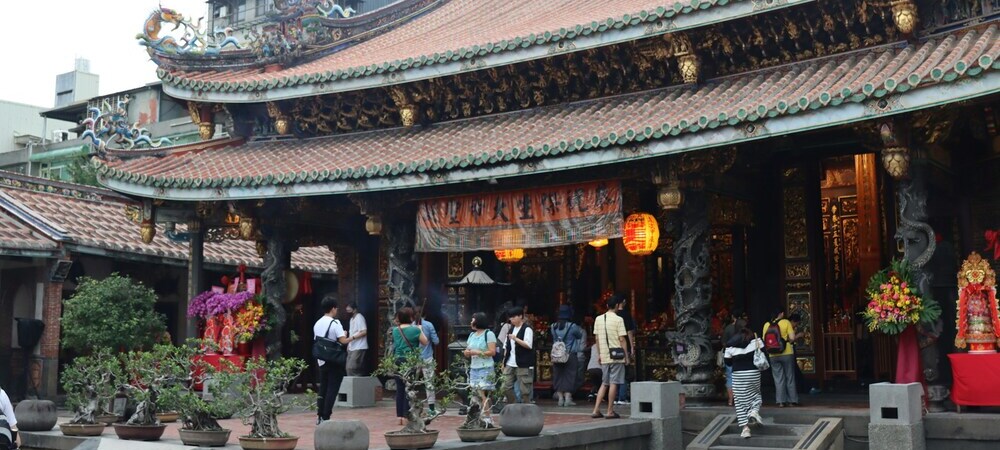
Saving face
'Saving face' refers to maintaining personal and collective honour and integrity, and is central to Taiwanese social relations. This means that locals, when asked a question they don't know the answer to, are likely to give an answer anyway, as admitting a lack of knowledge causes one to lose face.
It is best to avoid losing your temper or embarrassing anybody, as this also causes loss of face for both parties. If it is absolutely necessary to criticise someone, be sure to do it in private.
Self-control and subtlety are preferred Taiwanese strategies when dealing with conflict. This can be frustrating for expats accustomed to direct communication, but it's vital for smooth interactions, especially in the workplace.
Taking off shoes
It is customary for people to remove their shoes before entering homes, tea houses, and certain public areas. Slippers are usually available for people to wear once they have taken their shoes off.
Public bathrooms
Many new arrivals from the West have never used squat toilets, which are common in Taiwan. While some public spaces have both squat and Western-style toilets available, many only have squat toilets. Toilet paper may not be free in public bathrooms, but can be purchased from a vending machine. The paper isn't flushed and must be placed in the provided bin instead.
Dates in Taiwan
Although the Gregorian (Western) calendar is widely used in daily life, Taiwan also has the Republic of China or Minguo calendar, with the first year of the Taiwanese calendar beginning with China's founding in 1911. Payslips, bank receipts, licences, and tax slips often show the year of both the Taiwanese and Western calendars. Fortunately, days and months are the same on both the Gregorian and Minguo calendars, negating the need to memorise both.
Many public holidays are also calculated according to the lunar calendar. Chinese New Year is the most important holiday and is at the end of January or the beginning of February.
Traffic in Taiwan
Taiwan's traffic can make the most experienced expat drivers nervous. Even crossing the street can be hazardous. The dominance of scooters and motorcycles, alongside cars, buses and bicycles, creates a unique dynamic.
Many expats may find Taiwan's traffic daunting initially. It's not uncommon to see scooters weaving through lanes or sometimes even driving on sidewalks. Pedestrians need to be cautious as they may encounter scooters in unexpected places, including pedestrian paths. The general rule for pedestrians and drivers alike is to always be aware of your surroundings.
Public transport in Taiwan is generally reliable, convenient, and often the preferred method of travel for many locals and expats alike. Taiwan boasts a well-developed network of buses, trains and a high-speed rail system, along with a highly efficient metro system in Taipei.
Transport and Driving in Taiwan
Friendships in Taiwan
Expect friends to cancel plans at the last minute for family affairs – this isn't considered rude, as family takes precedence in Taiwanese society. Unreliable RSVPs and uninvited guests, even when reservations are involved, are also common.
Local friends may also not tell you directly if they are upset with you. It can also be challenging to discern indirect cues from locals, especially since they will tend to avoid saying "no" outright.
Even though Taiwanese people are less direct in some ways, they can be more direct in others. A Taiwanese person might not express open disagreement, but many will make remarks about their friends' complexion, changes in weight, or other things that wouldn't be mentioned in the West.
LGBTQ+ in Taiwan
Taiwan is at the forefront of LGBTQ+ rights in the region. Same-sex marriage is legal and so is adoption, making the country an attractive destination for expats in the LGBTQ+ community.
Despite the broadly progressive policies, some animosity towards gay, queer, or transgender individuals still exists, especially in rural or more traditional areas, but attitudes are slowly shifting. Be aware that public displays of affection, regardless of gender or sexual orientation, are frowned upon in Taiwan.
Some areas in Taiwan are particularly welcoming to members of the LGBTQ+ community. Taipei's Ximen District, in particular, hosts a number of gay clubs and LGBTQ+-friendly bars.
Women in Taiwan
Expat women can expect to be safe, treated with respect and earn equal wages in Taiwan. On the whole, Taiwanese laws protect women.
Maternity leave is guaranteed to full-time employees, and most reproductive health needs are covered under national health insurance, except for birth control.
Despite high levels of gender equality in Taiwan, some traditionally minded locals do wonder about women who are single, unmarried, or don't have children. Some employers might also be overly familiar and offer unsolicited life advice, or have inappropriate notions about female employees' emotional or family needs.
Work Permits for Taiwan
A work permit for Taiwan is necessary for expats looking to take up employment in the country. Most foreigners moving to Taiwan obtain a work permit with the help of an employer, which removes much of the stress and tension normally caused by navigating government bureaucracy.
Work permits for Taiwan
Standard work permit
Regular work permits for Taiwan are issued by the Ministry of Labor, and allow expats to legally work in the country. Permits are valid for up to three years and can be continuously renewed. Required documents include a valid passport and a signed employment contract or official job offer.
Once the necessary paperwork has been collected, the employer submits the application to the Ministry of Labor's Workforce Development Agency through their online portal. Processing times tend to be short, with around seven working days being the norm.
Taiwan Employment Gold Card
The Taiwan Employment Gold Card is a key initiative by the Taiwanese government to attract top-tier international professionals. Introduced in 2018, the renewable card combines a work permit, resident visa, Alien Resident Certificate (ARC), and a re-entry permit, all valid for one to three years. This allows holders to work, stay, and move in and out of Taiwan with relative freedom, all while being recognised as legal residents.
The Gold Card stands out for its flexibility, allowing holders to freely change jobs, seek employment, and even legally work part-time. It also eliminates the need for job security prior to moving to Taiwan, as qualification is based on professional skill assessment, not a pre-arranged job offer.
The cost of the Gold Card varies based on the nationality of the applicant and the card's duration. The application can be done online, and processing usually takes around 30 days. However, if additional supporting documents are needed, applicants may expect a 50- to 60-day timeframe.
The Gold Card also offers several noteworthy benefits. Unlike typical work permits, the Gold Card is issued directly to individuals, removing the need for employer involvement in the application process. Gold Card holders working in Taiwan for the first time may qualify for a 50 percent tax exemption on annual salary income exceeding a set amount for the first five years.
After three years, Gold Card holders (excluding residents of Hong Kong and Macao) can apply for permanent residency, with any earned doctorate degree in Taiwan counting towards the required three years. Furthermore, Gold Card holders and their dependent relatives can join the National Health Insurance system without the typical six-month waiting period, provided they are employed in professional work, are employers or self-employed business owners in Taiwan.
Useful links
Applying for a work permit in Taiwan
Over the past decade, Taiwan has made significant strides in allowing more leeway for international companies to fulfil their staffing needs with foreign nationals. The application process for work permits has been streamlined, and many restrictions have been relaxed or even lifted for multinationals.
Work permits in Taiwan are tied to the specific employer or job, so if you change jobs or employers, you'll need a new work permit. Fortunately, employers do most of the heavy lifting when it comes to acquiring a work permit, submitting the required documents to the Workforce Development Agency. Consult with your employer and check the agency's website for a full list of required documents, as these can change based on your specialisation or the sector that you work in.
Useful links
Safety in Taiwan
Safety in Taiwan is generally excellent – violent crime is rare, police officers are professional and helpful, and people are kind. That said, expats in Taiwan, particularly in metropolitan areas like Taipei, should exercise basic precautions, such as being aware of their personal belongings in crowded places. Walking or taking public transport at night is safe, but it is best to do so with a companion or in a group.
Natural disasters in Taiwan
Taiwan is located in a seismically active zone, making earthquakes a relatively common occurrence. Although severe, damaging earthquakes happen less frequently, it's important to familiarise yourself with local earthquake safety procedures, such as taking cover under sturdy furniture or against an interior wall away from windows during a quake.
July to November is typhoon season. Typhoons can lead to heavy rainfall, causing landslides and flooding, particularly in the mountainous regions. It's advisable to monitor weather reports during this period and avoid travel to high-risk areas.
The Taiwanese government has efficient early warning systems and emergency procedures in place for both earthquakes and typhoons. In case of a natural disaster, follow the instructions from local authorities and emergency services.
Food and water safety in Taiwan
Because of the frequent earthquakes, water pipes can crack, potentially causing tap water contamination. The quality of tap water in Taiwan varies, but it's safe to drink in most cities after boiling and filtering. Expats moving to Taiwan should consider installing a quality water filtration system or sticking to bottled water. Public drinking fountains are generally equipped with filters and are safe to use.
In Taiwan, food safety standards are generally high, with rigorous inspections and regulations in place. Street food is a major part of Taiwan's food culture, and most vendors maintain good hygiene practices. However, as with any destination, it's important to choose stalls that appear clean and are popular with locals.
Pickpocketing in Taiwan
Although theft is rare, crowded public areas such as markets and public transport hubs are often targeted by pickpockets and occasionally even bag snatchers. In these areas, new arrivals should be careful not to carry valuable items openly and should wear bags on the front of their body rather than on their back. Purse snatching from motorcycles also happens occasionally.
The usual rules of travel apply – keep photocopies of passports and other essential documents in a safe place and, if possible, carry the photocopies themselves in place of the original documents.
Scams in Taiwan
Expats should be aware of scams in Taiwan. Credit card fraud and telephone fraud can occur, where the scam artist will call the victim and claim to be from a government department, bank, or other official office and request personal information such as bank details. ATM fraud is also a risk – when using ATMs, expats should be aware of their surroundings and not accept help from strangers.
Healthcare in Taiwan
Healthcare in Taiwan is affordable and accessible. Expats moving to the island will be looked after by experienced and skilled medical personnel in well-equipped hospitals. Facilities at both public and private hospitals in Taiwan offer a high standard of care, although private hospitals offer more choices and less waiting time than public facilities.
Public healthcare in Taiwan
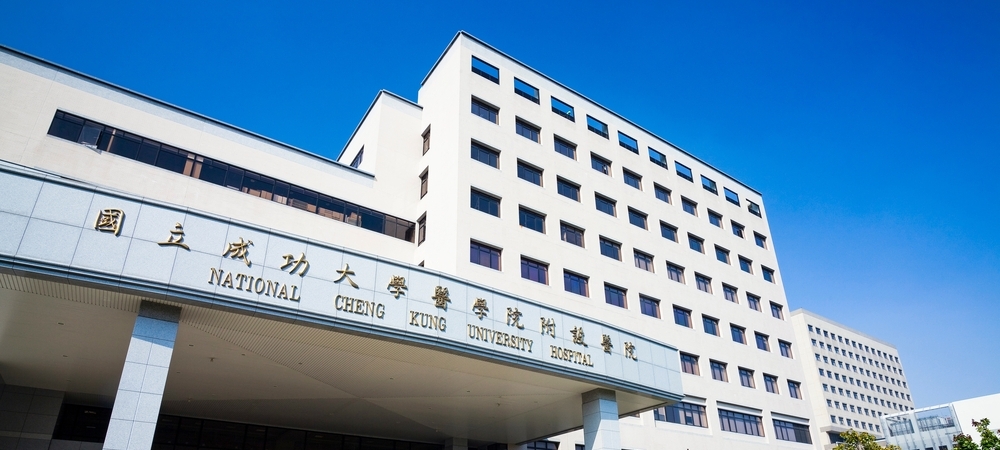
Public health insurance in Taiwan, which is managed by the National Health Insurance Administration, is compulsory for all Taiwanese residents, including expats working in the country and is required for accessing public healthcare.
Expats using one of Taiwan's excellent public health facilities are given access to heavily subsidised medical care. Services covered by National Health Insurance (NHI) are varied and range from traditional Chinese medicine to emergency care.
Although public hospitals are world class, many inpatient services that are standard in the West may not be provided at Taiwanese public facilities, and it is often expected that a patient's family provides these services. Another disadvantage is that patients seeking treatment may experience long waiting times at public care centres.
Private healthcare in Taiwan

Although most expats rely on the public healthcare system, many also utilise Taiwan's high-quality private care in order to avoid long waiting times, receive better patient care, and access a greater choice of treatment options.
There are also many private clinics in Taiwan's urban centres which specifically serve the expat market. These are primarily staffed with English speakers, which can be more convenient for those unfamiliar with the local language.
Private healthcare in Taiwan is expensive, so those planning to make use of this sector should explore their private health insurance options.
Health insurance in Taiwan
The majority of foreigners and Taiwanese citizens make use of government-funded healthcare through the National Health Insurance (NHI). Expats living in Taiwan for more than six months or those who hold an Alien Resident Card (ARC) are required to join the NHI.
New arrivals are often enrolled in the health insurance system by their employer, with their contributions being automatically deducted from their salaries. Dependants, students, or self-employed residents need to register at a hospital within four months of obtaining their residence status. Taking out private health insurance is, however, still recommended.
The National Health Insurance scheme is funded by employee taxes and government subsidies, but there are still co-payments and limited coverage for certain types of treatment. If you do happen to fall ill, the capped insurance coverage provided by the NHI may not cover all of your medical expenses. This is where additional private insurance becomes worthwhile.
After enrolling in the NHI programme, expats are issued a Health Insurance Card, which must be presented in order to receive benefits.
Useful links
Pharmacies in Taiwan
Pharmacies are widely available in Taiwan, and usually include the NHI symbol (a blue circle with two stylised people in green shaking hands, resembling the letter H) in signage. Although 24-hour pharmacies are rare, some operate in Taiwan's major cities. Doctors and hospitals often have pharmacies attached to their premises, making it convenient to pick up prescription medication after consulting with a doctor.
Medicine is generally cheaper in Taiwan than what you may be used to. Those who rely on a specific brand of Western medication should bring an adequate supply with them to Taiwan. In some cases, it can be difficult to find the exact same medicine, but local alternatives or equivalent generics are readily available.
Health hazards in Taiwan
Although Taiwan is broadly considered safe for foreigners, mosquito-borne diseases such as dengue fever and Japanese encephalitis are endemic to the island. Expats can avoid mosquito bites by taking the necessary precautions, such as using mosquito repellents, sleeping under a mosquito net, and wearing long-sleeved clothing.
Vaccinations for Taiwan

There are no specific vaccinations required when moving to Taiwan. However, it is recommended that you ensure you are up to date with all routine vaccinations. Your local general practitioner or travel doctor can help you determine what vaccinations are appropriate for your lifestyle.
Recommended vaccinations include:
- COVID-19
- Influenza
- Measles-mumps-rubella (MMR)
- Hepatitis A and B
- Diphtheria-tetanus-pertussis (DTaP)
A yellow fever certificate is required if travelling from an infected area in Africa or South America.
Emergency services in Taiwan
For ambulance or fire services in Taiwan, dial 199. Ambulance dispatchers may not speak English. For police, dial 110.
It's important to be aware of emergency evacuation procedures in the case of an earthquake or typhoon, both of which may occur from time to time.
Weather in Taiwan
The weather in Taiwan is heavily influenced by the tropical monsoon climate, which also affects the southern portion of China's mainland. Pacific Ocean currents and the island's topography make the effects of the monsoon quite distinct.
Expats moving to Taiwan will find a climate that requires light, breathable clothing for the hot and humid summers. Winters are relatively mild, particularly in the southern part of the island. The northern part of Taiwan can potentially experience slightly cooler temperatures during the non-summer months, but lows rarely dip below 54°F (12°C), with the average annual temperature sitting at a comfortable 72°F (22°C).
Rainfall is a defining characteristic of weather in Taiwan. It's worth noting that the eastern coast is generally wetter than the west due to the Central Mountain Range.
Typhoon season settles in from late summer to mid-autumn (June to October), with three or four major storms that can cause substantial wind damage and flooding each year. It's crucial for expats to familiarise themselves with local typhoon preparedness measures.
Taiwan also experiences the occasional earthquake, although they are typically minor tremors and not severe.
Working in Taiwan
Expats working in Taiwan will find themselves part of a steadily growing economy marked by low unemployment rates, rising salaries, and increasing output. Most foreigners moving to the island work in the ESL teaching industry or are transferred through multinational organisations.
Over the past century, Taiwan has exchanged its agrarian roots for electronic extensions to become a global player in the information technology and electronics market. The island is a prolific producer of computer-related products, and it continues to promote enterprise in technology-intensive industries.
As a result, multinational firms, including many of the world's top communication and technology companies, have opened up branches in one of Taiwan's three major cities: Taipei, Kaohsiung, and Taichung.
Job market in Taiwan
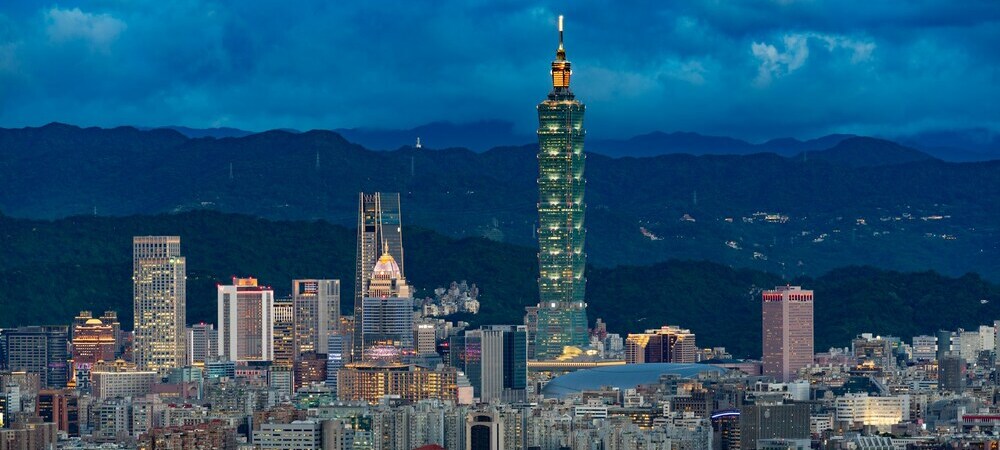
Taiwan's key industries include micro-processing, electronics, communications and technology development, and industrial processing. That said, it can be difficult for expats to find prominent positions working in these sectors.
There are management, finance, design, and marketing positions available in Taiwan, but expats will need to work hard to prove that they hold exceptional skills and a high level of education and experience. Learning Mandarin is a great way to get a foot in the door. More opportunities will materialise for those with even a moderate understanding of the language.
Overall, though, the most common jobs for expats in Taiwan are related to the English language itself, including teaching and translation.
Finding work in Taiwan

Due to the large number of international organisations that operate in Taiwan, intra-company transfers are a primary source of employment opportunities for expats wanting to work in the country, especially for those who wish to find a senior management position.
Expats can also search for jobs through online job portals. Otherwise, expats should approach recruitment agencies that represent companies in Taiwan.
Visas for Taiwan
Work Permits for Taiwan
Teaching English in Taiwan
Useful links
Work culture in Taiwan

In accordance with Confucian principles, maintaining a sense of harmony by carefully controlling your interpersonal relationships is paramount in Taiwanese business culture. Individualism is abandoned for the collective, and in many cases, local work groups are a significant source of identity for people.
Therefore, creating and sustaining relationships is integral to doing business in Taiwan. Local enterprises rarely negotiate before establishing a connection between the parties involved. Expats should take note of the practices that support this concept, like gift-giving, and should avoid rushing business dealings.
The concept of 'face', meaning a person's or company's dignity and prestige, governs all actions and behaviour in Taiwan's leisure and work culture. Expats should keep this in mind and realise that decisions are often made to give face or save face.
In line with this, new arrivals should make all efforts to avoid confrontation in business. Any loud or angry outburst will be considered unforgivably rude. Indirect or no communication at all is preferable to causing a colleague to lose face.
Banking, Money and Taxes in Taiwan
Banking, money and taxes in Taiwan are generally easy to navigate. The banking system is efficient and reliable.
Once new arrivals have the appropriate documentation, opening a bank account is easy. Taiwan is traditionally a cash-based society, and ATMs are plentiful and can be found throughout the country. That said, the card payment market is growing, including alternative payment options such as the EasyCard.
Money in Taiwan
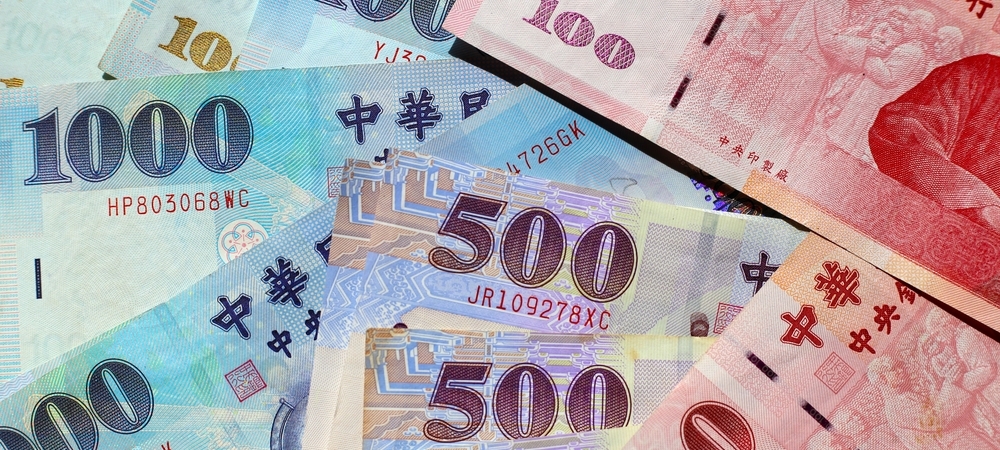
The currency used in Taiwan is the New Taiwan Dollar (TWD). In common usage, Taiwanese money is often referred to as kuài or yuán, although this is not to be confused with the Mainland Chinese Yuán.
The New Taiwan Dollar is available in the following denominations:
- Notes: TWD 100, TWD 200, TWD 500, TWD 1,000 and TWD 2,000
- Coins: TWD 1, TWD 5, TWD 10, TWD 20 and TWD 50
Banking in Taiwan
Taiwan has a sophisticated banking system, and you have a wide variety of options when it comes to managing your finances in the country.
Internet banking is available, although some banks don't have English versions of their websites. Banking hours can vary, but are generally from 9am to 3.30pm, Monday to Friday. Some banks are also open from 9am to 12.30pm on Saturdays.
Opening a bank account
Local banks that are popular with expats include CTBC Bank, Bank of Taiwan and Taichung Bank. Alternatively, expats can open an account at a local branch of a foreign bank such as HSBC, Barclays, Citibank or Standard Chartered.
While many new arrivals use foreign banks in Taiwan, this may not always be possible, as some employers insist on paying salaries directly into a Taiwanese bank account.
To open a bank account in Taiwan, you'll need an Alien Resident Certificate (ARC). Other documents that may be required include a passport or other proof of identity, and proof of residence. A minimum deposit is also required when opening an account.
ATMs and credit cards
ATMs are widely available and generally operate 24 hours a day. While some ATMs only accept Taiwanese cards, foreign credit or debit cards can usually be used to withdraw cash in Taiwan, but will incur charges. Even using a local card at an ATM operated by a different bank than your own will incur charges. ATMs in Taiwan offer English menus and facilities for transferring money and paying bills.
Credit cards are accepted by hotels and large retail outlets, but less so in smaller establishments. It's common practice in Taiwan to use cash whenever possible, although this is rapidly changing, with notable growth of digital payments.
EasyCard
One card payment method that has gained significant popularity is the EasyCard, a contactless smart card used for public transport and other services, such as parking, bike rental, and convenience stores. It was launched in 2002 and has since become a popular and convenient payment method for both locals and expats alike.
EasyCards can be purchased at any MRT station, convenience stores, and EasyCard service centres located in major cities. Payments can be made at the entrance of MRT stations and on buses, and the card can be used to pay for parking and small purchases. It also offers discounts on some transport services, such as the YouBike bike rental system, and some tourist attractions.
Useful links
Taxes in Taiwan
Expats staying in Taiwan will be subject to a tax of 18 percent on their personal income for the first 183 days of their stay. Thereafter, they are classified as tax residents, and both their income derived in Taiwan and their worldwide income will be taxed according to a progressive scale of between 5 and 40 percent.
As expat taxes can become quite complicated, we recommend hiring an experienced expat tax practitioner to ensure that tax obligations in both Taiwan and the expat's home country are being met.
Accommodation in Taiwan
Finding accommodation in Taiwan shouldn't prove too difficult for new arrivals in the country. Although rent, particularly in Taipei, can be relatively expensive, there are so many properties on offer that, with a bit of patience and ingenuity, expats are sure to find a comfortable, reasonably priced place to call home.
Some Taiwanese employers will provide foreign employees with a housing allowance over and above their basic salary, while other companies may provide free accommodation. Considering the high costs, it's worth negotiating this as part of an employment package, especially if relocating specifically for work purposes.
Types of accommodation in Taiwan
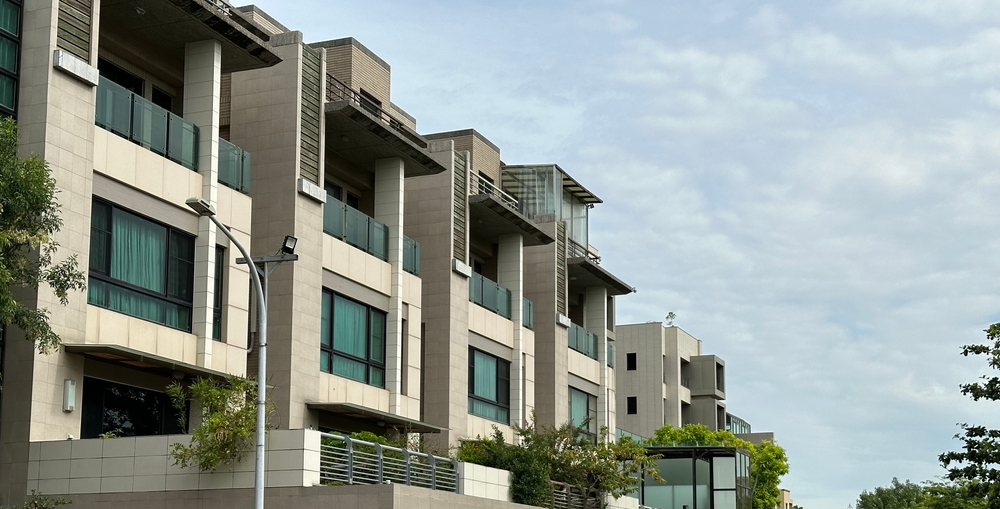
Most expats live in apartments in Taiwan. Houses aren't very common, particularly in dense urban areas such as Taipei and Kaohsiung, although they can be found in suburban areas on the peripheries of Taiwanese cities. The small, studio-style variety is the most commonly available type of apartment, especially in city centres. Generally, accommodation and room sizes are smaller than some new arrivals may be used to, especially those from the US.
Apartments
Most apartments have air conditioning installed (Taiwan is very hot in summer), but central heating is uncommon. It's also possible to find apartment blocks with indoor swimming pools and gyms, but these tend to be expensive.
Taiwan is a safe destination with some of the lowest crime rates in the world. Expats can rest assured that home security won't be an issue during their time here. That said, some apartment blocks employ security guards for the foyers (a cost included in the rent).
Houses
Detached and semi-detached houses are rare in Taiwanese cities, but are more common in the suburbs and rural areas. These properties can offer larger living spaces and even gardens, which can be a big advantage for families with children. Additionally, these options might provide a more tranquil living environment with less noise and more privacy. However, they tend to be quite costly, especially in the areas close to the city.
Furnished or unfurnished
Although some are furnished, most apartments in Taiwan will come unfurnished. It's relatively easy to buy second-hand furniture and appliances, with online marketplaces, thrift shops, and online expat communities being good places to start. Unfurnished accommodation is generally the cheaper option and the better choice if you're relocating for the long term, as you can choose how to decorate your living space.
Short lets and serviced apartments
Short-term rentals and serviced apartments can be a convenient option for those staying in Taiwan for only a few months. These come furnished and usually include utilities in the rent. Some even offer weekly cleaning services.
Short lets are more expensive on a monthly basis than standard leases, and due to local regulations, they might be less prevalent on the market. It's best to explore these options through online rental portals or agencies catering to the expat community.
Useful links
Finding accommodation in Taiwan

Finding accommodation in Taiwan can be difficult, especially if you don’t speak Mandarin. You can search for accommodation through online property portals (some with English postings) and expat social media groups.
Otherwise, it can be a good idea to contact a local real estate agent directly. Many Taiwanese estate agents won't be able to speak English, but some agencies cater specifically to the expat market.
Relocation companies are another option, offering moving services and other assistance, such as helping expats find accommodation. Shop around until you find a provider that fits your needs.
Those looking for accommodation themselves should ensure they can view the property in person before committing to it, as the quality of many properties may not match what is presented in the listing.
Renting accommodation in Taiwan
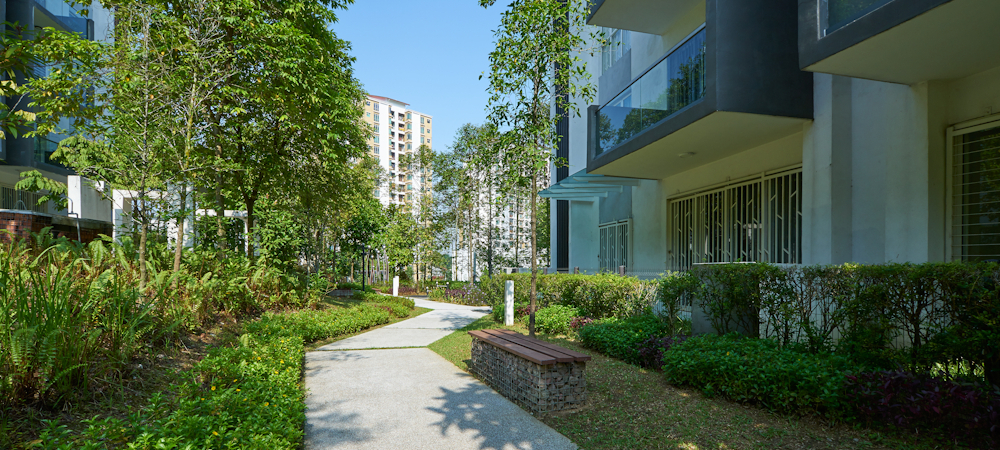
Many expats rent in Taiwan's capital. Accommodation in Taipei is relatively expensive compared to the rest of the island, but it varies according to the area. Neighbourhoods such as Xinyi, Da'an, and Tamsui are popular among expats and can offer a good balance of amenities and affordability.
Making an application
When applying for a rental property in Taiwan, you’ll need to provide identification, likely a copy of your passport and, if applicable, your Alien Resident Certificate (ARC). Proof of employment and your employers’ details are also required, and you’ll likely need a Taiwanese guarantor if you’re employed by an international company, a role your employer ought to be able to fill.
Leases
One- to two-year leases are common in Taiwan. If securing a lease through an agent, expats may be responsible for paying the agent's fee, typically equivalent to two to four weeks' rent. As leases tend to be in Mandarin, it is a good idea to enlist the services of a translator or trusted friend to avoid misunderstandings.
Pets
While some landlords allow tenants to keep pets, this is not always the case. Prospective tenants with pets should communicate this to the landlord or agent in advance to avoid potential future conflict. Be aware that some apartments that allow pets might have restrictions on the type and size of the pets, and an additional pet deposit might be required.
Deposits
Typically, rental deposits in Taiwan are between one and three months' rent. This deposit is refundable at the end of the rental contract, provided that no damage beyond standard wear and tear has been done to the property.
Terminating the lease
Terminating a lease early in Taiwan is only permitted when specified in the contract terms. If that is the case, you’ll need to give notice, usually one or two months, and either forfeit your deposit or pay a penalty. If early termination is not allowed, you may be liable to pay for the full term of the contract if you move out early.
Utilities in Taiwan
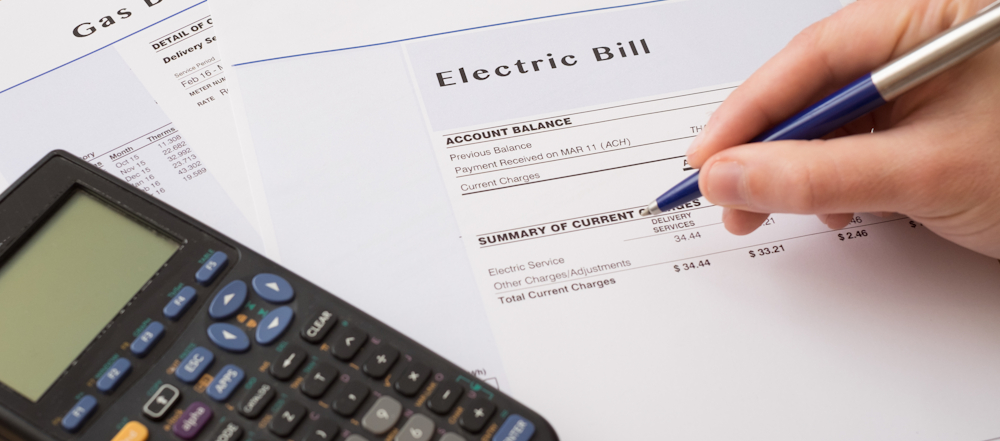
Rental prices in Taiwan sometimes include utilities such as building maintenance and garbage disposal. Tenants must pay their own water and electricity bills, which tend to be relatively low. Most Taiwanese apartments already have internet connections installed. In these cases, the landlord would usually have included the cost of internet in the rent.
Utilities and bills can be paid at convenience stores, the post office, the bank or through the landlord. It's also possible to set up a direct debit at the bank.
Gas and electricity
Gas and electricity are typically not included in the rent and must be paid separately. Taiwan uses both gas and electricity for cooking and heating, depending on the apartment setup. The cost of gas often depends on the number of gas appliances in the apartment. These utilities can be paid through various channels, including convenience stores, post offices, and online payments.
Water
Water bills are generally the responsibility of the tenant and are relatively inexpensive. As with other utilities, water can be paid at convenience stores, banks, post offices, or directly to the landlord via online or cellphone banking.
Bins and recycling
Taiwan has set up strict recycling guidelines. Tenants must separate their trash into cardboard, aluminium, plastic, and glass. Each group of materials needs to be bagged separately in the corresponding coloured bag and placed in the designated collection area. Note that different cities in Taiwan use different coloured bags, which can usually be purchased at local convenience stores.
Trash is typically collected daily. Many buildings have a designated area for collection, but in some cases, tenants must run out when they hear the bin lorry coming and throw their trash in the truck themselves. These trucks usually play a jingle that makes it easy to identify.
Internet
Internet and phone services are widely available across Taiwan. Many apartments come with an existing internet connection. For those that don't, setting up a new connection is straightforward, and there are multiple service providers to choose from. Mobile phone contracts are also easy to set up, with prepaid and monthly plans available from various providers.
Useful links
Doing Business in Taiwan
Expats are often unprepared for doing business in Taiwan. The working culture may seem unfamiliar to many, particularly those from Western cultures, and achieving an adequate understanding may require some cross-cultural training.
While capitalism is a significant aspect of Taiwan's economy, many businesses also incorporate Confucian values into their practices, which can influence etiquette and common practices. Expats should familiarise themselves with this system of behaviour to better succeed in the business sphere.
Taiwan largely depends on foreign trade, and the number of multinationals here means that locals are typically accustomed to interacting with expats in the business world.
Fast facts
Business hours
8am to 5pm, Monday to Friday.
Business language
Taiwanese and Mandarin are the official languages. While English is frequently used in large multinational organisations, it can be less common in local enterprises, so a translator may be necessary.
Greetings
When greeting business associates in Taiwan, a handshake accompanied by a small nod or bow and eye contact is appropriate, both for people of the same and opposite genders. Be sure to greet the most senior person in the room first.
Dress
Business dress in Taiwan is formal and conservative, with dark suits for men and modest dresses and skirts for women. Pantsuits are considered business casual and might not always be appropriate.
Gifts
Gift-giving is an essential relationship-building tool, but it pays to be aware of what you gift, as meaning is associated with many items in Taiwanese culture. Receive gifts with both hands, and open them in private, as is customary in Taiwan.
Good gifts include high-quality tea, pastries or sweets from one's home country, high-quality liquors, and pens or stationery.
Gender equality
While Taiwan has made significant strides towards gender equality, including having a female president, it should be noted that there are still challenges related to patriarchy and gender disparities. However, women increasingly occupy important roles in the working world, and efforts are ongoing to decrease the gender wage gap.
Business culture in Taiwan

While Taiwan’s highly developed capitalist economy is marked by modern enterprise, its business culture is rooted in old-world tenets.
Hierarchy
Many businesses in Taiwan, particularly small- to medium-sized and family-owned ones, tend to have a hierarchical structure, where senior managers take significant interest in all activities and expect to be consulted on key decisions.
Hierarchy is established and greatly respected, although protocols are not as formal as in nearby Japan and South Korea. Consequently, lower-level employees may exhibit less initiative due to cultural emphasis on hierarchy and respect for seniority.
Relationships
As in many East Asian cultures, many Taiwanese businesses may prioritise harmony and group cohesion. These values are linked to Confucian principles, although not all companies or individuals will share these values equally. For many Taiwanese workers, work groups become a significant source of personal worth and identity.
According to this line of thought, the most important aspects of business culture in Taiwan are 'face' and 'Guangxi' (relationships).
Creating and sustaining relationships is integral is doing business in Taiwan. Local enterprises rarely engage in negotiation before establishing a connection between the parties involved. Expats should take note of the practices that support this concept, like gift-giving. It's also crucial not to rush business dealings, allowing time for relationships to develop.
Saving face
'Face', a concept deeply intertwined with personal dignity, prestige, and reputation, can impact both personal and business interactions in Taiwan. However, its importance and application can vary between individuals and organisations.
When there is a high level of trust and understanding between partners, more room is generally made for open and potentially face-threatening communication. In new relationships or those with significant power differentials, it's important to preserve face.
Giving face, saving face and avoiding losing face is so important that expats may find that other principles that usually guide negotiation don't apply. For example, Taiwanese colleagues will avoid pointing out others' mistakes to allow them to keep face, even if this comes at a cost to the company.
New arrivals should abide by these principles, as causing someone to lose face will have a negative effect on business dealings.
Dos and don'ts of business in Taiwan
- Do show respect and deference to the most senior person in a meeting, acknowledging their position and influence.
- Don’t do or say anything that will embarrass or shame the company. Causing a collective group to lose face has an extremely negative impact on business relations in Taiwan.
- Do accept any invitations to events outside of the normal working environment. Relationship-building is paramount, and it's essential to capitalise on any and all opportunities to connect with clients and colleagues.
- Don’t be afraid to depart from a meal during tea time, even if asked to stay or go somewhere else. This is a feature of all Taiwanese meals and an appropriate time to leave.
Visas for Taiwan
New arrivals will need a visa for Taiwan unless they are citizens of a visa-exempt country. Those from the US, Canada, Australia, the UK, Ireland, and several EU countries, as well as some Asian countries, can stay for 90 days without a visa. South Africans need to acquire a visitor visa before travelling to Taiwan.
To stay longer, a residence visa is required, while those wanting to work in Taiwan need to acquire both a work permit and a residence visa or an Employment Gold Card.
Visitor visas for Taiwan
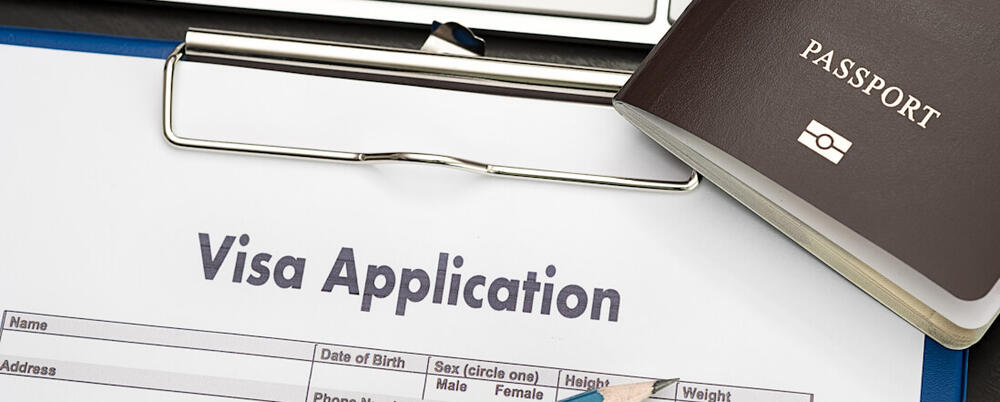
Expats looking to visit Taiwan for a short period (up to 90 days) will need to apply for a visitor visa at their local embassy, unless they are from a visa-exempt country. Required documents include application forms, travel documents, passport photos, proof of airline tickets, proof of funds, and a hotel or accommodation reservation. Visitors to Taiwan aren't permitted to work.
eVisas
Taiwan has launched an electronic visa (eVisa) system that provides a convenient alternative to the traditional paper-based visa process. The eVisa is a single-entry visa and is valid for three months from the date of issue. The maximum stay in Taiwan on an eVisa is 30 days, which cannot be extended.
Eligibility for an eVisa depends on the nationality of the applicant and the purpose of their visit. For instance, nationals of countries like Bahrain, Bosnia and Herzegovina, Colombia and others are eligible for an eVisa when they meet the relevant criteria.
Nationals from all foreign countries who are invited to attend international conferences, sporting events, trade fairs or other activities in Taiwan organised by central government agencies are also eligible for an eVisa.
For a detailed list of eligible nationalities and conditions, please check the official Taiwanese eVisa portal.
Useful links
Residence visas for Taiwan
Expats wishing to stay in Taiwan for more than 90 days for work or study purposes must apply for a Taiwan Resident Visa, also known as the Long Stay visa. There are several types of Taiwan Resident Visas, including:
- Taiwan Work Visa: Issued to foreigners working in Taiwanese businesses. A work permit is also required.
- Taiwan Student Visa: Intended for foreigners enrolling in Taiwanese educational institutions.
- Taiwan Family Reunification Visa: For foreign nationals joining a family member who is a Taiwanese resident.
- Taiwan Entrepreneur Visa: Granted to foreign nationals establishing a business in Taiwan.
- Taiwan Working Holidays Visa: Issued to young people from countries with a Taiwan Working Holiday Programme. It allows them to work for up to one year in Taiwan.
Expats will usually only be able to get their residence visa after finding a job and getting their work permit approved. To be granted a work permit, applicants send copies of their documents (including a health check and police clearance) to their employer, who can then apply for the permit on their behalf. Once the company receives the applicant's original work permit, prospective expats can apply for a residence visa at their local embassy before departure.
Those looking to work in Taiwan and are eligible for visa-free entry can find a job, apply for a work permit, and then use the work permit to apply for a residence visa in Taiwan. This process has been streamlined in recent years and is, for the most part, relatively straightforward. For those not eligible for a visa-free entry, it's best to obtain a work permit before arriving in Taiwan.
New arrivals should remember that they cannot begin working in Taiwan without a work permit, even if they have started the permit process, which can take several weeks. Once an expat has their work permit, they can legally work while they apply for a residence visa and wait for it to be processed.
The advantage of organising a work and residence permit before arriving in Taiwan is that an expat can legally live and work in Taiwan from their first day of arrival.
Note that after an expat receives their residence visa and is living in Taiwan, they need to apply for an Alien Registration Certificate (ARC) within 15 days of arrival.
Useful links
Alien Resident Certificates in Taiwan
Once expats have a work permit, the process for obtaining a residence visa and an Alien Resident Certificate (ARC) can begin. Having an ARC entitles an expat to temporary residence in the country and allows them to access Taiwan's public healthcare system, which operates under National Health Insurance. An ARC is valid for the same amount of time as the holder's work permit.
Foreigners must carry their ARC identification to prove they legally live in the country.
Healthcare in Taiwan
Work Permits for Taiwan
Useful links
*Visa regulations are subject to change at short notice, and expats should contact their respective embassy or consulate for the latest details.
Keeping in Touch in Taiwan
Keeping in touch in Taiwan is straightforward, thanks to the country's advanced and dependable internet infrastructure. Fibre, 5G, and cable connections are typically reliable and affordably priced.
The media industry in Taiwan is diverse and competitive, offering a wide variety of radio stations, cable television channels and newspapers, including sources in English.
Internet in Taiwan
Taiwan's robust communications infrastructure provides consistently high-speed and reliable internet connections. There's no internet censorship in Taiwan, and social media platforms and instant messaging services are freely accessible. Internet cafés, despite seeing a global decline in numbers, remain popular in Taiwan and serve primarily as hubs for gaming.
Free WiFi is commonly offered in coffee shops, restaurants, and certain public spaces. In Taipei, the city government provides free WiFi service at MRT stations and in select public areas. Some public telephone booths also offer WiFi connectivity.
LINE, an instant messaging app widely used in Japan, Taiwan, and Thailand, is the preferred communication app in Taiwan. Despite the availability of global alternatives like WhatsApp, WeChat and Telegram, LINE remains the most popular, also offering features such as mobile payment and music streaming services.
Useful links
Mobile phones in Taiwan
Expats are eligible to sign contracts with local mobile phone companies, although the actual documentation required varies between companies. Some service providers allow expats to sign a contract with a one-year advance payment, while others may require a Taiwanese resident as a guarantor.
An Alien Registration Certificate (ARC) is typically required for expats, but some companies may also request additional identification, such as a passport. A deposit is often needed as well. Despite the potential complexity, securing a mobile phone contract is usually worthwhile, as prepaid options, while available, may be more costly over time.
Many mobile service providers offer contracts with discounted rates during evening hours or for calls to other phones on the same network. Expats are encouraged to compare plans from various companies to find the one that best suits their needs.
Useful links
Postal services in Taiwan
The postal service in Taiwan is efficient and reliable, operated predominantly by Chunghwa Post, the state-owned postal service provider. They offer a wide range of services, including domestic and international mail, express mail service (EMS), registered mail and parcel post.
Post offices are widely available throughout Taiwan, even in more rural areas. Business hours are generally from 8am to 5pm, Monday to Friday. Some larger post offices in cities may also operate on weekends. English signage is common, and many staff members can communicate in basic English, making the process easier for expats.
For sending mail, postboxes are readily accessible in cities and towns across Taiwan. They are painted bright red and green. The red box is for standard local mail, and the green box is for express and international mail, although this can vary by location. Mail is usually collected several times a day.
Package delivery services are also widely used in Taiwan, with numerous international courier services, such as DHL, FedEx and UPS, along with local companies, offering delivery options. Taiwan's e-commerce boom has resulted in efficient and reliable delivery services, often with next-day delivery options available.
It's worth noting that, for sending important or valuable items, registered mail or a reputable courier service is recommended for the added security and tracking capability. Despite the prevalence of digital communications, the postal service remains an essential and convenient part of life in Taiwan.
Useful links
English-language media in Taiwan
There are numerous cable television channels in Taiwan, alongside five free-to-air television networks. Cable is available at affordable subscription rates. While most channels broadcast in Taiwanese or Mandarin, a few English channels are available. Notably, many Western programmes are aired in their original language with Chinese subtitles, providing expats with varied viewing options.
Several English-language newspapers and news sites cater to Taiwan's expat and English-speaking audience. The Taipei Times and The News Lens are among Taiwan's prominent English newspapers, while Taiwan News is a popular online portal for local news.
Useful links
Cost of Living in Taiwan
The cost of living in Taiwan varies depending on your lifestyle and the area you choose to live in. Rural areas and cities in the south tend to be more affordable, but most foreign nationals relocate to Taipei, which is the most expensive city in the country.
While Taipei has the highest cost of living in Taiwan, it is still significantly cheaper than regional powerhouses such as Beijing, Seoul, Singapore, and Hong Kong. That said, Taiwan has a strong consumer culture, and living in Taipei in particular means navigating a steady stream of trends, merchandise, and entertainment options, which can make budgeting a challenge.
Cost of accommodation in Taiwan
Accommodation in Taiwan can be pricey, and homes are generally small and only have basic amenities. Affordable studio apartments may lack a kitchen. Additionally, buildings tend to suffer under the humid climate, and cheaper accommodation is often plagued by mould and mildew.
Utilities are broadly affordable, although electricity bills increase significantly during the hot summer months, when it is all but impossible to live without air conditioning. Stoves and geysers are usually powered by gas, which helps minimise costs. The cost of rubbish bags, which are sold at a premium to encourage recycling, might come as a shock to new arrivals.
Renting Expat Accommodation in Taiwan
Cost of transport in Taiwan
Taiwan boasts a modern and reliable public transport system, with Taipei leading the way in terms of accessibility. The vast majority of both locals and expats in the city use public transport, as it’s possible to get anywhere at any time without a car.
Owning a car is a significant expense, incurring costs such as car repayments, fuel, insurance, maintenance, and the incredibly high parking fees.
Many locals (and some brave expats) have small motorcycles or scooters, which are cheap and convenient, but can be a somewhat dangerous way to get around. Cycling is a viable mode of transportation in Taipei, thanks to the city's flat terrain.
Transport and Driving in Taiwan
Cost of groceries in Taiwan
Groceries in Taiwan are generally affordable for expats, but costs vary by city. Major urban centres like Taipei and Taichung tend to be pricier than smaller towns. Basic staples, such as rice, eggs, and local vegetables, remain inexpensive when compared to many Western countries, while imported foods and speciality products cost noticeably more.
Buying local produce is a great way to save money while eating healthy. In-season fruits and vegetables are cheap in peak harvest months, with prices climbing in the off-season. The overall monthly food costs in Taiwan are substantially lower than in many Western countries. However, your budget will rise if you regularly buy imported goods or shop at convenience stores.
Cost of entertainment and eating out in Taiwan
Eating out in Taiwan is affordable if you stick to local options. Night markets, street stalls, and small neighbourhood eateries are great options for authentic meals at low prices, making dining out regularly an appealing option. On the other hand, the cost of eating at high-end restaurants is generally more in line with what you would expect from Europe or North America.
When it comes to entertainment, there are numerous options to choose from at varying price points. Cinemas, karaoke bars, and cultural excursions such as operas and concerts are all popular, but costs can vary significantly. Outdoor activities, like hiking or visiting parks and temples, provide cost-effective entertainment alternatives.
Cost of education in Taiwan
The overall cost of education in Taiwan depends on whether you send your children to a local public school or an international school. International and private schools are significantly more expensive than public schools, but tuition varies widely by institution and city.
Be sure to keep accommodation costs in mind when sending your children to school in Taiwan. You may need to opt for more expensive housing in closer proximity to your chosen school to keep commuting times at an acceptable level.
Best International Schools in Taipei
Cost of healthcare in Taiwan
The healthcare system in Taiwan is extremely advanced, and high-quality care comes at a low cost. If you’re an employee in Taiwan, your employer is legally required to subsidise your health insurance. Foreign employees will be placed on the National Health Insurance and receive the same benefits as Taiwanese locals. In this system, you’ll pay a small stipend to access doctors, hospitalisation, dentistry, prescription medicine, and more.
Cost of living in Taiwan chart
Prices are in New Taiwan dollars (TWD) and may vary depending on the product and service provider. The list below shows average prices for Taipei in November 2025.
| Accommodation (monthly rent) | |
| Three-bedroom apartment in the city centre | TWD 52,000 |
| Three-bedroom apartment outside the city centre | TWD 35,000 |
| One-bedroom apartment in the city centre | TWD 24,000 |
| One-bedroom apartment outside the city centre | TWD 18,000 |
| Food and drink | |
| Eggs (dozen) | TWD 90 |
| Milk (1 litre) | TWD 95 |
| Rice (1kg) | TWD 93 |
| Loaf of white bread | TWD 60 |
| Chicken breasts (1kg) | TWD 300 |
| Cheese (500g) | TWD 550 |
| Eating out | |
| Three-course meal for two at a mid-range restaurant | TWD 1,200 |
| Big Mac Meal | TWD 170 |
| Coca-Cola (330ml) | TWD 32 |
| Cappuccino | TWD 120 |
| Local draft beer (500ml) | TWD 80 |
| Utilities/household | |
| Mobile phone monthly plan with calls and data | TWD 580 |
| Internet (uncapped ADSL or cable – average per month) | TWD 800 |
| Basic utilities (average per month for a standard household) | TWD 2,900 |
| Transportation | |
| Taxi rate (per kilometre) | TWD 25 |
| City-centre public transport fare | TWD 25 |
| Gasoline/petrol (per litre) | TWD 32 |
Transport and Driving in Taiwan
All regions and cities in Taiwan are connected by well-maintained roads and comprehensive and affordable bus and rail services. As a result, transport and driving in Taiwan are straightforward.
Transport options in Taiwanese cities are also excellent, and Taipei, where most expats live, even boasts a metro system. The public transport system is reliable, affordable, and easily accessible, so you should have no problems getting around in Taiwan.
Public transport in Taiwan
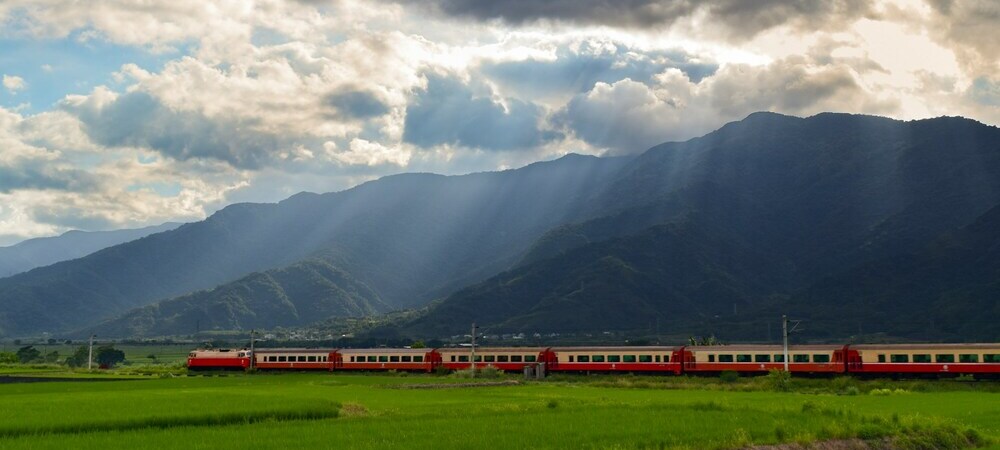
Tickets
With an EasyCard, you can pay for bus services in most cities, as well as railway, Mass Rapid Transit (MRT), and some ferry and cable car tickets. You can also use EasyCard for YouBike rentals, parking, and convenience store purchases. Some taxis also accept payment via the EasyCard, further enhancing its usefulness.
Buses
There are buses that travel almost every main street in Taiwan. They're clean, safe, and run often. Taking the bus in Taiwan is a practical and affordable way to get around town. They're also popular among travellers who want to get to smaller or more rural destinations. When paying in cash, buses may require an exact fare. Contactless payment methods may also be available.
There are a variety of buses to choose from, and among the most popular are Kuo-Kuang Hao and Ubus. Bus companies usually have offices near train stations in most Taiwanese cities.
Trains
Getting from city to city by train is easy. The trains in Taiwanese urban centres run frequently and are cheap. The announcements are in both Mandarin and English, as are all the signs.
The express train, Tze-Chiang, is the most comfortable and fastest way to travel around Taiwan. It is also the most expensive. Tickets should be booked in advance, especially when planning to travel over a weekend or public holiday.
For long-distance travelling, Taiwan has a high-speed rail system. In a little over two hours, expats can travel the whole length of the island. The train is modern but can be pricey.
Train stations in the larger cities in Taiwan usually have tourist information counters with English-speaking staff. Most cashiers at ticket booths will understand foreigners when they speak slowly, and buying train tickets should therefore be relatively straightforward.
Useful links
Taxis in Taiwan
There are taxi services in most cities in Taiwan. Taxis are generally metered, and fares are cheap. Costs differ between cities, but no matter where in Taiwan you stay, the cost of taking a cab is much more affordable than in Western countries.
Taxi drivers often don't speak English – have your destination written down in Mandarin. Bear in mind that not all taxi drivers use meters, especially in rural areas or during late-night hours. In such cases, it's advisable to negotiate the fare before starting the journey.
The majority of taxi and ride-hailing companies in Taiwan make use of apps to make the process of getting a taxi easier. You can use the app to hail a taxi or call the designated taxi company number. Uber is also available in Taiwan, but only in certain cities. Apart from Uber, Taiwan also has local ride-hailing services such as Taiwan Taxi.
Driving in Taiwan
Driving in Taiwan is on the right-hand side of the road and can be challenging. In Taipei, traffic laws are enforced, making driving there safe and easy. Outside of Taipei, on the other hand, this is generally not the norm. Be on the lookout for scooters and mopeds, as riders often weave their way through traffic.
Driver's licences
An International Driving Permit can be used in Taiwan and is valid for 30 days. If you're moving to the country, you'll need to obtain either an extension or a Taiwanese driver's licence.
Taiwan has reciprocal licence agreements with certain countries. Check if your home country qualifies; you might be able to obtain a Taiwanese licence without taking a driving test.
If you can't convert your licence, you'll need to secure and hold a learner's permit for at least three months and pass the Taiwanese theoretical and practical driving test, which can be taken in English.
Domestic flights in Taiwan
There are four international airports in Taiwan. Taiwan Taoyuan International Airport serves the northern part of the island, and Kaohsiung International Airport caters to the southern part of the island.
While Taichung International Airport and Songshan Airport also fly internationally, they only fly to specific destinations in Asia. There are also many local airports where you can book a domestic flight in Taiwan, including the islands in the Strait of Taiwan.
Even though domestic air travel is an option, it is usually more affordable and nearly as fast to take a high-speed train to get from city to city in Taiwan.
Cycling in Taiwan
Taiwan has a well-developed cycling infrastructure, with a bike network spanning more than 3,000 miles (5,000 km) – much of it on dedicated paths. The island has a variety of routes, from flat coastal paths to challenging mountain climbs, and many bike rental shops are available. Taiwan has a strong cycling culture, and the world's largest bicycle company, Giant, calls Taiwan home.
YouBike is a public bicycle-sharing service operated by Taipei City, allowing anyone to rent a bicycle from kiosks throughout Taiwan's major cities. Users can rent a bicycle using a smart card or a mobile app, and in the more crowded cities, cycling can be the fastest and most affordable means of getting around.
It's important to note that while Taiwan has a strong cycling culture, cycling in the cities can be challenging due to traffic. Always adhere to the road rules and stick to bike lanes wherever possible.