
Healthcare in Cyprus is affordable and generally of a high standard, and it's one of the reasons many expats settle on the island. Since 2019, Cyprus has had a universal healthcare system called GESY. Under it, every lawful resident can get both public and private care for income-based contributions and small co-payments.
Cyprus has both public and private care, and many private providers are now part of GESY too. All the major cities have state-funded and private hospitals. The government-controlled south has better-resourced facilities than the north, and GESY is available only in areas under the Republic's control.
Many doctors in Cyprus are trained abroad, and most speak good English, so language is rarely a barrier in a clinic or hospital. If your Greek is limited, don't hesitate to ask questions or to have your doctor repeat anything you didn't catch. It also helps to keep your own notes from an appointment.
Public healthcare in Cyprus

Public healthcare in Cyprus is run by the Health Insurance Organisation through GESY. The system has been fully in place since 2020. Employees, employers, the self-employed, pensioners, and the state all pay income-based contributions to fund it.
To use GESY, you register online with the HIO and choose a personal doctor, who becomes your first point of contact and refers you to specialists when you need them. Eligibility is based on your residency status, and lawful residents in an eligible category qualify. These are employees, permanent residents, EU citizens registered on the island, and UK or EU pensioners who hold an S1 form. Dependants of a beneficiary are covered too.
Useful links
Private healthcare in Cyprus
Private healthcare in Cyprus is popular even among GESY beneficiaries. Wait times are shorter, you get a wider choice of specialists, you can often book a specialist directly without a GESY referral, and the facilities tend to be more comfortable.
Every district has private hospitals, medical centres, polyclinics, and doctors' surgeries, and many now have GESY contracts. Where a provider is contracted, you can have publicly funded treatment there and pay only the standard co-payment.
For care outside the GESY network, you either pay the provider directly or use private insurance.
Health insurance in Cyprus
Health insurance in Cyprus is mostly a matter of GESY these days. Once you register as a beneficiary, your contributions are deducted from your salary or income automatically, so you don't need a separate policy for everyday public care. You pay small co-payments for prescriptions, lab tests, specialist visits, and A&E attendances, but you never pay more than a fixed annual cap out of pocket.
EU and UK visitors can use a European Health Insurance Card or a Global Health Insurance Card for necessary treatment on a short stay. UK and EU pensioners who hold an S1 form gain access to GESY, and their home country pays the cost. If you aren't eligible for GESY yet, or you simply want quicker private treatment, you can take out a private policy, and many residents keep one as a top-up.
Pharmacies and medication in Cyprus
Pharmacies in Cyprus are easy to find by the green cross and the Greek sign φαρμακείο (farmakeío). You'll see the most in the main towns, Nicosia, Limassol, Larnaca, and Paphos, although most built-up areas have one within a short walk. Cypriot pharmacies are standalone shops run by qualified pharmacists, who can advise on minor ailments and often save you a trip to the doctor.
Standard hours are mornings and late afternoons into the early evening, and most pharmacies close for a few hours over lunch. Outside those hours, each district has a rota of duty pharmacies that are open late or on call. A closed pharmacy will have the current duty list on its door, and you can look it up online or in the local paper.
Foreign prescriptions can't be filled as is, so a doctor registered in Cyprus has to rewrite them. Bring your prescription and a recent letter from your own doctor to a GESY or private GP soon after you arrive. Pharmacists here can handle plenty of medication over the counter, but you will need a prescription for antibiotics and other controlled medicines.
Health hazards in Cyprus
Cyprus has no major health hazards, but there are a few environmental risks to know about. Summer heat is the main one. In a heatwave, temperatures inland are often above 104°F (40°C), which is hardest on older residents, pregnant women, young children, and anyone with a heart or lung condition. Follow the official advice on hot days, and don't underestimate how fast heat stress can set in.
Wildfires break out most summers, mainly in forests and rural areas inland. Their smoke, along with the Saharan dust that blows in several times a year, is enough to spoil air quality for a day or two. When air quality is poor, people with asthma or another respiratory condition are better off indoors, and it helps to wear a mask or run an air purifier.
Mosquitoes are the other seasonal watch-point. The common Culex mosquito transmits the West Nile virus, which appears in Cyprus most summers, and there have been more cases in recent years. Most infections are mild or symptomless, but the virus can occasionally be serious, so use a repellent throughout the summer and eliminate any standing water around your home where mosquitoes breed.
Vaccinations in Cyprus
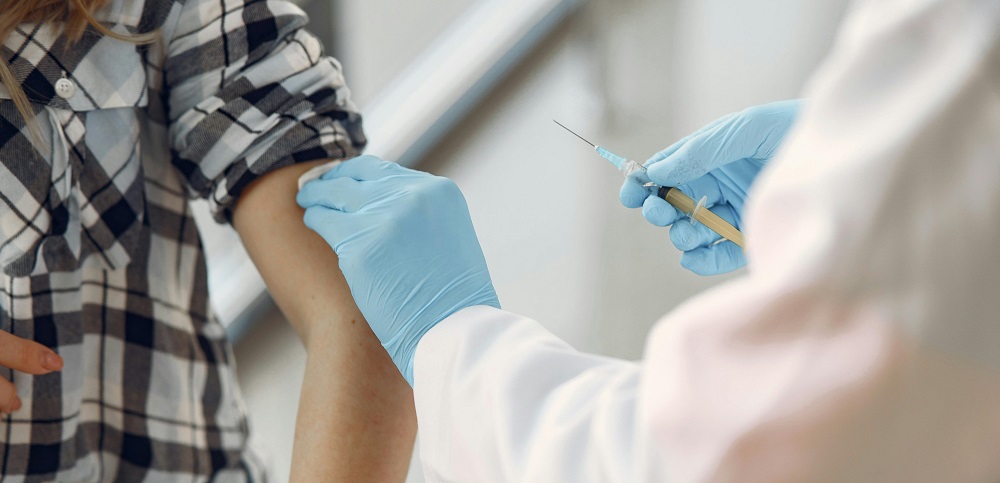
No vaccinations are required to enter Cyprus. Before you move, make sure your routine jabs are up to date: measles, mumps, and rubella (MMR), polio, tetanus-diphtheria-pertussis, and chickenpox. Doctors also commonly suggest the hepatitis A and hepatitis B vaccines for a longer stay. Cyprus is free of rabies in cats and dogs, although its bats can carry a rabies-type virus, so the rabies vaccine is really only for higher-risk groups such as vets, bat handlers, cavers, and some long-term rural residents.
For advice matched to your own health and plans, check an official travel-health service before you go.
Useful links
Emergency medical services in Cyprus
For emergency medical services in Cyprus, dial 112 or 199. Both are free from any phone, and you'll get through to the same dispatch centre for ambulance, fire, and police. Ambulances to a public A&E are free. Response times are fine in the towns but longer in rural areas and up in the Troodos Mountains.
For less urgent medical issues, plenty of residents just drive to A&E or get a lift rather than wait for an ambulance. Some private hospitals run their own ambulances, but you'll pay for the transport.