
- Download our Moving to the UK Guide (PDF)
There are plenty of options for public transport and driving in the United Kingdom. Extensive train and long-distance bus networks make travelling between major destinations straightforward, and the growth of low-cost airlines in Europe has made flying a viable option.
While owning a car isn't essential, the condition of the roads and infrastructure is excellent. Getting around the United Kingdom by car can be a real pleasure.
Public transport in the United Kingdom
Trains
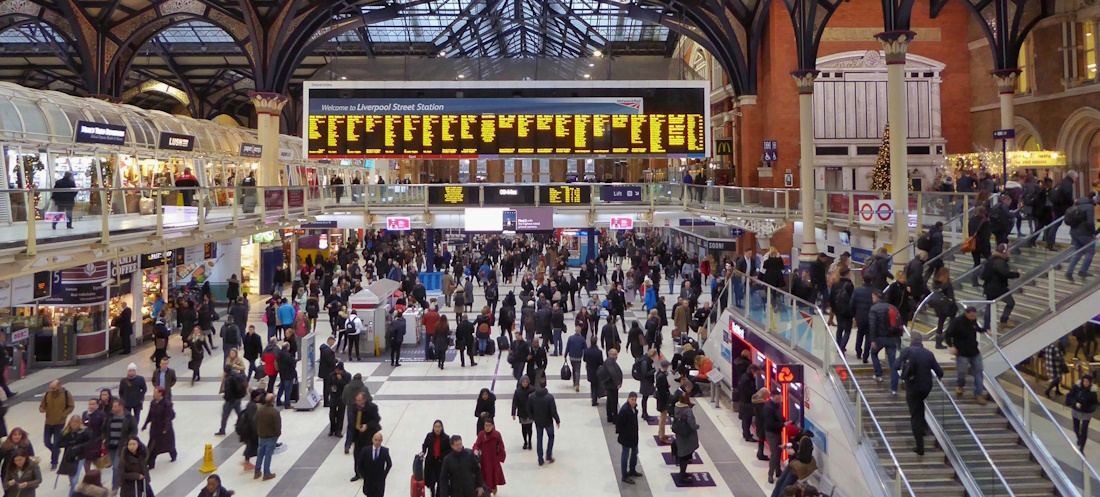
Trains are the most popular mode of public transport in the United Kingdom. National Rail operates the railway network covering England, Scotland, and Wales, while Northern Ireland Railways is responsible for the train network in Northern Ireland.
While National Rail oversees the railways in mainland Britain, there are numerous companies offering train services as a result of privatisation.
Despite some criticism about network delays and overcrowding during peak hours, travelling by train is generally a fast, enjoyable way to get around and see the country.
Train tickets can be purchased at any train station or online, usually at the same price regardless of which train operator commuters use. That said, cheaper tickets may carry restrictions, and some services stop at more places or take a longer route to reach their final destination.
You can also save money on train fares by booking tickets in advance or using a discount card such as the Student Rail Card (for 16- to 25-year-olds) or the Senior Rail Card (for those over 60).
If you travel by train regularly, it’s worth investing in a season ticket, which is valid for either a week, a month, or a year. Prices of a season ticket depend on the routes travelled.
Buses and coaches
Long-distance buses in the United Kingdom are commonly referred to as coaches. Travelling by bus will typically take longer than the equivalent train journey due to traffic. Like trains, long-distance buses tend to take passengers right into the centre of town.
The leading bus service provider in the UK is National Express, which serves all major destinations across the country. Megabus is an alternative service provider that covers a limited number of major cities, but it’s inexpensive and popular among students.
Travelling by bus is fairly comfortable, and services are rarely fully booked. The main benefit of travelling by bus in the United Kingdom is cost. Bus fares are often less than half of what you'd pay for the equivalent train journey, especially if you book them in advance or on a special offer. Tickets can either be bought online or at bus terminals.
Useful links
Taxis in the United Kingdom
Taxis are readily available in the United Kingdom. There are two types: metered black cabs, which can be hailed in the street and are found in all larger towns and cities, and minicabs, which must usually be pre-booked online or over the phone. Ride-hailing applications like Uber are also operational throughout most of the country.
Taxis in the United Kingdom tend to be expensive and should be reserved for travelling short distances within the city centre, late at night, or with a group of friends. Uber and other ride-hailing apps are usually best used during off-peak times, as prices will tend to be lower than those of metered cabs. When Uber prices spike during busy periods, it's better to opt for a metered fare as these rates are always the same.
Useful links
Driving in the United Kingdom
Owning a car isn’t strictly necessary in the United Kingdom. In fact, it will be of little benefit if you spend most of your time in one city, which will likely have comprehensive public transport. That said, having a car can be helpful for getting around the country and exploring the countryside.
The UK drives on the left-hand side of the road. The standard of roads and signage in the United Kingdom is excellent, with very few toll roads. Driving standards in the UK are good, and the country’s roads are considered among the safest in Europe.
Parking can be expensive and difficult to find, especially in London. Petrol is heavily taxed in the UK, and car insurance tends to be pricey too.
Traffic can be a problem, especially during rush hour, and several cities in the United Kingdom have park-and-ride schemes to try to alleviate congestion. These car parks are mainly located at the edge of a city, with cheap buses provided to transport commuters to the city centre.
Driver's licences
Expats in the UK can drive on their home licence for 12 months, provided they are citizens of a non-EEA country. Meanwhile, EEA expats will only need to replace their licence once it expires.
Useful links
Domestic flights in the United Kingdom
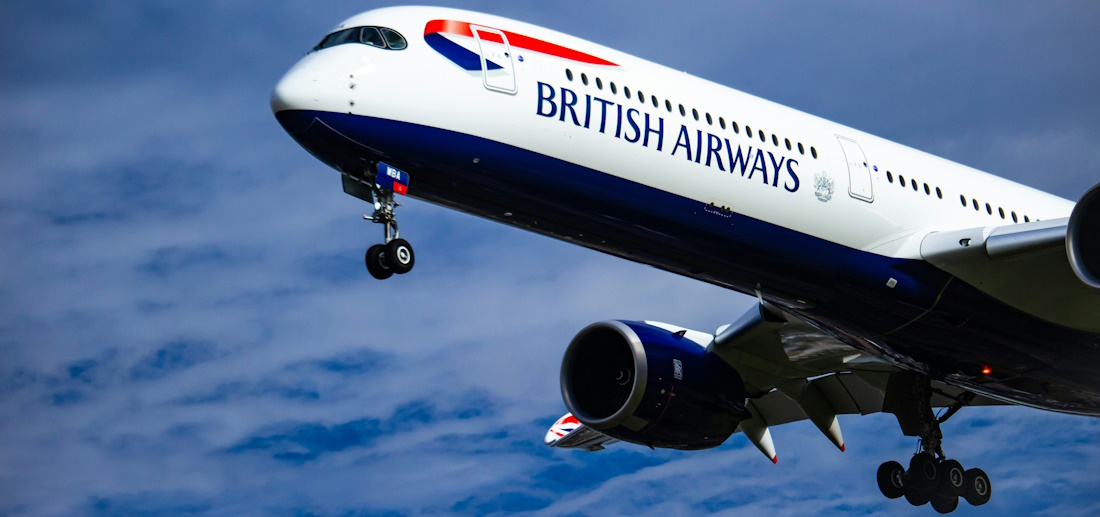
With the growth of low-cost airlines in Europe, it has become possible to fly to and from all the UK’s major cities.
Major airports can be found in London, Birmingham, Manchester, Liverpool, Newcastle, Edinburgh, Glasgow, Aberdeen, Inverness, Cardiff, and Belfast.
Flight prices fluctuate constantly but are usually reasonable when booked in advance, and domestic carriers like EasyJet and Ryanair often run special offers.
While flying is the fastest way of travelling across the UK, most airports are located on the outskirts of a city, so you’ll probably have to take a bus or train to the city centre after arriving at your destination. This, combined with the fact that passengers need to check in 90 minutes before domestic flights, means that, in reality, it could be faster to travel by train.