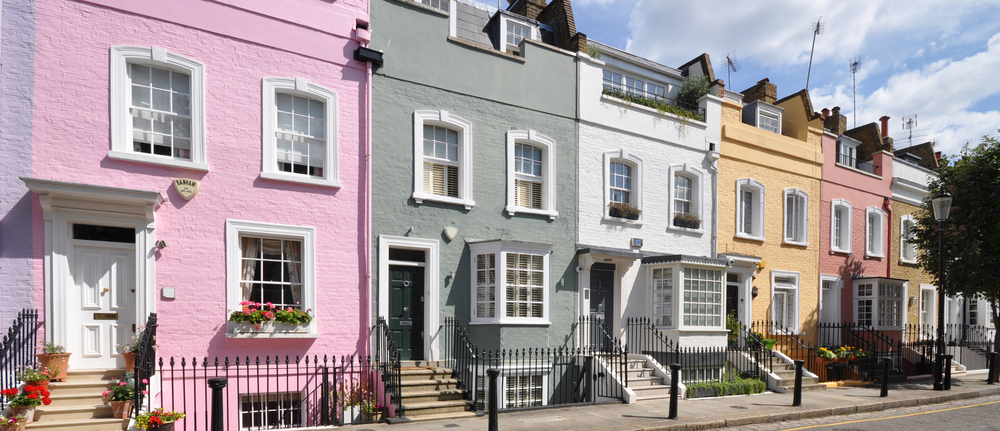
The quality and affordability of accommodation in the United Kingdom vary widely. Expats may struggle to find spacious, high-quality accommodation that doesn’t break the bank in notoriously expensive London, but there are many areas of the UK where it’s much easier to find appropriate housing at a reasonable price.
Types of accommodation in the United Kingdom
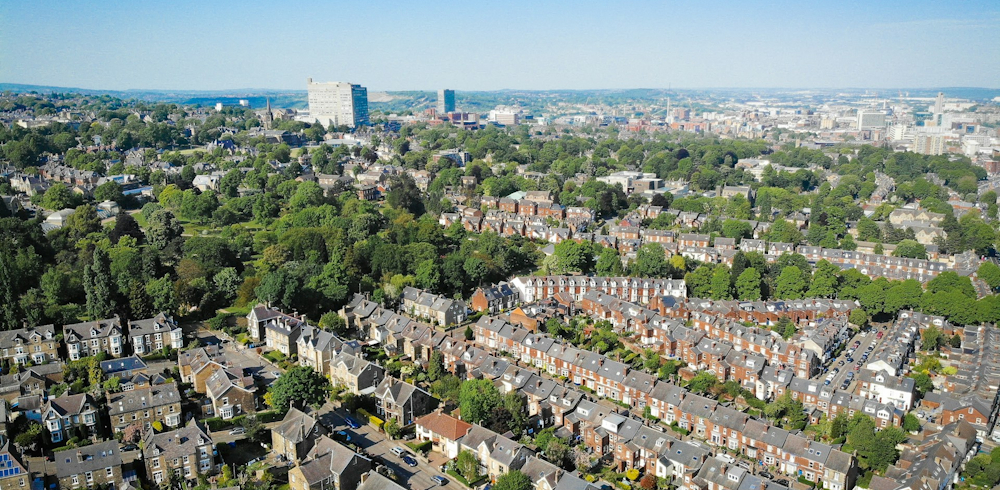
Accommodation in the UK is generally apartments (flats) and houses, whether freestanding or row houses (terraced housing). All these types of housing are widespread throughout the UK.
Housesharing (renting an individual room in a larger house shared with others) is another popular option if you're a single expat in the United Kingdom. It’s usually pursued out of financial necessity, but for young expats, this can be a great way to meet new people.
Furnished vs unfurnished
When searching for somewhere to rent, you'll need to decide whether to rent a furnished or unfurnished property.
An unfurnished property typically includes kitchen and bathroom fixtures, as well as appliances such as a fridge, cooker, and possibly a dishwasher and washing machine. Carpets and often curtains are included, but not furniture such as beds or sofas.
A furnished property will include furniture such as sofas and armchairs in the living room, tables and chairs in the dining area, and beds, wardrobes and chests of drawers in the bedrooms. Some will even include TVs, kitchen utensils, and cutlery.
Many expats and assignees choose to rent a furnished property to save the worry and expense of sourcing furniture or having it shipped from abroad. It costs slightly more to rent a furnished flat or house, but it's still usually the more economical option compared to buying or shipping furniture.
Short lets and temporary housing
If you're new to the UK, you might choose to stay in temporary housing while searching for a more permanent place to live. This is usually a more cost-effective and convenient alternative to hotels. There are a number of specialist providers of temporary housing in the larger cities, and holiday rental sites such as Airbnb are also an option.
Useful links
Finding accommodation in the UK

Finding accommodation to rent in the UK isn’t too difficult, especially if you're flexible about the exact area you want to live in. Online property portals such as Rightmove, Zoopla and OnTheMarket are a great starting point as they allow you to research the cost and availability of properties in various areas, even before you arrive in the UK. These websites include photos, details, and floor plans for available properties and are updated regularly by local real estate agencies.
Once you've decided on an area or suburb, it's worth building a relationship with a real estate agent, as they will have intimate knowledge of the local area. They may also have access to property listings before they are publicly advertised. Some people moving to the UK employ a local relocation agency to liaise directly with estate agents and shortlist properties for viewing.
If you are a student or on a tight budget, you might decide to rent a room in a house rather than rent an entire property. There are a few property portals that specialise in housesharing, such as SpareRoom.
Useful links
Renting accommodation in the UK

Most expats in the UK opt to rent rather than buy property. This is partly due to the temporary nature of expat assignments and the high cost of housing, especially in the capital. The process of renting property is generally the same throughout the UK, although finding property in larger, more populated cities is typically much harder.
Making an application
Having found your ideal home, you'll need to submit an application. This should include identity documents, bank statements or payslips, and your previous landlord's contact details for reference checks. A guarantor may be required in some cases.
The landlord may wish to do a credit check on you or your guarantor. If so, they need to pay for it themselves and must get written permission from the person being checked.
Signing a lease
Once your application to rent is accepted, the next step is to sign the lease. Read through everything carefully before signing, and ask the landlord to clarify if you're uncertain about anything in the lease.
Deposits and fees
Most landlords in the UK will expect you to provide a security deposit that amounts to five or six weeks’ rent. The landlord or their agent must lodge the deposit in a government-approved Tenancy Deposit Scheme (TDP).
Any damage beyond ordinary wear and tear may result in a deduction from the deposit. Other expenses, like lost keys or unpaid rent or utility bills, can also be deducted from the deposit.
The deposit should be returned within 10 days of agreeing on the refund amount. If there are any issues, the deposit is held in the TDP scheme until they're resolved.
Termination of the lease
Two months' notice is required to terminate a lease. There's no fixed length for a private lease, so it's indefinite or open ended until either the landlord or tenant ends the lease.
Utilities in the United Kingdom
When you sign a rental contract, you should ensure you know what additional costs you’re liable for. These costs will typically consist of council tax, gas, electricity, water, and internet. As these expenses have the potential to significantly increase accommodation costs, they need to be considered when budgeting.
For more details, see Setting up Household Utilities in the UK.