
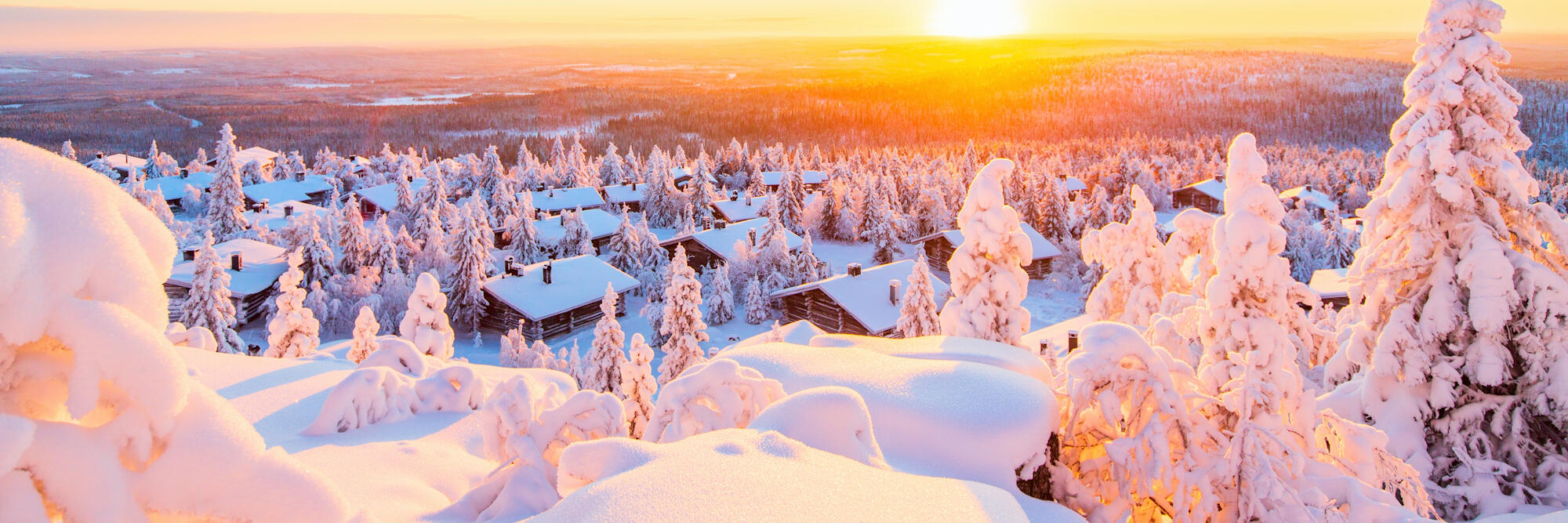
The pros and cons of moving to Finland start with a striking headline: the country has topped the World Happiness Report every year since 2018. Famous for its saunas, the northern lights and for being the home of Santa Claus, Finland draws newcomers from all over the world. This Nordic country has plenty going for it, but life in Finland comes with trade-offs worth understanding before you pack your bags.
Below are some of the key pros and cons of moving to Finland.
Healthcare in Finland
+ PRO: Universal healthcare
The healthcare system in Finland is both accessible and low cost. Public healthcare covers everything from routine check-ups to emergency care, and emergency treatment is available to everyone regardless of nationality.
- CON: Bureaucracy and wait times
To take full advantage of the healthcare system, you need to register with the municipality you live in and enrol with Finland’s Social Insurance Institution (Kela). The process is quite slow and can be confusing to new arrivals. Wait times for non-urgent visits can also be weeks long, and many expats get private health insurance to cover the gap.
Education in Finland

+ PRO: Excellent quality public education
Not only is the standard of public schooling in Finland high, but it is also free. The system may be unfamiliar at first, with children receiving little homework and having longer recess periods than expats may be used to, but ultimately, learning is highly valued. Teachers are highly respected and required to hold a master’s degree, so the quality of instruction is consistently strong.
Adults can also access free or subsidised Finnish and Swedish language courses through higher education institutions and government integration programmes across the country.
- CON: Language barriers
Expats with children moving for only a short while may find it difficult to access schooling in Finland due to the language barriers. Education is mainly in Finnish and Swedish, both of which can be difficult to learn as an additional language. That said, support systems and preparatory classes exist to integrate all students with diverse backgrounds and abilities.
Accommodation in Finland
+ PRO: Most areas are accessible by public transport
If the city centre proves too expensive or families are more drawn to suburban life, transport and commuting needn’t be a concern. Buses, trams, trains, the metro and even ferries connect Helsinki’s city centre to surrounding areas through the HSL network.
- CON: State-subsidised housing is hard to get
Expats looking for cheaper accommodation can apply for state-subsidised rental housing. Given the high demand for this, it can take considerable time before an offer is made, and many expats rent privately in the meantime. Applicants are prioritised based on housing need and financial circumstances. However, it’s a real boon: rents are regulated and lower than the private market.
Areas in Finland
Accommodation in Finland
Lifestyle and culture in Finland
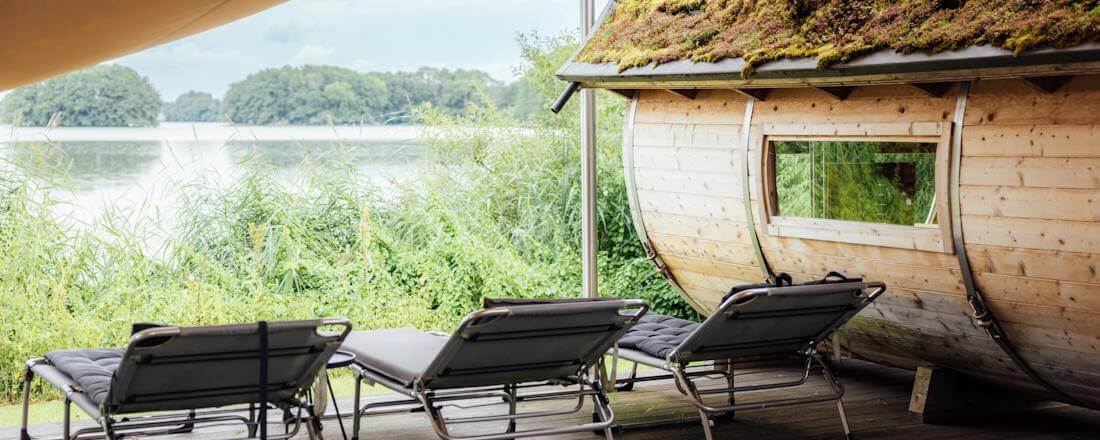
+ PRO: Sauna culture
Sauna culture runs deep in Finland: the country has an estimated 3.3 million saunas for a population of 5.6 million, and UNESCO recognises the tradition as intangible cultural heritage. The word ‘sauna’ itself is Finnish. Newcomers soon learn that the sauna is less a luxury than a way of life, and a brilliant antidote to the long winters.
+ PRO: Finland is a safe country
Finland ranked 10th on the 2025 Global Peace Index and third in the world for safety and security. You can walk alone at night without a second thought; children play outdoors freely.
- CON: Local friendships can take time
Finns tend to come across as reserved. Small talk is not common in Finnish circles, and personal space is highly valued. The best way to make friends in Finland is to find a shared activity and let familiarity build over time. Shared hobbies or community groups are often the best way to make friends, and even a few Finnish phrases will go a long way.
Cost of living in Finland
+ PRO: Greater purchasing power
The cost of living in Finland is high, and newcomers from countries with lower price levels may need time to adjust. Salaries tend to match, though; most expats find that decent wages and strong public services give them solid purchasing power once they settle in.
- CON: High taxes
One of the reasons for the high cost of living is the high rate of taxes. A significant portion of salaries goes to taxes, which can be a shock to new employees. This is the cost of universal access to healthcare and education, efficient public transport, and other amenities, and most expats agree it’s worth it.
Working in Finland
+ PRO: Egalitarian work culture
Like other aspects of the culture, the workplace is egalitarian. There is no strict hierarchy; employees of various job titles mix freely with one another, and offices are often open plan and level.
- CON: Difficult to enter the job market
Finding a job in Finland can be tough, especially if you don’t have Finnish language skills. The smoothest route for expats is to secure a position before you move. Jobseekers on Finnish ground will need to network actively and invest real time in learning Finnish, as many sectors require it.
Doing Business in Finland
Jobs in Finland
Getting around in Finland
+ PRO: Helsinki is walkable
Helsinki is a compact, walkable city, and the capital is actively expanding its pedestrian zones and car-free infrastructure. The terrain is relatively flat, so getting around on foot is easy. Park-and-ride facilities at metro and train stations let drivers leave their cars on the outskirts and continue into the centre by public transport.
- CON: Air travel is expensive
Some areas of Finland are relatively remote, and air travel can be costly. Expats who make regular trips abroad and to their home country will need to factor this in.
Weather in Finland

- CON: Cold and dark winters
Finland may top the global happiness rankings, but Seasonal Affective Disorder (SAD) is common. Roughly one in 10 Finns experiences symptoms during the dark months. The country can get bitterly cold, and daylight hours in winter are short, leaving residents in the cold and dark.
The climate is not something to be ignored when planning a move, as it could make or break your stay. Finns rely on light therapy lamps and plenty of sauna time to ride out the dark season.
+ PRO: Northern lights are visible in Finland
One of the most beautiful phenomena in the world is the aurora borealis, and Lapland in northern Finland offers a fantastic opportunity to witness this wonder. It is visible over half the year in Lapland, but can also be marvelled at on several days in other regions of the country.