Print
  • Hold down Ctrl key and select the sections you want to print. If using a Mac, hold down the Cmd key.
  • Use Ctrl + A or on Mac, Cmd + A to select all sections (if you are using the Chrome browser).
  • Click "Apply" and the site will customise your print guide in the preview below.
  • Click the "Print" button and a print pop up should appear to print to your printer of choice.

Moving to Finland

Living in Finland as an expat

Expats moving to Finland should prepare themselves for life in the easternmost country of the Nordic region and one of the largest countries in Europe, not to mention one of its most picturesque. Travellers and expats alike are attracted to the country’s gorgeous scenery, cleanliness, efficient economy and famously happy population.

As Finland’s capital and largest city, Helsinki spills across a group of Baltic islands and promontories, and its smart new suburbs extend into the verdant forests and countryside. The city is one of Europe’s most modern and culturally progressive places, yet it remains rooted in a history that stretches back over centuries.

Finland scores highly in international rankings in many categories, not just in the GDP stakes but also in social support, generosity and freedom of choice. The country is said to be one of the happiest and most well governed in the world, and new arrivals may be pleasantly surprised at how easy it is to adapt.

Living in Helsinki

Working in Finland

The work culture in Finland is built on trust and flat hierarchies. Employers respect your personal time, and colleagues address one another by first name.

Finland’s job market is competitive, and it’s particularly difficult for newcomers who do not yet speak Finnish to break in. Technology and healthcare are the sectors with the strongest demand. The Finnish government has launched dedicated programmes to actively court international talent, and some specialists can qualify to fast-track their Finnish residence permits.

Finding a Job in Finland
Visas and Residence Permits for Finland
Work Permits for Finland

Finnish culture
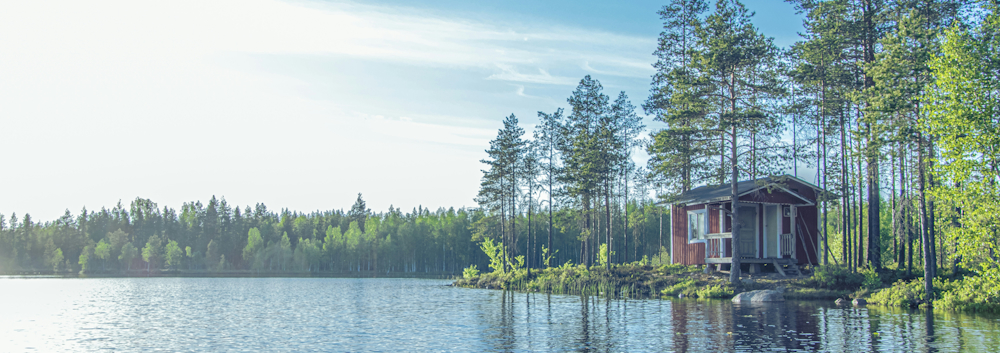
Korpijärvi Cabin in Finland by Juho Luomala on Unsplash

It may take expats a while to adapt to cultural differences in Finland. The general perception is that Finns are reserved and quiet people, although this isn’t always the case with younger generations. Small talk is not a Finnish forte, and strangers who attempt it are sometimes met with suspicion. Expats would do well to learn Finnish before they move, but English is also widely spoken. Finns tend to mean what they say; words carry real weight, and a promise made is a promise kept. For expats, this directness can feel stark at first, but most come to appreciate it.

Sauna is at the heart of Finnish identity. The country has roughly 3 million saunas for a population of about 5.6 million; it is common for homes and offices alike to have one, and even the parliament has its own. Equally central is the concept of jokamiehenoikeudet, or ‘everyman’s rights’, which grants everyone the legal freedom to wander freely in nature and set up camp on uncultivated land.

Business Culture in Finland

Finding accommodation in Finland

The most important factor behind housing costs in Finland is the shortage of spacious accommodation in metropolitan areas. The search for larger homes often forces families with children to settle in the outer municipalities or farther afield. The result is a longer commute and greater dependence on cars.

Most expats choose to rent rather than buy. Rental accommodation is available through both private landlords and municipal organisations, but the wait for subsidised apartments can be long. Competition for rentals in Helsinki is fierce, and expats frequently report that landlords prefer tenants who speak Finnish. Rental properties in Finland often come completely bare-bones without even light fittings or carpets, which can surprise newcomers. Furnished apartments are scarce and more expensive.

Best Places to Live in Helsinki

Cost of living in Finland

Market in Tampere, Finland, by Hendrik Morkel on Unsplash

The cost of living in Finland is undeniably high, even by European standards. Expats from areas of the world where they may have been used to a lower cost of living will find the higher prices a shock and difficult to adjust to. It therefore pays to factor in local costs when you negotiate a salary with prospective employers.

The country’s tax rates are high, and expats should factor the tax burden into salary negotiations, as take-home pay can be significantly lower than the gross figure.

Cost of Living in Finland

Living in Finland with children

Thanks to Finland’s abundant outdoor beauty, parents will spend much more time outdoors with their children. The country also has a strong sauna culture that families enjoy year-round, and children will get the opportunity to visit museums and zoos.

Healthcare in Finland is mainly provided based on residency and is primarily financed with general tax revenues. There are both public- and private-sector providers. Since 2023, responsibility for public healthcare has shifted from individual municipalities to 21 regional wellbeing services counties. Services are still delivered through local health centres.

Lifestyle, Kids and Family in Helsinki

Finding a school in Finland

Education in Finland is compulsory from age seven to eighteen for all children, and this also applies to foreign citizens who reside permanently in the country. Most major cities have high-quality local and international schools, but they are likely to have waiting lists, so it is essential to start your search as early as possible.

Schools and Education in Helsinki 
International Schools in Helsinki

Getting around in Finland
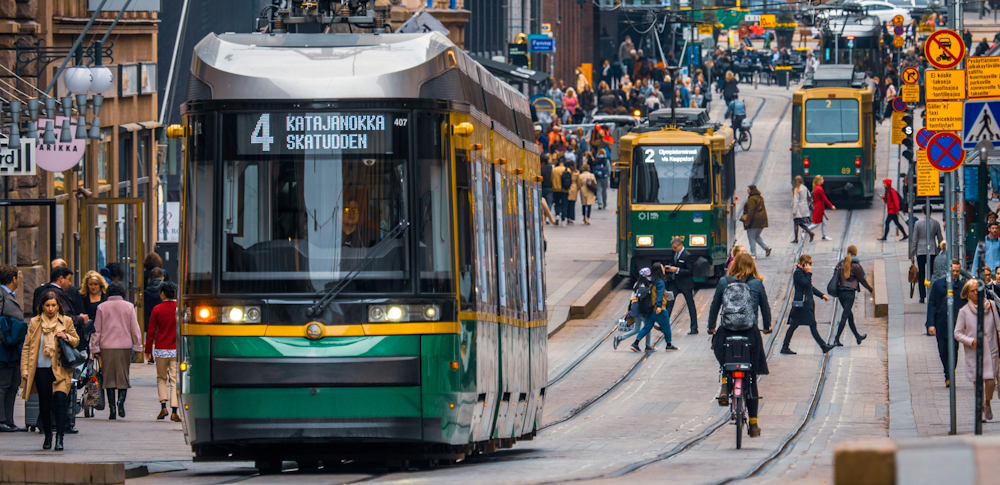
Helsinki Tram in Finland by Tapio Haaja on Unsplash

Public transport in Finland is well organised and efficient, but it can be costly. Discount cards can reduce fares, and many expats find that a bicycle or a good pair of shoes covers most daily travel.

Helsinki has the most extensive transport network in the country, with trams, a metro, commuter rail, buses, and ferries all under a single fare system. The city has over 750 miles (1,200km) of dedicated cycle paths. Intercity trains connect Helsinki to Tampere, Turku, and Oulu at high speeds. In rural areas, a car is near essential, as bus services can be infrequent.

Public Transport in Helsinki

Climate and weather in Finland

For a country so far north, Finland has a milder climate than one might expect. Finland has an extreme swing between summer and winter. Winters are bitterly cold, and temperatures drop well below zero in many areas, particularly in northern Lapland. Summer, by contrast, can be surprisingly warm.

In the far north, the sun does not set for about 73 days during summer, while in winter, the sun remains below the horizon for a 51-day stretch: a feature of life in Finland that expats often struggle to come to terms with.

Climate Charts for Finland

Finland rewards those who come prepared to meet it on its own terms. The adjustment is real, but so is the quality of life on the other side of it.


Fast facts
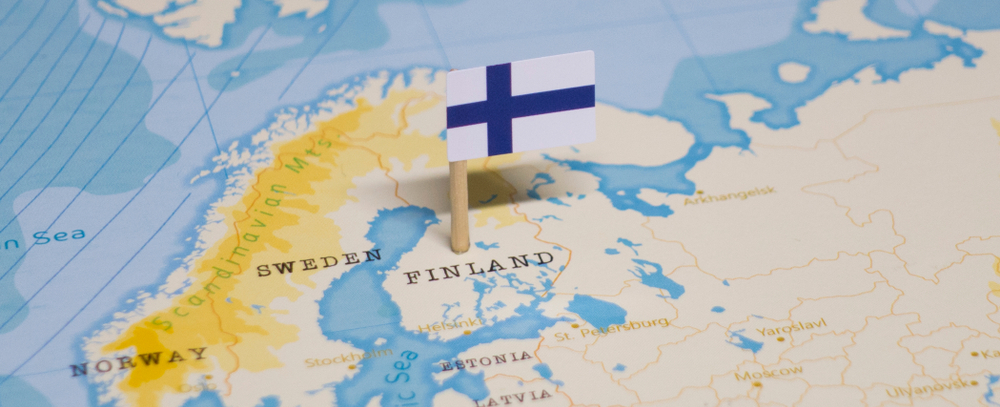
Population: Around 5.6 million

Capital city: Helsinki

Neighbouring countries: Finland is bordered by Sweden to the west, Norway to the north and Russia to the east.

Geography: Finland’s terrain is mostly flat, with around 70 percent of the country covered in dense forest. In Lapland, to the north, are low mountains, and further south lies the Åland archipelago. Eastern Finland is littered with thousands of lakes.

Political system: Unitary parliamentary republic

Major religions: Christian (predominantly Evangelical Lutheran)

Main language: Finnish, as well as Swedish and Sámi, a recognised regional language

Money: The currency used in Finland is the Euro (EUR), which can be divided into 100 cents. ATMs and card facilities are readily available throughout the country’s urban centres.

Time: GMT+2 (GMT+3 between March and October)

Electricity: 230V, 50Hz. Plugs with two round pins are used throughout the country.

Internet domain: .fi

International dialling code: +358

Emergency contacts: 112

Transport: Finns drive on the right-hand side of the road. Major centres like Helsinki have excellent public transport systems, and the country’s intercity trains are efficient and accessible.


Cost of Living in Finland

The cost of living in Finland is undeniably high, even by European standards. If you’re from a country with a lower cost of living, you may find the higher prices a shock and difficult to adjust to. It’s therefore worth considering the cost of goods before negotiating a suitable salary with prospective employers.

Prices in urban areas, especially in the capital, Helsinki, are significantly higher than in other parts of Finland, particularly for accommodation. Helsinki is among the pricier cities in Europe, broadly in the same tier as Vienna and Hamburg, although still well below Scandinavian neighbours such as Oslo and Copenhagen.

With a job in place, you can plan and budget accordingly. While many goods and services come with a hefty price tag, Finland’s excellent universal public education and healthcare systems help balance overall living expenses.


Cost of accommodation in Finland

The cost of accommodation in Finland is high, especially in the capital, Helsinki. Rent can take up a sizeable portion of your income, although rates are generally lower the farther away from city centres you get. Of course, this is something you will have to weigh up – the time and financial cost of a daily commute into the city for lower rent versus the convenience and liveliness of city living.

Rent also depends on how furnished the living space is; you should keep this in mind when inspecting accommodation. The cost of buying furniture can add up and may be a preference only for long-term residents. Utilities are an extra expense. Water and heating are often included in the rent, but electricity and internet are not.

Finding Accommodation in Helsinki 
Best Neighbourhoods in Helsinki


Cost of transport in Finland

The cost of transport in Finland is steep, but the public network is efficient and well connected in urban areas. A monthly pass or travel card will soften the blow if you commute daily.

The capital city, Helsinki, is quite walkable and has extensive cycle paths, making walking and cycling feasible and healthy alternatives for getting around.

Getting Around in Helsinki


Cost of groceries in Finland

The cost of groceries in Finland can take you by surprise. While clothing can be pricey, there are always more affordable options, seasonal sales and the opportunity to buy second-hand. Your expenditure largely depends on your lifestyle choices, income level and budgeting decisions. Once you get more settled, you may find places with better deals, supermarkets, and shops where you can go for the best prices and discounts.

Supermarkets such as Lidl, Sale, and K Market are known for offering sizeable discounts and loyalty programme benefits. Some products with orange labels may have discounts of up to 70 percent, but these will be close to their sell-by date, so you should be aware of this.


Cost of entertainment and eating out in Finland

When it comes to entertainment in Finland, you may find that the costs are high. In Helsinki, cinema tickets, theatre performances and live music events can be considerably pricier than in other European countries. Alternative options include attending free or low-cost events at cultural centres, art galleries, and local festivals. Finland’s beautiful outdoors offers many enjoyable and affordable activities, such as hiking, cycling, and kayaking.

The cost of eating out in Finland can also be rather steep, particularly at trendy or fine-dining establishments. More budget-friendly options are available, such as local markets, which offer reasonably priced fresh produce and ready-made dishes. Affordable eateries and street food vendors serve a variety of Finnish cuisine. Traditional dishes like Karelian pasties and fried vendace are well worth trying.

The Finnish tradition of the kahvila, or coffee shop, is another fine way to enjoy a light meal and soak up local culture on a shoestring. Finland is one of the world’s biggest per capita consumers of coffee, and kahvitauko (the coffee break) is practically a national institution.

Lifestyle in Helsinki


Cost of education in Finland

The cost of education in Finland is tempered by one of the world’s most comprehensive public systems.

Subsidised early childhood education is available from around nine months of age, and fees are set on a sliding scale based on family income; lower-income families may pay nothing at all. Parents who choose to care for children under three at home can apply for a national home care allowance (kotihoidontuki) through Kela.

Public schooling is free, including free school healthcare, daily lunch, books and materials. Since 2021, compulsory education has been extended to age 18, and upper secondary students within this age bracket receive textbooks, materials, and even a laptop free of charge.

For many expats, the issue may be the language. The language of instruction in public schools is mainly Finnish or Swedish, so if you’re only staying for a short while or have older children, enrolling your youngsters in a private or international school may be the best option. These options can be pricey, though.

Tertiary education is free for students from the EU, EEA, and Switzerland, while other international students must pay tuition for programmes taught in English. Still, all tertiary programmes taught in Swedish or Finnish are free to everyone, including international students.

Education and Schools in Helsinki 
International Schools in Helsinki


Cost of healthcare in Finland

The cost of healthcare in Finland is kept low through a universal system funded by taxation. Everyone is entitled to public health services regardless of income, although patients pay small co-payment fees at each visit.

Employers are legally required to provide occupational healthcare (työterveyshuolto), which covers preventive health assessments and workplace safety. Most employers go further and include GP-level medical care, although the scope varies by contract. Private insurance remains a good idea, particularly before you are registered with Kela.


Cost of living in Finland chart

Prices are listed in euros (EUR) and may vary depending on the product and service provider. The list below shows average prices for Helsinki in May 2026.

Accommodation (monthly rent)
One-bedroom apartment in the city centreEUR 1,050
One-bedroom apartment outside the city centreEUR 785
Three-bedroom apartment in the city centreEUR 1,930
Three-bedroom apartment outside the city centreEUR 1,390
Shopping
Eggs (dozen)EUR 3.60
Milk (1 litre)EUR 1.35
Rice (1kg)EUR 2.40
Loaf of white breadEUR 2.40
Chicken breasts (1kg)EUR 12.25
Cheese (500g)EUR 9.80
Eating out
Three-course meal for two at a mid-range restaurantEUR 70
Big Mac MealEUR 12.25
Coca-Cola (330ml)EUR 1.75
CappuccinoEUR 4.85
Local draft beer (500ml)EUR 8
Utilities
Mobile phone monthly plan with calls and dataEUR 25
Internet (uncapped broadband – average per month)EUR 21
Basic utilities (average per month for a standard household)EUR 90
Transport
Taxi rate (per kilometre)EUR 1.90
Bus/train fare in the city centreEUR 3.30
Gasoline/petrol (per litre)EUR 1.95

Doing Business in Finland

Doing business in Finland is made easier by the country’s excellent social welfare system, which helps integrate you into society, including helping you look for jobs and learn Finnish or Swedish to reduce language barriers in the workplace.

To look for employment, job portals are your best bet. Nowadays, you are likely to find jobs in the healthcare and IT sectors, but there are also many opportunities in the service industry and entrepreneurial projects.

Finland’s efficient economy is reflected in how well and easily business is conducted. The country promotes entrepreneurship and makes starting a business easier by lowering fees and reducing processing times for online business registrations.

When relocating to Finland, you should take time to understand business culture and etiquette to avoid confusion in business and social settings. Here are some key points to consider.


Fast facts

Business hours

Finland’s workweek is 40 hours, and office hours are normally Monday to Friday, 8am to 4pm, with a lunch break of around 30 minutes to one hour.

Business language

Finnish and Swedish are the country’s official languages. Although learning the language is difficult, you should make an effort to learn at least some Finnish. Free or subsidised Finnish language courses are available to residents through integration training, adult education centres, and open university programmes.

Dress

Business dress is generally conservative, formal, and stylish, often in dark suits or dresses.

Gifts

Gift giving is not common in business settings. When invited to a Finn’s house, chocolate, wine, or flowers are suitable options. Avoid white or yellow flowers and potted plants, as these are associated with funerals.

Gender equality

Finland has strong gender equality standards that are reflected in its employment practices, and most women with children continue to work. Finland ranks second globally on the World Economic Forum’s Gender Gap Index, although a gender pay gap persists and remains the subject of active government policy.

Greetings

A firm handshake with a smile and direct eye contact are the norm with greetings. Finnish colleagues call each other by their first names in nearly all settings, and even senior managers are typically addressed this way. When meeting someone for the first time, it is customary to introduce yourself with your first and last name.


Business culture in Finland

 Photo of people shaking hands by Thirdman from Pexels

Business culture in Finland prizes egalitarianism and straight talking.

Communication

Finns are normally direct. Communication is fairly open, although personal topics such as salary, religion, and politics are best avoided until you know someone well. Conversational tones should be moderate, courteous, and respectful, without interrupting anyone.

Hierarchy

Finns take pride in their egalitarian society and culture. As such, the workplace hierarchy tends to be flat with open communication, and junior staff members are often given authority to make decisions.

Relationships

Long-term relationships are valued, although small talk in formal business settings isn’t. Relationships and friendships are built in more informal settings. Restaurants and saunas are both popular places to get to know colleagues better.

Values

Punctuality is valued in Finland; working hours and meeting times should be adhered to. You should let your colleagues and peers know if you expect to arrive late.


Dos and don’ts of business in Finland

  • Do realise that Finnish people love their coffee, and they drink it throughout the working day 
  • Do be humble and modest 
  • Do say what needs to be said in business meetings, getting straight to the point, avoiding small talk 
  • Do manage your time well 
  • Do exchange business cards when meeting for the first time; there is no elaborate ritual, but treat the card you receive with respect 
  • Don’t interrupt when someone is speaking, as this is rude 
  • Don’t be late; punctuality matters in both business and social situations 
  • Don’t ask personal questions about salary, religion, or politics, particularly with people you have just met 
  • Don’t drink alcohol at lunch; Finns rarely do, and a clear head during business hours is expected 
  • Don’t be surprised if you get invited to a sauna; Finland has roughly 3 million of them for a population of around 5.6 million, and the sauna is central to social life

Working in Finland

Working in Finland appeals to many expats, drawn by a developed, high-income economy and one of the highest standards of living in Europe. Finding a job can be a challenge, and expats need to be aware of required permits, tax regulations, and other issues, including recognition of certain foreign qualifications. There are gaps in the job market, though, particularly in healthcare and technology, that foreign nationals can fill.

For an expat to work in Finland, a residence permit is normally required. Exceptions to this include citizens of EU countries, Iceland, Liechtenstein, Norway, and Switzerland, and other foreign nationals with a valid visa or Schengen residence permit. For expats with jobs already secured, the residence permit process is dependent on the type of work. For specific information on the need for and types of work and residence permits, contact the relevant Finnish embassy or the Finnish Immigration Service (Migri) directly.

When working in Finland, expats must have a tax card and follow tax regulations, paying tax on their income both from abroad and in the country. Another aspect of working life in Finland is that a large proportion of employees are trade union members. Membership fees, typically 1 to 2 percent of salary, are tax-deductible.

To secure employment, expats should understand the job market, how to go about their search, and the Finnish approach to business and work culture.


Job market in Finland

The service sector makes up a substantial portion of the workforce, with the government being a significant employer. Jobs can be found across the public and private sectors in education, healthcare, hospitality, transport and commerce. Some of these industries have labour shortages, including IT, healthcare, and hospitality, which leaves the door open for foreign nationals to secure jobs.

Teaching English as a foreign language in Finland is another popular opportunity, as English is in high demand. Expats are likely to find work as freelance teachers, giving lessons to everyone from businesspeople to children at winter camps.

Entrepreneurship is actively promoted, and starting a business has been made easier in recent years. As a result, more small and medium-sized businesses have been springing up and are looking internationally for employees.

New arrivals must also understand that certain foreign qualifications may not be recognised, particularly for some doctors and lawyers. For these cases, further training, as well as language proficiency in Finnish, may be required.


Finding a job in Finland

When relocating, looking for work may be stressful. Some new arrivals may already have a job secured through a transfer from their company, but for those who don’t have employment secured, job portals would be the go-to option to seek employment.

Thanks to its great social welfare system, Finland extends its support to foreigners just as it would to its citizens. Expats are encouraged to be income generators who help boost the economy and live happier lives in general. New arrivals can easily find support in job searching as well as in integrating into their new homes and society.

One major contribution is the opportunity to learn Finnish or Swedish through free language courses offered by universities, open learning programmes, and integration services. For some large companies and sectors, such as IT or teaching English as a foreign language, being able to communicate fluently in Finnish is obviously less important. Unfortunately, the job market is not altogether easy to enter as a foreigner, and so learning Finnish will be a great benefit when looking for and securing a job.

On top of language, experience is also important. Recent graduates with little experience may find it harder to secure employment in Finland compared to those with more years of experience.

Visas in Finland
Work Permits in Finland

Useful links


Work culture in Finland

Finland consistently ranks among the top countries in the world for work-life balance, and its work culture reflects this. The legal maximum workweek is 40 hours, although many collective agreements bring this down to 37.5 hours in practice. Employees with more than a year of service are entitled to five weeks of paid annual leave, much of which is typically taken during the summer months. Time management is important in Finnish culture, and employees make sure to produce and complete their tasks in the allocated work time.

Finnish workers typically experience flat hierarchies, and it is quite normal for colleagues to refer to each other by name rather than by title. Business communication is normally quite open, and Finnish employees are generally free to speak their minds. Courtesy and politeness are still highly valued. Punctuality is also important both in work culture and in social settings.

Business Culture in Finland

Pros and Cons of Moving to Finland

The pros and cons of moving to Finland start with a striking headline: the country has topped the World Happiness Report every year since 2018. Famous for its saunas, the northern lights and for being the home of Santa Claus, Finland draws newcomers from all over the world. The Nordic country has plenty going for it, but life here comes with trade-offs worth understanding before you pack your bags.

Below are some of the key pros and cons of moving to Finland.


Healthcare in Finland

+ PRO: Universal healthcare

The healthcare system in Finland is both accessible and low cost. Public healthcare covers everything from routine check-ups to emergency care, and emergency treatment is available to everyone regardless of nationality.

- CON: Bureaucracy and wait times

To take full advantage of the healthcare system, you need to register with the municipality you live in and enrol with Finland’s Social Insurance Institution (Kela). The process is quite slow and can be confusing to new arrivals. Wait times for non-urgent visits can also be weeks long, and many expats get private health insurance to cover the gap.


Education in Finland

Children in classroom stock image

+ PRO: Excellent quality public education

Not only is the standard of public schooling in Finland high, but it is also free. The system may be unfamiliar at first, with children receiving little homework and having longer recess periods than expats may be used to, but ultimately, learning is highly valued. Teachers are highly respected and required to hold a master’s degree, so the quality of instruction is consistently strong. Adults can also access free or subsidised Finnish and Swedish language courses through higher education institutions and government integration programmes across the country.

- CON: Language barriers

Expats with children moving for only a short while may find it difficult to access schooling due to the language barriers. Education is mainly in Finnish and Swedish, both of which can be difficult to learn as an additional language. That said, support systems and preparatory classes exist to integrate all students with diverse backgrounds and abilities.

Education in Finland


Accommodation in Finland

+ PRO: Most areas are accessible by public transport

If the city centre proves too expensive or families are more drawn to suburban life, transport and commuting needn’t be a concern. Buses, trams, trains, the metro and even ferries connect Helsinki’s city centre to surrounding areas through the HSL network.

- CON: State-subsidised housing is hard to get

Expats looking for cheaper accommodation can apply for state-subsidised rental housing. Given the high demand for this, it can take considerable time before an offer is made, and many expats rent privately in the meantime. Applicants are prioritised based on housing need and financial circumstances. However, it’s a real boon: Rents are regulated and lower than the private market. 

Areas in Finland 
Accommodation in Finland


Lifestyle and culture in Finland

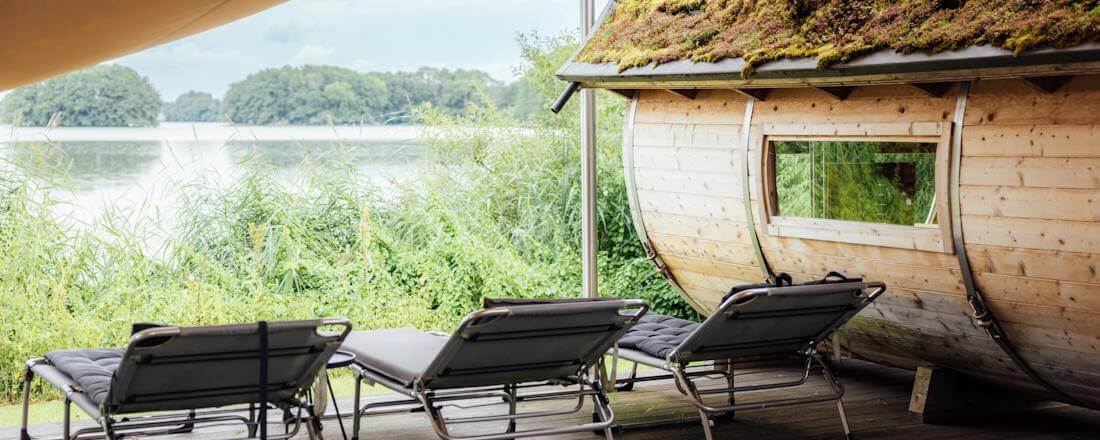
Sunloungers beside a sauna room by Filipp Romanovski

+ PRO: Sauna culture

Sauna culture runs deep in Finland: the country has an estimated 3.3 million saunas for a population of 5.6 million, and UNESCO recognises the tradition as intangible cultural heritage. The word ‘sauna’ itself is Finnish. Newcomers soon learn that the sauna is less a luxury than a way of life, and a brilliant antidote to the long winters.

+ PRO: Finland is a safe country

Finland ranked 10th on the 2025 Global Peace Index and third in the world for safety and security. You can walk alone at night without a second thought; children play outdoors freely. It is that kind of place.

- CON: Local friendships can take time

Finns tend to come across as reserved: small talk is not common in Finnish circles, and personal space is highly valued. The best way to make friends in Finland is to find a shared activity and let familiarity build over time. Shared hobbies or community groups are often the best way to make friends, and even a few Finnish phrases will go a long way.

Lifestyle in Finland 
Family Life in Finland


Cost of living in Finland

+ PRO: Greater purchasing power

The cost of living in Finland is high, and newcomers from countries with lower price levels may need time to adjust. Salaries tend to match, though; most expats find that decent wages and strong public services give them solid purchasing power once they settle in.

- CON: High taxes

One of the reasons for the high cost of living is the high rate of taxes. A significant portion of salaries goes to taxes, which can be a shock to new employees. This is the cost of universal access to healthcare and education, efficient public transport, and other amenities, and most expats agree it’s worth it.

Cost of Living in Finland


Working in Finland

+ PRO: Egalitarian work culture

Like other aspects of the culture, the workplace is egalitarian. There is no strict hierarchy; employees of various job titles mix freely with one another, and offices are often open plan and level.

- CON: Difficult to enter the job market

Finding a job in Finland can be tough, especially if you don’t have Finnish language skills. The smoothest route for expats is to secure a position before you move. Jobseekers on Finnish ground will need to network actively and invest real time in learning Finnish, as many sectors require it.

Working in Finland 
Jobs in Finland


Getting around in Finland

+ PRO: Helsinki is walkable

Helsinki is a compact, walkable city, and the capital is actively expanding its pedestrian zones and car-free infrastructure. The terrain is relatively flat, so getting around on foot is easy. Park-and-ride facilities at metro and train stations let drivers leave their cars on the outskirts and continue into the centre by public transport.

- CON: Air travel is expensive

Some areas of Finland are relatively remote, and air travel can be costly. Expats who make regular trips abroad and to their home country will need to factor this in.

Transport in Finland


Weather in Finland

Aurora Borealis by Tobias Bjørkli

- CON: Cold and dark winters

Finland may top the global happiness rankings, but Seasonal Affective Disorder (SAD) is common. Roughly one in 10 Finns experiences symptoms during the dark months. The country can get bitterly cold, and daylight hours in winter are short, leaving residents in the cold and dark.

The climate is not something to be ignored when planning a move, as it could make or break your stay. Finns rely on light therapy lamps and plenty of sauna time to ride out the dark season.

+ PRO: Northern lights are visible in Finland

One of the greatest phenomena in the world is the aurora borealis, and Lapland in northern Finland offers a fantastic opportunity to witness this wonder. It is visible over half the year in Lapland, but can also be marvelled at on several days in other regions of the country.

Weather in Finland

Articles about Finland

Weather in Finland

The weather in Finland is milder than one might expect, given how far north the country is located. In general, Finland experiences a marked swing between summer and winter, with bitterly cold winters when temperatures drop to -4°F (-20°C) in many areas, particularly in northern Lapland. Summer, by contrast, can be surprisingly warm, as temperatures can rise to 68°F (20°C) or more. Temperatures as high as 86°F (30°C) are possible in the south and east of the country.

The capital, Helsinki, is temperate, varying between an average of 63°F (17°C) in July and 23°F (-5°C) in February. January and February are the coldest months in Finland, and July is the warmest. Snow usually covers the ground in southern Finland from December to March, and in northern Finland from October to April.

In the far north, the sun does not set for about 73 days during summer. In winter, the sun stays below the horizon for 51 days at Finland’s northernmost point. Even in Helsinki, the shortest winter days offer fewer than six hours of daylight, a reality that expats may find difficult to adjust to. The winter night sky, especially in northern Finland, is often lit up by the magical dancing light of the aurora borealis. Ultimately, expats should be prepared for unpredictable weather and are encouraged to check the forecast every morning before leaving home.


Visas for Finland

Visas for Finland follow the Schengen framework, and the country’s status as an EU/EEA member state means that EU and EEA nationals can live and work there without a visa or residence permit. Citizens of the USA, Australia, Japan, and some other countries also benefit from visa-free short stays. Non-EU nationals who plan to stay longer than 90 days will generally need a residence permit, and Finland has tightened its immigration requirements in recent years.

After late 2026, the European Travel Information and Authorisation System (ETIAS) becomes mandatory, and visa-exempt non-EU nationals will need to obtain pre-travel authorisation before visiting any Schengen country, including Finland. Travellers should check the official ETIAS website for the confirmed launch date and requirements.


Tourist visas for Finland

Tourist visas for Finland are not required by nationals of Nordic countries, the USA, Australia, Monaco, and Japan, among others. Those from countries that do not have visa agreements with Finland will need to apply for a tourist visa to enter the country legally.

Tourist visas are typically valid for 90 days during a 180-day period. Those looking to travel to Finland for tourism, business, or family visit purposes must ensure their passport will be valid for at least three months after their intended departure from the Schengen zone. The passport must also have been issued within the previous 10 years. It is also essential to secure travel insurance and provide proof of accommodation, funds and a return ticket.

Some expat visitors may be required to write a cover letter detailing the reason for their visit to Finland. Those invited to Finland by a friend or family member can submit an invitation letter with their Schengen visa application. The letter must include the details of the family member or friend, as well as their residence status in Finland.

Useful links


Business visas for Finland

Business visas for Finland are distinct from standard Schengen tourist visas, which do not permit holders to work or study. Expats must therefore ensure they apply for the correct visa type. The Business Schengen Visa for Finland will allow holders to perform business activities in the country at the invitation of a Finnish company.

New arrivals will need to submit an invitation letter, proof of funds and a letter from their employer stating the reason for their travels to Finland and the intended duration of their stay. The company will be expected to submit additional documents, such as its trade licence, memorandum, and articles of association.


Work permits for Finland

Work permits for Finland are tied to residence permits for non-EU and non-EEA nationals who plan to stay longer than 90 days. It is not possible to secure a work permit before receiving a job offer. Expats must submit their employment contract along with their university qualifications and proof of professional experience.

Only those undertaking seasonal work in Finland will be exempt from the university degree requirement. Seasonal workers from visa-exempt countries who will be in the country for no more than 90 days need a seasonal work certificate rather than a residence permit. Those staying between three and nine months require a residence permit for seasonal work.

Work Permits for Finland


Residence permits for Finland

Residence permits for Finland are required by most non-EU expats who wish to work and live in the country. EU nationals have the right to live and work in Finland, so this will not be a necessity for them. There are multiple types of resident permits available for newcomers looking to work in Finland. These include those for specialists, seasonal workers, interns, startup entrepreneurs and media representatives, among others.

Those who are EU Blue Card holders or those coming to Finland to work as specialists, startup entrepreneurs or managers with an ICT residence permit in top or middle management can fast-track their residence permit application.

Holders of these residence permits are eligible for D visas, which allow them to immediately travel to Finland and forego the usual one or two-week wait other expats may be subjected to.

Expats can become eligible for permanent residency status in Finland after holding a continuous residence permit for six years, provided they also demonstrate satisfactory Finnish or Swedish language skills and at least two years of work history. A four-year path is also open to applicants who meet stricter criteria, such as a high annual income or a postgraduate degree recognised in Finland.

Finnish citizenship requires eight years of continuous legal residence in the country, although applicants who demonstrate the required Finnish or Swedish language skills may qualify after five years.

Useful links

Visa regulations are subject to change at short notice, and expats should contact their respective embassy or consulate for the latest details.

Work permits for Finland

Non-EU nationals will need work permits for Finland, and it is illegal to work in the country without one. While EU nationals are exempt from work permit requirements, those planning to stay in Finland for longer than 90 days must register with the Finnish Immigration Service.

Most work permit applications must be supported by a firm job offer, and an expat’s employer will likely handle a significant part of the application process. Employers will also have the burden of proving that no suitable Finnish or EU/EEA candidate could be found to fill the position in question. This labour market test can make the process quite challenging for third-country nationals.

The Finnish government has introduced relaxed regulations for the work permit process, including a residence permit pathway for graduates of Finnish universities who earn above a certain income threshold. The country has established a certification programme for employers that enables them to fast-track their work permit applications, and this employer certification is valid for two years.


Types of work permits for Finland

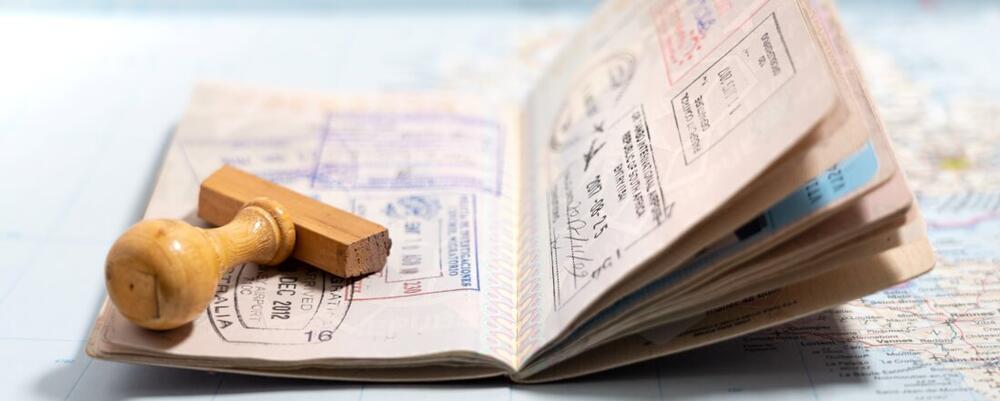
Passport with a stamp stock image

There are two types of work permits in Finland. First-time entrants to Finland will likely be eligible for a fixed-term work permit tied to a specific employer and job. This work permit will be valid for the duration of the employment contract.

The other type of work permit is a continuous work permit, granted to those who have been working in Finland for multiple years and have secured a permanent employment contract. The continuous work permit is indefinitely valid and can lead to a permanent residency permit for holders who have lived and worked in Finland for six consecutive years or more. There are accelerated pathways for high earners, holders of Finnish higher education degrees, and those with advanced Finnish or Swedish language skills. Those with permanent residency status can apply for Finnish citizenship after holding continuous residence for eight years.

As of 2025, workers with work-based residence permits have a protection period if their employment is ended prematurely. If they suddenly lose their jobs, most workers will have three months to find a new one; specialists and those who have been residing in Finland with a work-based permit for over two years have six months.

When someone with a work-based residence permit leaves their job early, their employer is legally required to notify the Finnish Immigration Service within 14 days. If they cannot find a new job by the end of the three- to six-month protection period, they may lose their residence permit.

Useful links


Applying for a work permit for Finland

The process for applying for a work permit will differ based on whether an expat is applying for a fixed or continuous work permit. Those moving to Finland who are looking to secure a fixed work permit will have their employers oversee the application process. Some applicants may be able to fast-track their applications and move to Finland immediately.

The Finnish Immigration Service will review the application and conduct a labour market test to determine if any local or EU/EEA applicants could fulfil the job requirements. If an expat’s application is approved, they will then need to begin their residence permit application process at the Finnish embassy or consulate in their home country.

Useful links

Visa regulations are subject to change at short notice, and expats should contact their respective embassy or consulate for the latest details.