
Living in Finland as an expat
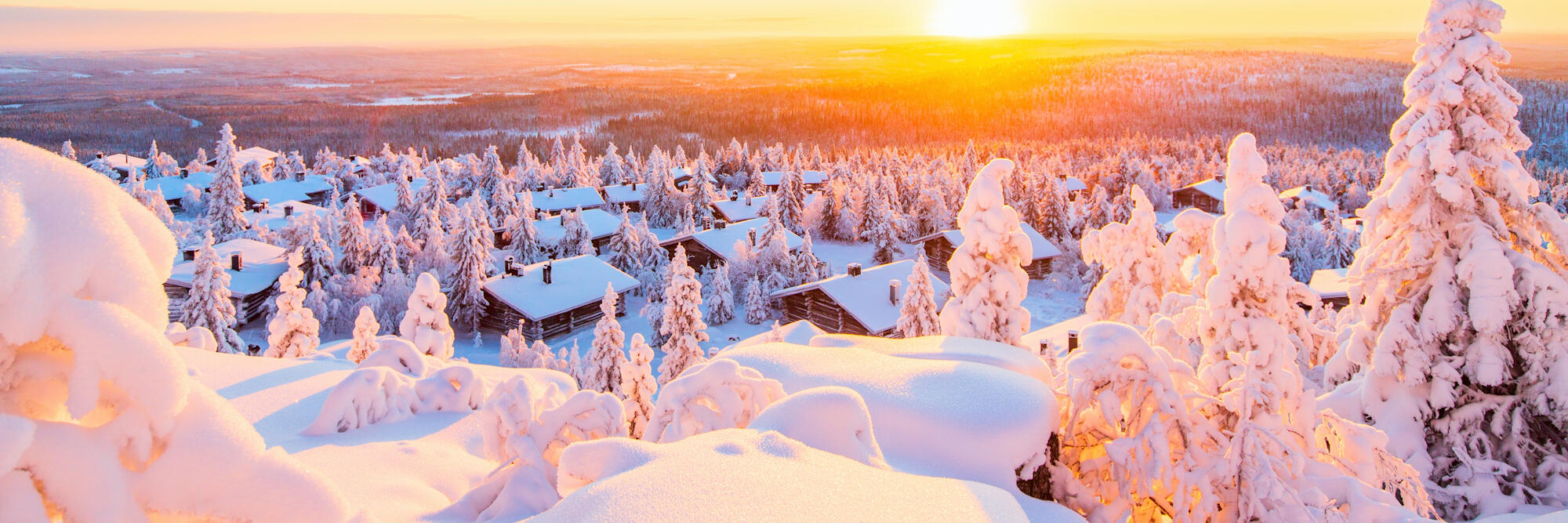
Expats moving to Finland should prepare themselves for life in the easternmost country of the Nordic region and one of the largest countries in Europe, not to mention one of its most picturesque. Travellers and expats alike are attracted to the country’s gorgeous scenery, cleanliness, efficient economy and famously happy population.
As Finland’s capital and largest city, Helsinki spills across a group of Baltic islands and promontories, and its smart new suburbs extend into the verdant forests and countryside. The city is one of Europe’s most modern and culturally progressive places, yet it remains rooted in a history that stretches back over centuries.
Finland scores highly in international rankings in many categories, not just in the GDP stakes but also in social support, generosity and freedom of choice. The country is said to be one of the happiest and most well governed in the world, and new arrivals may be pleasantly surprised at how easy it is to adapt.
Working in Finland
The work culture in Finland is built on trust and flat hierarchies. Employers respect your personal time, and colleagues address one another by first name.
Finland’s job market is competitive, and it’s particularly difficult for newcomers who do not yet speak Finnish to break in. Technology and healthcare are the sectors with the strongest demand. The Finnish government has launched dedicated programmes to actively court international talent, and some specialists can qualify to fast-track their Finnish residence permits.
Finding a Job in Finland
Visas and Residence Permits for Finland
Work Permits for Finland
Finnish culture
It may take expats a while to adapt to cultural differences in Finland. The general perception is that Finns are reserved and quiet people, although this isn’t always the case with younger generations. Small talk is not a Finnish forte, and strangers who attempt it are sometimes met with suspicion. Expats would do well to learn Finnish before they move, but English is also widely spoken. Finns tend to mean what they say; words carry real weight, and a promise made is a promise kept. For expats, this directness can feel stark at first, but most come to appreciate it.
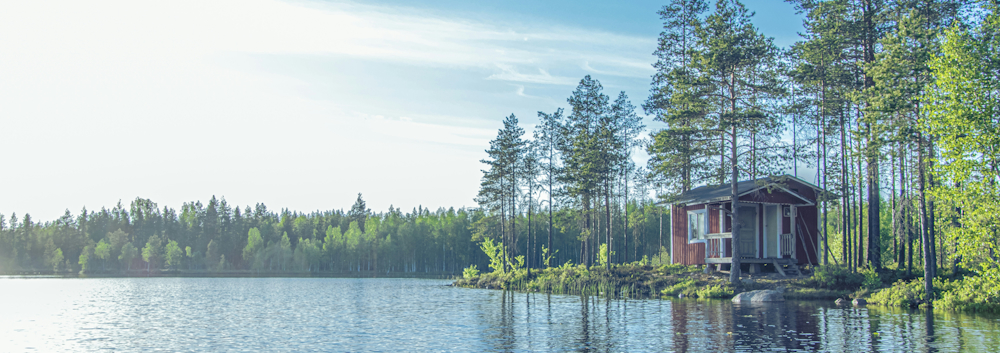
Sauna is at the heart of Finnish identity. The country has roughly 3 million saunas for a population of about 5.6 million; it is common for homes and offices alike to have one, and even the parliament has its own. Equally central is the concept of jokamiehenoikeudet, or ‘everyman’s rights’, which grants everyone the legal freedom to wander freely in nature and set up camp on uncultivated land.
Finding accommodation in Finland
The most important factor behind housing costs in Finland is the shortage of spacious accommodation in metropolitan areas. The search for larger homes often forces families with children to settle in the outer municipalities or farther afield. The result is a longer commute and greater dependence on cars.
Most expats choose to rent a home rather than buy. Rental accommodation is available through both private landlords and municipal organisations, but the wait for subsidised apartments can be long. Competition for rentals in Helsinki is fierce, and expats frequently report that landlords prefer tenants who speak Finnish. Rental properties in Finland may come completely bare-bones without even light fittings or carpets, which can surprise newcomers. Furnished apartments are scarce and more expensive.
Best Places to Live in Helsinki
Cost of living in Finland
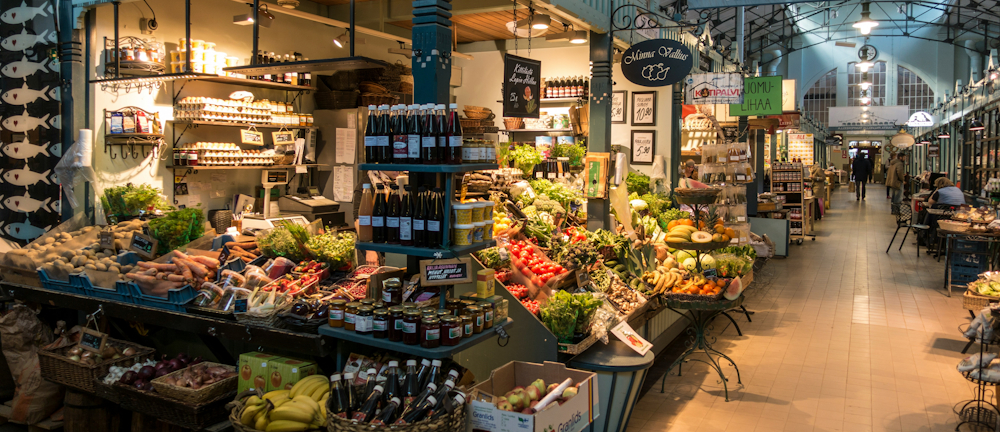
The cost of living in Finland is undeniably high, even by European standards. Expats from areas of the world where they may have been used to a lower cost of living will find the higher prices a shock and difficult to adjust to. It therefore pays to factor in local costs when you negotiate a salary with prospective employers.
The country’s tax rates are high, and expats should factor the tax burden into salary negotiations, as take-home pay can be significantly lower than the gross figure.
Living in Finland with children
Thanks to Finland’s abundant outdoor beauty, parents will spend much more time outdoors with their children. The country also has a strong sauna culture that families enjoy year round, and children will get the opportunity to visit museums and zoos.
Healthcare in Finland is mainly provided based on residency and is primarily financed by general tax revenues. There are both public- and private-sector providers. Since 2023, responsibility for public healthcare has shifted from individual municipalities to 21 regional wellbeing services counties. Services are still delivered through local health centres.
Lifestyle, Kids and Family in Helsinki
Finding a school in Finland
Education in Finland is compulsory from age seven to 18 for all children, including foreign citizens who reside permanently in the country. Most major cities have high-quality local and international schools, but they are likely to have waiting lists, so it is essential to start your search as early as possible.
Schools and Education in Helsinki
International Schools in Helsinki
Getting around in Finland
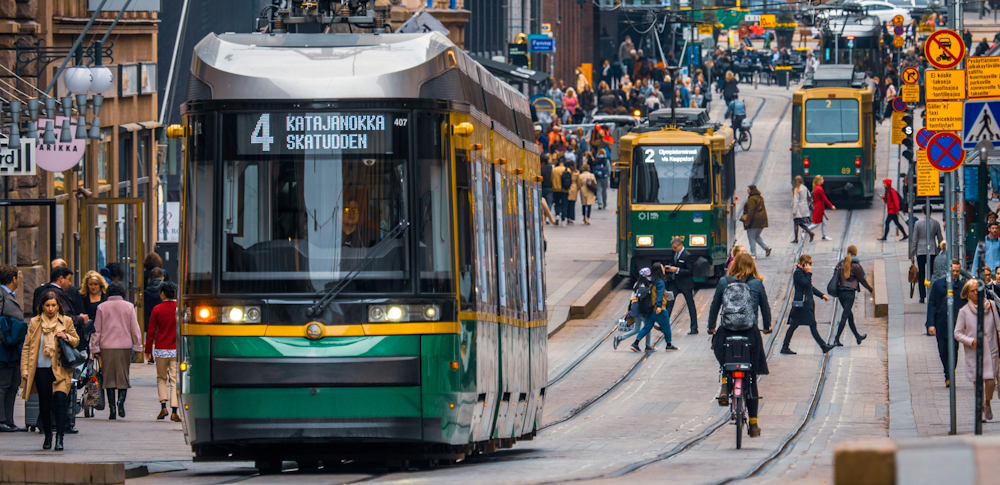
Public transport in Finland is well organised and efficient, but it can be costly. Discount cards can reduce fares, and many expats find that a bicycle or a good pair of shoes covers most daily travel.
Helsinki has the most extensive transport network in the country, with trams, a metro, commuter rail, buses, and ferries all under a single fare system. The city has over 750 miles (1,200km) of dedicated cycle paths. Intercity trains connect Helsinki to Tampere, Turku, and Oulu at high speeds. In rural areas, a car is near essential, as bus services can be infrequent.
Climate and weather in Finland
For a country so far north, Finland has a milder climate than one might expect. Finland has an extreme swing between summer and winter. Winters are bitterly cold, and temperatures drop well below zero in many areas, particularly in northern Lapland. Summer, by contrast, can be surprisingly warm.
In the far north, the sun does not set for more than 70 days during summer, while in winter, the sun remains below the horizon for a 51-day stretch: a feature of life in Finland that expats often struggle to come to terms with.
Finland rewards those who come prepared to meet it on its own terms. The adjustment is real, but so is the quality of life on the other side of it.
Fast facts
Population: Around 5.6 million
Capital city: Helsinki
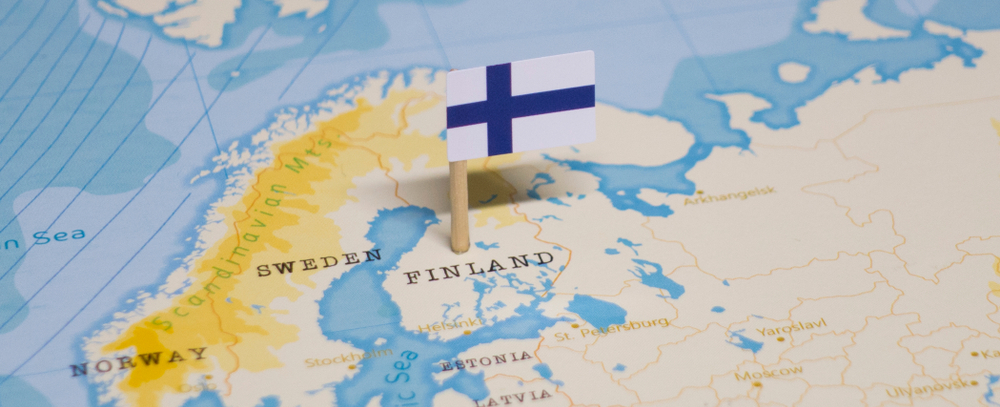
Neighbouring countries: Finland is bordered by Sweden to the west, Norway to the north and Russia to the east.
Geography: Finland’s terrain is mostly flat, with around 70 percent of the country covered in dense forest. In Lapland, to the north, are low mountains, and further south lies the Åland archipelago. Eastern Finland is littered with thousands of lakes.
Political system: Unitary parliamentary republic
Major religions: Christian (predominantly Evangelical Lutheran)
Main language: Finnish, as well as Swedish and Sámi, a recognised regional language
Money: The currency used in Finland is the Euro (EUR), which can be divided into 100 cents. ATMs and card facilities are readily available throughout the country’s urban centres.
Time: GMT+2 (GMT+3 between March and October)
Electricity: 230V, 50Hz. Plugs with two round pins are used throughout the country.
Internet domain: .fi
International dialling code: +358
Emergency contacts: 112
Transport: Finns drive on the right-hand side of the road. Major centres like Helsinki have excellent public transport systems, and the country’s intercity trains are efficient and accessible.