
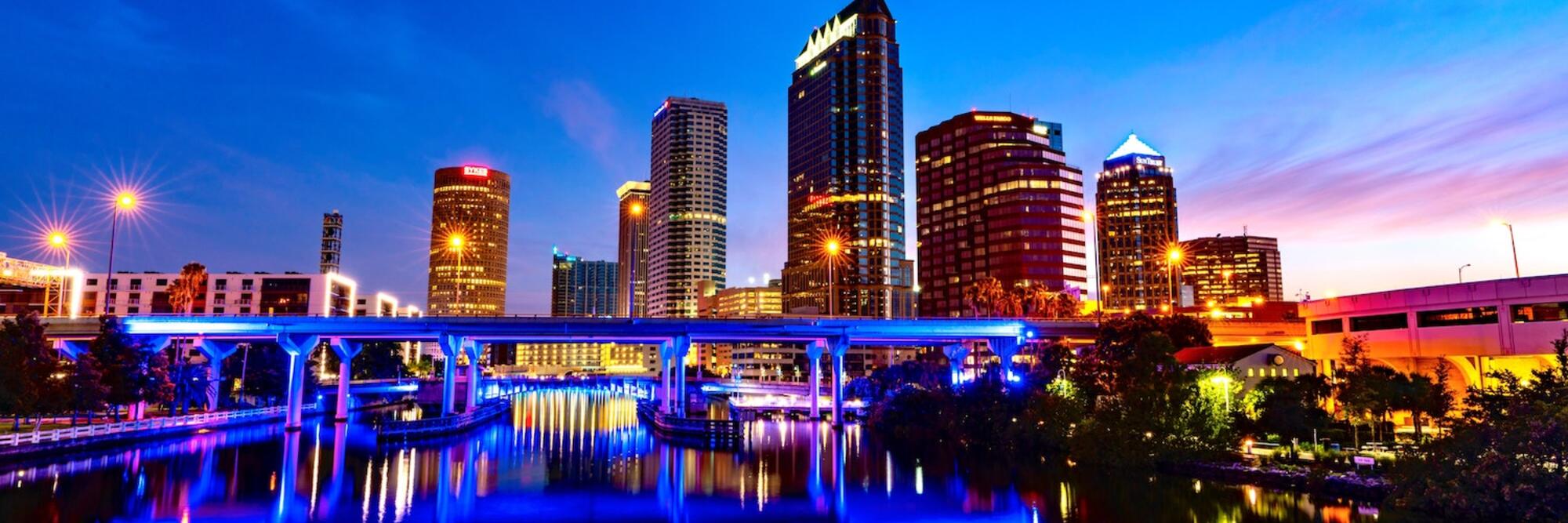
The accommodation in Tampa is varied, and new residents can find something to suit just about every taste and budget. Most newcomers rent initially while they find their feet and get a feel for the city and its neighbourhoods. The renting process is fairly standard and much like what you’d find in most major US cities.
Those who decide to buy property in Tampa later on tend to find it a sound long-term investment. Tampa has attracted new residents year after year, and home values have held up well over the long term.
Areas and suburbs in Tampa
Tampa’s areas and suburbs include six historic districts and more than 80 named neighbourhoods. Whether you want waterfront living or a suburban home on a tree-lined street, you’ll find it here. New arrivals should carefully consider where they live in relation to their workplace and their children’s schools, as Tampa traffic can be heavy.
The revitalised Downtown Tampa is popular with young professionals and single new arrivals who want to be close to city amenities and their workplaces. Downtown Tampa has plenty of apartments and condos, although families can also find the rare detached house.
Families moving to Tampa can also choose from several neighbourhoods with highly rated schools. Historic Hyde Park is a good fit for those who want strong schools alongside easy access to Downtown Tampa. Those with room in their budget often look to Davis Islands. These family-friendly islands are about 10 minutes from downtown and have bike lanes and plenty of green space for children to play outside.
Read Areas and Suburbs in Tampa for more information on the city’s neighbourhoods.
Types of accommodation in Tampa
Across the types of accommodation in Tampa, the standard is generally good. Most buildings are well maintained, and property sizes are generous. When you start your search, you can choose from apartments, condos, duplexes, and larger family houses.
You’ll find modern self-contained apartments within larger buildings in most parts of Tampa. They tend to be reasonably priced and are especially popular in downtown Tampa, where space is limited.
Condos are a compromise between houses and apartments. The major upsides of condo living, especially for newcomers to the city, are more space and the benefits of communal living. Condos are self-contained units within a bigger complex where residents share a range of amenities, including communal swimming pools, gyms, gardens, and laundry facilities.
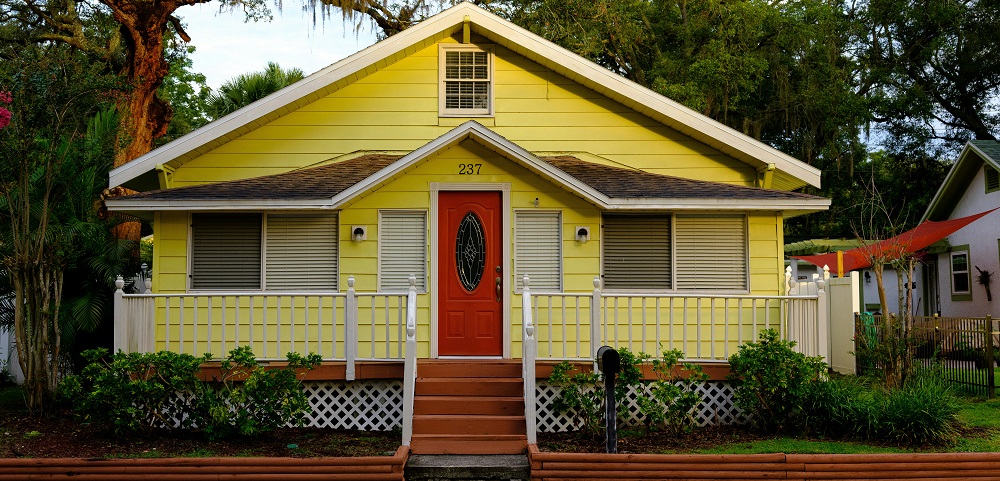
Over half of Tampa residents live in houses, so if you want more space, you’ll find plenty of options. From humble Craftsman-style bungalows to grand Colonial Revival mansions, there are properties to suit various tastes and budgets.
Finding accommodation in Tampa
Start your search for accommodation in Tampa well before you begin planning the physical move. How fast you need to act depends on what you’re after. Apartments are generally easy to come by, but houses in the most sought-after neighbourhoods still get snapped up quickly.
Reputable online property portals are a good place to start. On them, newcomers can get a feel for the property types and price ranges across different areas and suburbs. Social media is worth a look too.
Real estate agents can also be very helpful, as they know the ins and outs of Tampa’s property market. For rentals, the landlord usually pays the agent’s fee, so working with one will rarely cost you anything.
Some newcomers will be lucky enough to have a relocation company working on their behalf. These firms assess your preferences and draw up a shortlist of properties for you to view, which takes much of the legwork out of the search.
Useful links
Renting accommodation in Tampa
For most new arrivals, renting accommodation in Tampa is fairly straightforward. How quickly you need to move depends on the type of home. There’s a large supply of apartments, so you can usually take your time, whereas houses and rentals in the most popular neighbourhoods go fast.

Making an application
Credit and reference checks are standard when applying to rent in Tampa, which can be a hurdle if you’ve just arrived in the US. Expats moving to Tampa should open a US bank account and get a Social Security number as soon as they can. Without a US credit history, you may be asked for a larger deposit or extra references.
Leases
A lease in Tampa is usually a year long, and you can renew it at the end of the initial term. You can sometimes arrange a shorter lease, although that’s at the landlord’s discretion. If you want to negotiate the terms, try to do it outside the busy winter months, when snowbirds arrive and rentals are harder to come by.
Deposits and fees
Anyone renting in Tampa will usually pay a security deposit of one to two months’ rent to secure the lease. Deposits are fully refundable at the end of the lease, provided you leave the property in good condition. It’s worth carrying out a detailed inventory at the start and end of the tenancy, because the landlord will deduct the cost of any damage from your deposit.
Terminating the lease
When your lease ends depends on the type of agreement you signed. A fixed-term lease normally ends on the date in the contract, and you don’t need to give notice unless the lease says otherwise. Check whether yours includes a non-renewal clause.
The required notice is often between 30 and 60 days. If your tenancy has rolled over into a month-to-month arrangement, both you and the landlord must give at least 30 days’ written notice before the end of a rental period, under Florida law. Leaving a fixed-term lease early can make you liable for the remaining rent, unless the lease has an early termination clause or the landlord manages to relet the property.
Read Accommodation in the USA to learn more about the rental process across the country.
Utilities in Tampa
Responsibility for utilities in Tampa is split between the landlord and the tenant, so read your lease carefully to see which ones are included. Landlords usually cover the basics, such as water and electricity, while extras like internet and cable TV are down to the tenant. Gas and electricity bills both arrive monthly, and there are several different ways to pay.

Electricity
Tampa Electric supplies electricity across the city. When you move in, you’ll need to open a new account or transfer the existing one into your name. You can submit a service request by phone or on the Tampa Electric website. It’s a good idea to put the request in at least five days before you move, so your power’s on when you arrive. You’ll need to provide proof of identity, proof of address, and your Social Security number, and you’ll also pay a security deposit.
Gas
Peoples Gas supplies most of Tampa’s natural gas. Like electricity, setting it up is simple, and you can do it online or by phone. You’ll submit documents such as proof of address, proof of identity, and your Social Security number, and Peoples Gas will ask for a security deposit before it starts the service. The company schedules the connection around you.
Water
The Hillsborough River is Tampa’s primary water source, and the Tampa Water Department treats and supplies water across the city. You can set up your water service through the city’s online portal, Tampa Connect. As with electricity, it’s best to submit your request at least five days before you move in.
Tampa has enforced year-round water restrictions since 1992. In practice, you can water your lawn just one day a week, on a day set according to your address, and there are similar limits on washing your car or using a pressure washer at home.
Bins and recycling
The City of Tampa’s Solid Waste Department handles waste collection and recycling. The city collects household waste twice a week for all customers. Put your closed blue cart at the kerbside the night before your collection day, or by 6am on the day itself, and bring it back in by the end of the day to avoid a fine.
The city also provides green recycling carts, which are collected once a week. Put these out by 6am too, but you don’t need to do so every week, so hold off until the cart is full.
New Tampa, Tampa Palms, and Hunter’s Green are served by Hillsborough County and not the city, so residents there should check the county’s schedule.