Print
  • Hold down Ctrl key and select the sections you want to print. If using a Mac, hold down the Cmd key.
  • Use Ctrl + A or on Mac, Cmd + A to select all sections (if you are using the Chrome browser).
  • Click "Apply" and the site will customise your print guide in the preview below.
  • Click the "Print" button and a print pop up should appear to print to your printer of choice.

Moving to Tampa

Located on Florida's Gulf Coast, Tampa has always had historical significance within the US thanks to its bustling port, which is one of the largest in the country. Nowadays, the Tampa Bay Area, which encompasses the municipalities of Tampa, St Petersburg and Clearwater, is one of the fastest-growing regions in Florida.

Tampa has always been a popular option among retirees looking to spend their twilight years basking in the Florida sun and enjoying all the lifestyle benefits the city has to offer. Young professionals and families are also now moving to Tampa for exciting career opportunities and excellent schooling options.

Living in Tampa as an expat

Fondly dubbed the Cigar City because of its rich Cuban history, Tampa is home to a diverse demographic. Spanish, French and Italian influences are visible throughout the city, particularly in its food, architecture and cultural events. Tampa’s population leans to the political left, and it is also home to a fairly large LGBTQ+ community, which adds much vibrancy and colour to the community, especially in Tampa’s famous GaYbor District.

Tampa’s economy is on the up, so newcomers with skills and experience in areas such as manufacturing, technology, finance, and tourism will find plenty of job opportunities. For those looking to start a business, the state of Florida actively encourages investment and has incentives in place to support small ventures.

In terms of accommodation in Tampa, new arrivals will be spoilt for choice. Tampa has everything from sleek city apartments and condos to comfortable family homes and palatial villas. Not only are properties spacious but there is also a strong sense of community in many of the neighbourhoods, which will certainly help newcomers settle in. Tampa is a fairly large city, and while a public transport network exists, a car is by far the best way to get around, especially for those travelling to and from outlying suburbs.

There's also no shortage of entertainment and lifestyle offerings in Tampa. Those with a keen eye for art and culture will find a range of excellent museums and galleries. Sports enthusiasts will be in their element too. Boasting no less than three major professional sports teams, Tampa makes it easy for new residents to find a local team to back. Tampa’s nightlife knows no bounds, either, and there is no doubt that this is a city that knows how to have fun.

Cost of living in Tampa

Those moving to Tampa will be pleased to learn that the city's cost of living is slightly less than the national average. Salaries are also slightly lower than the national average, so new arrivals must consider their budget carefully. That said, it's still possible to maintain a comfortable standard of living.

Housing, healthcare, and car ownership are likely to be the priciest aspects of living in Tampa. While healthcare in Tampa is fantastic, it is costly, so it's recommended that new arrivals secure a comprehensive health insurance policy.

Families and children in Tampa

Tampa boasts a broad range of schooling options, including some exceptional charter and magnet schools, as well as a substantial range of private and international schools. Both foreigners and those moving from elsewhere in the US can send their children to public schools in Tampa. That said, many expats may prefer the familiarity of an international school, particularly one that teaches the curriculum from back home.

Families looking to have some fun on the weekends will be spoilt for choice in Tampa. From the range of parks and gorgeous outdoor areas in the city to the zoos, aquariums and museums, expat families will certainly have their pick of fun activities. The city also hosts exciting events throughout the year, with entertainment for both the young and the old.

Climate in Tampa

Tampa’s year-round good weather continues to draw people from all over. With an average annual temperature of 72°F (22°C), it's easy to understand why this city has mass appeal. The climate also contributes to many of the lifestyle benefits of living in Tampa, making it the perfect outdoor playground for various fun activities, including hiking, biking and boating.

With its beautiful beaches, a strong sense of community and affordable cost of living, it’s easy to see why increasing numbers of people from within the US and beyond are moving to Tampa and choosing to call the city home.

Weather in Tampa

Officially, the weather in Tampa is humid subtropical, although close to the waterfront, it can feel closer to the tropics. As in much of Florida, you can expect hot, humid summers with frequent thunderstorms, then mild, dry winters. Spring and autumn are warm and pleasant.

Most rainfall in Tampa is between June and September, and nearly two-thirds of the annual total rain falls during those four months. Temperature highs are between 65°F and 95°F (18°C to 35°C) across the year and rarely go above 100°F (38°C). Tampa is on a peninsula between the bay and the Gulf, and all that surrounding water both moderates temperatures and pushes summer humidity up. Inland neighbourhoods, further from the water, tend to see wider temperature swings from day to night and season to season.

Tampa's hot wet season is from May through October. Daytime highs are around 90°F (32°C), and overnight lows average about 75°F (24°C). Humidity is highest during these months, and afternoon thunderstorms roll in almost daily. A typical summer storm will bring a short, heavy downpour and gusty winds, along with a fair bit of lightning. Florida records more lightning strikes than any other US state, so it's worth taking seriously.

Afternoon storms usually clear to bright skies and cooler evenings, while morning storms tend to leave the air muggy for the rest of the day. Some storms do turn severe, and you may see damaging winds, hail, torrential rain, and the odd tornado.

Tampa's drier months last from November to the end of April. Expect sunny, mild days, although temperatures do dip a little. In the coolest part of winter, usually January, daytime highs average around 70°F (21°C), and nights can fall into the low 50s°F (around 11°C). A few times each winter, a cold front pushes through and brings a day or two of rain and a genuine chill. Hard freezes are rare, but they hit every couple of years, so keep something on hand to cover tender plants.

One part of the local climate does deserve proper planning: hurricane season, which runs from June to November. The Tampa Bay area went more than a century without a direct major-hurricane hit, but that quiet spell is over. Helene flooded low-lying coastal neighbourhoods in September 2024, and Milton struck the region head-on a fortnight later. It's the storm surge, rather than the wind alone, that does the real damage here, thanks to the bay's shallow shelf and low, flat coastline. If you're house-hunting, it's well worth checking a property's FEMA flood zone and its county evacuation zone before you commit, since standard homeowners' insurance in Florida won't cover flooding and you'll need a separate policy for that.


Pros and Cons of Moving to Tampa

Tampa, Florida, is best known for its sunshine and easy access to the Gulf coast, but there’s much more to the city than the beaches. Anyone thinking of a move should get to know their new home first, from its history and culture to its economy and lifestyle.

As with any city, there are pros and cons to moving to Tampa. Below are some of the main advantages and disadvantages to weigh up before relocating.


Accommodation in Tampa

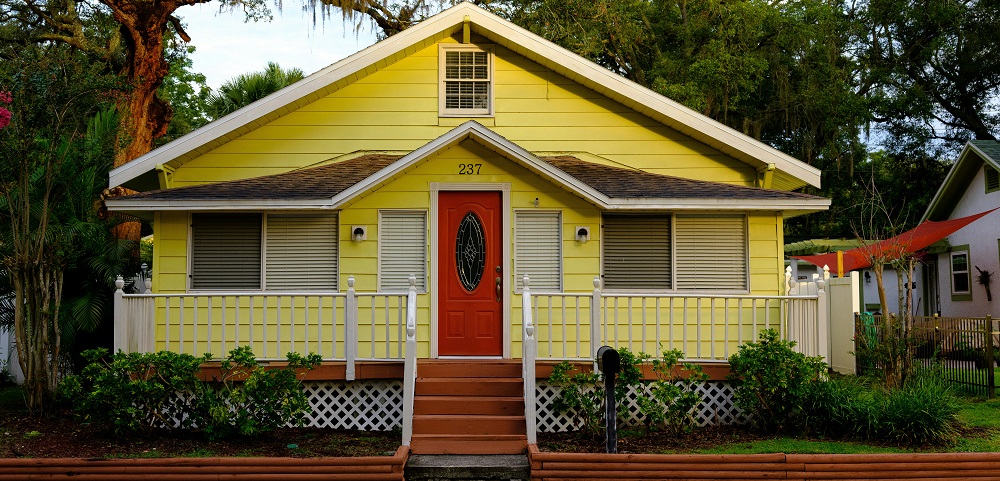
Accommodation in Tampa, home in Safety Harbor by Julien Maculan

+ PRO: Neighbourhoods to suit anyone

As the third largest city in the Sunshine State, and home to more than 400,000 residents, Tampa has a neighbourhood to suit almost everyone. Whether you want to live close to the action in Ybor City or the Channelside district, or you’d rather a family-friendly suburb with good schools for the kids, there’s plenty to choose from.

- CON: The best-located neighbourhoods are competitive

Tampa has grown quickly over the past decade, and a lot of new housing has been built to keep pace. There’s plenty of choice across the metro, but the most walkable areas near downtown and the water, like South Tampa and Hyde Park, are pricey and tend to get snapped up fast. Anyone set on one of these sought-after spots should be ready to move quickly when the right place comes up.

Areas and Suburbs in Tampa


Working in Tampa

+ PRO: The economy is growing

Employers in Tampa have been hiring faster than the national average, and the local job market is in good shape. Newcomers with skills in technology, healthcare, finance, and manufacturing will find plenty of career prospects here.

- CON: Wages are lower than in other US cities

Most newcomers don’t come to Tampa for the big bucks. There are good career prospects, but salaries here are lower than in New York or San Francisco, or in boom towns like Austin, Texas. Across the Tampa Bay area, wages are well below the national average.

Working in Tampa


Cost of living in Tampa

Cost of living in Tampa

+ PRO: The cost of living is reasonable, and there is no state income tax

Salaries may not be especially lucrative in Tampa, but the cost of living is low, so your money goes further here than in most big US cities. You can still find a home close to a beach without earning a six-figure income. Florida charges no state income tax either, so you keep more of what you earn.

- CON: Insurance expenses can be high

Insurance is a considerable and unavoidable expense in Florida. Tampa Bay is largely a low-lying area, and because the bay is so shallow, the metro is badly exposed to storm surges. Tampa bay is one of the most flood-prone areas in the country. Florida has some of the highest home insurance costs in the US, so new residents should budget for both home and flood insurance from the start.

Cost of Living in Tampa


Education and schools in Tampa

+ PRO: One of the country’s biggest school districts

Hillsborough County Public Schools runs the public system in Tampa, and it’s the seventh largest district in the country and the third largest in Florida, so families are spoilt for choice. It was also named the country’s School District of the Year for 2024/25. Because a school place is tied to where you live, it pays to check a home’s school zone before settling on a neighbourhood.

- CON: The cost of private or international education is expensive

There are plenty of good public and international options in Tampa, but private and international schools charge high fees, so parents should budget accordingly. On top of tuition, they’ll need to cover extras such as uniforms, textbooks, extracurricular activities, and field trips.

Education and Schools in Tampa


Getting around in Tampa

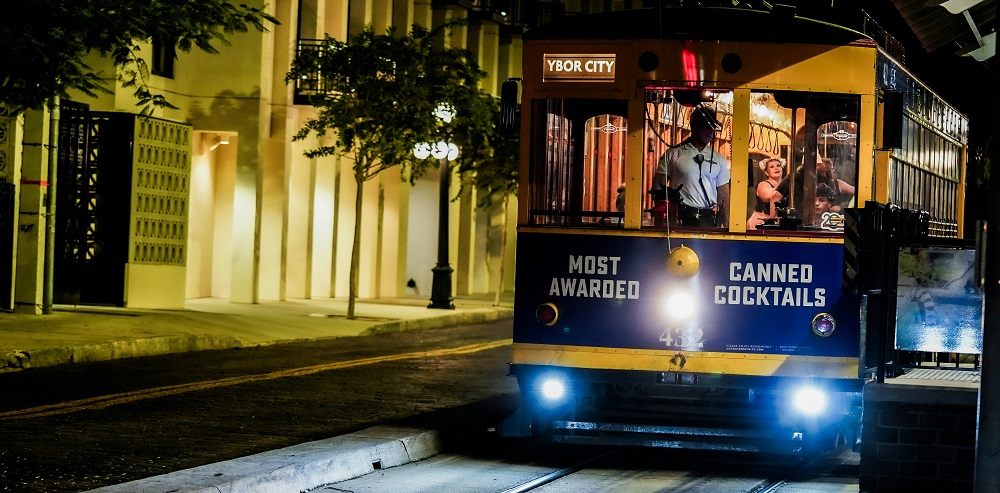
Getting around Tampa, TECO Line streetcar by Rostyslav Sipakov

+ PRO: Public transport is an option for those living close to downtown Tampa

Tampa’s public transport is no match for the systems in older, denser cities like New York or Chicago, but it’s fine for getting around the city centre. There’s a fairly extensive HART bus network, and the TECO Line streetcar is handy for short hops between downtown and Ybor City. Anyone out in the suburbs, and most families with children, will find that a car makes daily life much easier and gives a lot more freedom to get around.

- CON: Traffic can be a nightmare

Traffic is one of the biggest gripes among Tampa residents, and this is one of the more congested cities in the country. The evening crush on I-275 and I-4 lasts from about 4pm to 7pm and can turn a 20-minute drive into an hour or more. How much it will affect you will depend on where you live relative to work, but everyone agrees that the city has grown faster than its roads.

Getting Around in Tampa


Safety in Tampa

+ PRO: Plenty of safe, family-friendly pockets

Safety in Tampa really comes down to the neighbourhood. Many of the suburbs and family areas, including much of South Tampa, Westchase, New Tampa, and the southeast of the city, are quiet and well regarded. For a US city of its size, Tampa is fairly middle-of-the-road overall.

- CON: Property crime is common

For most residents, the bigger day-to-day complaint is petty theft. There are car break-ins and package thefts across the city, so it pays to be careful about what’s visible in public.


Local culture in Tampa

+ PRO: A city with its own character

Beyond the beaches, Tampa has a genuine local identity. Ybor City, the old cigar-making quarter, is the centre of the nightlife scene, and the area’s Cuban and Spanish heritage is easy to taste in the food, from the famous Cuban sandwich to a shot of strong Cuban coffee. Tampa’s a serious sports town too, and the Buccaneers (NFL) and Lightning (NHL) both play in the city.


Lifestyle in Tampa

+ PRO: The weather suits an outdoor lifestyle

The Florida sunshine is the main reason so many residents spend their free time outdoors. There are around 240 sunny days a year here, and the mild, dry winters are ideal for hiking and biking the local trails or heading out on the water. The festival calendar is busy as well, and the highlight is Gasparilla, a pirate-themed street party the city throws each January.

- CON: Brutal summer heat and humidity

The flip side is a long, sticky summer. The heat index is above 100°F (38°C) on many summer days, the humidity is relentless, afternoon thunderstorms are pretty much a daily fixture, and the air conditioning is not optional.

+ PRO: It’s a family-friendly city

Tampa is a rewarding place to raise a family, thanks to both the range of schools and the sheer number of things to do with children. ZooTampa at Lowry Park is a reliable hit with younger kids, and the Busch Gardens theme park is a bigger draw for older ones. Downtown, the Florida Aquarium and the Tampa Bay History Center are good for a more educational day out.

Things to See and Do in Tampa
Weather in Florida

Working in Tampa

Newcomers working in Tampa, nicknamed the Cigar City, will find a relatively diverse economy and ample opportunities for professional growth.

The Tampa Bay area has three seaports, and trade has long been central to the city’s economy. Port Tampa Bay is Florida’s largest and most cargo-diverse seaport, and it is ranked among the 10 busiest cruise ports in the US. The port is a major regional employer. More than 190,000 jobs across the wider Tampa Bay area are linked to it, and it is worth billions to the local economy.


Job market in Tampa

Job market in Tampa

Professionals with skills and experience in healthcare, financial services, technology and cybersecurity, defence and security, manufacturing, or tourism will find plenty of openings in Tampa’s job market. Salaries in the city are a little lower than the national averages, so those looking for lucrative employment packages may struggle here.

Entrepreneurs who are starting up a business in Tampa may benefit from Florida’s business incentives and its absence of a state income tax. The city also has a well-educated workforce. More than 40 percent of Tampa’s residents hold a college degree.


Finding a job in Tampa

You can begin finding a job in Tampa online, well before you arrive in the city. Browsing the main job portals is a sensible first port of call, and you’ll quickly get a sense of which roles are open and which industries are hiring.

LinkedIn is widely used across the US, so it pays to keep your profile polished if you’re job-hunting in Tampa. Networking is still one of the best ways in, too. New residents who get out to industry events and professional groups can build contacts and get a foot in the door at prospective employers.

If you’re not having much luck online, a local recruitment agency can be a good next step. Recruiters tend to know which Tampa businesses are hiring, and they’ll often have a feel for the company culture too.

Useful links


Work culture in Tampa

Work culture in Tampa

For a US city, Tampa has a fairly laid-back work culture, in keeping with the easy pace of the Sunshine State. Compared with big economic hubs like New York, Los Angeles, Chicago, and Washington, DC, the pace here is noticeably calmer. Senior staff at large corporations may still put in long hours and face tough targets, but for most workers, workplace success isn’t the sole focus.

New arrivals will generally find the work environment in Tampa somewhat less competitive than elsewhere in the US. Many companies offer staff wellness programmes and encourage a healthy work-life balance. Flexible hours and hybrid arrangements are common in Tampa, although some larger employers have brought staff back to the office in recent years.

Cost of living in Tampa

The cost of living in Tampa is slightly lower than the US national average and is also a touch under the Florida state average. Groceries and utilities run a little higher, but savings on housing and healthcare help balance the books. Your own spending habits matter too, so two households on the same salary can end up with very different budgets.

You’ll have to consider several factors when drawing up a budget. These include the cost of accommodation, transport options, healthcare expenses, lifestyle choices, and, if you have children, the price of schooling. This should all be weighed against your earning potential and the expenses of physically relocating, which can be a costly exercise in itself.


Cost of accommodation in Tampa

The cost of accommodation in Tampa is generally more affordable than in Florida or the US as a whole. The standard of housing in Tampa is high, so whether you rent or buy, you’re likely to find good value for money. Utilities such as water, electricity, gas, and Wi-Fi are not usually included in the rent, so you’ll want to budget for them separately.

Newcomers to Tampa generally start by renting until they find their feet and decide whether they want to settle down in the Sunshine State for the long run. Tampa’s rental market has cooled over the past couple of years, and asking rents have fallen by nearly 4 percent year on year.

Renting Accommodation in Tampa 
Best Neighbourhoods in Tampa


Cost of transport in Tampa

Anyone living close to the centre will find the cost of public transport in Tampa affordable. It’s a viable option, but it isn’t quite as convenient as having a car, so most Tampa residents invest in a vehicle of their own.

Petrol prices in Florida are usually below the national average. Most residents still drive long distances regularly, so fuel costs add up.

Public Transport and Driving in Tampa


Cost of groceries in Tampa

For households, the cost of groceries in Tampa is about 6 percent above the national average.

Tampa residents can also order groceries through delivery services such as Instacart, Shipt, Amazon Fresh, and Walmart. You can sometimes save money through app-only deals and promotions.


Cost of entertainment and eating out in Tampa

You can easily splurge or barely spend a thing when it comes to the cost of entertainment and eating out in Tampa. Plenty of activities, though, cost little to nothing. Entrance to most of Tampa’s museums and art galleries is reasonable, and students and pensioners are often offered discounts. Outdoor options are cheap or free. You can walk the Tampa Riverwalk, and the Gulf beaches are only a short drive away.

Shopping, Entertainment and Outdoor Activities in Tampa


Cost of education in Tampa

As is the case in most US cities, the cost of education in Tampa depends on the schooling path parents choose for their children. Newcomers have a broad range of public and private schools to choose from.

The cost of public schooling in Tampa is minimal, whereas private institutions set their own fees. These fees are generally high and increase as the students get older. Those considering private schooling should also budget for uniforms, textbooks, field trips, and extracurricular pursuits.

Education and Schools in Tampa


Cost of healthcare in Tampa

The cost of healthcare in Tampa is around 8 percent below the national average, and Tampa has several excellent hospitals. For many newcomers, that’s a pleasant surprise and one of the city’s more understated advantages. However, the price of care at the best hospitals can be a shock if you’re moving from a country with free or heavily subsidised public healthcare.

Whether you’re moving from abroad or from another US state, you should research Florida’s health insurance options carefully. There are plenty of competitive insurance packages available, but it’ll be up to you to find a policy that meets your household’s health needs and your monthly budget. Anyone moving to Tampa for work should try to negotiate a health contribution into their employment contract.

Hospitals and Healthcare in Tampa


Cost of living in Tampa chart

Prices are listed in US dollars (USD) and may vary depending on the product and service provider. The list below shows average prices for Tampa in August 2026.

Accommodation (monthly rent)
One-bedroom apartment in the city centreUSD 2,350
One-bedroom apartment outside the city centreUSD 1,700
Three-bedroom apartment in the city centreUSD 4,000
Three-bedroom apartment outside the city centreUSD 3,000
Shopping
Eggs (dozen)USD 4.05
Milk (1 litre)USD 1.10
Rice (1kg)USD 4.95
Loaf of white breadUSD 3.50
Chicken breasts (1kg)USD 10.80
Cheese (500g)USD 6.95
Eating out
Three-course meal for two at a mid-range restaurantUSD 70
Big Mac MealUSD 12.15
Coca-Cola (330ml)USD 1.90
CappuccinoUSD 5.65
Local draft beer (500ml)USD 2.50
Utilities
Mobile phone monthly plan with calls and dataUSD 70
Internet (uncapped ADSL or cable – average per month)USD 75
Basic utilities (average per month for a standard household)USD 205
Transport
Taxi rate (per kilometre)USD 1.95
Bus/train fare in the city centreUSD 2
Gasoline/petrol (per litre)USD 0.95

Accommodation in Tampa

The accommodation in Tampa is varied, and new residents can find something to suit just about every taste and budget. Most newcomers rent initially while they find their feet and get a feel for the city and its neighbourhoods. The renting process is fairly standard and much like what you’d find in most major US cities.

Those who decide to buy property in Tampa later on tend to find it a sound long-term investment. Tampa has attracted new residents year after year, and home values have held up well over the long term.


Areas and suburbs in Tampa

Areas and suburbs in Tampa

Tampa’s areas and suburbs include six historic districts and more than 80 named neighbourhoods. Whether you want waterfront living or a suburban home on a tree-lined street, you’ll find it here. New arrivals should carefully consider where they live in relation to their workplace and their children’s schools, as Tampa traffic can be heavy.

The revitalised Downtown Tampa is popular with young professionals and single new arrivals who want to be close to city amenities and their workplaces. Downtown Tampa has plenty of apartments and condos, although families can also find the rare detached house.

Families moving to Tampa can also choose from several neighbourhoods with highly rated schools. Historic Hyde Park is a good fit for those who want strong schools alongside easy access to Downtown Tampa. Those with room in their budget often look to Davis Islands. These family-friendly islands are about 10 minutes from downtown and have bike lanes and plenty of green space for children to play outside.

Read Areas and Suburbs in Tampa for more information on the city’s neighbourhoods.


Types of accommodation in Tampa

Across the types of accommodation in Tampa, the standard is generally good. Most buildings are well maintained, and property sizes are generous. When you start your search, you can choose from apartments, condos, duplexes, and larger family houses.

You’ll find modern self-contained apartments within larger buildings in most parts of Tampa. They tend to be reasonably priced and are especially popular in downtown Tampa, where space is limited.

Condos are a compromise between houses and apartments. The major upsides of condo living, especially for newcomers to the city, are more space and the benefits of communal living. Condos are self-contained units within a bigger complex where residents share a range of amenities, including communal swimming pools, gyms, gardens, and laundry facilities.

Over half of Tampa residents live in houses, so if you want more space, you’ll find plenty of options. From humble Craftsman-style bungalows to grand Colonial Revival mansions, there are properties to suit various tastes and budgets.


Finding accommodation in Tampa

Start your search for accommodation in Tampa well before you begin planning the physical move. How fast you need to act depends on what you’re after. Apartments are generally easy to come by, but houses in the most sought-after neighbourhoods still get snapped up quickly.

Reputable online property portals are a good place to start. On them, newcomers can get a feel for the property types and price ranges across different areas and suburbs. Social media is worth a look too.

Real estate agents can also be very helpful, as they know the ins and outs of Tampa’s property market. For rentals, the landlord usually pays the agent’s fee, so working with one will rarely cost you anything.

Some newcomers will be lucky enough to have a relocation company working on their behalf. These firms assess your preferences and draw up a shortlist of properties for you to view, which takes much of the legwork out of the search.

Useful links


Renting accommodation in Tampa

For most new arrivals, renting accommodation in Tampa is fairly straightforward. How quickly you need to move depends on the type of home. There’s a large supply of apartments, so you can usually take your time, whereas houses and rentals in the most popular neighbourhoods go fast.

Renting accommodation in Tampa

Making an application

Credit and reference checks are standard when applying to rent in Tampa, which can be a hurdle if you’ve just arrived in the US. Expats moving to Tampa should open a US bank account and get a Social Security number as soon as they can. Without a US credit history, you may be asked for a larger deposit or extra references.

Leases

A lease in Tampa is usually a year long, and you can renew it at the end of the initial term. You can sometimes arrange a shorter lease, although that’s at the landlord’s discretion. If you want to negotiate the terms, try to do it outside the busy winter months, when snowbirds arrive and rentals are harder to come by.

Deposits and fees

Anyone renting in Tampa will usually pay a security deposit of one to two months’ rent to secure the lease. Deposits are fully refundable at the end of the lease, provided you leave the property in good condition. It’s worth carrying out a detailed inventory at the start and end of the tenancy, because the landlord will deduct the cost of any damage from your deposit.

Terminating the lease

When your lease ends depends on the type of agreement you signed. A fixed-term lease normally ends on the date in the contract, and you don’t need to give notice unless the lease says otherwise. Check whether yours includes a non-renewal clause.

The required notice is often between 30 and 60 days. If your tenancy has rolled over into a month-to-month arrangement, both you and the landlord must give at least 30 days’ written notice before the end of a rental period, under Florida law. Leaving a fixed-term lease early can make you liable for the remaining rent, unless the lease has an early termination clause or the landlord manages to relet the property.

Read Accommodation in the USA to learn more about the rental process across the country.


Utilities in Tampa

Responsibility for utilities in Tampa is split between the landlord and the tenant, so read your lease carefully to see which ones are included. Landlords usually cover the basics, such as water and electricity, while extras like internet and cable TV are down to the tenant. Gas and electricity bills both arrive monthly, and there are several different ways to pay.

Utilities in Tampa

Electricity

Tampa Electric supplies electricity across the city. When you move in, you’ll need to open a new account or transfer the existing one into your name. You can submit a service request by phone or on the Tampa Electric website. It’s a good idea to put the request in at least five days before you move, so your power’s on when you arrive. You’ll need to provide proof of identity, proof of address, and your Social Security number, and you’ll also pay a security deposit.

Gas

Peoples Gas supplies most of Tampa’s natural gas. Like electricity, setting it up is simple, and you can do it online or by phone. You’ll submit documents such as proof of address, proof of identity, and your Social Security number, and Peoples Gas will ask for a security deposit before it starts the service. The company schedules the connection around you.

Water

The Hillsborough River is Tampa’s primary water source, and the Tampa Water Department treats and supplies water across the city. You can set up your water service through the city’s online portal, Tampa Connect. As with electricity, it’s best to submit your request at least five days before you move in.

Tampa has enforced year-round water restrictions since 1992. In practice, you can water your lawn just one day a week, on a day set according to your address, and there are similar limits on washing your car or using a pressure washer at home.

Bins and recycling

The City of Tampa’s Solid Waste Department handles waste collection and recycling. The city collects household waste twice a week for all customers. Put your closed blue cart at the kerbside the night before your collection day, or by 6am on the day itself, and bring it back in by the end of the day to avoid a fine.

The city also provides green recycling carts, which are collected once a week. Put these out by 6am too, but you don’t need to do so every week, so hold off until the cart is full.

New Tampa, Tampa Palms, and Hunter’s Green are served by Hillsborough County and not the city, so residents there should check the county’s schedule.

Useful links

Areas and Suburbs in Tampa

The best places to live in Tampa

There are over 80 officially named neighbourhoods to choose from in Tampa, so it isn’t always easy for newcomers to decide where to live. New arrivals often start with a short-term rental when they first relocate here, which buys a little breathing space to explore the city before settling on an area. Pinpointing the right neighbourhood gets easier once you’ve worked out your priorities.

Real estate agents tend to have a firmer grasp of Tampa’s property market, and they’re a useful source of local knowledge when you’re weighing up your options. When you’re choosing a neighbourhood in Tampa, weigh up your housing options, your budget, your lifestyle, how close you’d be to work and, if you have children, how close you’d be to good schools.

Here are some of our insights into the most popular areas and suburbs in Tampa.

Renting Accommodation in Tampa


City living in Tampa

City living in Tampa is a draw for new arrivals who want to be close to the action, and many start out in a short-term rental near the city centre. Public transport here is fairly limited, but it does the job in the more central neighbourhoods.

You can ride the free TECO Line Streetcar from downtown out to Ybor City, by way of the Channel District, which is handy for reaching the central sights. If you live close to downtown, you’ll also have the best access to Tampa’s main attractions, plus a wider choice of restaurants and nightlife.

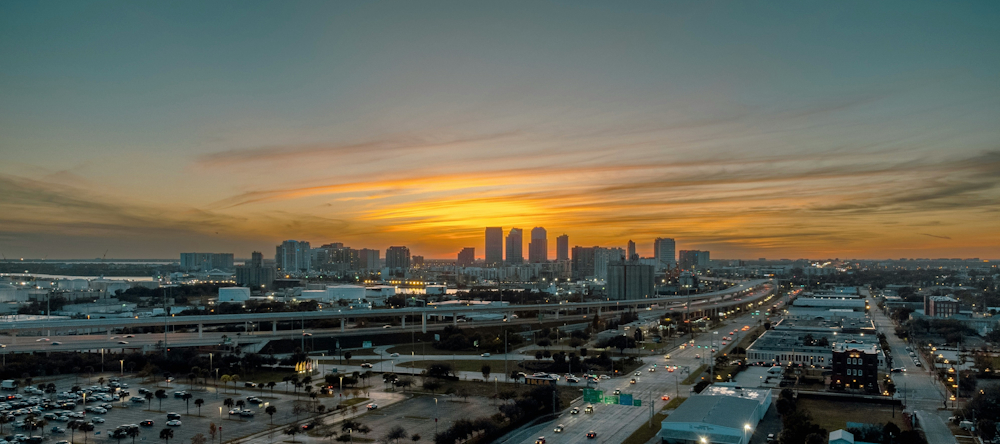
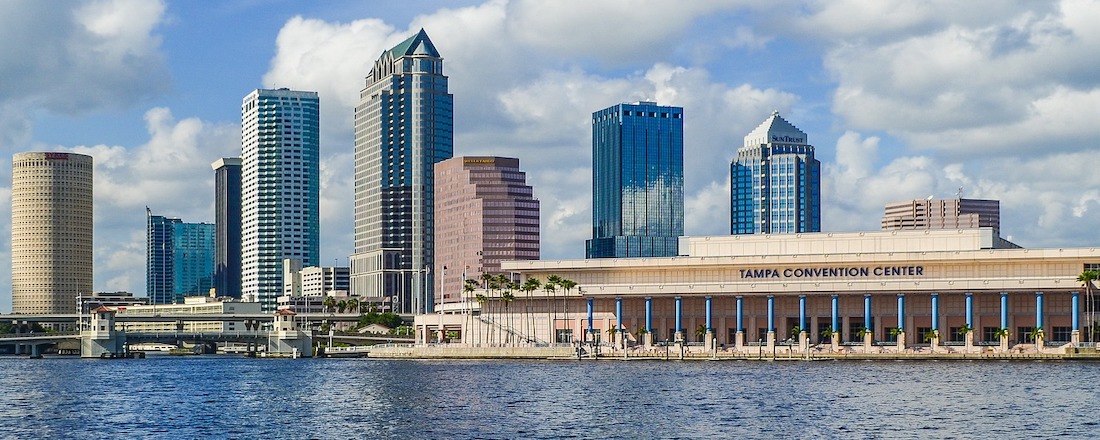
City living in Tampa, downtown skyline

Harbour Island

Harbour Island is just across the bridge from downtown but still within the city limits, and it’s mostly private, gated residential communities. There’s a good spread of housing, from high-rise condos and apartment complexes to row houses and larger family homes.

Because it’s so close to the city centre, residents have plenty of dining and entertainment on their doorstep. The nearest TECO Line Streetcar stops are a short hop across the channel in downtown and the Channel District, so getting around the central areas is easy.

Seminole Heights

A few miles north of downtown, Seminole Heights has become one of Tampa’s most characterful inner-city neighbourhoods. Its streets are lined with restored early-1900s Craftsman bungalows, independent restaurants, coffee shops, and a growing crop of craft breweries.

You’ll find a younger, creative crowd of professionals and small families here. Many come for the walkable, slightly bohemian feel. Families aren’t short of schooling options either. There are several public elementary schools nearby, and Seminole Heights has its own charter high school.

Lifestyle in Tampa
Getting Around in Tampa


Family-friendly suburbs of Tampa

Families settling in Tampa often come for the quality of life, and that pull is strongest for those relocating with children. Larger properties are easier to find away from the city centre, so most of the family-friendly suburbs are a little further out. Tampa has plenty of decent public schools, along with private and international options, so parents should factor in how close a neighbourhood is to the right school.

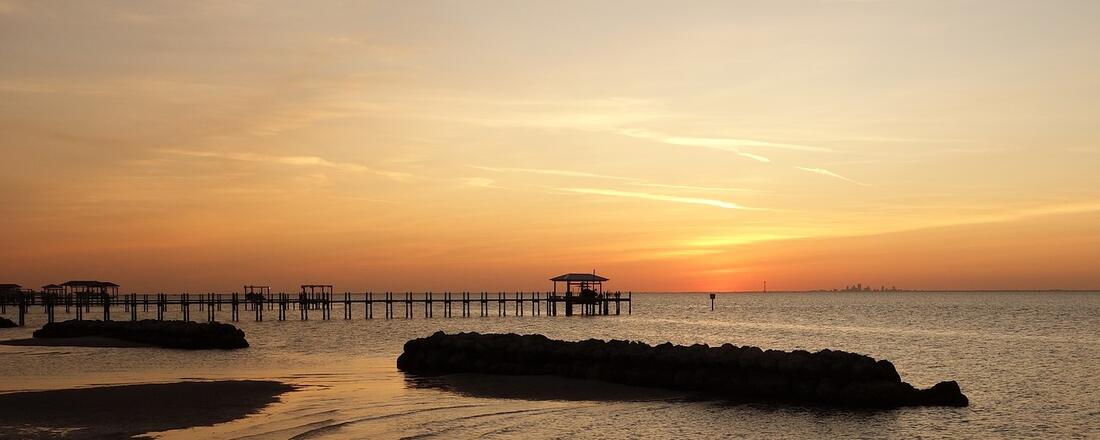
Family-friendly suburbs of Tampa, Tampa Bay at sunset

Swann Estates

Close to the city centre but still leafy and low-key, Swann Estates is a small, family-friendly suburb in South Tampa where residents enjoy a good balance of urban and suburban living. Families here are zoned to some well-regarded public and private schools, which makes it a popular choice for those with children.

Most of the housing is comfortable single-family homes. Everyday shops and parks are close by, and the boutiques and restaurants of South Howard Avenue are only a short drive away.

West Meadows

Out in New Tampa, West Meadows is a fairly affluent, family-friendly suburb. Residents do have the city’s bus network to fall back on, but most rely on a car of their own. The homes are mainly spacious family houses and townhouses with gardens, and many are inside gated communities.

Good schools are plentiful, which explains the area’s popularity with families. Newcomers tend to settle in quickly, and the strong sense of community helps.

Beach Park

If you’re moving to Florida to live by the water, Beach Park is the obvious pick. It’s one of South Tampa’s more upmarket waterfront neighbourhoods, and many of the homes here have private docks on the bay. The properties are mostly spacious family houses with generous gardens. Buyers are drawn to top-rated public schools like Plant High School, and this makes the area a sound long-term investment.

Healthcare in Tampa

You’ll find your healthcare in Tampa is in capable hands, whether it’s just you or the whole family. There are several world-class hospitals in the city that employ well-regarded doctors and nurses, and the wider Bay area has dozens more hospitals and speciality clinics.

Tampa General Hospital is one of the most comprehensive medical facilities in Florida and is home to the area’s top trauma centre and one of the country’s leading transplant departments. Tampa is also home to the Moffitt Cancer Center, which is the top cancer care hospital in Florida and among the leading facilities nationally.

As is the case throughout the US, Tampa residents should have a comprehensive private health insurance plan if they want easy access to the city’s top medical facilities. Medical care in Tampa can be more affordable than in some larger US cities, but it’s by no means cheap. You’ll want to compare a few policies to find one that suits you and your family.

Healthcare and Health Insurance in the USA

Below is a list of some of the best healthcare facilities in Tampa.


Hospitals in Tampa

Healthcare in Tampa

Tampa General Hospital

Website: www.tgh.org 
Address: 1 Tampa General Circle, Tampa, FL 33606

St Joseph’s Hospital

Website: www.baycare.org 
Address: 3001 W Dr Martin Luther King Jr Blvd, Tampa, FL 33607

AdventHealth Tampa

Website: www.adventhealth.com 
Address: 3100 E Fletcher Ave, Tampa, FL 33613

HCA Florida South Tampa Hospital

Website: www.hcafloridahealthcare.com 
Address: 2901 W Swann Ave, Tampa, FL 33609

AdventHealth Carrollwood

Website: www.adventhealth.com 
Address: 7171 North Dale Mabry Highway, Tampa, FL 33614

Moffitt Cancer Center

Website: www.moffitt.org 
Address: 12902 USF Magnolia Drive, Tampa, FL 33612

Education and Schools in Tampa

The standard of education and schools in Tampa is largely excellent, and parents moving to the city are spoilt for choice when it comes to schooling options. Your child’s public school placement will depend on catchment zones, so it pays to think carefully about which area or suburb you plan to live in.

Factors to consider when picking a school include the type of school, the standard of teaching, the tuition fees, the extracurricular activities on offer, and the proximity to home.

Areas and Suburbs in Tampa


Public schools in Tampa

Schoolchildren at desks in a Tampa classroom

The Hillsborough County Public Schools (HCPS) district oversees the public schools in Tampa. Tampa residents can have their children attend a public school at little to no cost. In line with the US standard, the schooling system in Tampa is split between three levels:

  • Elementary school (Kindergarten to Grade 5)
  • Middle school (Grade 6 to Grade 8)
  • High school (Grade 9 to Grade 12)

As in most US cities, there’s uneven quality from one Tampa public school to the next. The best public schools rival the private schools for standards, but others struggle with underfunding and staff shortages. Florida’s education department grades every public school from A to F each year, so you can check a school’s most recent grade before committing to an area. In general, though, public school education in Tampa is pretty decent.

Charter schools

Tampa also has several good charter schools. These are public schools run by independent organisations instead of by the district itself. Although they have more freedom over teaching methods and admissions, they are still accountable to the district that authorises them.

Each school has a charter that sets out its operations, programme, goals, and assessment methods. Some serve particular populations or students who struggle in a traditional learning environment, whereas others follow a particular instructional theme. Charter schools generally aren’t tied to catchment areas, so you can apply no matter where in the county you live.

Magnet schools

Magnet schools are ordinary public schools run by the district, so they are fully publicly funded and follow the same state standards as any other public school. What sets them apart is a specialised theme. Each magnet is built around a subject area, so students can lean into their strengths. Magnet themes in Tampa include sports, performing arts, foreign languages, STEM subjects (science, technology, engineering, and maths), and the International Baccalaureate.

Useful links


Private schools in Tampa

There are a fair few private schools in Tampa, many of which are religiously affiliated, mostly with Christian denominations. Private schools tend to offer a higher standard of teaching and better facilities than most public schools.

The obvious downside of private education is the cost, and parents should budget for tuition fees on top of extras such as uniforms, textbooks, extracurricular pursuits, and field trips. That said, Florida now has a universal school-choice scholarship, the Family Empowerment Scholarship, and families can apply for state funding towards private tuition regardless of income.


International schools in Tampa

group of children reading in a field

The international schools in Tampa are few and far between, but the handful that exist mostly teach the International Baccalaureate (IB) curriculum. IB schools are best suited to internationally minded families who may move abroad, since the qualification is accepted almost everywhere.

There are a number of magnet and charter schools in Tampa that also offer the IB programme. These places are competitive, but winning one lets your child study for the IB at far less than a private school would charge.

The French American School of Tampa Bay runs a French immersion programme from early childhood through to Grade 12. It’s a strong option for French families who want their children to keep up their home language. Parents after a Spanish immersion programme can look into Tampa Bay International School.

Families who are absolutely set on having their child continue with their home country’s curriculum may need to look further afield in Florida, where some schools also offer boarding.

Useful links


Special educational needs in Tampa

Special educational needs support in Tampa

Tampa’s schools are well set up to support students with special educational needs. Children with disabilities have a legal right to a free public education suited to their needs. The key protection is a federal law, the Individuals with Disabilities Education Act (IDEA), and Florida has its own state rules on top of that. In Florida, public school special education is known as Exceptional Student Education (ESE), so that’s the term to look for locally.

There are both public and private schools in Tampa that run programmes to support these students. After an assessment, if a child’s needs are too complex for a mainstream setting, specialist schools can provide a programme built around them.

Useful links


Tutors in Tampa

Academic competition is stiff, and tutors in Tampa are in steady demand from students who want to get ahead or keep pace. A good one can make a real difference before college entrance exams or help your child settle into a new curriculum.

Start by asking at your child’s school, which can often point you to trusted tutors nearby. Failing that, there are a number of established tutoring agencies that can help. They cover everything from weekly help with a tricky subject to full study-skills coaching, and most will come to your home or teach online, whichever suits. Some take one-to-one sessions only, while others run small groups.

Useful links

Lifestyle in Tampa

Newcomers to the Sunshine State will settle into the lifestyle in Tampa without much trouble. The city has world-class museums and art galleries, along with shaded parks and waterfront trails for quieter days.

There’s a lively bar and restaurant scene, and plenty of sports to watch and play. The weather is warm for most of the year, so a lot happens outdoors. It’s an easy place to fill a weekend, whether you’re after a night out or a slow afternoon by the water.


Shopping in Tampa

Shopping in Tampa by Freestocks

Whether you’re hunting for a bargain or after exclusive designer pieces, the shopping in Tampa has you covered.

Newcomers who favour luxury shopping will love Hyde Park Village. It’s an open-air centre that is built around a garden and fountain, and its walkways are lined with local boutiques and designer names. It’s an easy spot to spend an afternoon. International Plaza and Bay Street, close to Tampa International Airport, has more than 200 designer and brand-name stores. Its open-air Bay Street promenade is lined with restaurants for a break between the retail therapy.

For the essentials, head to Citrus Park Town Center or The Shops at Wiregrass. Both are family-friendly and have play areas to keep your children entertained. For rustic and antique finds, the long-running Oldsmar Flea Market is worth a weekend browse.


Nightlife in Tampa

Tampa is known for its sunshine, but there’s real nightlife in Tampa once the sun goes down. Two areas do most of the work. Ybor City, the historic former cigar district, has the densest run of bars and clubs, and its brick streets are lined with live-music venues. South Howard Avenue, known locally as SoHo, is the more polished option. Between them, you’ll find everything from down-to-earth Irish pubs and craft microbreweries to cocktail lounges and martini bars, so a night out rarely takes much planning.


Eating out in Tampa

One of the better perks of living here is eating out in Tampa, thanks to the city’s deep immigrant roots. The Cuban sandwich was invented in Ybor City, the old cigar quarter, and that’s still the best place to try one. For more variety, the restaurants and bars on South Howard Avenue and Hyde Park are packed close together, and the food-hall scene up in Tampa Heights is the casual option. Seafood is easy to come by, and you can eat well in Tampa without spending a fortune.


Arts and culture in Tampa

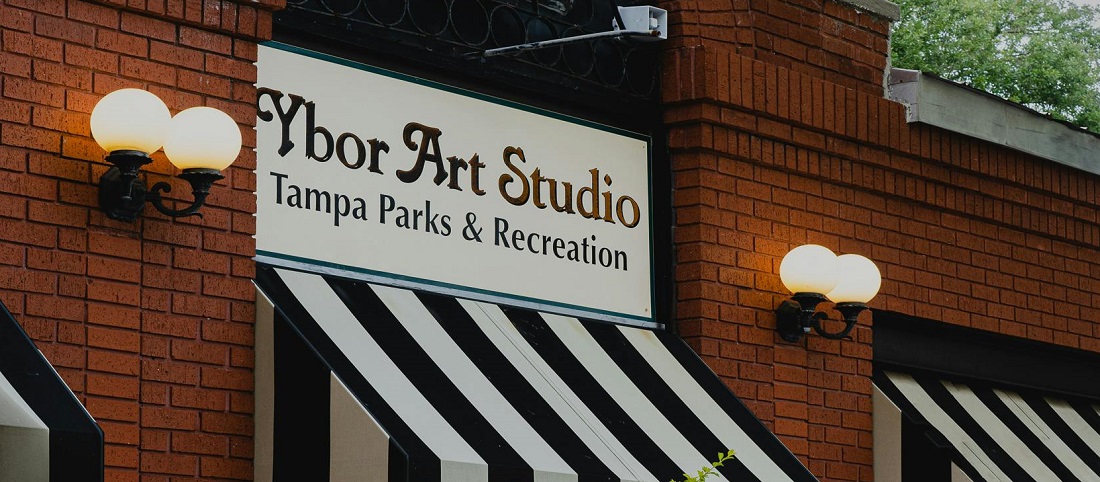
Ybor Art Studio by Maheshwar Reddy

Newcomers who care about arts and culture in Tampa have plenty to go at, and there’s everything from historic artefacts to contemporary work. A lot of the city’s character comes from Ybor City, whose brick streets are still central to Tampa’s cultural life.

For live performance, the Straz Center for the Performing Arts has a full year-round programme, from touring Broadway shows and opera to ballet and concerts.


Outdoor activities and sports in Tampa

Spectators are well served when it comes to outdoor activities and sports in Tampa. The NFL’s Tampa Bay Buccaneers play at Raymond James Stadium, the NHL’s Tampa Bay Lightning play downtown at Benchmark International Arena, and the MLB’s Tampa Bay Rays play across the bay in St Petersburg. The New York Yankees also hold spring training in Tampa each year, and there’s a range of semi-pro and collegiate teams worth following too.

If you’d rather play than watch, Bayshore Boulevard is the obvious place to start. Its waterfront path is one of the world’s longest continuous sidewalks, and it’s the go-to route for runners and cyclists. The Tampa Riverwalk is a paved stretch of about 2.5 miles (4km) beside the Hillsborough River, and many of the downtown parks are dotted along it. Beyond the city, there’s golf and deep-sea fishing, and the calm inland waters are good for kayaking or paddleboarding. The Gulf beaches are a short drive across the bay.


See and do in Tampa

There’s plenty to see and do in Tampa, and new residents tend to work through it bit by bit. You’ll find everything from scenic parks and waterfront trails to historic buildings and museums, and much of it is family friendly.

Here are some of Tampa’s top attractions to get you started.

Museum of Art by Dannie Jiing from Unsplash

Tampa Museum of Art

The Tampa Museum of Art has one of the largest collections of Greek and Roman antiquities in the southeastern US, alongside modern and contemporary art. It’s on the Riverwalk, and after dark, the LED artwork on its south wall is a landmark along the waterfront. Its exhibitions change throughout the year, so a single visit rarely does it justice.

Sunshine Skyway Bridge

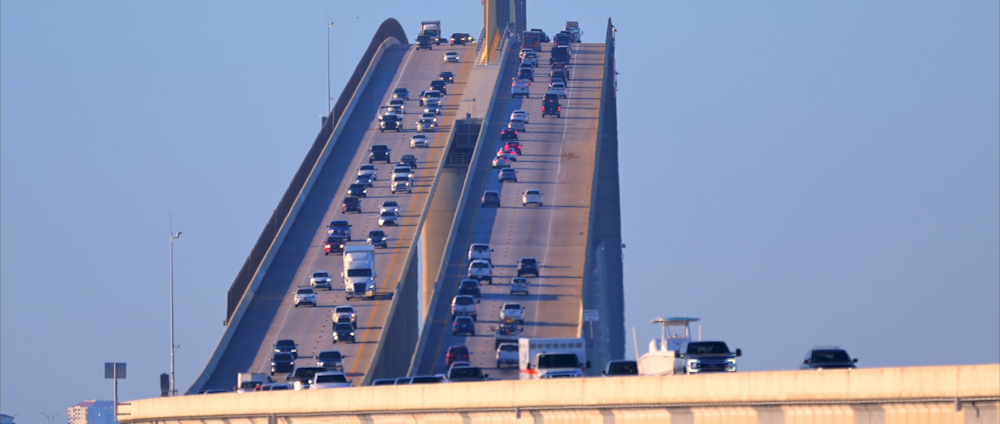
The Bob Graham Sunshine Skyway Bridge, which opened in 1987, is a cable-stayed bridge over Lower Tampa Bay, between St Petersburg and Terra Ceia. The roadway is high above the water, and the views across the bay are wide open. If heights aren’t your thing, the crossing can feel daunting, but most drivers find it worth it.

Tampa Theatre

The Tampa Theatre, which opened in 1926, is one of the city’s most prominent historical attractions, and it still operates today. You can buy tickets at the vintage glass booth and settle into plush velvet seats. You’ll find films here, from classics to new independent releases, and the theatre puts on concerts and other live events too.

Tampa Bay History Center

At the Tampa Bay History Center, you can work through 12,000 years of Florida’s history, from its prehistoric inhabitants to the conquistadors to the Cuban cigar rollers of Ybor City. Children reliably enjoy the hands-on exhibits and the theatre.

The Florida Museum of Photographic Arts

The Florida Museum of Photographic Arts (FMOPA), now in Ybor City, is devoted entirely to photography. The rotating exhibits include historical and modern work by photographers from the US and abroad.


Meeting people and making friends in Tampa

Making friends in a new city takes effort, and meeting people in Tampa is easiest through a shared interest. Newcomers often join a running or cycling group along Bayshore or find their crowd through Meetup and local sports and hobby clubs.

Volunteering is another good route, and it’s a quick way to get to know a neighbourhood. Professionals will find plenty of business networking events downtown and in the tech scene around Water Street.

Useful links

Getting Around in Tampa

Getting around in Tampa without a car can be a challenge. The city has a public transport system, but it mostly serves the downtown area. New arrivals who own a car have the freedom to see much more of the surrounding area on their own schedule.

Anyone hoping to travel further afield around Florida and the rest of the US is in luck, because Tampa International Airport has nonstop flights to more than 90 domestic and international destinations.


Public transport in Tampa

New arrivals in Tampa might find the city’s public transport network somewhat disappointing, especially if they are accustomed to more sophisticated systems like those in cities like Boston, New York, San Francisco, and Chicago.

Public transport in Tampa is mainly useful for commuting within the city centre. There are some suburbs that have adequate public transport links, but on the whole, those living on the outskirts of the city would benefit from owning a car.

TECO Line Streetcar in Tampa by Rostyslav Sipakov

Buses

The Hillsborough Area Regional Transit Authority (HART) runs a fairly extensive network of wheelchair-accessible buses across Tampa. The network consists of local routes with frequent stops within a small area, and express routes that run from the suburbs into downtown Tampa. HART also operates MetroRapid, a faster limited-stop bus that runs between downtown and the University area roughly every 15 minutes.

HART now uses the Flamingo contactless fare system, so you tap a card or phone to ride. You needn’t worry about overpaying either, since fares are capped daily and monthly. There are reduced fares for students, senior citizens, and riders with disabilities, and university students ride free with a valid ID.

The frequency of services varies from one route to the next and also depends on the time of day, so it’s best to consult a schedule and plan journeys accordingly.

Streetcars

The TECO Line Streetcar runs from Whiting Street in downtown Tampa to Centennial Park in Ybor City. There are 11 stops along the single route. Rides are free, and since the service was modernised, it now comes frequently enough that downtown workers and residents use it alongside tourists and convention-goers. Along the way, you’ll pass the Tampa Convention Center, the downtown arena where the Tampa Bay Lightning play, the Florida Aquarium, and Ybor City’s restaurants and shops.

Streetcars are a novel way to get around, so even if new arrivals don’t use them for a daily commute, they are a fun way to see some of the city’s historical and cultural landmarks.

Useful links


Taxis in Tampa

Taxis are quite readily available in downtown Tampa, and they’re easy enough to hail outside any major attraction or along a busy shopping street. That said, for those travelling from or around the suburbs, it’s best to book a taxi ahead of time.

While taxi fares in Tampa are reasonable, they might not be a financially viable mode for longer journeys, but it’s always useful to have a reputable taxi company’s number on hand. Well-established taxi companies include Taxi Tampa and Yellow Cab of Tampa. Both also run wheelchair-accessible vehicles, which you can book in advance.

Popular ride-hailing services such as Uber and Lyft are well established in Tampa. Fares are similar to taxi prices, but ride-hailing tends to be more reliable and easier to arrange. Users simply need to download the relevant app onto their smartphone and register using a bank card.

Water taxis

The Pirate Water Taxi is one of the most scenic ways of getting around in Tampa, although it’s more of a sightseeing option than a practical commute. There’s a river route through downtown and the Channel District, plus an island loop out to Davis Islands. You can buy a single ticket, an all-day pass, a multi-ride pass, or an annual membership.

Useful links


Driving in Tampa

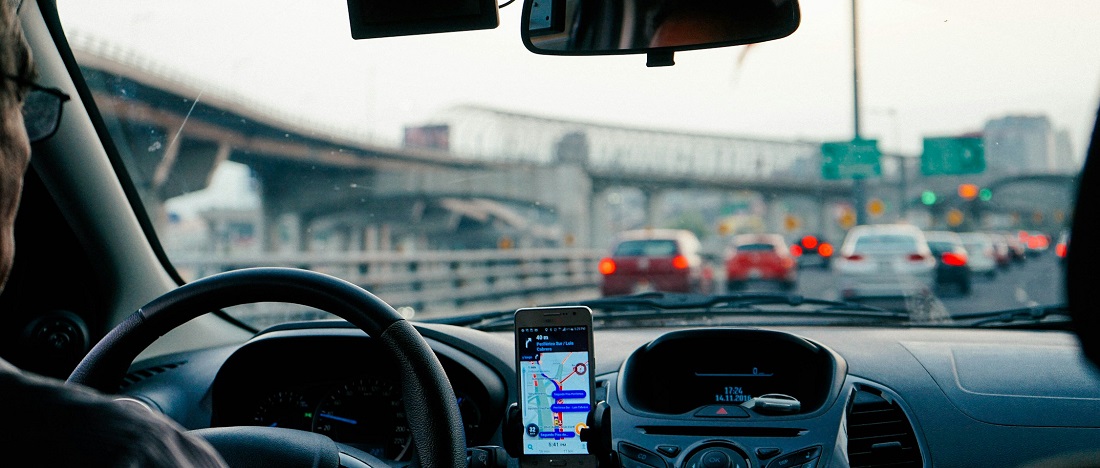
Driving in Tampa by Dan Gold

Most newcomers to Tampa quickly decide they need a car, since driving is the most practical way to cover a city this spread out. Beyond downtown and the handful of routes that link the centre to the suburbs, public transport is limited for most residents.

Tampa’s roads are generally in good shape, but they get more congested every year as the city’s population grows. It’s worst on I-275, I-4, SR60, and I-75 in the morning and late afternoon on weekdays.

Driver’s licences

If you hold a foreign driver’s licence, you can use it for up to 30 days after becoming a Florida resident. After that, you’ll need a Florida driver’s licence to keep driving.

Citizens of France, South Korea, and Taiwan can exchange a valid licence for a Florida driver’s licence without sitting the written or road test. Canadian licence holders can skip both tests too, as long as they surrender their Canadian licence. German licence holders still sit the written knowledge exam, but they’re exempt from the road test. Anyone from another country needs to pass both the written knowledge exam and a road test, and they’ll also take vision and hearing screenings.

Useful links


Cycling in Tampa

Cycling in Tampa by Viktor Bystrov

Over the past decade or so, cycling in Tampa has become a far more realistic way to get around. The city maintains around 60 miles (97km) of off-road greenway trails, plus a growing network of on-street bike lanes. There are plans to expand the trail system to roughly 125 miles (200km) in the years ahead. The city has also installed hundreds of bike racks, and there are shower and locker facilities around downtown. HART buses can carry a few bikes on front-mounted racks.

If you don’t own a bike, the City of Tampa’s shared micromobility programme is the main alternative. App-based operators put e-scooters and e-bikes on the streets across the city, and you can unlock one by scanning it with an app, then leave it at your destination when you’re done.

Useful links


Walking in Tampa

Tampa isn’t especially pedestrian-friendly on the whole, although walking in Tampa is a pleasure in a handful of neighbourhoods. If you’d rather get around without a car or just want some fresh air, Downtown Tampa, Ybor City, the Channel District, and Seminole Heights all suit a leisurely stroll. The Tampa Riverwalk is a 2.6-mile (4km) waterfront path through downtown that connects many of the city’s attractions, and Bayshore Boulevard has a long waterfront pavement that walkers and runners love.