
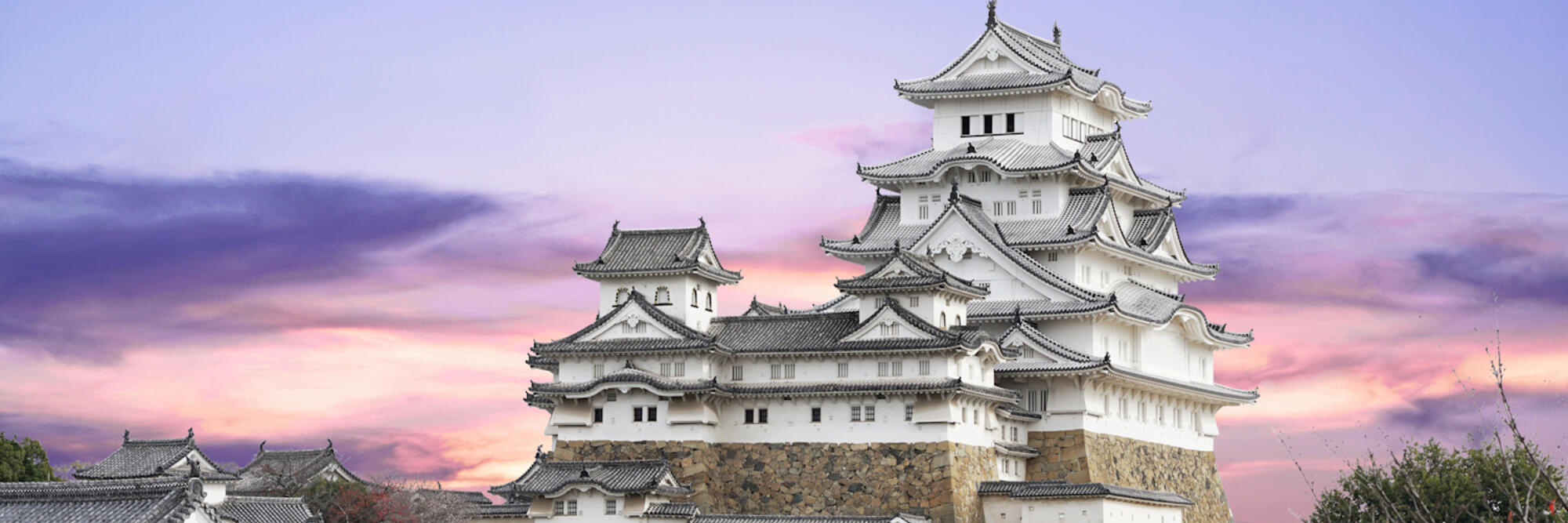
Transport in Japan is generally fast, efficient, and reliable. Expats living in large cities have easy access to all forms of transport. Owning a car is largely unnecessary in Japan, and driving can be unpleasant due to high levels of traffic congestion. For long-distance travel, trains connect the country fairly well, and buses travel over extensive networks across the country.
Smaller cities and towns often have fewer, less frequent, or less accessible options. In these areas, owning a car may be a worthwhile investment.
Public transport in Japan
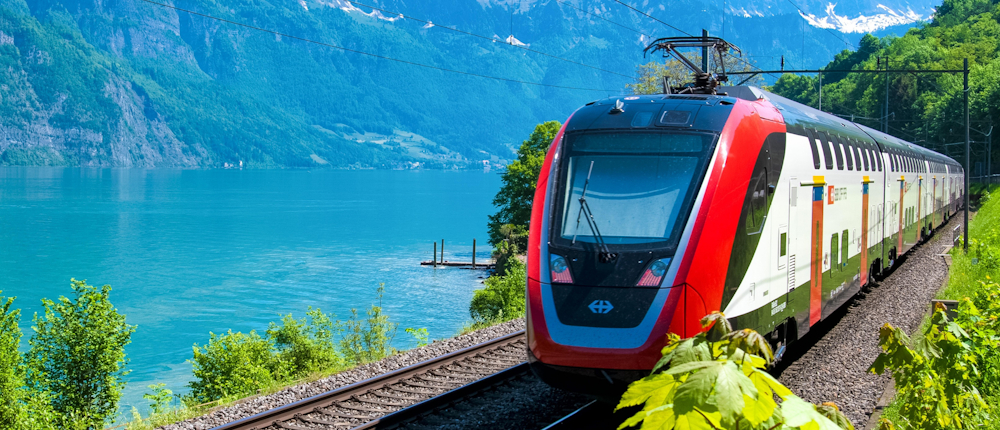
Expats won’t be disappointed by the availability and the excellent standard of public transport in Japan. The country has some of the world’s fastest and most modern rail services. Buses also provide a means of accessing the more remote locations in Japan.
Trains
Rail is one of the fastest and most efficient ways of getting around in Japan. Super express trains, otherwise known as Shinkansen or bullet trains, connect most of the country’s major cities, allowing for fast commute times and accessibility for expats, locals and tourists alike.
The Japan Railways (JR) group of companies owns and manages all Shinkansen trains. Tickets can be purchased online, at JR stations or via designated sellers.
Expats who travel regularly should obtain the relevant smartcard for their area. These act as rechargeable tickets when riding JR and some private lines. Cards like Suica and Pasmo can also be used for buses, subways, and even purchases at certain vending machines and shops, and they can be easily recharged.
Most major cities, such as Tokyo, Yokohama and Osaka, have subway systems.
Buses
Where a train line ends, a bus typically starts. In major tourist areas, English will be displayed on the screen, and arrivals as well as departures will be announced in English. In smaller cities, Japanese will be the only language displayed or heard. Most train stations with bus terminals will have some kind of bus information booth, often with someone on staff during the day to help. However, service in English can be limited.
Useful links
Taxis in Japan
Taxis are a popular transport option for expats living in big cities without cars. Beware, though, that rates are costly and can quickly add up. Many drivers don’t speak English fluently, so it’s best to know the destination in Japanese or have the address written down to show them.
Ride-hailing services, such as Uber, are available in Japan’s major cities and are particularly useful for overcoming language barriers. Due to legal restrictions, Uber primarily operates as a taxi-hailing service rather than a ride-sharing service as in other parts of the world.
Useful links
Driving in Japan
Many people in Japan own a car, and it may be necessary to have your own vehicle in some parts of the country. This is generally not necessary in major cities, where owning a car can be more of a hassle than a convenience.
Driver’s licences
Expats will usually need an International Driver’s Permit to drive in Japan upon arrival, although some nationalities can use their licence from home as long as it’s accompanied by an official Japanese translation. These licences are valid for up to one year, after which it’s necessary to get a Japanese driver’s licence.
Some nationalities can simply swap their home country licence for a Japanese one, while others will have to take a written and practical driving test before receiving a Japanese licence. It’s worth noting that the process of getting a Japanese driver’s licence can be quite rigorous, particularly for nationalities that have to take written and practical tests.
Useful links
Cycling in Japan
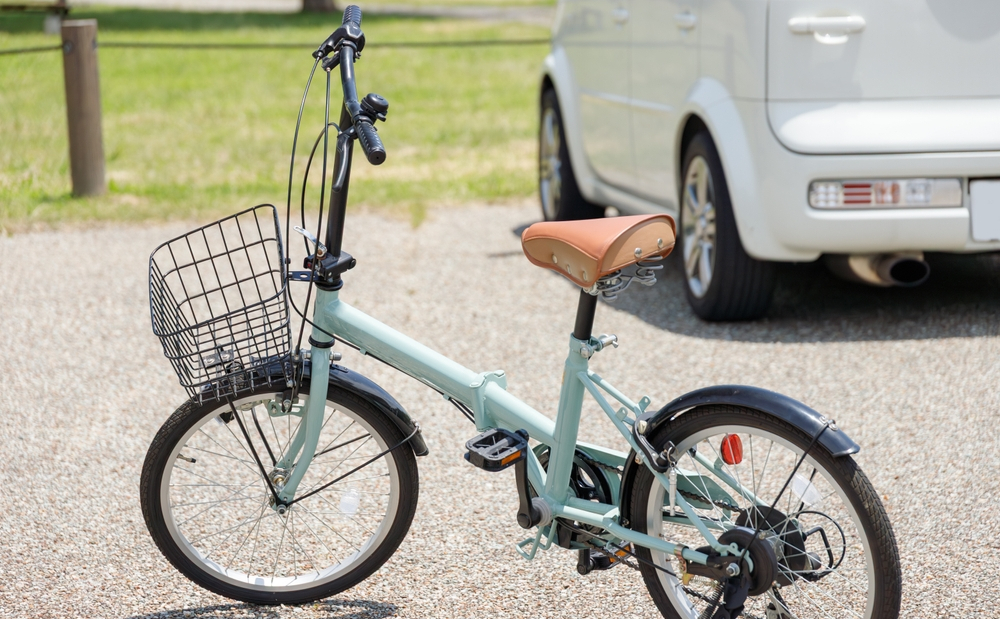
No matter where you live in Japan, it would be nearly impossible to go a day without seeing someone riding the ubiquitous bicycle. Most train stations and public areas provide large bicycle parking areas to cater to the vast majority of people who often travel on two wheels. This also includes scooters, which require a special licence to operate but are typically much easier and cheaper than driving a car.
Most bicycles used for daily commutes are fondly known as mamachari (mom’s bike) – inexpensive, plain, and practical, often featuring a front basket. Speciality bike shops that sell popular mountain, road and cross-country bikes are also available.
Air travel in Japan
Japan’s air travel infrastructure is comprehensive and efficient, making it an excellent option for both domestic and international travel. The country has numerous airports with frequent flights, connecting major cities such as Tokyo, Osaka, Sapporo, and Fukuoka, and providing quick access to more remote areas such as Okinawa and Hokkaido.
Two major airlines dominate the Japanese skies: Japan Airlines (JAL) and All Nippon Airways (ANA), both offering extensive domestic and international flight networks. There are also several low-cost carriers, including Peach Aviation and Jetstar Japan, which provide affordable options for domestic travel and some international routes.
Travelling by air within Japan can be an efficient way to cover large distances, especially when the journey involves crossing the sea. However, for shorter distances, trains often provide a more cost-effective and environmentally friendly alternative.