Print
  • Hold down Ctrl key and select the sections you want to print. If using a Mac, hold down the Cmd key.
  • Use Ctrl + A or on Mac, Cmd + A to select all sections (if you are using the Chrome browser).
  • Click "Apply" and the site will customise your print guide in the preview below.
  • Click the "Print" button and a print pop up should appear to print to your printer of choice.

Safety in Japan

Japan is one of the safest countries in the world. While expats should always use common sense and be aware, walking around is generally safe, even at night. Nevertheless, it’s always important to take standard precautions in crowds and nightspots and to avoid isolated areas.


Crime in Japan

As with any other major tourist destination, pickpocketing in crowded spaces targeting tourists and foreigners occasionally occurs in Tokyo. Expats should take care of their passports and other valuables when in airports or on public transport.

Thieves often target certain entertainment districts in Tokyo. Popular expat nightlife spots in Tokyo, like Roppongi, as well as Shinjuku, Shibuya and Ikebukuro, have been flagged as high risk for credit card fraud, assault and theft, as well as drink spiking. Expats should be aware of their surroundings, take care of their possessions and not leave drinks unattended in these areas.


Earthquakes in Japan

Japan is located in the most seismically active area in the world, and there’s a real and ever-present danger of earthquakes and tsunamis, as well as typhoons. Minor tremors occur regularly, and occasional large quakes do occur.

It’s imperative to be prepared by maintaining awareness of local government disaster plans. It’s also advisable to establish contact with your embassy upon arrival in Japan. As Japan is one of the most earthquake-prone countries in the world, the early warning systems that have been put in place are very reliable and have helped prevent further damage.


Emergency response numbers in Japan

  • Police: 110
  • Ambulance and fire: 119

Local culture in Japan

The local culture in Japan can be astonishingly different to Western culture. In addition to the language barrier, Japanese society has developed a fixed code of acceptable conduct, particularly in the realm of business. Foreigners, or gaijin, very seldom fit into this code without making a considerable effort.

But the Japanese are also very hospitable and friendly towards foreigners, whom they regard as honoured visitors to their country. If expats wish to fit in and become part of Japanese society, the onus will be on them to learn the language, customs, and traditions of Japan.


Language barrier in Japan

Learning Japanese can be challenging if expats want to go beyond the basics of conversation. Besides the difficulty of learning to read and write Japanese characters, there are highly intricate systems of formal language that even native Japanese speakers find complex and challenging to master.

In general, the Japanese are quite forgiving of language mistakes made by foreigners, but it’s advisable to be polite, humble, and cautious, particularly within the context of business interactions.

It’s worth noting that English proficiency can vary widely depending on which part of Japan you’re in. Generally, the further you are from Tokyo, the less likely you are to find a fluent English speaker. While most Japanese can speak some English, only a small fraction of the population (8 to 10 percent) speaks English fluently.


Non-verbal communication in Japan

As the Japanese value maintaining harmony, they are not the most vocal people. Facial expressions, tone of voice, and posture are often used to convey one’s feelings on an issue. Frowning while someone is speaking can be interpreted as a sign of disagreement. Expats may find that the Japanese maintain an impassive expression when speaking.

While maintaining eye contact is essential, it’s best to avoid staring into another person’s eyes for an extended period. This is particularly essential when in the presence of someone senior in terms of either age or status.


Work ethic in Japan

The Japanese work ethic is something that foreigners may struggle to understand. The workplace in Japan is competitive, and people are willing to go the extra mile to stand out from their peers.

A workweek of 70 to 80 hours isn’t unheard of, especially in high-pressure industries like finance and technology. The Japanese are also very reluctant to take sick days. Overtime is seen as standard, and it’s normal to stay late at the office, even if there’s no work to be done.

Punctuality is highly valued, and the Japanese rarely arrive at meetings or appointments even a minute late. It’s considered rude and disrespectful to arrive late or unprepared.


Saving face in Japan

The concept of saving face is crucial in Japanese society. The Japanese tend to avoid confrontation or causing embarrassment to others by putting them in an awkward position. If expats encounter a personal issue with someone, they should address the problem privately with the individual.

Similarly, rejecting an invitation or request in Japan is considered rude. Instead of directly saying no, one should rather say they will consider the invitation or propose an alternative.

Accommodation in Japan

Accommodation in Japan is expensive and follows a distinct trend: the larger the city, the fiercer the competition and the smaller the living quarters. Finding appropriate accommodation in Japan can therefore be a bit of a challenge for newly arrived expats.


Types of accommodation in Japan

Neighbourhood in Japan

Apartments are common in Japanese cities and are where the majority of expats living in Japan reside. Older buildings with small apartments are known as apato. The buildings are usually not higher than two storeys and are made of wood or light steel, so the walls tend to be thin.

Newer buildings with larger apartments are called manshon. These typically have more than two storeys and are made of more sturdy materials, such as concrete. These often come with amenities like security systems, elevators and car parking.

A popular option among single expats in Japan is shared accommodation in large houses. The setup at these houses varies from house to house. Usually, they are inhabited by young expats looking to save money over the course of a short-term stay or while searching for something more permanent. In some shared housing setups, the rooms are flatlets with their own bathrooms, while in others, residents will have their own room but will share a kitchen, bathroom, and living areas with the other inhabitants.

Furnished or unfurnished

Most rental properties in Japan are unfurnished and typically rented without appliances, such as washing machines or refrigerators. Furnished accommodation tends to be more suitable for foreign residents, as it reduces the initial outlay and saves time. Furnished property is more expensive to rent, and there is limited availability.

Short lets and serviced apartments

Short-term lets are a good alternative for expats who are only in the country for a few months or who want to get to know an area before choosing something more permanent. Short-term rentals and serviced apartments are usually furnished down to linen and cutlery. Services such as cleaning and laundry are often included in the cost of the stay. There’s a wide market catering to expats with options ranging from shared houses to high-end serviced apartments.

Useful links


Finding accommodation in Japan

Searching for accommodation in Japan on laptop

Finding accommodation in Japan can be a challenge for expats. Japan is a small, densely populated country, and the housing market is competitive. Expats should conduct thorough research before arriving in the country. Knowing which neighbourhoods or areas are appealing will make the search less overwhelming. You can use online property portals to get a sense of the housing market and establish a budget.

We recommend that expats looking for accommodation in Japan go through a real estate agent. Many landlords are reluctant to rent to foreigners, so it’s best to go this route rather than attempting to rent directly from a landlord. Agents also have the advantage of understanding the local language and being familiar with the local areas.

There are some companies and services specialising in helping foreigners find rental housing in Japan. These services are generally English-friendly and could be particularly helpful for those with language barriers.

Available accommodation is also usually advertised in the local media. If viewing an apartment, it’s a good idea to take a trusted friend or colleague along who can speak Japanese, as most landlords are unlikely to speak English.

Useful links


Renting accommodation in Japan

Signing a lease

Most expats will research properties online and contact local estate agents in Japan to arrange viewings. Once a suitable property has been found and an agreement has been made with the landlord, the contract will be drawn up.

To rent accommodation in Japan, expats will require a guarantor, typically an employer. This person needs to vouch for the expat and take liability for any outstanding rent or fees. If you don’t have a guarantor, it’s possible to hire one through an agency.

Leases

Most leases in Japan are for one or two years. Rental contracts are usually prepared in Japanese. Depending on the landlord, an English translation may be available. If not, expats should ask a Japanese friend or colleague to review the contract with them.

References

While not always mandatory, having references can greatly facilitate the rental process in Japan. This could be a reference from a previous landlord or an employer. It helps expats reassure their potential new landlord that they are reliable and can maintain a rental property. A positive reference can sometimes make a difference in competitive housing markets like Tokyo or Osaka.

It’s also worth noting that landlords may perform background checks, typically checking the prospective tenant’s employment status, financial situation and sometimes even personal character. This helps them gauge the reliability of potential tenants and is a fairly standard procedure.

Deposits and costs

The upfront costs for renting in Japan are high. It’s standard practice to pay a non-refundable real estate agent fee equal to one month’s rent. Although it’s becoming less prevalent and not all landlords require it, expats may also be expected to provide the landlord with a gift referred to as reikin or key money. This is non-refundable and typically equivalent to one to two months’ rent, although it can be up to six months.

A security deposit (shikikin) is the equivalent of two or three months’ rent. Expats should look out for mention of a renewal fee (kōshinryō), which is typically equivalent to one month’s rent and payable every one or two years if the contract is renewed.

Terminating the lease

Should the tenant wish to terminate their lease before the agreed end date, it’s customary to provide at least one month’s notice, although the exact notice period may vary depending on the contract. Early termination often incurs a penalty fee, which is typically equivalent to one or two months’ rent. This can vary, and it’s important to check the contract’s terms.

Just as in other countries, it’s critical for the tenant to put their notice in writing. Additionally, upon leaving, the property must be cleaned and returned to the condition it was in at the start of the lease, taking into account normal wear and tear.


Utilities in Japan

Wooden blocks with icons representing WiFi, gas, electricity, and water

As tenants in Japan, expats will typically find themselves responsible for the cost of utilities. These include electricity, gas, water, and waste collection. The costs can vary greatly depending on location, type of accommodation, and personal consumption habits. However, there are instances where utilities might be included in the rental cost, so it’s always worthwhile to check the rental contract for clarification.

Electricity

Electricity in Japan is supplied by regional monopolies, with Tokyo Electric Power Company (TEPCO) being the best known. To set up electricity, expats will need to get in contact with their local power company, whether online, in person, or by phone.

Gas

Gas providers vary by region, with Tokyo Gas and Osaka Gas among the main providers. The gas supply in Japan primarily consists of either piped city gas or propane gas. Apartments will be fitted for one type, and this cannot be changed.

Water

Water services in Japan are usually handled by municipal governments. Expats can expect to receive a bill for their water usage every two months. Some apartments might include water costs within the rental fee, so you should be sure to clarify this with your landlord or rental agency.

Waste disposal

Waste disposal in Japan is heavily regulated and varies by city – and even by ward within a city. Waste is typically separated into burnable, non-burnable and recyclable items. Each category has a specific collection day, and it’s important to follow these guidelines to avoid penalties. Large items often require a disposal fee and a special collection arrangement.

Internet and telephone

Internet and phone services are additional utilities to consider, with many providers available. Providers like NTT Docomo, KDDI and SoftBank offer a range of packages to cater for individual needs.

For more about internet and phone services, read Keeping in Touch in Japan.

Pros and Cons of Moving to Japan

The island nation of Japan has a booming economy and a thriving expat community. While it presents a fascinating juxtaposition of modernity and ancient traditions, culture shock can be difficult for new expats to overcome.

Here’s a summary of some pros and cons of moving to Japan.


Cost of living in Japan

+ PRO: Affordable aspects of Japan expenses

While Japan is generally expensive, there are aspects of living that can be quite affordable, such as public healthcare, certain foods, and some utilities.

- CON: Generally hard on the wallet

It’s no secret that Japan is an expensive place to live, with Tokyo frequently claiming the top spot in worldwide cost of living surveys. The quality of life is second to none, but it’s vital for expats to ensure that they will be paid enough to comfortably shoulder these expenses.

Cost of Living in Japan


Getting around in Japan

Tokyo public transport by Markus Mainka via Shutterstock

+ PRO: Excellent public transport system

It’s widely acknowledged that Japan’s public transport system is one of the world’s best. Clean, efficient and far-reaching, the integrated network of public transport throughout the country makes it easy to get wherever you might need to go. Although tickets are fairly pricey, travellers can relax knowing that timetables are strictly followed and delays are rare.

Public Transport and Driving in Japan


Keeping in touch in Japan

+ PRO: Outstanding communications infrastructure

Almost everyone has a smartphone, and keeping in touch is easy. The internet enters most homes via super high-speed fibre optic. Even after the earthquake of March 2011, the networks were still up and running. Nothing ever seems to break.

- CON: Inconvenient time zone

For the typical expat from Europe or America, the time zone difference to Japan is about as hard as it can be. Eight hours between London or California and 11 hours to New York can make work schedules problematic. Skype sessions with family back home need to be planned, so spontaneous chats are few and far between.

Keeping in Touch in Japan


Accommodation in Japan

Redd Francisco via Unsplash

- CON: High prices, small spaces

With such a tightly packed population, space comes at a premium, particularly in major cities like Tokyo. Japanese accommodation is universally small and expensive, so expats moving here will have to get used to paying more for less.

+ PRO: Clever use of small spaces

While apartments may be much smaller than expats are used to, the Japanese are masters of making the most of small spaces. Everything in Japanese apartments is designed to be space-efficient, from the use of multifunctional furniture with foldaway elements to built-in and hidden storage.


Local culture in Japan

Clay Banks via Unspash

- CON: Language difficulties

The language barrier in Japan is an unfortunate reality and can be a significant obstacle for newly arrived expats. Both speaking and reading Japanese are notoriously hard to master. English has few similarities with the language, and native English speakers often struggle to find a jumping-off point.

Not being able to speak the local language can lead to feelings of isolation, but simply putting in the effort to try to communicate in Japanese will earn favour with the locals.


Lifestyle in Japan

Yu Kato via Unsplash

+ PRO: Seemingly endless arts and entertainment options

A country at the forefront of worldwide music and entertainment trends, Japan is brimming with things to see and do, especially in the capital. From Tokyo Disneyland to anime and manga districts such as Akihabara, it’s hard to get bored in Tokyo. Themed restaurants and cafés can be found in abundance, with plenty to choose from.

There’s also an abundance of beautiful landscapes to explore, as well as fascinating historical sites and art museums.

+ PRO: Some of the world’s best food

Eating out in Japan is a dream come true. Tokyo is famously home to more Michelin-starred restaurants than Paris. While sushi lovers will be right at home in Japan, there’s much to explore in Japanese cuisine. It has a myriad of different dishes to offer at a range of prices from budget to bank-breaking.

Kobe beef is literally melt-in-the-mouth, whereas tonkatsu (a breaded, deep-fried pork cutlet) will be familiar but satisfying. Teppanyaki (a style of Japanese cuisine cooked on an iron griddle, usually in front of customers) will set diners back a small fortune but is well worth it. Another top choice is the equally delicious but much cheaper yakiniku (grilled meat).

Best Attractions in Tokyo 
Shopping, Eating Out and Entertainment in Tokyo

Weather in Japan

Despite its small size, Japan has a variable climate.

Tokyo has a climate similar to New York City. Summers (June to August) are hot and humid, while winters (December to February) are freezing and snowy. Tokyo’s weather is best in spring and autumn, as both seasons offer a respite from the extremes of summer and winter.

The weather in Osaka is more temperate. Winters are pretty mild, with highs above 50°F (10°C). Snowfall is rare and usually light. On the other hand, summers can be hot, moist, and rainy. Temperatures can get as high as 95°F (35°C) with very high humidity. Rainfall is also abundant in Osaka.

Sapporo has a humid continental climate – hot and wet summers and chilly, snowy winters that are ideal for skiing. A former Winter Olympic Games city, it can get up to 72 inches (1,829mm) of snow in January alone.


Diversity and inclusion in Japan

Given Japan’s largely homogeneous population, foreigners and other underrepresented groups may sometimes feel out of place. To better serve marginalised communities, there are numerous initiatives for diversity and inclusion in Japan.


Accessibility in Japan

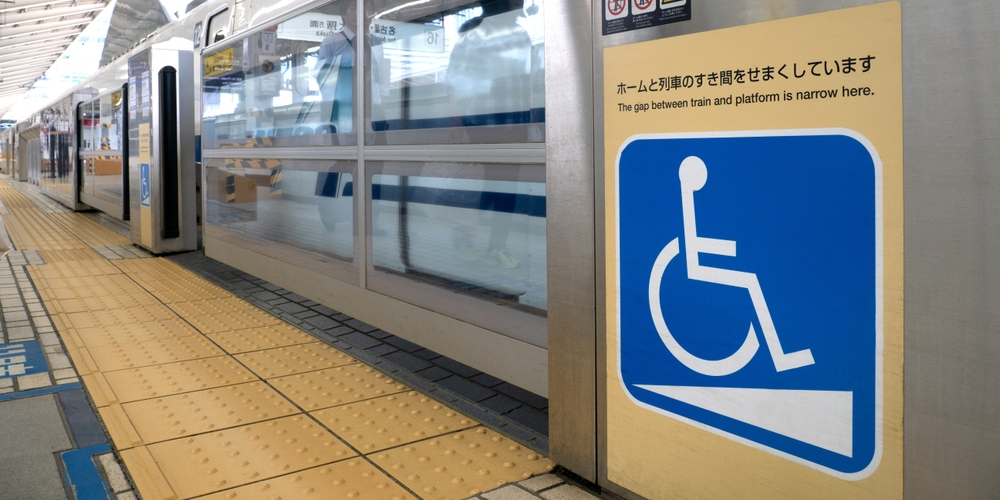
Accessible train in Japan by yoshi0511 via Shutterstock

Japan has made considerable strides in improving accessibility for individuals with disabilities, and the government and corporations continue to apply technology and innovative design to make things as accessible as possible.

Cities and large urban centres are better suited to wheelchair users and the visually impaired than rural locations. In commercial districts, pavements are smooth with cut curbs, while small roads have pedestrian lanes indicated by white lines instead of raised paving.

Historical buildings and gardens still pose a challenge and can be difficult to access for those with limited mobility. Newer buildings are legally required to be accessible.

The world’s first tactile pavement tiles, Tenji blocks, were invented in Japan 60 years ago. Long lines show directions, and circles indicate caution. ‘Tenji’ means ‘Braille’, which you’ll find everywhere – while it’s unique to Japan and different to English Braille, it can be learned.

Trains

Most train stations in major cities have ramps, lifts and stairlifts, although in some cases these are located at the far end of a station. Every ticket gate has at least one mobility accessible lane. Ticket machines are accessible at wheelchair level (in English via touchscreens), and staff are on hand to assist. Crowding during rush hour can make travelling by train more challenging for wheelchair users.

Taxis

Many of Japan’s modern taxis (called JPN Taxi) are modelled on London’s famous ‘black cab’ shape. They have ramps, and the rear seat can fold back to accommodate a wheelchair. Standard taxis without this feature will stow a foldable wheelchair in their boot. Accessible taxis should be booked in advance due to high demand.

Buses

Some city buses have low floors or can be lowered to accommodate wheelchair users. Others have ramps. All city buses have dedicated spaces for wheelchairs with safety belts. Long-distance and airport buses often lack these facilities, making trains or taxis a better pick in this situation.

Useful links


LGBTQ+ in Japan

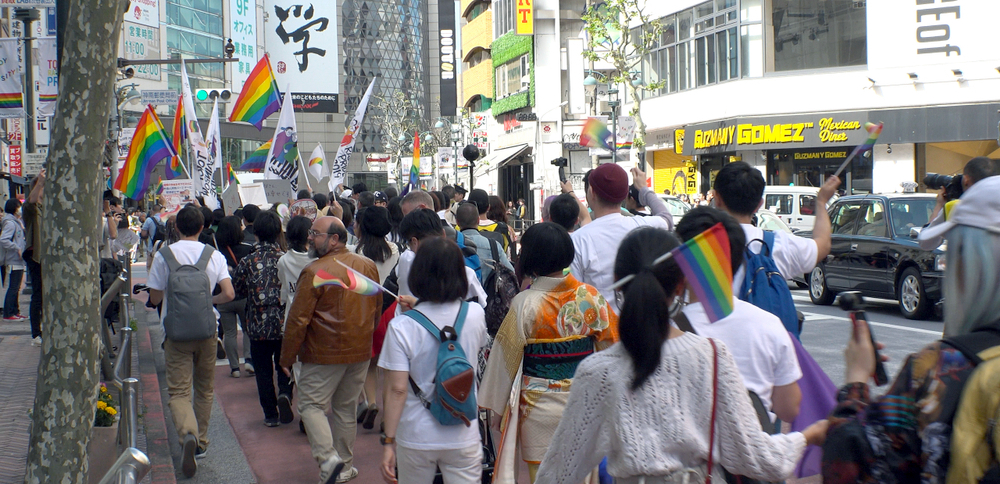
Tokyo Rainbow Pride by StreetVJ via Shutterstock

Homosexuality has been legal in Japan since 1880. LGBTQ+ rights are relatively progressive by Asian standards, although some provisions lack full legal status – noticeably, the government doesn’t recognise same-sex marriage at the national level. Around 90 percent of municipalities and prefectures now issue ‘partnership certificates’ recognising same-sex relationships. This offers some, but not all, of the benefits of legal marriage.

Historically, Japanese culture has shown a lower degree of hostility towards the gay community compared to some other cultures, and survey data suggests that a majority of Japanese citizens are accepting of homosexuality.

Public affection is frowned upon in Japan, regardless of sexual orientation, and should be avoided. Discrimination based on sexual orientation or gender identity is banned in certain cities.

Useful links


Gender equality in Japan

Japan continues to work towards achieving greater gender equality, although it still faces challenges in this area. It falls behind most industrialised nations, including its Asian neighbours, in gender equality. The country is ranked 118th out of 148 countries in the World Economic Forum’s 2025 Global Gender Gap Index.

Women earn under half of what their male counterparts earn and have limited decision-making authority in business or politics. Policies such as ‘Womenomics’ and various phases of the Basic Plan for Gender Equality are delivering progress. However, these are derived from economic strategy rather than driven by societal impacts and the need to improve women’s holistic wellbeing, from safety and security to health, dignity and self-fulfilment.

That said, pressure from within and from global corporations outside Japan is helping to promote greater equality against historic cultural barriers – with ambitious targets set for the next 10 years.

Useful links


Women in leadership in Japan

Japan has one of the lowest percentages of women in managerial positions among OECD countries – around 10 to 13 percent – even though women represent 55 percent of the working population. The government aims for a 30 percent representation of women in managerial positions, but has struggled to make progress in this area.

The underlying reasons for this discrepancy are multifaceted, extending beyond mere discrimination or patriarchy. They include deep-rooted societal norms, the imbalance of care responsibilities often shouldered by women, and a work culture that traditionally values long hours, which can conflict with family responsibilities.

Useful links


Mental health in Japan

Like in any society, individuals in Japan can experience problems with emotional wellbeing through concerns about work, family, finances or the future, while neglect or abuse may also negatively affect mental health. Expats are at higher risk for conditions such as depression and substance use disorders than the general population.

Psychiatric support for mental health is widely available in Japan, and 70 percent of the cost is covered by national health insurance. Although less affordable and not financially supported, psychological counselling is also easy to find in Japan.

Stigma around mental health conditions can prevent sufferers from seeking help. Japanese culture values group wellbeing over individual health and promotes stoicism. It’s important to understand that mental illness is not an individual failure, but simply a medical condition. Seeking professional treatment can be daunting, but it is a vital step on the road to recovery.

Useful links

  • TELL Japan – English support and counselling for Japan’s international community

Unconscious bias in Japan

Bias around gender, age and ethnicity inhibits effective hiring, limits development, and lowers staff morale. Efforts are underway by both the government and academic institutions in Japan to address and reduce unconscious bias, with a focus on fostering an environment of fairness and impartiality. The aim is to create a society where diverse views and backgrounds are seen as a catalyst for innovation and progress.


Diversification of the workforce in Japan

Japan, where 98 percent of the population is ethnically Japanese, is known for its homogeneity. However, it is also a welcoming country for visitors and overseas professionals.

It’s worth noting that the Japanese government has started initiatives to attract more foreign workers to address labour shortages due to the country’s rapidly ageing population. While instances of xenophobia or discrimination are infrequent, they can occur, particularly targeting migrant workers from countries like China and Korea.

Creating a work environment that is welcoming to people from all walks of life is slowly being recognised by employers as a vital piece of the puzzle when it comes to employee wellness. More companies are implementing diversity and inclusion programmes to improve outcomes.


Safety in Japan

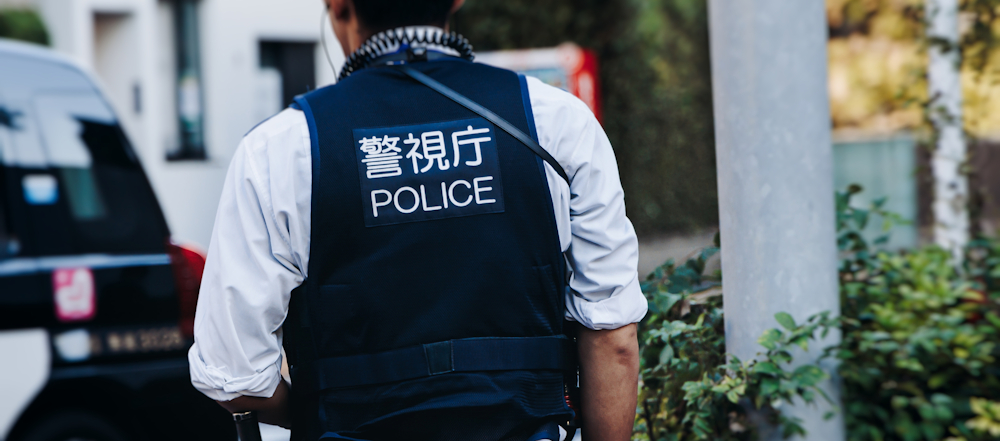
Police officer in Japan

Japan is renowned as one of the safest countries in the world. To maintain this status, the government has implemented measures such as increasing police numbers and expanding the use of security cameras. In Japan, children can often be seen walking home or exploring shopping malls without adult supervision, and it’s not uncommon for people to leave their bags unattended while visiting bathrooms.

As in any country, crime does exist, and individuals should always take common-sense precautions for their safety. Additionally, there is concern that crimes against women may be underreported, suggesting the need for continued vigilance and preventative efforts.

Useful links


Calendar initiatives in Japan

4 January – World Braille Day 
4 February – World Cancer Day 
8 March – International Women’s Day 
April – Tokyo Rainbow Pride 
7 April – World Health Day 
1 May – International Labour Day 
18 May – Global Accessibility Awareness Day 
July – Rainbow Reel Tokyo 
8 September – World Literacy Day 
10 September – World Suicide Prevention Day 
10 October – World Mental Health Day 
14 November – World Diabetes Day 
18 November – End Child Sex Abuse Day 
25 November – International Day for the Elimination of Violence against Women 
1 December – World AIDS Day 
3 December – International Day of People with Disabilities

Keeping in Touch in Japan

With high-tech infrastructure across the country, expats should have no trouble keeping in touch in Japan. The island nation is renowned for its advanced technology, making it easy and affordable to stay in touch with loved ones back home. It’s worth noting that some services require a Japanese bank account or credit card to set up, and some may also require a residency card.


Internet in Japan

Internet services in Japan

Several internet service providers operate across Japan, each offering distinct services and high-speed internet. Prices vary by type of service, term of contract and current promotions. Some providers have better English language support than others, with Sakura Fiber Internet being a frequently recommended option for expats. Major providers include NTT Docomo and Asahi Net.

WiFi hotspots can also be found throughout Japan (and can be especially useful while waiting for internet access at home). These are plentiful in major city centres, operating from various locations such as coffee shops, hotels and subway stations.


Mobile phones in Japan

Japan is a leader in mobile phone technology, and with cheaper VoIP and mobile options becoming more popular, landline telephones are slowly being phased out. Softbank, NTT Docomo and AU are the three main mobile providers. Both contract and prepaid options are available with prices and plans varying by company, phone, plan, contract and current promotions.


Postal services in Japan

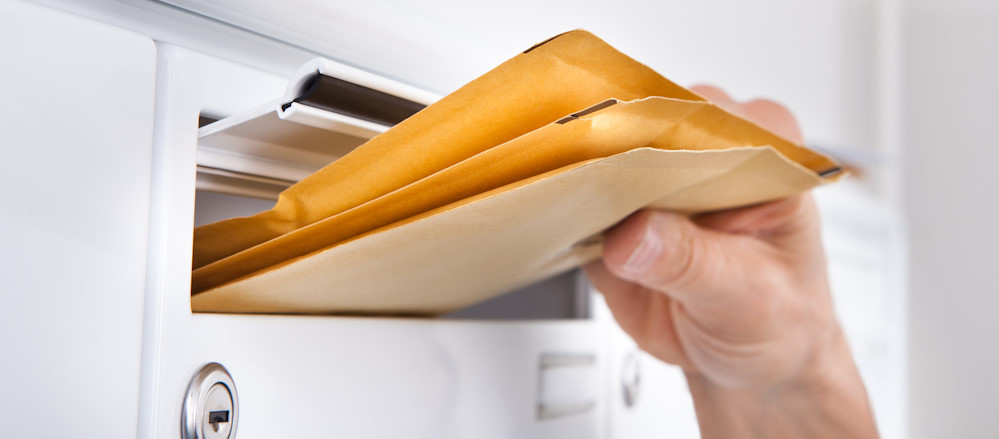
Postal services in Japan

Japan Post is the country’s national postage service and, like much in the country, it’s efficient and reliable. International and local shipping costs are reasonable. Various commercial courier services are also available, including FedEx and DHL.


Print media in Japan

Japan has a rich culture of print media, with numerous newspapers and magazines available both locally and nationally. It boasts some of the highest newspaper circulations in the world. For English-speaking expats, The Japan Times and The Japan News offer comprehensive news coverage in English. Magazines catering to a variety of interests, from fashion to technology, are also widely available. Bookshops and convenience stores typically stock a wide array of print media.

Education and Schools in Japan

A high value is placed on education and schools in Japan, so expats can rest assured they’ll have plenty of options to choose from. This is especially the case in large cities such as Tokyo, Osaka and Nagoya.

Parents can opt for public, private, or international schooling. The suitability of each of these options will vary depending on the length of your family’s stay in Japan, your available budget, the age of your children, and their prior knowledge of Japanese.


Public schools in Japan

School in Tokyo, Japan

In Japan, the Ministry of Education, Culture, Sports, Science and Technology (MEXT) determines the national curriculum for public schools. General subjects are taught in Japanese, although public schools often offer language support alongside the curriculum for international students.

Costs for attending public school in Japan are low as the government subsidises fees – in some cases, these fee subsidies end up covering the entire cost of schooling, making it essentially free.

In Japan, the school year begins in April, with applications opening around December or January. Children must hold a long-term visa to enrol.

Schools in Japan are divided into:

  • Kindergartens (Yochien) – ages 3 to 5
  • Elementary schools (Shogakko) – ages 6 to 12
  • Lower secondary schools (Chugakko) – ages 13 to 15
  • Upper secondary schools (Koto-gakko) – ages 16 to 18

Education in Japan is compulsory from the ages of 6 to 15 (the duration of elementary and lower secondary schooling). During this time, school attendance is determined by zoning, so keep this in mind when deciding where to live.

Upper secondary school is significantly more competitive than previous stages. Public upper secondary schools in Japan are ranked based on their academic performance. Entrance examinations are held to determine attendance, and competition can be intense.

Numerous preparatory schools and tutoring options exist to help students prepare for these exams.

Useful links


Private schools in Japan

Private schools in Japan offer an alternative to the public system, with some schools enjoying a high level of esteem. Admissions to these schools can be competitive. Like their public counterparts, private schools adhere to the national curriculum as determined by the MEXT, but often have more flexibility in how they present the material.

Choosing a private elementary or lower secondary school is an option for parents who prefer this type of education for their children. Unlike public schools of this level, which are assigned based on location, private schools allow more freedom of choice.

Entrance examinations are a standard part of gaining admission to both public and private upper secondary schools. The competitive nature of these exams can create a tense environment, but many preparatory schools and tutoring services are available to help students succeed.

Private schools, similar to public ones, can become challenging for students as they progress, particularly for those not immersed in the system or the language from a young age.


International schools in Japan

Group of students with teacher at an international school

International schools are the most popular option for expat families in Japan. The accreditation systems and curricula of these institutions vary depending on the type of school and its country of origin. Most will teach in English, but some schools cater specifically to French, German, Portuguese, Chinese, or Korean expats, among other nationalities.

Many schools use an American-based curriculum, while some utilise the British or Canadian system. The International Baccalaureate is globally accredited and is another popular offering.

Admission requirements for international schools vary significantly among different institutions. For instance, some schools may require proof of proficiency in English if it isn’t the child’s first language. Tuition and costs also vary. Aside from basic tuition, there may be additional costs for uniforms, extracurriculars, field trips, bus services, and even technology and building maintenance fees.

While tuition fees at international schools can be high, many schools offer various forms of financial aid, including scholarships and payment plans. Parents are encouraged to contact the schools directly to discuss these options and make an informed decision that best suits their family’s financial situation.

Read more


Homeschooling in Japan

Some expat parents opt to homeschool their children while in Japan. There are no specific legal provisions in favour of homeschooling, so it can be a bit of a grey area, but it’s by no means an unsupported choice. There are active homeschooling communities and resources available in Japan for parents to tap into for assistance and guidance.

Elementary and lower secondary school are compulsory in Japan, whereas higher secondary school is optional, so parents must request permission from their ‘enrolled’ school to homeschool their children. The ‘enrolled school’ is typically the school assigned based on the expat’s address.

In principle, schools generally understand the situation and agreeing to the expat’s request makes their job easier, particularly if the school in question does not have English support.


Special educational needs in Japan

Braille keyboard

Japan’s approach to special needs education is inclusive and varied. For students within the public school system, support can range from accommodations within a general education classroom, pull-out sessions in special resource rooms, to more specialised classrooms depending on the child’s needs. Resources such as speech therapy, occupational therapy, and psychological services are typically available, although the availability can vary by location.

Children with severe disabilities may find dedicated special needs schools more beneficial. These institutions, which are run by local governments, cater to students from kindergarten through senior high school. The curriculum in these schools is the same as in public schools, but they also have added activities that teach daily living skills.

Various international schools also offer support for specific conditions or disabilities, although usually at an additional fee. There are also schools following the Waldorf Steiner and Montessori methods. These institutions have a more flexible approach to education and are known to cater to the individual needs of each student.

Useful links


Tutors in Japan

Given the competitive nature of schooling in Japan, it’s not uncommon for students to have multiple tutors, each specialising in a different school subject. Especially for expat children, having a tutor in Japan may be helpful. A tutor can assist a child in maintaining their mother tongue or learning Japanese. If a child is attending a school with a new curriculum, a tutor is an excellent way to catch up.

Tutoring is popular in Japan, resulting in numerous tutoring companies emerging across the country. While expats may be spoilt for choice, they should thoroughly research all options before choosing a tutor. Schools will also often recommend trustworthy tutors.

Useful links

  • Amazing Talker is a language tutoring site with online and in-person options.
  • Preply is a well-known tutoring company with tutors available for various subjects and ages.

Visas for Japan

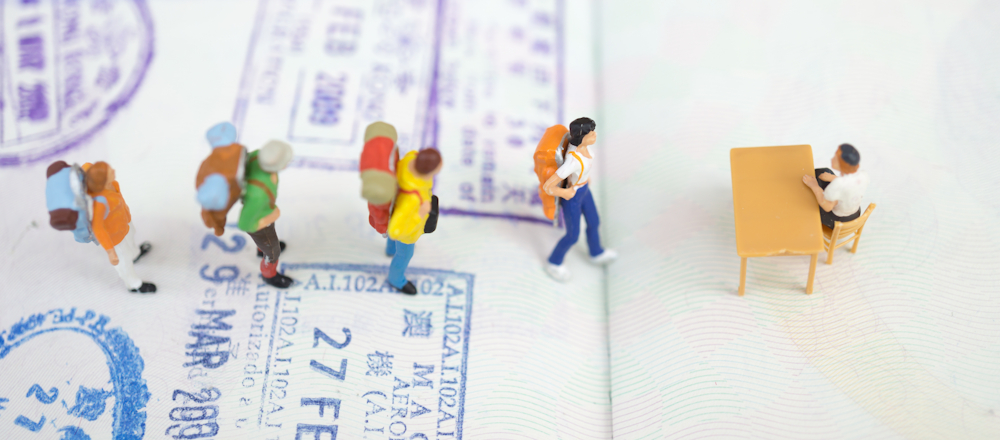
If you are a temporary visitor to Japan, you may need a visitor visa for stays of up to 90 days. Citizens from countries such as the USA, the UK, Canada, Australia, and New Zealand, as well as EU nationals, are exempt from this requirement.

If you plan to stay in Japan for longer than three months or engage in paid work, you must apply for a long-term visa. Sightseeing and tourist activities are allowed on tourist visas in Japan, but engaging in employment is illegal.


Temporary visas for Japan

If you are not from a visa-exempt country and would like to visit Japan for tourism purposes, attend a conference, or conduct research, you will need to apply for a temporary visa for Japan. The validity of a Japanese temporary visa (usually 14, 15, 30, 60, or 90 days) depends on your nationality, the purpose of your visit, and reciprocal arrangements between Japan and your country. You can apply for a temporary visa at a Japanese embassy or consulate before arriving in the country.

You will need to complete an application form and submit proof of return flights. If you are travelling to Japan on business, additional documents, such as a letter from your company stating the nature of your visit, may be required.

eVisas

Japan has introduced an electronic visa (eVisa) system to make the application process more convenient. As of November 2024, residents of countries including Australia, Brazil, Canada, Saudi Arabia, Singapore, South Africa, Taiwan, the UK, and the USA can apply online.

The eVISA system allows you to complete the process electronically without visiting a Japanese embassy or consulate in person. Designed for short-term tourism, eVisas typically allow a stay of up to 90 days.

Useful links


Long-term visas for Japan

Passport approval line

If you are planning to live and work in Japan for an extended period, you must apply for a long-term visa. There are different requirements depending on your purpose in the country. Long-term visas should be applied for before entry into Japan. Work permits for Japan fall under this category.

Certificate of Eligibility

If you wish to study, live, or work in Japan, you are usually required to obtain a Certificate of Eligibility before applying for a long-term visa at a Japanese embassy. Your sponsor in Japan, such as your employer or school, will apply for the certificate on your behalf, verifying that you meet the requirements for a visa. This certificate is typically valid for three months, so you need to obtain your visa and arrive in Japan before it expires.

Read more in Work Permits for Japan

Useful links


Getting a residence card for Japan

If you arrive in Japan on a long-term visa or intend to work there, you must get a residence card (known as a Zairyu Card). You can do this on arrival at any of Japan’s main airports. If you arrive at a non-designated port of entry, you will need to register your address with the local municipal office within 14 days of moving in, and your residence card will be delivered by mail to your registered address. The exact delivery time can vary, but it generally takes around 10 days.

The residence card is valid for one to five years, depending on the type of visa you hold. It may or may not automatically allow multiple reentries into the country, depending on the specific conditions of your visa.

Having a residence card in Japan allows you to register for essential services, such as opening a bank account, getting a mobile phone contract, obtaining a driver’s licence, or registering for the National Health Insurance benefits. Services like bank accounts or mobile phone contracts may require additional proof, such as employment details or a guarantor, especially for international residents.

Useful links


Permanent residency in Japan

If you are applying for permanent residency in Japan, you can do so through a points-based system, which is usually utilised by Highly Skilled Foreign Professionals, or you can apply based on your length of residency and other factors. Points are awarded based on factors such as your profession, work experience, academic qualifications, age, achievements, salary, and knowledge of the Japanese language.

Japan’s points-based system evaluates applicants in categories like academic background, professional experience, income, age, and achievements. If you’ve lived in Japan for three years, a minimum of 70 points is required to qualify, while those in Japan for one year need at least 90 points. Higher degrees and specialised skills contribute significantly to the score.

Another option is to apply for permanent residency based on your length of stay and integration into Japanese society. Typically, applicants who have lived in Japan for 10 years or more are eligible, although shorter periods may apply for highly skilled professionals.

Useful links

Visa and work permit requirements are subject to change at short notice, so you are advised to contact your nearest Japanese embassy or consulate for the latest information.

Transport and Driving in Japan

Transport in Japan is generally fast, efficient, and reliable. Expats living in large cities have easy access to all forms of transport. Owning a car is largely unnecessary in Japan, and driving can be unpleasant due to high levels of traffic congestion. For long-distance travel, trains connect the country fairly well, and buses travel over extensive networks across the country.

Smaller cities and towns often have fewer, less frequent, or less accessible options. In these areas, owning a car may be a worthwhile investment.


Public transport in Japan

Train in Japan with water, hills and trees in background

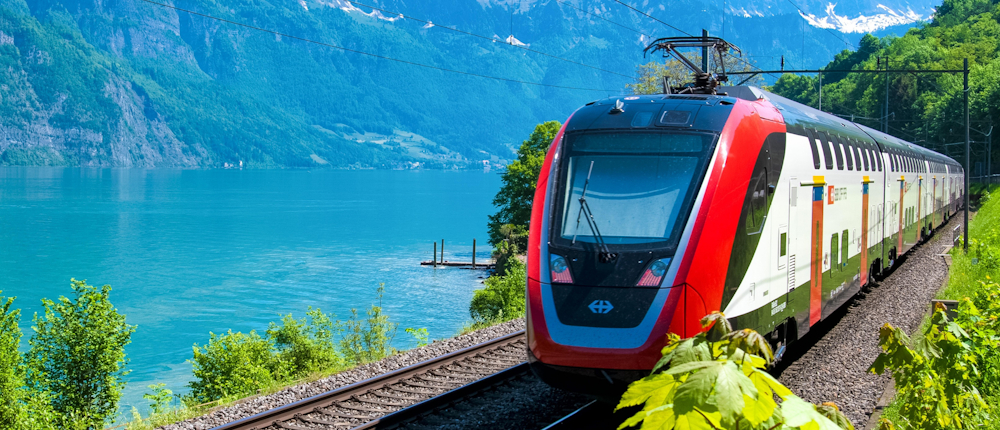
Expats won’t be disappointed by the availability and the excellent standard of public transport in Japan. The country has some of the world’s fastest and most modern rail services. Buses also provide a means of accessing the more remote locations in Japan.

Trains

Rail is one of the fastest and most efficient ways of getting around in Japan. Super express trains, otherwise known as Shinkansen or bullet trains, connect most of the country’s major cities, allowing for fast commute times and accessibility for expats, locals and tourists alike.

The Japan Railways (JR) group of companies owns and manages all Shinkansen trains. Tickets can be purchased online, at JR stations or via designated sellers.

Expats who travel regularly should obtain the relevant smartcard for their area. These act as rechargeable tickets when riding JR and some private lines. Cards like Suica and Pasmo can also be used for buses, subways, and even purchases at certain vending machines and shops, and they can be easily recharged.

Most major cities, such as Tokyo, Yokohama and Osaka, have subway systems.

Buses

Where a train line ends, a bus typically starts. In major tourist areas, English will be displayed on the screen, and arrivals as well as departures will be announced in English. In smaller cities, Japanese will be the only language displayed or heard. Most train stations with bus terminals will have some kind of bus information booth, often with someone on staff during the day to help. However, service in English can be limited.

Useful links


Taxis in Japan

Taxis are a popular transport option for expats living in big cities without cars. Beware, though, that rates are costly and can quickly add up. Many drivers don’t speak English fluently, so it’s best to know the destination in Japanese or have the address written down to show them.

Ride-hailing services, such as Uber, are available in Japan’s major cities and are particularly useful for overcoming language barriers. Due to legal restrictions, Uber primarily operates as a taxi-hailing service rather than a ride-sharing service as in other parts of the world.

Useful links


Driving in Japan

Many people in Japan own a car, and it may be necessary to have your own vehicle in some parts of the country. This is generally not necessary in major cities, where owning a car can be more of a hassle than a convenience.

Driver’s licences

Expats will usually need an International Driver’s Permit to drive in Japan upon arrival, although some nationalities can use their licence from home as long as it’s accompanied by an official Japanese translation. These licences are valid for up to one year, after which it’s necessary to get a Japanese driver’s licence.

Some nationalities can simply swap their home country licence for a Japanese one, while others will have to take a written and practical driving test before receiving a Japanese licence. It’s worth noting that the process of getting a Japanese driver’s licence can be quite rigorous, particularly for nationalities that have to take written and practical tests.

Useful links


Cycling in Japan

Bicycle with a front basket

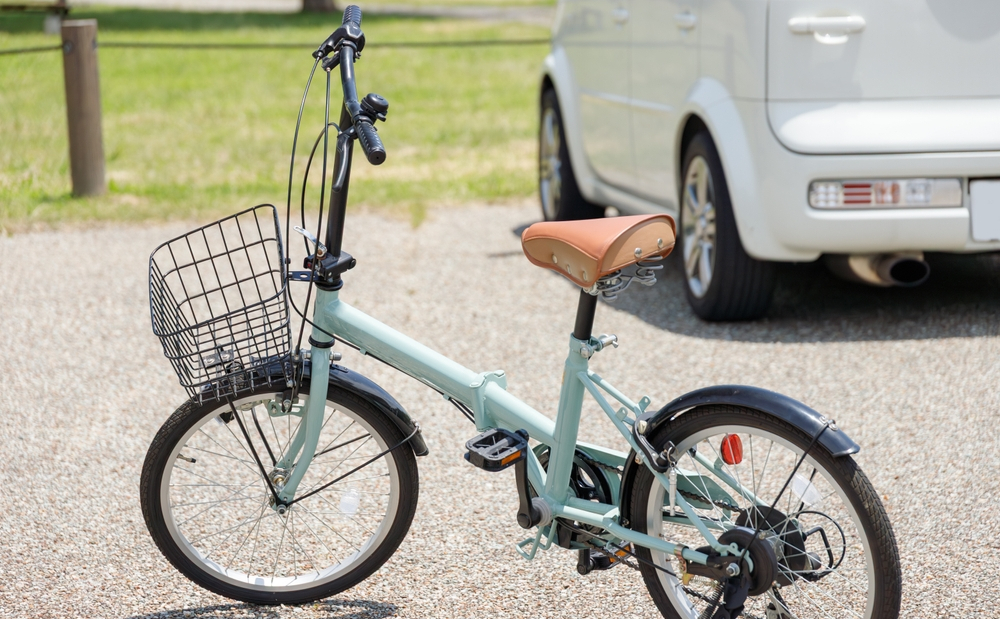
No matter where you live in Japan, it would be nearly impossible to go a day without seeing someone riding the ubiquitous bicycle. Most train stations and public areas provide large bicycle parking areas to cater to the vast majority of people who often travel on two wheels. This also includes scooters, which require a special licence to operate but are typically much easier and cheaper than driving a car.

Most bicycles used for daily commutes are fondly known as mamachari (mom’s bike) – inexpensive, plain, and practical, often featuring a front basket. Speciality bike shops that sell popular mountain, road and cross-country bikes are also available.


Air travel in Japan

Japan’s air travel infrastructure is comprehensive and efficient, making it an excellent option for both domestic and international travel. The country has numerous airports with frequent flights, connecting major cities such as Tokyo, Osaka, Sapporo, and Fukuoka, and providing quick access to more remote areas such as Okinawa and Hokkaido.

Two major airlines dominate the Japanese skies: Japan Airlines (JAL) and All Nippon Airways (ANA), both offering extensive domestic and international flight networks. There are also several low-cost carriers, including Peach Aviation and Jetstar Japan, which provide affordable options for domestic travel and some international routes.

Travelling by air within Japan can be an efficient way to cover large distances, especially when the journey involves crossing the sea. However, for shorter distances, trains often provide a more cost-effective and environmentally friendly alternative.

Doing Business in Japan

Despite some recent economic and environmental challenges, Japan remains one of the world’s key economies and an important business destination for expats.

The most significant drawbacks to doing business in Japan are the cumbersome and expensive tax regimens and the complexity involved in starting a business. In addition, Japanese culture and business practices contain many pitfalls for the uninformed businessperson. Understanding these will be key to success.


Fast facts

Business hours

Although the usual workweek is from 8am to 5pm, Japan is known for some of the longest working hours in the world. By law, employees aren’t supposed to work more than 40 hours a week, but most work significantly longer hours, as it’s seen as a sign of dedication to the workplace.

Business language

Japanese. English is not widely spoken, especially outside of Tokyo, and a translator may be required for business meetings.

Dress

Formal business attire is expected. Dark suits are commonly worn.

Greetings

Greetings are formal. A bow is the usual Japanese greeting, but locals will often offer a handshake to foreigners. Take note of how others are greeting and follow their example.

Gifts

Gifts are not always expected, unless they’re small items branded by or representing one’s company. The presentation of the gift is also important. Receiving a gift should be done using both hands.

Gender equality

Equality of men and women in the workplace is improving, but Japan is still well behind much of Europe and the US.


Business culture in Japan

Global business culture

To be successful in business in Japan, expats need to invest time in getting to grips with the local business culture. Many aspects of Japanese business etiquette may seem unusual to American and European businesspeople. However, you’ll need to learn these nuances and engage appropriately with Japanese business associates if you wish to be taken seriously within local business circles.

Kaizen

Underlying Japanese business culture is the notion of ‘kaizen’ – the drive for constant improvement. This is reflected in the hard work ethic, excellent customer service, and never-ending quest to innovate and improve business practices.

Formality and respect

When dealing with Japanese clients, it’s a good idea to be excessively formal in everything from conduct to dress code. There are specific, unspoken rules of business etiquette that govern most situations.

When meeting hosts or business associates for the first time, receive their business card respectfully with both hands, as the card is taken to represent the individual. The delegation should be greeted in order of seniority. Bowing is the usual greeting in Japan, but some local businesspeople will offer a handshake to Westerners. It’s best to observe how others are greeting and follow suit.

Reflection and silence

Silence during meetings is not uncommon, even accompanied by closed eyes. In American or European workplaces, this might signify the meeting is going rather badly, while it signals a period of reflection in Japan. Don’t interrupt or feel the need to speak and fill the silence.

Saving face

Expats doing business in Japan should note that it’s important to be sincere and honest without being confrontational or too direct. Vague forms of expression are best used – there’s an art to deflecting a difficult question to avoid causing anyone embarrassment or disappointment.

Networking

Meetings often begin with excessive small talk as rapport is built and relationships are established. This phase mustn’t be rushed. Note that decisions are seldom made in the actual meeting, where it’s more usual to exchange information or confirm previously made decisions.

Socialising with colleagues

The Japanese tend to respect a calm, humble, introverted personality style, while the brash extrovert may be considered untrustworthy and offensive. There’s an exception to this, though, and it starts once the meetings are over for the day and the evening’s social activities commence.

This is where the sombre, sober rules of engagement that govern the office culture can be suspended in favour of relaxed socialising. In fact, going drinking with a client and getting tipsy – or at least as tipsy as they are – may be considered a key part of solidifying the relationship and progressing the deal. Rest assured that nobody will speak of the evening’s more salacious events after business etiquette is restored in the morning.


Dos and don’ts of business in Japan

  • Do get bilingual business cards printed with Japanese on one side
  • Don’t write on a Japanese business card, wave it around or flick it
  • Do accept a business card with two hands and a slight bow, and treat it with respect
  • Do use titles when greeting people
  • Do be on time, or if being late is unavoidable, apologise profusely and repeatedly
  • Don’t take just any seat at a meeting; wait to be placed
  • Do make notes during meetings, but avoid using red ink

Work Permits for Japan

Work permits in Japan are issued in the form of a work visa, which grants the holder permission to enter and work in the country. Japan offers a range of categories for different types of work and lengths of stay.


Types of work permits for Japan

There’s a wide variety of visa options available for work and long-term stays in Japan. These include highly skilled professional visas and working visas that cover roles such as professors, artists, journalists, business managers, medical professionals, technical interns, researchers and instructors, among others. Additionally, there are visas for specific skilled workers and start-up entrepreneurs.

These cover a variety of professional areas, and the type of work an expat intends to do will determine the visa they will apply for. Most expats will fall under the Working Visa, which is divided into subcategories. Of particular interest to expats is the Specified Skilled Worker subcategory, while English teachers will apply for either the Instructor or Specialist in Humanities/International Services subcategory.

Useful links


Obtaining a Certificate of Eligibility in Japan

If you wish to study, live, or work in Japan, you are usually required to obtain a Certificate of Eligibility (CoE) before applying for a long-term visa at a Japanese embassy. Your sponsor in Japan, such as your employer, will apply for the certificate on your behalf, verifying that you meet the requirements for a visa. This certificate is typically valid for three months, so you need to obtain your visa and arrive in Japan before it expires.

Due to complex documentation requirements, securing a CoE can be challenging. You will need to provide proof of financial stability, detailed personal information, and documents relating to your purpose of stay. The process can take one to three months, and any delays might affect your travel plans. Having a reliable sponsor in Japan, such as an employer, is essential since they submit the application on your behalf. Even minor discrepancies in the paperwork can lead to rejection, so it’s important to be thorough.

You don’t need to change your visa status if you change employers while in Japan, as long as you still work in the same visa category. You can renew your visa from within Japan on an annual basis at the local Immigration Office. The renewal process has recently been streamlined, with some visa categories now eligible for online renewal, and extended validity periods introduced to ease the burden of frequent renewals.


Specified skilled worker visas in Japan

The specified skilled worker subcategory is split further into two types of visa. These visas aim to encourage foreign workers to fill employment gaps in the Japanese labour market.

Expats working in one of 16 specified fields, including construction, agriculture, and nursing care, are eligible to apply for this visa. The visa is valid for one year and can be renewed for a maximum of five years.

Specified Skilled Worker (i)

Under this visa, expats are authorised to live and work in Japan, but can’t bring dependants with them. If you wish to stay in Japan for more than five years, or if you want to bring your family with you, you’ll need to apply under the second category.

Specified Skilled Worker (ii)

This visa can be renewed indefinitely, and allows holders to bring their families to Japan. Only foreigners already in Japan under the first visa and who have a high level of specialisation in their field can apply for this visa.

Useful links


Work visas for teaching English in Japan

Your intended place of employment will determine which Working Visa subcategory you’ll need to apply for. They are as follows:

  • Instructor (for expats working in public schooling)
  • Specialist in Humanities/International Services (for expats working in private schooling)

Both categories are renewable and valid for 3 months, 1 year, 3 years, or 5 years.

Useful links

Visa and work permit regulations are subject to change at short notice, and expats are advised to contact their nearest Japanese embassy or consulate for the latest information.

Moving to Japan

Living in Japan as an expat

A small island chain in the Pacific, Japan has a big reputation for technology innovation and is a bucket list destination for many, thanks to its fascinating history and culture. Expats moving to Japan often come for work initially but end up staying longer than intended as they encounter all the adventures and experiences that the island nation has to offer.

Working in Japan

Working in Japan can be especially lucrative for expats. Despite the country’s reputation as one of the most expensive destinations in the world, competitive markets have made for good salary offerings for expats.

A thriving economy and numerous multinational companies mean there are plenty of opportunities on offer, especially in Tokyo, but the application process can be competitive. Highly skilled and experienced expats should put time and effort into networking and presenting themselves well.

Being able to speak Japanese is a big plus, but it isn’t required for most expat jobs. Japan’s work culture can take some getting used to, so it’s essential that expats making the move read up on local business etiquette.

Finding a Job in Japan 
Business Culture in Japan

Japanese culture
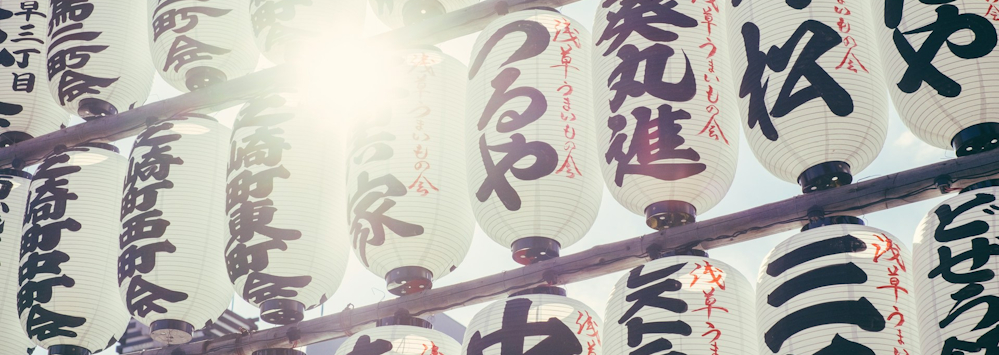
Japanese lanterns by Freddie Marriage via Unsplash

Japan prides itself on its innovation, strong economy and rich heritage. Expats frequently comment on the ever-shifting tension between the country’s strong traditionalist roots and its worship of modern technology and forward-thinking ideals.

Like most major global cities, life in Tokyo is fast-paced and full of exciting and unusual experiences. In the countryside and smaller cities, expats will be more likely to taste the traditional Japan of old, commonly associated with tea ceremonies, tatami mats and rice paddies. While Kyoto feels more tranquil and laid back, Osaka boasts a bustling nightlife and is a popular destination for live international performers.

Great pride is taken in Japanese regional variations and specialities, making for a strangely differentiated experience at times. That said, the entire country has a highly developed infrastructure, with efficient public transport systems, postal services, communications technology and road networks.

Moving to Tokyo 
Moving to Osaka 
Local Culture in Japan

Finding accommodation in Japan
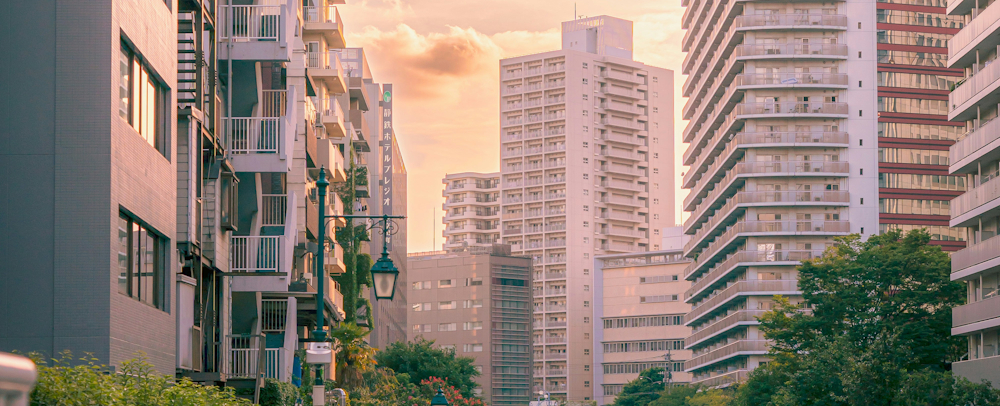
Space comes at a premium in Japan, so the vast majority of accommodation is in the form of apartments. Expats tend to end up paying more for a much smaller space than they may be used to. On the upside, newer buildings include clever design choices that ensure every inch of space in a home is used well, from multifunctional, fold-away furnishings to built-in storage.

Finding and securing a rental in densely populated Japan can be tricky, especially in Tokyo. Using a bilingual real estate agent tends to be the best way to get a jump on the competition, and they can also help navigate any language barriers.

Renting Expat Accommodation in Japan 
Best (and Worst) Expat Areas in Tokyo

Cost of living in Japan

Tokyo is infamous for being one of the world’s most expensive cities to live in, and other major Japanese cities also command a pretty penny. The vast majority of Japan’s expats live in Tokyo, Osaka or Nagoya.

Tokyo is by far the most expensive Japanese city, followed by Osaka, Nagoya, and Yokohama. Rural areas are much cheaper, but salaries are lower too, and most expats moving here for work will find themselves in business centres rather than in the countryside.

Cost of Living in Japan 
Cost of Living in Tokyo

Living in Japan with children

Japan has a lot to offer families and is a wonderful place to raise children. The country is extremely safe, with little crime. Healthcare and schooling are of high quality, although some expat parents prefer to send their child to an international school rather than a local one. On weekends, there’s lots to explore, including Tokyo’s very own Disneyland.

Best Attractions in Tokyo 
Shopping, Entertainment and Eating Out in Tokyo 
Kids and Family in Tokyo

Finding a school in Japan
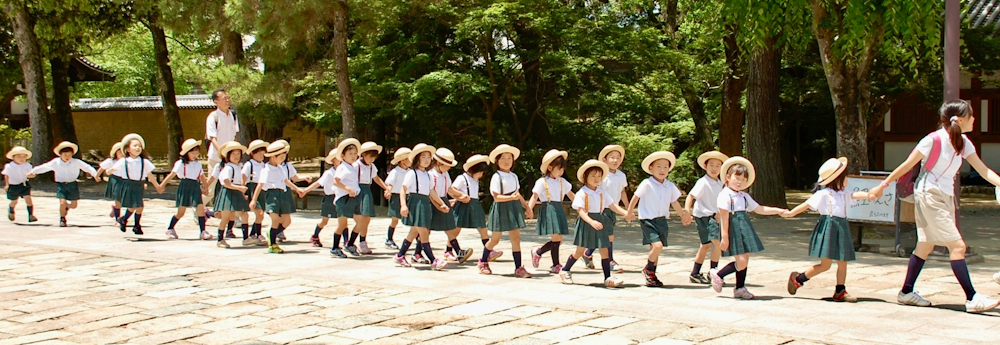
Schoolchildren in Japan by Lies Ouwerkerk via Shutterstock.

While Japan has excellent local schooling options available, many expats prefer to send their children to one of the country’s international schools. Most are based in Tokyo and provide an array of curricula, ranging from national systems like those of the US and UK to options with a global focus, such as the International Baccalaureate.

The downside of international schools is the cost. Tuition fees are high and increase with age, and there are additional expenses, including uniforms, excursions, extracurriculars, and school lunches. If you’re moving to Japan for work, it’s a good idea to bring these costs to the negotiation table, as they’re commonly included as benefits for expat parents.

Education and Schools in Japan 
Best International Schools in Tokyo

Getting around in Japan

Getting around is easy in Japan, thanks to a highly advanced public transportation system. From zipping around in shinkansen (bullet trains) to sightseeing on a leisurely boat ride, Japan has it all. For the most part, driving isn’t necessary, although expats with children or those who want to explore the countryside might find owning a car useful.

Public Transport and Driving in Japan 
Getting Around in Tokyo

Climate in Japan
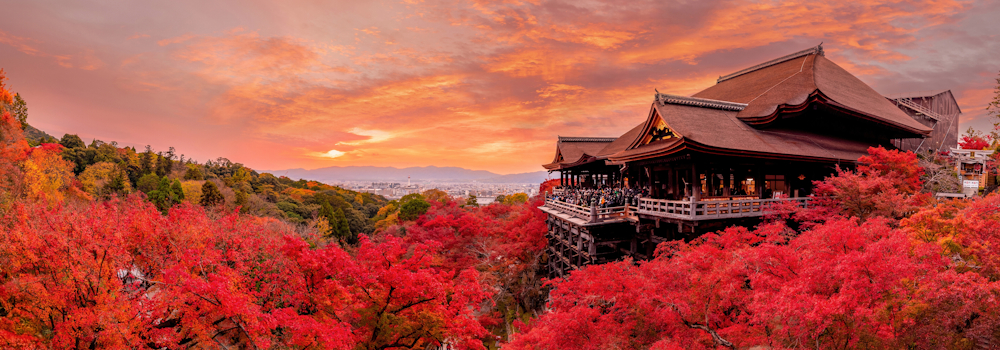
Japan’s climate is quite diverse, with each region having its own distinct weather patterns. In the northern regions such as Hokkaido, winters are long and harsh with heavy snowfall, while summers are cool and mild. The central region, including Tokyo, experiences hot and humid summers and cold winters with occasional snowfall.

The Kansai region, where cities like Osaka and Kyoto are located, experiences relatively mild winters and hot, humid summers. Further south, regions like Okinawa have a subtropical climate with warm winters and hot, rainy summers. Understanding these regional climate variations is crucial for expats when deciding where to settle in Japan.

Climate Charts for Japan

Expats moving to Japan with an open mind will find themselves immersed in the wonderful idiosyncrasies of Japanese culture, coupled with abundant opportunities for adventure and degrees of acculturation.


Fast facts
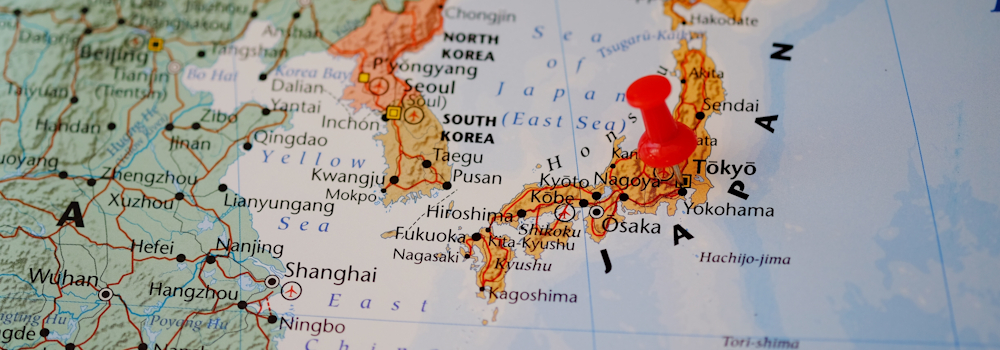
Population: About 123 million

Capital city: Tokyo (also the largest city)

Neighbouring countries: Japan is an island nation in East Asia, with its closest neighbours being North Korea, South Korea, Russia and China.

Geography: Japan’s terrain is mostly rugged, with over 70 percent of the country being mountainous. The country’s highest mountain is Mount Fuji, which reaches an elevation of 12,388 feet (3,776m). Japan is also located in a volcanic zone. Low-level earthquakes and tremors are common. More severe earthquakes do occur occasionally.

Political system: Unitary parliamentary constitutional monarchy

Major religions: Shinto and Buddhism, although many Japanese people don’t practice one specific religion

Main languages: Japanese. English is only spoken by a small percentage of the population, although younger locals in large cities will likely speak more fluent English.

Money: The Japanese Yen (JPY) is the official currency used in Japan. The banking system is sophisticated, and ATMs are readily available throughout the country.

Time: GMT+9

Electricity: 100V, 60Hz in the west (Osaka, Kyoto, Nagoya, Hiroshima), and 100V, 50Hz in the east (Tokyo, Sapporo, Yokohama). Flat two and three-pin plugs are used.

Internet domain: .jp

International dialling code: +81

Emergency numbers: 110 (police), 119 (ambulance/fire)

Driving: Cars drive on the left-hand side. Japan has an extensive and sophisticated public transport system. It’s unlikely that expats living in major cities will need a car.

Cost of Living in Japan

The cost of living in Japan tends to be high, but Japanese salaries are also quite lucrative. This makes it entirely possible to live a good life in Japan without breaking the bank – and the average Japanese standard of living ranks among the best in the world.

The vast majority of Japan’s expats live in Tokyo, Osaka, or Nagoya, the three largest urban areas. Tokyo is by far the most expensive city in Japan, although Yokohama and Nagoya are also fairly expensive. Expats living in Japan’s rural areas will enjoy a lower cost of living than in the urban centres.


Cost of accommodation in Japan

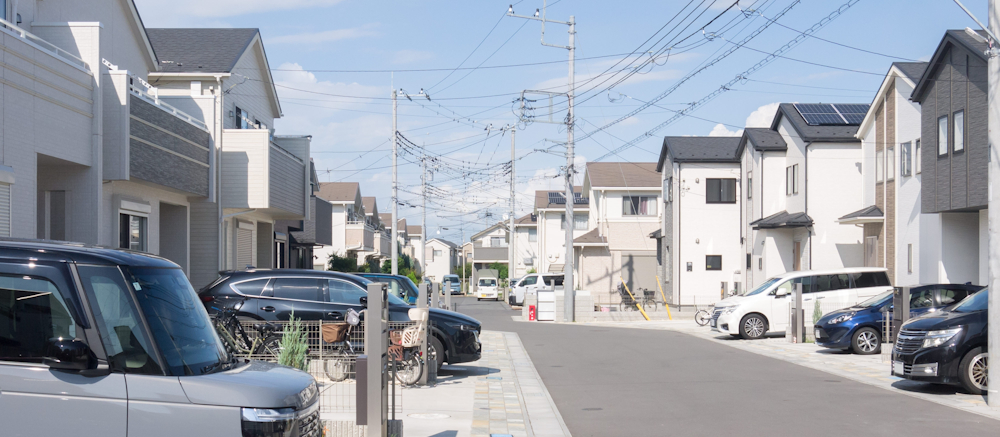
Your most significant monthly expense in Japan will undoubtedly be accommodation, but choosing carefully can reduce costs. The housing market offers a wide range of options, from apartments in high-rise buildings to traditional Japanese houses.

In major cities like Tokyo and Osaka, apartments are the most common housing type. They range from compact studios to larger, multiple-bedroom options. When searching for accommodation in Japanese cities, it’s worth bearing in mind that space is at a premium, and even smaller spaces can come with a hefty price tag.

On the outskirts and in less densely populated areas, you may find detached houses, frequently featuring traditional Japanese architectural elements. Although these are generally more affordable, you’re likely to face fierce competition for any type of accommodation, so it’s best to start the house hunt well in advance.

Renting Accommodation in Japan 
Best Areas and Suburbs in Tokyo


Cost of transport in Japan

While public transport in Japan is expensive compared to other Asian countries, its efficiency and convenience are unparalleled, making it the easiest way to navigate the country.

Japan’s train system is extensive, punctual and of excellent quality, with the Shinkansen, or bullet train, connecting major cities at remarkable speeds. In urban areas, metro systems are the primary mode of transport, offering affordable and frequent service. Buses fill in the gaps and provide connectivity in areas not served by trains.

Most expats opt not to purchase a vehicle, as driving in bustling Japanese cities tends to be more of a hassle than it’s worth, with steep costs associated with parking, tolls and fuel. Instead, bicycles are popular for short-distance travel, providing a cost-effective and environmentally friendly alternative.

Public Transport and Driving in Japan


Cost of food and groceries in Japan

Japan is a haven for food enthusiasts, offering everything from sushi bars and traditional tea houses to international fast food and street stalls, catering to all tastes and budgets. The absence of a tipping culture in Japan can also make dining out more affordable than in other countries. Japan’s convenience stores also offer a surprisingly diverse selection of affordable, ready-to-eat meals, making them a fantastic option for a quick and inexpensive bite.

While vegetables and fruit might seem rather expensive initially, they are always top quality, fresh and usually locally grown. Seafood is relatively inexpensive, and most supermarkets offer evening discounts to clear out that day’s stock (fresh foods are rarely kept for sale the next day).


Cost of entertainment and nightlife in Japan

Japan’s entertainment spectrum spans from traditional theatres and sumo matches to modern cinemas, nightclubs, and amusement parks. With careful planning, you can access these affordably, using discounts or drink-inclusive cover charges.

Japan also hosts numerous cultural festivals throughout the year, many of which are free. These events, featuring traditional music, dance and food, offer a cost-effective and unique opportunity to appreciate Japan’s rich cultural heritage.

Izakayas, Japanese-style pubs, offer affordable options and are favoured by locals and expats alike. They regularly offer nomihoudai (all-you-can-drink) and tabehoudai (all-you-can-eat) deals, which can be an economical way to enjoy a night out.

Shopping, Entertainment and Nightlife in Tokyo 
Top Attractions in Tokyo


Cost of education in Japan

If you’re relocating to Japan with children, you’ll need to factor in the cost of schooling. Most expats send their children to an international school that teaches a non-Japanese curriculum, typically that of the US, UK or International Baccalaureate.

International school fees in Japan can be expensive, but these schools also typically offer excellent facilities and high teaching standards. Parents should also note that extra costs, such as uniforms, stationery and field trips, frequently aren’t included in the tuition fees, so parents will need to account for these as well.

Education and Schools in Japan 
Best International Schools in Tokyo


Cost of healthcare in Japan

Japan has universal public healthcare, and costs tend to be low, with public health insurance covering 70 percent of medical expenses. The standard of care in both public and private hospitals is high, as Japan’s healthcare system is one of the best in the world. Researching the different public and private options available is still a good idea.

Healthcare System and Health Insurance in Japan


Cost of living in Japan chart

Prices are listed in Japanese yen (JPY) and may vary depending on the product and service provider. The list below shows the average prices for Tokyo in November 2025.

Accommodation (monthly rent)
Three-bedroom apartment in the city centreJPY 350,000
Three-bedroom apartment outside the city centreJPY 200,000
One-bedroom apartment in the city centreJPY 160,000
One-bedroom apartment outside the city centreJPY 99,000
Shopping
Eggs (dozen)JPY 355
Milk (1 litre)JPY 230
Rice (1kg)JPY 850
Loaf of white breadJPY 210
Chicken breasts (1kg)JPY 1,150
Cheese (500g)JPY 1,000
Eating out
Three-course meal for two at a mid-range restaurantJPY 7,000
Big Mac MealJPY 750
Coca-Cola (330ml)JPY 180
CappuccinoJPY 520
Draft beer (500ml)JPY 600
Utilities/household
Mobile phone monthly plan with calls and dataJPY 4,000
Internet (uncapped ADSL or cable – average per month)JPY 4,800
Basic utilities (average per month for a standard household)JPY 24,500
Transportation
Taxi rate (per kilometre)JPY 500
City-centre public transport fareJPY 230
Gasoline/petrol (per litre)JPY 178

Banking, Money and Taxes in Japan

The Japanese banking system is one of the best and most reliable in the world. Managing banking, money, and taxes in Japan is generally straightforward. Expats have a variety of international and local banks to choose from, making the process of opening an account relatively simple.

Expats may be surprised to learn that Japan remains a largely cash-based society (although this is gradually changing). Most transactions are conducted in cash, and credit cards are typically reserved for large purchases.


Money in Japan

Japanese money

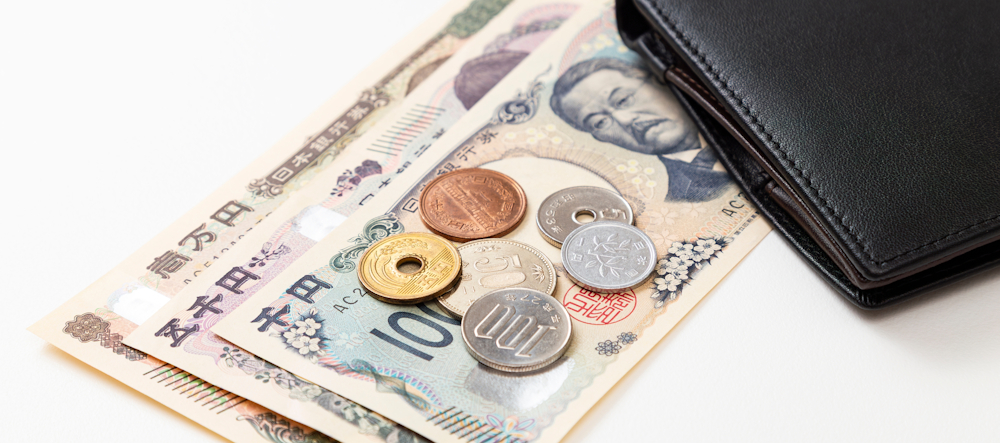
The local currency is the Japanese Yen, abbreviated to JPY or ¥.

The Japanese Yen is available in the following denominations:

  • Notes: 1,000 JPY; 2,000 JPY; 5,000 JPY; and 10,000 JPY
  • Coins: 1 JPY, 5 JPY, 10 JPY, 50 JPY, 100 JPY, and 500 JPY

Banking in Japan

Using an ATM

Both local and international banks offer a range of services to expats in Japan. The most prominent local banks are Mitsubishi UFJ Financial Group, Mizuho Financial Group, and Sumitomo Mitsui Financial Group. International banks in Japan include HSBC and Barclays.

Opening a bank account

Expats can easily open a bank account at any local or international bank once they have their Zairyu Card (residence card). Expats may also need to bring their passports and visas, but this varies depending on the bank.

It’s highly recommended that expats get a hanko (an official stamp with their name in characters) before opening a bank account. In Japan, the hanko is the equivalent of a Western signature, and it will make life much easier.

Not all banks have English-speaking staff or English versions of their services, such as online banking. Expats should shop around to find the best bank suited to their particular needs.

ATMs and credit cards

ATMs can be found easily, especially in big cities. However, if located outside of Tokyo, machines might not have English options, so it’s helpful to write down the important characters to be able to use the ATM.

Japan remains a largely cash-based society, and credit cards are not a popular means of payment. Nevertheless, credit cards are accepted at most large hotels, restaurants, and retailers.


Taxes in Japan

Expats will be required to pay two types of tax while in Japan – income tax, usually worked out as a percentage of one’s salary (ranging from 5 to 45 percent), and the annual resident tax, which depends on where an expat lives. The resident tax is worked out every year and is only applicable if living in Japan for longer than a year.

Several factors determine a person’s tax residency status. Permanent residents are liable for tax on their worldwide income, while non-permanent residents are taxed on their Japanese income and foreign income paid into Japan. Non-resident taxpayers are only liable for tax on their income earned in Japan.

It’s a good idea to consult a tax advisor upon arrival in Japan, as the tax system is quite complex and can change at short notice. There might also be a treaty between your home country and Japan, which could affect the taxes payable.

Working in Japan

Despite facing numerous challenges, from an ageing population to limited natural resources, Japan still maintains one of the world’s largest economies. There are plenty of opportunities across an extensive range of sectors for expats wanting to work in Japan.

In recent years, Japan’s economy has been remodelled by deregulation, technological advances and an increasing number of foreign companies establishing headquarters or bases in the country. Despite this apparent integration, traditional Japanese business etiquette remains largely intact and still poses one of the most considerable acclimatisation challenges for expats working in Japan.


Job market in Japan

City centre in Osaka, Japan

Expats looking to work in Japan can still find enviable positions with many of the multinational corporations present in the country. This is particularly true in the bustling capital of Tokyo and within the English teaching industry, which has remained extremely popular among young Anglophones for years.

The entertainment, hospitality, IT, and manufacturing sectors also continue to offer work for expats, with fluency in Japanese not required. For those who do know Japanese, translation work is another popular expat profession, especially for trailing spouses and partners who have followed their loved ones abroad. Language-oriented expats who are also university graduates may also consider teaching English in Japan.

Expats planning on working in Japan should note that it claims one of the highest costs of living worldwide, so it’s important to negotiate an adequate salary package carefully.

Teaching English in Japan


Finding a job in Japan

Finding a job in Japan

Prospective expats looking to work in Japan will benefit from the ability to speak Japanese. It’s possible to find jobs with few Japanese language requirements in multinational corporations, most of which are based in Tokyo, but having a strong command of the local language will offer broader prospects.

Online job portals are a useful resource in getting to know the job market, but word of mouth through local friends or fellow expats is a solid strategy to get a foot in the door.

With the popularity of teaching English in Japan, those looking to work in this area will have a particularly robust selection of online resources. They can either apply directly to international schools in Japan or enrol in the Japanese government’s popular Japan Exchange and Teaching (JET) programme.

Useful Links


Work culture in Japan

Businesspeople at after-work drinks in Japan

Corporate culture in Japan is quite formal, with very long office hours and lifetime employment the norm. After-hours drinking with the boss is very much an established practice. Furthermore, the practice of genki and ganbatte – presenting a positive energy and a can-do attitude – can be exhausting and frustrating to foreign nationals.

Newly arrived expats might not be expected to work overtime or socialise after work over drinks. However, acting differently from coworkers and being held to separate expectations can increase feelings of isolation.

Business Culture in Japan

Healthcare in Japan

Healthcare in Japan is both accessible and compulsory for expats who have a visa for over 90 days. Expats will likely fall under one of two public schemes – one for salaried workers and one for the remaining population. In addition, expats can also obtain private health insurance in Japan.


Health insurance in Japan

Doctor typing on laptop with stethoscope in foreground

Most expats will fall under one of two major healthcare schemes in Japan – Employees’ Health Insurance (Shakai Kenko Hoken) or National Health Insurance (Kokumin Kenko Hoken). In these two schemes, healthcare expenses are covered by up to 70 percent. There is also the Advanced Elderly Medical Service System (Choju Iryo Seido) for those over the age of 75, which funds up to 90 percent of medical expenses.

Under the Employees’ Health Insurance programme, it’s compulsory for companies to provide their employees and their families with medical insurance and healthcare. The National Health Insurance scheme covers individuals other than salaried employees and workers, such as those who are self-employed or unemployed.

An Individual Number Card must be presented to access healthcare services. It functions as a health insurance certificate. You can apply for this card online, in person, or by mail.

Some expats opt for additional private health insurance to fund the portion of healthcare fees not covered by the public system. This isn’t mandatory, but it can be helpful for keeping costs down.

Useful links


Public healthcare in Japan

Doctors in Japan

Japan’s public healthcare system is renowned for its high quality and is accessible to all residents, including expats. It is an integral part of the nation’s commitment to ensuring a solid standard of practice in healthcare. Many doctors in the public healthcare system have studied overseas, bringing a wealth of international knowledge and experience to their practice.

That said, not all doctors in the public system are proficient in English. In urban areas like Tokyo, medical services often have provisions to direct expats to English-speaking doctors. In other cities, translation services may be offered. Online resources, such as Japan Healthcare Info, provide useful information for expats looking for English-speaking doctors.

Useful links


Private healthcare in Japan

Private healthcare in Japan is another option for expats, offering benefits like shorter waiting times, a wider choice of doctors, and additional amenities. That said, these benefits come at a higher cost.

The language proficiency of doctors in the private sector can also vary, but English-speaking doctors are generally more common, particularly in private hospitals catering to the international community. The patient-doctor dynamic may also be more familiar to Western expats, with more of an emphasis on shared decision-making.

When choosing a healthcare provider, whether public or private, expats should consider factors such as cultural understanding and language proficiency for clear and effective communication.


Vaccinations for Japan

Flatlay with medical devices and pills

While Japan doesn’t require any specific vaccinations for entry, the following are generally recommended for travel to Japan, especially for long-term stays:

  • Measles, Mumps, Rubella (MMR)
  • Diphtheria-Tetanus-Pertussis
  • Varicella (Chickenpox)
  • Polio
  • Influenza
  • Hepatitis A and B
  • Japanese Encephalitis (if planning to stay in rural areas for an extended period)

Before travelling, expats should consult with their healthcare provider to discuss necessary vaccinations based on their specific health conditions and itinerary.


Medicines and pharmacies in Japan

Pharmacies (yakkyoku) can readily be found on all major streets or in shopping malls in Japanese cities. They tend to be well-stocked and are open from 9am to 6pm. Pharmacists are usually highly knowledgeable. However, not all pharmacists are proficient in English, so expats may struggle if they have lots of questions.

Expats moving to Japan should note the difference between pharmacies and drugstores (doraggu sutoa). Drugstores sell a variety of products, including over-the-counter medication, cosmetics, snacks, and household goods, while pharmacies sell medication only. Drugstores also stay open longer than pharmacies, closing at 8pm, and some are open 24 hours a day.


Health hazards in Japan

While Japan has no major endemic diseases to worry about, expats should be aware that the country is in a region known for natural disasters such as earthquakes and tsunamis. These can indirectly impact health and safety, particularly in the immediate aftermath, through disruptions in infrastructure, access to healthcare and other essential services.

We recommend that you familiarise yourself with emergency preparedness measures for such events, including securing an emergency kit and understanding evacuation protocols.

Air pollution is arguably the region’s most significant endemic health issue. This is particularly bad during the winter months. If you have respiratory issues or asthma, you may find that your symptoms are worse in Japan.


Emergency services in Japan

In the event of a medical emergency in Japan, expats can call an ambulance on 119.

Outside Tokyo, the operator answering an emergency call may not have a good command of English, so it’s a good idea to learn a few basic Japanese phrases to use in an emergency.

The response times of the Japanese ambulance services are fairly good, especially in urban locations.

Shipping and Removals in Japan

There’s a wide variety of options available for shipping and removals in Japan. For a smooth journey, it’s essential to familiarise yourself with customs requirements.

Apart from high-end luxury service apartments, most accommodation is unfurnished. For this reason, many employers include a shipping allowance in expat employment contracts. Don’t be afraid to broach this topic when negotiating a contract, as shipping costs can quickly escalate if you’re not careful.


Shipping household items to Japan

Generally speaking, household items are duty-free and tax-free, provided they aren’t new. When shipping items to Japan, expats should create an inventory of the goods they will be sending and bring at least two copies in their carry-on luggage.

Expats also have the option of buying furniture in Japan. There are plenty of stores specialising in interior decor and household furnishings. If you’re not opposed to second-hand goods, you can benefit from large-scale ‘sayonara sales’ held by expats leaving the country, where you can find nearly new items at bargain prices. Look for listings on supermarket notice boards, Facebook or classified websites.


Shipping pets to Japan

Shipping pets to Japan can be a complex process given the country’s strict animal import regulations. Careful planning and a clear understanding of the necessary procedures are a must.

Firstly, it’s essential to ascertain the specific requirements based on the type of pet you’re planning to ship. Quarantine periods, vaccinations, microchipping and paperwork all vary depending on the species. It’s also recommended to engage a professional pet relocation service that is well-versed in the intricacies of Japanese animal import regulations.

It’s also worth bearing in mind that not all accommodation in Japan is pet-friendly. Be sure to check if pets are allowed before signing any rental agreement.

Remember, while the process may seem daunting, countless pet owners have successfully relocated their pets to Japan. Do thorough research, ask for help when needed, and don’t forget to consider your pet’s comfort throughout the journey.

Useful links