
- Download our Moving to Angola Guide (PDF)
Ahead of the move, expats are often concerned about security and safety in Angola. Though the country is no longer in a state of civil war, there are still concerns around crime, poverty, and road safety, among others.
Crime in Angola

Muggings and robberies are common in Luanda and in provincial areas. Avoid travelling alone at night or through areas known to be crime hotspots. Since criminals commonly target expats, you should be particularly vigilant when drawing cash at an ATM.
Most international organisations in Luanda have strict safety regulations that must be adhered to by employees. In the same vein, most companies provide secure accommodation and workplaces monitored by 24-hour guards.
Terrorism in Angola
The Cabinda province, located in northern Angola, is a disputed territory. Although there have been no recent significant incidents in the region, several foreign governments advise their nationals against travelling to the Cabinda province as a precaution. That said, Cabinda City is considered safe enough to visit. Some countries also recommend avoiding Lunda Norte and Lunda Sul.
Protests in Angola
Protests and demonstrations take place occasionally in Angola. Despite the country’s oil wealth, most people live in poor conditions, which have been catalysts for protests. It’s best to avoid political gatherings and keep abreast of the latest developments.
Road safety in Angola

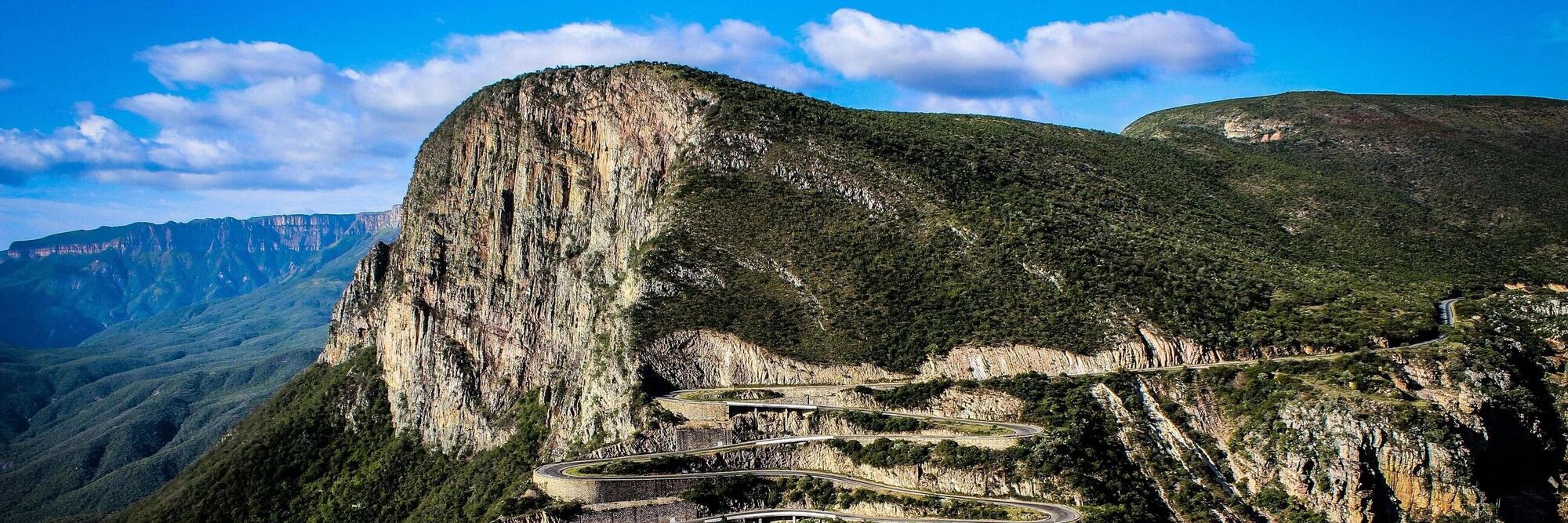
While major networks around Luanda are improving, road conditions are still generally poor, and a four-wheel-drive vehicle is necessary for longer distances. Drivers should ensure they have spare tyres and replacement parts. Driving is especially dangerous during the rainy season from November to April. Roads and bridges can be washed away by floods, which can leave travellers stranded.
Most expats living in Luanda have private drivers. Taxis and public transport are mostly informal and are rarely used by foreign nationals.
Landmines left over from the civil war are also an ongoing concern in rural Angola. Clearance projects are still underway, and areas with suspected landmines are usually marked expressly. You should stick to main roads and avoid driving off the beaten track as much as possible.
If you decide to drive yourself, be suspicious of slow-moving cars or those that try to coerce you into pulling over; these are often pretexts for robbery or hijackings.