Print
  • Hold down Ctrl key and select the sections you want to print. If using a Mac, hold down the Cmd key.
  • Use Ctrl + A or on Mac, Cmd + A to select all sections (if you are using the Chrome browser).
  • Click "Apply" and the site will customise your print guide in the preview below.
  • Click the "Print" button and a print pop up should appear to print to your printer of choice.

Doing Business in Angola

There are many challenges associated with doing business in Angola, including a lack of infrastructure, bureaucracy, and high costs. Nevertheless, with its rich natural resources, a growing economy, and infrastructure-development projects, many opportunities exist for expats seeking to do business in this African country.

The oil and gas sectors still dominate the Angolan business world, but the government is keen to diversify the economy. Sectors such as education and training, construction, financial services, and agriculture are also growing rapidly and providing opportunities for expats.


Fast facts

Business hours

Monday to Friday from 8am to 5pm, with a lunch break of about an hour.

Business language

Portuguese is the official language in Angola, but English is usually understood at the senior management level in the oil and gas industry.

Dress

Business attire is typically fairly casual. Due to the hot climate, suits and dresses are usually lightweight but smart.

Gifts

Gifts are generally not expected but are welcomed. They're usually opened immediately.

Greeting

A handshake is the most common greeting between both men and women. Greetings are important in Angolan culture, and it’s usual to inquire about the other person’s family or general wellbeing. Elders should be greeted first.

Gender equality

Although women share equal rights with men, Angola remains a largely patriarchal society, and few women occupy senior executive posts.


Business culture in Angola

Desktop workspace with laptop, mouse and notepad

If you’re moving to Angola for business, you're likely to find that the business culture differs significantly from that of Western societies. New arrivals will need to adapt to these nuances if they want to be successful in the Angolan market.

Hierarchy

Angola’s business culture is formal, and business structures are hierarchical. Status is key in Angolan society, and decision-making typically lies with the most senior person in a company. That said, final decisions are often made after consultations with subordinates. This can be a slow process, as all options are carefully weighed. It's important to be patient.

Building trust

Angolans prefer to do business with people they know and trust. You should take the time to get to know your Angolan counterparts and build trust with business associates at all levels.

Communication

Portuguese is the primary language in Angola, so it’s useful to learn a few relevant key phrases. Although most senior executives in the oil and gas industry speak English, associates at lower levels may not.

Titles and greetings are critical, and introductions are initially formal and marked by handshakes. Personal space isn’t a major consideration for Angolans, so people often stand close to one another when conversing.

Punctuality

Time is flexible in Angola, and although you should arrive on time for meetings, your Angolan counterparts won’t always do the same – it’s not unusual for a meeting to start late and be interrupted several times. You should be patient and not show disapproval or irritation if this occurs.


Dos and don’ts of business in Angola

  • Do greet Angolan counterparts properly; elders should be greeted first
  • Do get to know Angolan associates, as building trust is essential
  • Don’t assume that Angolan business associates will understand English. An interpreter may be necessary for meetings.
  • Do arrive on time for meetings, but don’t expect that local associates will do the same
  • Don’t rush business in Angola. Expect that business decisions will take time.

International Schools in Angola

International schools in Angola are generally the go-to for expat families. This is largely owing to the generally lower standard of education offered by the public school system. Apart from higher-quality learning, international schools also offer a more familiar environment for expat children and a chance to make friends with others in similar situations.

There are just a few international schools in Angola, with most concentrated in Luanda. These schools typically follow the curriculum of their home country, with some also offering the International Baccalaureate programme. Though English is the most common primary language of instruction in international schools, there are also one or two non-English options, including French and Portuguese schools.

Expat parents should start applying for international schools as early as possible. Since there are only a limited number of international schools in Angola, places fill up quickly. Additionally, admissions processes are often fairly involved, with some requiring tests and interviews.

Another factor to consider when looking for an international school in Angola is the cost. Many of these schools offer exceptional educational standards and facilities, but fees are high. Fortunately, most expat employers cover some or all of these expenses. Still, we recommend weighing your options carefully, taking into consideration your salary and perks.

Below are some of the top international schools in Angola.


International schools in Angola

Chalk board, school bag, books and pencils

American Schools of Angola​

American Schools of Angola (ASA) is the only USA-accredited international school in Angola. Students at ASA graduate with a US High School Diploma, giving them access to a wide range of universities. Advanced Placement courses are also available at ASA, so students can complete college-level courses before graduating.

Gender: Co-educational 
Curriculum: American (including Advanced Placement)
Ages: 3 to 18 
Website: www.asangola.com

Escola Portuguesa de Luanda

Funded by the Portuguese government, Escola Portuguesa de Luanda offers pre-school, primary, and secondary education following the Portuguese curriculum. At the secondary school stage, students can specialise in science and technology, socioeconomic science, or languages and humanities. The school leverages diverse educational approaches to ensure that it adequately prepares students for adult life.

Gender: Co-educational 
Curriculum: Portuguese 
Ages: 3 to 18 
Website: www.epluanda.pt

Luanda International School

Luanda International School offers the full International Baccalaureate programme. With over 25 years of experience, LIS cultivates a welcoming environment for its students to thrive. The school emphasises hands-on learning and service to ensure student success. LIS offers a wide range of extracurricular activities to support students' holistic development, including music, swimming, athletics, and basketball.

Gender: Co-educational 
Curriculum: International Baccalaureate 
Ages: 3 to 18 
Website: www.lisluanda.com

Lycée Français Alioune-Blondin-Bèye

Established in 1993, Lycée Français Alioune-Blondin-Bèye is now home to more than 1,000 students from over 30 countries. Students here graduate with the French Baccalaureate, enabling access to a wide range of higher education institutions worldwide. The school has devoted itself to developing students’ knowledge and skills in a caring and nurturing environment.

Gender: Co-educational 
Curriculum: French 
Ages: 2 to 18 
Website: www.lfluanda.net

Moving to Angola

Though not the most conventional expat destination, Angola has plenty to offer with its wonderful tropical climate, miles of picturesque beaches and welcoming locals. The capital, Luanda, has a relaxed lifestyle and buzzing nightlife, which are also big drawcards for expats moving to Angola.

Living in Angola as an expat

In addition to the pros, there are a few cons to consider when moving to Angola. Safety in Angola has greatly improved, but you should still be wary and, by default, foreigners often find themselves living in the insular environments of expat compounds.

Although the country is still recovering from many years of war and inequality, Angola is rich in natural resources. It is fast cultivating a dynamic business environment with plenty of opportunities. The country offers high salaries for those with experience in the lucrative oil industry. Expats can also earn well in mining, agriculture, and manufacturing.

Most of Angola’s expats, and by extension expat housing, are found in Luanda. These properties tend to be large compounds with amenities such as swimming pools, tennis courts, shops and high-security features. Housing tends to be expensive, especially closer to the city centres. Further from big cities, the prices are lower, but so is the quality of accommodation.

Public transport in Angola is highly limited, and private vehicles remain the main means of getting around. Cities are mostly serviced by privately owned taxis, but cabs aren’t common. Driving is also reasonably tricky, with many potholes on the paved roads and few roads paved outside cities. Traffic in the capital is extremely congested as antiquated road networks struggle to cope with the volume of vehicles and cargo trucks. If driving, it's best to remain aware of your surroundings and drive defensively. Many expats don't drive themselves as they have cars and drivers provided by their hiring company.

Safety in Angola
Expat Accommodation in Angola
Transport and Driving in Angola

Cost of living in Angola

Angola has had a reputation as one of the most expensive cities for expats to live in, but in recent years, the cost of living has greatly reduced.

Most of an expat’s income will likely be devoted to schools and accommodation. Imported produce can be expensive, but locally sourced items are much cheaper. With many goods imported into Angola, including cars and electronics, buying them locally is quite pricey.

Cost of Living in Angola

Families and children in Angola

As an expat parent moving to Angola with children, you’ll likely be concerned about their education. You’ll be glad to know that there's a wide range of international schools in Luanda. They offer a wide range of foreign curricula and are generally well supported by the companies that helped establish them. That said, the standards of these schools vary, tuition is pricey, and waiting lists can be long.

There's also plenty to keep your family entertained during their free time. Nature buffs will find Angola wonderfully rich in sights and destinations to explore.

Local organisations are also working hard to rehabilitate the Iona National Park so you can explore its natural rock formations and plant life. Luanda also has many sights to explore, including beaches, museums, and other family-friendly attractions.

Healthcare is available and has markedly improved recently, but still isn’t up to the standard many expats are used to. If you require complicated medical procedures, it’s best to travel to South Africa or further afield for treatment. We recommend investing in comprehensive international health insurance.

International Schools in Angola
Healthcare in Angola

Climate in Angola

The country has a tropical climate with a long dry season and a short rainy season. Its beaches tend to be rather arid, but in other parts of the country, the humidity spikes and many expats struggle to handle the heat.

Weather Chart for Angola

While expats moving to Angola will likely face many challenges, if you approach the country with an open mind and adventurous spirit, you are sure to be richly rewarded with an exciting and unique cultural experience.


Fast facts

Population: Over 40 million

Capital city: Luanda (also the largest city)

Neighbouring countries: Angola is bordered by Namibia to the south, Zambia to the east, and the Democratic Republic of the Congo to the north and northeast.

Geography: Angola is a southern African country with varied terrain, encompassing tropical Atlantic beaches, a labyrinthine river system, and a Sub-Saharan desert that extends across the border into Namibia.

Political system: Unitary presidential republic

Major religions: Christianity

Main languages: Portuguese (official)

Money: The Kwanza (AOA) is the official currency in Angola, and it is divided into 100 centimos.

Tipping: Standard tips are 10 percent unless the bill includes service.

Time: GMT+1

Electricity: 220V, 50Hz. Plugs are Type C and Type F.

Internet domain: .ao

International dialling code: +244

Emergency contacts: 113 (police), 112 (ambulance), 115 (fire)

Transport and driving: Cars drive on the right-hand side. Much of the road infrastructure was neglected during years of conflict, and despite efforts to rebuild, many of its roads are still riddled with potholes. Most expats hire drivers who are accustomed to local driving conditions. Public transport in Angola is poorly maintained and unreliable.

Diversity and inclusion in Angola

Despite being an unconventional expat destination, Angola boasts a cool tropical climate and warm and friendly locals with wonderful beaches to boot. Angola is still a developing country that is recovering from a decades-long civil war that impacted all aspects of its society.

largest oil producers and exporters, and, as such, most expats move to the country on an assignment from one of its many energy companies. This has greatly contributed to Angola’s melting pot of cultures and ethnicities.

Below is some useful information about diversity and inclusion in Angola.


Accessibility in Angola

Owing to years of civil war, Angola’s community of people living with disabilities has grown significantly. The country became a signatory to the UN’s Convention on the Rights of Persons with Disabilities in 2013 and enacted the Accessibility Law in 2016. The legislation criminalises discrimination against people with disabilities and mandates the implementation of quotas to encourage the private and public sectors to employ them.

The country has also worked towards improving its accessibility infrastructure over the past decade. Recently constructed public buildings in Angola have been designed with accessibility in mind. This involves creating wheelchair-specific areas, adapted changing rooms, ramps, elevators, and adapted toilets. That said, older buildings and rural areas severely lack accessibility resources.

Still, more work is needed to ensure accessible public transport and to involve people with disabilities in decision-making, particularly on accessibility issues.


LGBTQ+ in Angola

In 2021, the Angolan government decriminalised homosexuality, making Angola one of only 22 African countries to do so. The country also made it illegal to discriminate against someone on the basis of sexual orientation when hiring. While this is a leap for LGBTQ+ rights in Angola, same-sex marriage is still unrecognised, and conversion therapy remains legal.

Beyond official legal protections, LGBTQ+ individuals in Angola still face harassment in society. The first Pride event in Angola was only held in 2016, highlighting the fact that LGBTQ+ individuals in the country must often remain hidden to avoid persecution. There are few venues for community members to gather, even in major cities such as Luanda. It is advised that LGBTQ+ expats avoid public displays of affection, as locals may view this with contempt.


Gender equality in Angola

Women and men have equal rights before the law, as stated in Angola’s constitution. The country set out a national gender equality policy in 2013 and has since made strides in women's representation, particularly in politics. Women hold just under 39 percent of the seats in parliament.

The World Economic Forum’s 2026 Global Gender Gap Report ranks Angola 87th out of 145 countries for gender parity. This is up 30 places from its 2025 ranking. There is still room for improvement, though, especially in the areas of gender-based violence and child marriage.

Although the position of women in Angola’s society continues to improve, the country is still decades away from achieving gender equality.

Useful resources


Women in leadership in Angola

The representation of women in leadership in Angola is lacking. According to 2025 data by the World Bank, women hold only 16 percent of middle and senior management positions in Angola. Though better than previous years, this is an overall low percentage and well below worldwide aims. More encouragingly, in 2025's Angolan parliament, women held 39 percent of seats. This shows that progress towards equal representation in leadership is being made, though not equally in all areas.

Useful resources


Mental health awareness in Angola

Access to general healthcare in Angola is lacking, and similarly, mental health services in the country are limited. Angola has no policies or legislation to guide the implementation of mental healthcare, but basic mental healthcare is provided through general practitioners. Moreover, there are few mental health professionals, such as psychiatrists, available in the country.

Angola has high levels of mental health issues among its population, and care is largely limited to urban areas. Over and above the lack of accessibility to mental health resources in Angola, its society still holds largely conservative and traditional views on mental illness and seeking help. This further exacerbates mental health issues in the country, as it prevents timely treatment, which has better outcomes.

Expats moving to the country are also at risk of loneliness and developing mental health issues such as anxiety and depression. It is essential for expats moving to Angola to secure comprehensive health insurance to access private mental health services in the country.


Unconscious bias training in Angola

Unconscious bias is a tacit set of social stereotypes an individual carries about groups of people different to themselves. These stereotypes are not deliberately adopted but develop subtly over time. People tend to hold unconscious biases about groups they rarely or never come into contact with. As a result, they’re frequently inaccurate and based on assumptions.

Unconscious bias can significantly shape workplace dynamics and limit opportunities for certain groups, which can in turn affect a company’s talent acquisition and turnover rates.

Some companies, especially multinational corporations, have started offering unconscious bias training to help their employees recognise and ultimately overcome their biases. There are also online resources that can improve one’s recognition of unconscious bias in themselves and others.

Useful resources


Diversification in the workplace in Angola

Thanks to a booming and lucrative oil and natural gas industry, Angola attracts many foreigners. There are currently more than 650,000 expats calling Angola home.

The workplace and society in Angola are quite diverse. Most multinational corporations employ individuals of several nationalities and many languages. While Angolans are generally friendly and welcoming, there can be some resentment towards foreigners in the country. This is largely because expats often earn lucrative salaries, while locals are paid less for doing the same work.

That said, discrimination against foreigners is rare, so you're likely to find yourself in a pleasant and productive working environment. Companies, particularly international corporations, are beginning to prioritise diversity and recognise its value in the modern workplace.


Safety in Angola

Safety is a concern for expats moving to Angola. Owing to years of civil war, Angola has a high level of inequality, and this has led to high crime rates. The 2026 Global Peace Index ranks Angola 78th out of 163 countries evaluated, up 11 places from the previous year. While conditions are improving, there are still some areas of concern.

Most expats in Angola will stay in secure compounds with 24-hour security, but robberies and muggings are common in the capital city, Luanda. It would be best to follow standard safety precautions, such as keeping your valuables out of sight and avoiding walking alone at night. You should be especially vigilant when withdrawing cash from ATMs, as robberies frequently occur at cash points.

Additionally, poor road infrastructure and landmines in rural Angola remain a safety concern. Civil unrest and protests in the diamond-mining areas of Cabinda, Lunda Norte and Lunda Sul can occur, and foreigners who travel outside Cabinda City are at risk of attack.

Safety in Angola

Useful resources


Calendar initiatives in Angola

4 February – World Cancer Day 
8 March – International Women’s Day 
March – TB Awareness Month 
25 April – World Malaria Day 
19 May – Global Accessibility Awareness Day 
June – Pride Month 
10 September – World Suicide Prevention Day 
October – Breast Cancer Awareness Month 
8 October – World Mental Health Day 
14 November – World Diabetes Day 
1 December – World AIDS Day

Cost of Living in Angola

The cost of living in Angola can be higher than you might expect. Your most significant expenses will likely be accommodation and private schooling, whereas local produce and some activities are generally affordable. Luckily, if you're moving to Angola for work, employers will often subsidise housing, schooling, and health insurance costs. If you don’t have such an arrangement, you’ll have to budget carefully to ensure you can afford the essentials.


Cost of accommodation in Angola

The cost of renting accommodation in Angola is high due to a notable gulf between supply and demand. Most expats live in the capital, Luanda, where the limited availability of secure housing has driven up rental prices. Nevertheless, most expats will have their accommodation provided and paid for by their employers. If not, it's essential to factor in this cost during your salary negotiation.

Renting Expat Accommodation in Angola


Cost of transport in Angola

While public transport in Angola is affordable, the system is not without issues: overcrowding and irregular service make it an unattractive option for most expats.

Using private taxis or hiring a personal driver is a more comfortable, albeit pricier, alternative. Road conditions are generally poor – if you opt for a private vehicle, it should come with high ground clearance and four-wheel drive. Maintenance and operating costs for these types of vehicles can add up quickly.

Transport and Driving in Angola


Cost of groceries in Angola

Shopping for groceries in Angola can be surprisingly pricey, especially for imported goods. Local markets are a popular choice for fresh fruits, vegetables, and meats, which tend to be reasonably priced. Quality can vary, though – make sure that your groceries are fresh.

If you're accustomed to Western-brand products, you may find these significantly costlier due to import taxes and logistical challenges.


Cost of entertainment and eating out in Angola

The cost of entertainment and eating out in Angola is a mixed bag. High-end restaurants and bars in Luanda can be quite expensive and rival those in major Western cities. On the other hand, budget-friendly local eateries offer a taste of traditional Angolan cuisine at a fraction of the cost.

When it comes to entertainment, costs can also vary. Cultural attractions like museums and galleries are generally affordable, while tickets for concerts or theatre shows can be pricey. As a rule, you should expect to pay a premium for activities and venues that cater to a more international audience.


Cost of education in Angola

If you have children, the cost of living in Angola rises significantly. As the standard of education in local public and private schools is widely considered inadequate, expensive international schools are the only remaining option for most expats. Annual tuition fees often don’t include essentials such as textbooks, uniforms, and extracurricular activities, so you’ll need to include these in your budget as well.

Education and Schools in Angola 
Best International Schools in Angola


Cost of healthcare in Angola

Healthcare in Angola is another area where costs can escalate quickly. While there is a public healthcare system, it is frequently under-resourced and understaffed, and many expats seek private healthcare instead. That said, private medical facilities typically charge steep fees for their services.

Besides these direct costs, comprehensive health insurance is a must, which can also add significantly to your monthly budget. Consequently, we recommend securing a health allowance or health insurance coverage from your employer as part of your relocation package.

Healthcare in Angola


Cost of living in Angola chart

Prices are in Angolan kwanzas (AOA) and may vary depending on the product and service provider. The list below shows average prices for Luanda in October 2026.

Accommodation (monthly rent)
Three-bedroom apartment in the city centreAOA 2,000,000
Three-bedroom apartment outside the city centreAOA 1,000,000
One-bedroom apartment in the city centreAOA 400,000
One-bedroom apartment outside the city centreAOA 200,000
Food and drink
Eggs (dozen)AOA 1,800
Milk (1 litre)AOA 1,800
Rice (1kg)AOA 1,500
Loaf of white breadAOA 1,000
Chicken breasts (1kg)AOA 4,000
Cheese (500g)AOA 4,700
Eating out
Three-course meal for two at a mid-range restaurantAOA 40,000
Big Mac MealAOA 6,500
Coca-Cola (330ml)AOA 1,400
CappuccinoAOA  2,500
Local draft beer (500ml)AOA 1,500
Utilities/household
Mobile phone monthly plan with calls and dataAOA 17,000
Internet (uncapped ADSL or cable – average per month)AOA 75,000
Basic utilities (average per month for a standard household)AOA 95,000
Transportation
Taxi rate (per kilometre)AOA 900
Bus/train fare in the city centreAOA 300
Gasoline/petrol (per litre)AOA 300

Working in Angola

For the first decade of the 20th century, Angola’s rich oil and diamond resources made it one of the fastest-growing economies in the world. As a largely oil-dependent economy, Angola faces some risks due to fluctuations in oil prices.

That said, most expats working in Angola are employed by multinational companies that often offer lucrative salaries and employment packages. If you find work here, your employers are likely to offer a slate of perks and benefits to ensure you have a comfortable stay in the country.


Job market in Angola

The vast majority of expats working in Angola are employed by multinational companies linked to one of the country’s two lucrative natural resources: oil or diamonds. 

Outside these main sectors, the largest industries in Angola include agriculture, manufacturing, and services such as tourism and construction. Some expats may be transferred to a diplomatic mission in the country, while others are employed by non-profit organisations.


Finding work in Angola

Man with laptop and coffee

Most expats are brought over to Angola on a contract by one of many multinational companies with a presence in the country. If you move to the country without work already lined up, you’ll often find it extremely difficult to secure employment. Those who are fluent in Portuguese may have more opportunities, so we recommend learning a few key phrases before making the move.

Get in touch with a recruitment agency for advice on breaking into the market. Online job portals are another excellent source for getting an idea of the availability of suitable positions and their salaries.

Useful links


Work culture in Angola

Two colleagues working together at a laptop

The workplace in Angola is hierarchical, with senior company members having the final say. Angolans may try to please everyone to avoid conflict, so their communication style can sometimes be indirect. Although formal agendas are rarely used, meetings may have a distinctly formal atmosphere.

As is typically the case in countries where a small, elite group holds strong political power, working in Angola is unfortunately often characterised by corruption and seemingly never-ending bureaucratic procedures. Obtaining a work permit, though necessary, can be a painful and drawn-out affair mired in red tape. Additionally, certain aspects of Angola can make daily life significantly uncomfortable, from the glaring inequality and poverty evident in Luanda to the unstable electricity supply that can suddenly blink out without warning.

To offset the difficulties typically encountered in the country, expat salaries in Angola are often high. Though the cost of living in Angola has dropped significantly in recent years, we recommend conducting extensive research to understand the cost of living and ensure that all expenses are covered.

Business Culture in Angola

Safety in Angola

Ahead of the move, expats are often concerned about security and safety in Angola. Though the country is no longer in a state of civil war, there are still concerns around crime, poverty, and road safety, among others.


Crime in Angola

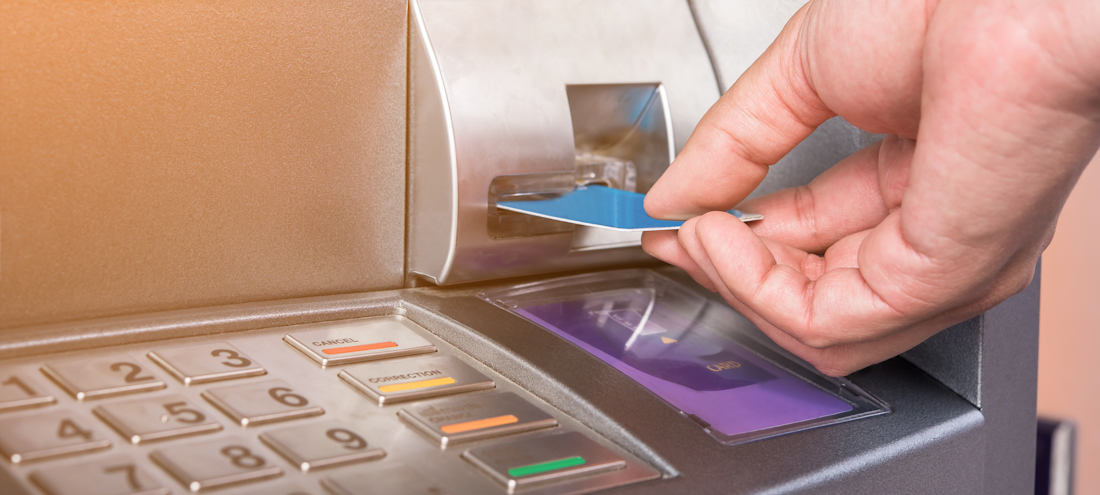
Using a bank card at an ATM

Muggings and robberies are common in Luanda and in provincial areas. Avoid travelling alone at night or through areas known to be crime hotspots. Since criminals commonly target expats, you should be particularly vigilant when drawing cash at an ATM.

Most international organisations in Luanda have strict safety regulations that must be adhered to by employees. In the same vein, most companies provide secure accommodation and workplaces monitored by 24-hour guards.


Terrorism in Angola

The Cabinda province, located in northern Angola, is a disputed territory. Although there have been no recent significant incidents in the region, several foreign governments advise their nationals against travelling to the Cabinda province as a precaution. That said, Cabinda City is considered safe enough to visit. Some countries also recommend avoiding Lunda Norte and Lunda Sul.


Protests in Angola

Protests and demonstrations take place occasionally in Angola. Despite the country’s oil wealth, most people live in poor conditions, which have been catalysts for protests. It’s best to avoid political gatherings and keep abreast of the latest developments.


Road safety in Angola

Driving in Angola by Giusi Borrasi from Unsplash

While major networks around Luanda are improving, road conditions are still generally poor, and a four-wheel-drive vehicle is necessary for longer distances. Drivers should ensure they have spare tyres and replacement parts. Driving is especially dangerous during the rainy season from November to April. Roads and bridges can be washed away by floods, which can leave travellers stranded.

Most expats living in Luanda have private drivers. Taxis and public transport are mostly informal and are rarely used by foreign nationals.

Landmines left over from the civil war are also an ongoing concern in rural Angola. Clearance projects are still underway, and areas with suspected landmines are usually marked expressly. You should stick to main roads and avoid driving off the beaten track as much as possible.

If you decide to drive yourself, be suspicious of slow-moving cars or those that try to coerce you into pulling over; these are often pretexts for robbery or hijackings.

Accommodation in Angola

When Angola’s oil boom began, housing developments sprung up quickly to cater to the many expats moving to Luanda for work. As expats in Angola are typically high earners, these developments are often luxurious with high-end amenities. Most expat accommodation in Angola is found in Luanda, in compounds south of the city. With high demand and rental rates, finding a place to live in Angola can be frustrating, but most companies assist their employees with finding and paying for housing.


Types of accommodation in Angola

Apartment complex in Angola by Hermenegildo Sebastiao from Unsplash

If you’re working for a large oil corporation, as is the case with most expats in Angola, you’ll likely live in an employer-sponsored compound. These housing estates offer a good quality of life with open space and high security. Many also have amenities such as swimming pools, tennis courts and shops.

Power outages and water shortages are the norm in Angola, so it’s essential that you ensure you have access to backup generators and water tanks. Safety remains a prominent concern for expats moving to Angola. Home burglaries, carjackings, and robberies are common. Fortunately, most compounds offer secure living with access control and security guards.

Furnished vs unfurnished

Both furnished and unfurnished accommodation can be found in Angola’s capital city, Luanda, which is where you'll likely be based. If you’re staying in the country only for a short while, you should consider renting furnished accommodation rather than bearing the cost of shipping your things to Angola and back home again.

If you're staying a bit longer, you can find great bargains from fellow expats selling off their furnishings in Angola before leaving the country at the end of their assignment.

Short lets

Short-let accommodation is largely available in the form of hotels and some serviced apartments. With the introduction of platforms such as Airbnb, it’s become easier to rent private rooms or unique waterfront rentals. The cost for these typically includes all utilities and is usually at a lower cost than hotel rooms, which can be quite steep in Angola.


Finding accommodation in Angola

Employers often take care of the house search for expats moving to Angola for work. If you’re going through the process by yourself, it’s a good idea to hire a real estate agent, preferably one that has experience working with expats. These professionals have extensive knowledge of the local housing market and can guide you through the process of finding a place that meets your requirements. Online property portals, expat forums, and local classifieds can also be good sources if you prefer not to use an estate agent.

Useful links


Renting accommodation in Angola

signing a lease

Making an application

Having found suitable accommodation, you'll need to apply to rent the property. This can include providing proof of identity, employment, and income. If your application is accepted, the landlord will then draw up a lease to be signed.

Leases

Bear in mind that the lease may be in Portuguese, in which case you'll need to find a trusted party to translate. Some landlords may require a guarantor to co-sign the lease with you; this may be a third party or a bank.

Leases in Angola can either be open-ended or they can be for a fixed term agreed upon by the tenant and landlord. If no lease period is specified in the contract, a period of two years (renewable) is assumed. The New Urban Lease Law requires that the rent be set in the local currency.

Deposits

The start-up costs of moving to Angola are high, and expats without a sponsoring employer may find it difficult to bear these costs. A deposit and the first month's rent are due before moving in. By law, prepayment of rent can't exceed more than three months' worth of rent.

Terminating the lease

Under the New Urban Lease Law, tenants must give at least 30 days’ notice before terminating the lease. In contrast, landlords are legally required to give tenants at least six months’ notice if they plan to terminate the lease early.

We recommend taking a full inventory of the property with your landlord before and after moving out to avoid unfair penalties. If the property has been damaged beyond normal wear and tear, the landlord can deduct the expenses to fix the damage from your deposit. Otherwise, they are legally obligated to return the full deposit after you move out.


Utilities in Angola

Open door to new home

Unless otherwise agreed, the tenant is responsible for paying for services and utilities such as water, electricity, gas, telephone, and internet.

It’s important to note that electricity and water supply can be unreliable throughout Angola. You should therefore ensure that your home is equipped with backup generators and water tanks.

Electricity

The electricity supply in Angola is supplied through three public utilities: Empresa Pública de Produção de Electricidade (PRODEL), Empresa Rede Nacional de Transporte de Electricidade (RNT), and Empresa Nacional de Distribuição de Electricidade (ENDE). The state-owned public utilities oversee electricity production, transmission, and distribution.

Most properties will likely already have an electricity connection, but if not, you can contact your nearest ENDE office or visit their website. There are several ways to pay your monthly electricity bill, including at ENDE offices, at banks, or online on the ENDE website. Some supermarkets and retailers also process ENDE bill payments, so this is another option.

Due to the unreliable nature of Angola's electricity, you should invest in backup electricity infrastructure, such as a generator, in case of outages.

Gas

Although Angola has a highly developed natural gas production infrastructure, the supply is largely limited to the industrial and commercial sectors. Residential natural gas use is uncommon, with most of it limited to gas cylinders, which are largely used for cooking and heating purposes.

Gas cylinders can be refilled at Sonangol gas depots. Some hardware stores and petrol (gas) stations will also have refilling stations.

Water

The Ministry of Water and Energy oversees the country’s water supply and outsources provincial water resources management to the National Water Directorate. In Luanda, the water supply is managed by the public utility, Empresa Pública de Águas de Angola (EPAL).

Similarly to electricity, you can contact EPAL to fill out an application form and submit your biographical and rental information to get connected to the water grid. You can also pay your monthly water bill at the EPAL offices, online, at supermarkets, and other retailers that have partnerships with the public utility.

Access to piped water in Angola is limited, and supply can be unreliable, so an alternative supply is essential. 

Bins and recycling

As an expat living in Angola, you’ll likely be living in a compound where the waste is collected by private companies. Nationally, waste management processes are severely lacking, particularly in rural areas and informal settlements. The provincial government in Luanda has contracted several private companies to oversee waste collection throughout the city.

Internet

Access to the internet is improving in Angola, and connection speeds have significantly increased over the last few years. Telecommunications companies like Unitel and Movicel provide mobile and fixed internet services. Fibre optic cable connections are also widely available in Angola. Many public spaces, such as cafés, restaurants, and airports, offer free WiFi.


Healthcare in Angola

Healthcare in Angola is generally below Western standards, and expats should ensure that they have comprehensive medical insurance that covers the cost of an emergency evacuation. The country’s healthcare system is still underdeveloped, with low doctor and nurse training rates.

The national healthcare in Angola is managed by the Ministry of Health, which is working to improve resource availability and working conditions for healthcare practitioners.


Public healthcare in Angola

Doctor in the hospital by RDNE from Pexels

Almost 60 percent of Angola’s population uses the public healthcare system, which offers universal healthcare. Unfortunately, the system is inadequate. Although millions are being invested in improving healthcare, the country still suffers from staff shortages and a lack of facilities and equipment.

Most medical care is found in Luanda; even here, doctors, nurses and other specialists are relatively scarce. Although conditions at facilities in Luanda have improved, treatment is limited. As such, the public health system in Angola is best used for routine and minor ailments.

Useful links


Private healthcare in Angola

A few good 24-hour private clinics operated by general practitioners and on-call specialists have adequate emergency facilities. Routine operations are also usually performed in these facilities, and most doctors have a basic understanding of English.

Private medical care in Angola is expensive, and payment may be expected upfront and in cash. After that, you would need to seek reimbursement from your insurance company.


Health insurance in Angola

Symbols representing family health and safety

Angola doesn’t have a government-sponsored health scheme, so you should ensure that you’re adequately covered by medical insurance before you arrive. Most companies provide some form of medical insurance plan for their expat staff.

As most complicated medical procedures require travel to South Africa or further abroad, you should ensure that your medical insurance coverage includes medical evacuation and treatment abroad. Fortunately, most employers will cover the cost of health insurance, which can vary depending on your age and coverage level, as part of your relocation package, so you needn’t worry about this.


Pharmacies in Angola

Most pharmacies (farmácias) in Angola are located in Luanda. Hospitals and clinics usually have on-site pharmacies, many of which are open 24/7, but basic over-the-counter medicines may be expensive and in limited supply. Make sure you know the generic names of any medication you take regularly, as brand names can differ between countries.

If you’re moving to Angola and are reliant on chronic medication, you are advised to bring your own supply of properly labelled medication. It’s also essential that you carry your proof of prescription, as the authorities may need to see it.


Health hazards in Angola

Malaria is endemic in most parts of Angola, so you should consider malarial prophylaxis and take precautions against mosquito bites. Rabies is also a concern in Angola, so we advise against touching animals in public spaces.

The quality of tap water in Angola varies, and outbreaks of waterborne diseases such as cholera are common, particularly in poorer areas. It’s best to avoid drinking tap water and buy bottled water instead.


Vaccinations for Angola

Vaccination vial, injection needle and stethoscope

All travellers over the age of nine months entering Angola must be vaccinated against yellow fever. It's also highly recommended that all routine vaccinations are kept up to date. Additional vaccines to consider include those for hepatitis A, tetanus, and typhoid.


Emergency services in Angola

Emergency services in Angola can be unreliable. For general ambulance service, expats can call 112, but response times may be slow, and most medical emergency services are limited to Luanda. Emergencies in more remote and rural areas will likely require air evacuation.

Shipping and Removals in Angola

Organising smooth shipping and removals in Angola is key to starting the expat experience off on the right foot. It's possible to ship to Angola by sea, land, or air, depending on where you're moving from. Air is the recommended option. Though expensive, it's by far the most efficient way of getting your personal and household goods into Angola.


Shipping by sea in Angola

Moving day boxes

While sending items to Angola by sea is much cheaper than air freight, it takes longer, and means contending with port inefficiencies. This includes issues such as congestion, processing and paperwork constraints, and clearance delays.

Customs clearance in Angola is complicated, and if you are shipping many goods to Angola, it’s best to hire an international clearing agent. We also recommend purchasing comprehensive insurance for your goods, though it’s best to go with an external insurance company rather than with the removals company’s insurance option.


Shipping pets to Angola

Shipping pets to Angola can be a long and involved process, but the country is overall a pet-friendly destination. Most pets will have to be transported as cargo, but small pets may be allowed in the cabin depending on the airline you’re travelling with.

There are several requirements for bringing your pets to Angola:

  • All pets must be microchipped with an ISO-compliant chip.
  • They must be vaccinated against rabies at least four to 11 months before the trip to Angola.
  • You must produce a veterinary health certificate from a vet in your country of origin dated no more than 14 days before travel.
  • You must acquire an import permit from the relevant Angolan authority.

We recommend carrying the import permit and health certificate with you, as Angolan officials may need to see them.

Weather in Angola

The weather in Angola is determined by its tropical climate. The country has a short wet season and a longer dry season. Conditions across Angola remain fairly uniform, though a few areas are affected by local weather phenomena.

Angola’s coastal region tends to experience uncharacteristically dry weather due to the presence of the cool Benguela sea current. The region is largely desert or semidesert as far north as Luanda. The south is especially arid due to its proximity to the Kalahari Desert.

The climate in Luanda, where most expats live, is mildly tropical. Temperatures typically remain between 70°F (20°C) and 85°F (30°C) for most of the year. The winter months of June, July, and August only inspire small dips in the thermometer, so you'll likely find temperatures quite pleasant.

On the other hand, the weather in Luanda during February, March, and April can be more difficult to bear. Temperatures are higher, and humidity increases. The city also experiences heavy rainfall in March, and especially in April, which can even damage basic infrastructure and affect road safety.


Local culture in Angola

With one of the most economically unequal societies in the world, Angola’s stark divide between haves and have-nots is one of the biggest aspects of local culture that expats will have to adjust to. Language barriers are also an issue. Overall, though, most expats find that the hospitality and kindness of the locals is what truly shapes the local culture in Angola.


Inequality in Angola

With much of the population in Angola lacking access to clean water, electricity, adequate healthcare, and schools, inequality is a reality throughout the country.

On the other hand, Luanda is an El Dorado-like place for the rich and connected. The potholed roads are jammed with an astounding array of expensive cars, taking their owners to exquisite restaurants overlooking marinas full of yachts and luxury speedboats.

In contrast, the streets are also home to groups of children willing to wash cars in exchange for something to eat and people scraping together a meagre income to survive. All of this can be jarring for expats who are from more egalitarian societies.


Language barrier in Angola

Portuguese is the official language in Angola, and few locals outside the oil and gas industry are likely to speak or understand English.

Angolan society is largely closed to foreigners, and relationships are generally restricted to the workplace. Without a good command of Portuguese, attempts at interaction are often unfruitful. This makes it challenging to build friendships outside the expat community.


LGBTQ+ in Angola

Although same-sex relationships were decriminalised in 2021 in Angola, members of the LGBTQ+ still experience some discrimination in the country. Transgender individuals have no legal protections in the country and are banned from serving in the military. It may also be challenging for LGBTQ+ individuals to access employment opportunities, healthcare, and education.

Read more about the LGBTQ+ Community in Angola


Women in Angola

The Angolan government is working towards achieving gender parity in the country, but many challenges still remain. The biggest among these is violence against women. Domestic violence and sexual abuse are prevalent in the country. Expat women should avoid walking alone at night or in isolated places.

Women in the country also suffer high maternal and infant mortality rates, so private healthcare is essential in Angola. That said, the Ministry of Social Action, Family, and Promotion of Women is working to address domestic violence and economic inequality in the country.

Find out about Gender Equality in Angola


Managing culture shock in Angola

When arriving in Angola, most expats react in one of two ways: either they retreat into an expat bubble until their contract is over, or they throw themselves into helping – whether by volunteering at a local orphanage, organising food distributions, or teaching children to read and write.

You should come to Angola prepared to be challenged emotionally, psychologically, and professionally. You should also be armed with a solid understanding of the country's complexities and challenges.

Education and Schools in Angola

The standard of education and schools in Angola is far below what many expats are used to. In addition, the language of instruction is Portuguese, which can be a hurdle for families who don't speak it. For this reason, most expat parents moving to Angola enrol their children in international schools. These teach a foreign curriculum in a familiar language, allowing expat children a smoother path to adjusting to life in their new home.


Public schools in Angola

In Angola, schooling is compulsory from age seven to 15. The first phase of education in Angola is primary school, which lasts four years. Secondary schools offer an additional seven years of education up to Grade 12 but schooling becomes optional after the completion of Grade 9. While the Angolan government is working to improve public education, dropout rates remain high, and schools lack necessary resources, especially in rural areas. 


International schools in Angola

Globe, apples and notebooks

International schools in Angola are mostly in Luanda. Each school is typically sponsored by a company or embassy with a presence in the country. These schools teach a foreign curriculum, such as that of the US or the UK, or a globally taught system like the International Baccalaureate. This allows easier transferability between countries during the child's school career and allows them to earn globally recognised school-leaving certifications. Some international schools prioritise the children of embassy workers or employees of the founding company.

If you’re relocating for employment purposes, education costs are usually paid by the hiring company. If your company doesn't cover this and you're paid a salary without stipends or extras, make sure your budget can cover international school fees and other associated costs, such as uniforms, school lunches, excursions, and extracurricular activities.

In most cases, international schools offer a good standard of education and have high-quality facilities replete with a variety of high-quality amenities. Classrooms are generally air-conditioned with reliable electricity, water, and internet backup systems.

Best International Schools in Angola


Special educational needs in Angola

While individuals with special needs have the right to an education under Angolan law, the country has long struggled to adequately serve these students, particularly in public schools. There are plans to integrate students with special needs into mainstream schools, an aim which has only been partially achieved thus far.

Privately, international schools may cater for students with learning disabilities and those who require English-language support. This often comes at an additional cost.


Tutors in Angola

Tutoring is not widely used in Angola, and parents may struggle to find a tutor locally. Parents can try asking around for recommendations from their child’s school or other expat parents.

Another option worth considering is hiring an online tutor for remote tutoring. This way, parents can take their pick of tutors across the world, whatever their child’s tuition needs, whether they are transitioning to a new curriculum or require assistance in a particular subject or language. 

Popular platforms like TeacherOn, Apprentus, and Superprof offer a range of services.

Useful links

Transport and Driving in Angola

The infrastructure for public transport and driving in Angola is limited, and what does exist is often unreliable. Much of the road infrastructure was destroyed and neglected during years of conflict, and despite efforts to rebuild, much of the network outside of cities is patchy, with potholes and washed-out portions.

There's not much of a public transport network, so most expats opt for driving. It's common for hiring companies to include a car and driver as part of the relocation package for expats coming to work in Angola.


Public transport in Angola

Angolan public transport largely comprises poorly maintained blue-and-white minivan taxis or buses known for their reckless driving as they careen in and out of the gridlocked city traffic. Due to poor safety standards, expats rarely use public transport in Angola.

Buses

Although buses are largely disorganised, the Angolan government is working towards improving the bus system to enhance public transport options in major cities like Luanda. The municipal bus provider is TCUL, operating at a flat fare. The buses tend to be overcrowded and the bus system can be confusing to use.

Regionally, long-distance buses (macas) can be used to travel from city to city, but at 10 to 20 hours, journeys are long and uncomfortable. They also don't have the best safety record.

Trains

As with bus infrastructure, the Angolan government is working towards modernising and expanding the country’s rail infrastructure. There are three main routes: the Luanda Railway, the Moçâmedes Railway, and the Benguela Railway.

Train services offer three ticket classes, ranging from the cheapest to the priciest. Tickets can be purchased at railway stations, via travel agencies, or online. It's best not to rely on train schedules, though, as they change frequently.


Taxis in Angola

Yellow taxis can be hailed on the street in Angola, but they aren't always easy to find and generally run without meters, making them a dangerous option. While Uber doesn't have a presence in Angola, local alternatives include Yango, InDrive and Heech. These help overcome the language barrier and are generally safer than hailing a taxi on the street.

Other options include shared taxis known as collectivos, which run fixed routes between towns, and candongueiros, blue-and-white minibus taxis packed to capacity. These generally aren't recommended for expats, as safety can vary and speaking Portuguese is generally required.


Driving in Angola

Many roads in Angola shouldn’t be attempted without a four-wheel-drive vehicle, and hazards such as wandering livestock and heavily overloaded vehicles mean that expecting the unexpected is the best course of action. It's best to avoid driving at night.

Most companies provide a car and driver and cover the maintenance and fuel costs of their senior expat employees. Alternatively, companies may have a pool of cars and drivers available to their staff.

Most expats live in Luanda Sul, south of the capital, and it’s much easier to get around in a private vehicle there since traffic congestion isn’t as bad as in the city centre. But the excess of vehicles in Luanda’s city centre takes congestion to outrageous extremes.

Driver's licences

If you choose to drive yourself, you will need a local driver's licence if you are staying in Angola long term. Those with an International Driver’s Permit can legally drive in Angola for 12 months. Those from countries with licence exchange agreements with Angola can exchange their licence for a local one. This process is long and involves providing documents like your passport, proof of residence, and your foreign driver's licence. You must also pass an eye exam.

Otherwise, you’ll likely have to apply for an Angolan driver's licence from scratch. You must first secure a Traffic Registration Number (TRN). Thereafter, you must undergo a written learner’s test and a practical driving test.

Banking, Money and Taxes in Angola

Managing banking, money and taxes in Angola can be a little challenging. While working in the country, you will probably have to get used to new ways of receiving payment, conducting your banking affairs and paying taxes.


Money in Angola

The country’s currency is the Kwanza (Kz or AOA), which is divided into 100 centimos.

The following denominations are available:

  • Notes: 5 AOA, 10 AOA, 50 AOA, 100 AOA, 200 AOA, 500 AOA, 2,000 AOA, and 5,000 AOA
  • Coins: 1 AOA, 2 AOA, and 5 AOA

Banking in Angola

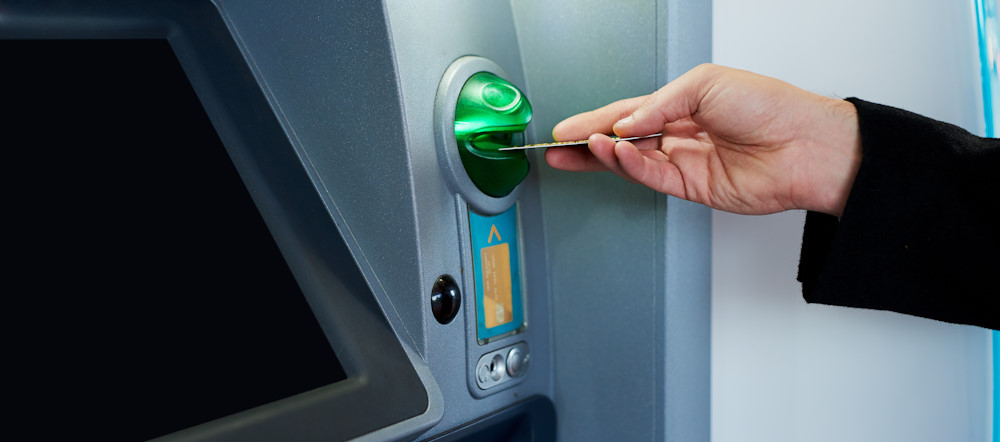
Inserting a bank card into an ATM

In the past, most expats preferred to maintain only foreign accounts and have their salary paid into those accounts. As of late 2020, all workers from abroad are legally obligated to have a local bank account for their earnings to be paid into. Account holders may then transfer the money to another account, such as their overseas bank account, or they can convert the currency if they wish.

Opening a bank account as a foreign worker requires extensive documentation, including the account holder’s passport, work permit, employment contract, and visa.

ATMs

Not all ATMs in Angola allow access to offshore accounts – and when they do, fraud concerns are present, and the charges are exorbitant. You are probably better off using your local account.

Credit and debit cards

A few hotels and restaurants accept foreign credit cards in Angola, but most places don’t. You should reconsider using credit or debit cards in Angola, since safeguards against identity theft aren’t always sufficient. You may also incur additional charges when using an international card.

If you have to use a card, you should be vigilant about checking balances online and ensuring that all debits reflected on statements are accounted for.


Taxes in Angola

Calculating taxes

Income tax in Angola is calculated on a progressive scale from zero to 25 percent. Beginning in 2027, Angola is making significant reforms to the tax system. For this reason, and because expat tax is a complicated issue, we recommend hiring an experienced expat tax adviser.

Visas for Angola

With an abundance of natural resources and gorgeous landscapes, Angola attracts many expats to its shores. To boost tourism, the country has relaxed some of its visa laws, making it easier to enter. Still, the process of securing long-term visas for Angola can be steeped in bureaucracy, so we recommend exercising a little patience.

Angola allows visa-free entry to nationals of over 90 countries. Those who do require a visa to enter the country will either have to apply beforehand or may be able to obtain a visa on arrival.


Tourist visas for Angola

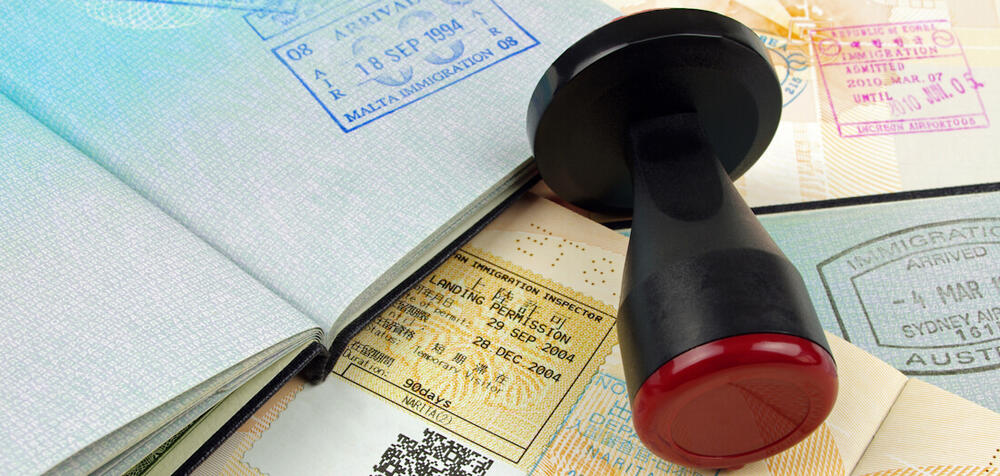
Visa stamps

Tourist visas allow short-term entry to the country for leisure or business purposes.

You should check if your nationality allows you visa-free entry or permits you to obtain a visa on arrival. If not, you must apply for a visa before your trip. 

This can either be done at a local Angolan embassy or online via the country’s electronic visa (eVisa) system. Those eligible for a visa on arrival can speed up the process by using the eVisa system to pre-register and pay for their visa ahead of time instead of at the border.

Tourist visas are valid for one stay of 30 days and must be used within 60 days of being granted. Once in the country, it is possible to apply for two extensions, each allowing an additional 30 days in Angola. 

The following is required:

  • Valid passport
  • Travel itinerary, including accommodation bookings and return flights.
  • Proof of adequate funds to support you during your stay in the country
  • Letter of invitation if travelling for business
  • Yellow fever certificate, if applicable

If you are travelling on this Angolan visa, you aren’t allowed to establish residence or engage in work for monetary gain in the country.


Work visas for Angola

Work visas for Angola are granted to those who obtain a contract of temporary employment in the interest of the state or on behalf of an Angolan company. 

There are six types of work visas available to those looking to work in Angola, ranging from Type A to F. The work visa you need will depend on the industry you'll be working in.

Work visas are valid for the duration of the work contract, usually a year. During that time, an Angolan work visa entitles its holder to reside in the country. Processing time is meant to be 15 days or less but is usually two or three months and can be delayed further in some cases.

Work Permits for Angola


Residence visas for Angola

Accompanying spouses and dependants may reside in Angola on a Temporary Stay Visa. They allow for stays of up to 12 months to three years and are renewable for up to five years. After you have been living in Angola for 10 consecutive years, you are eligible to apply for a permanent residence permit, which allows an indefinite stay in Angola.

*Visa regulations are subject to change at short notice, and expats should contact their respective embassy or consulate for the latest details.

Work Permits for Angola

Work permits for Angola are granted to expats employed by an Angolan company or the Angolan government. Holders of a work visa can stay in the country for the duration of their work contract (usually up to 12 months) and are allowed multiple entries into the country. The work permit will restrict you to the job for which the visa was issued, and you are only allowed to work for the employer who requested the visa.


Applying for a work permit for Angola

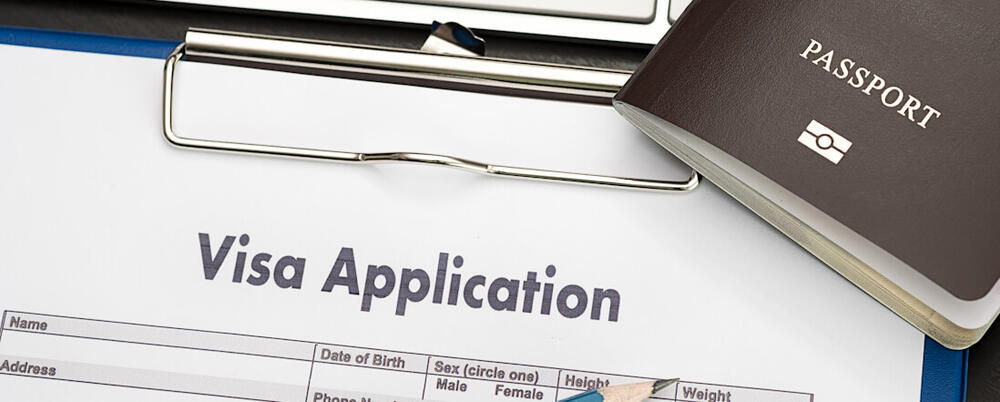
Visa application paperwork

The work permit process is quite complex. The hiring company typically acts as the applicant’s sponsor and makes all the necessary arrangements for the visa application. It’s also the employer’s responsibility to notify the appropriate authority of any change in the duration of the employee’s contract.

The employer must justify the need for hiring a foreign employee over a local one. They will also have to ensure that they maintain a workforce that is 70 percent Angolan. Work permit applications are supposed to be processed within 15 days but more often take two to three months, or sometimes longer, so we recommend starting the process as early as possible.

To apply for a work permit in Angola, you will need various documents, including:

  • a valid passport
  • an employment contract
  • a police clearance certificate from your home country
  • your educational and professional certifications
  • a yellow fever vaccination certificate, if applicable.

Most of these documents must be photocopied, notarised, and translated into Portuguese. Work permits for Angola can be renewed once they expire. You can bring a spouse and other dependants with you into the country on a Temporary Stay Visa.

Visas for Angola

*Visa regulations and requirements for work permits are subject to change at short notice, and expats should contact their respective embassy or consulate for the latest details.