

- Download our Moving to Angola Guide (PDF)
Healthcare in Angola is generally below Western standards, and expats should ensure that they have comprehensive medical insurance that covers the cost of an emergency evacuation. The country’s healthcare system is still underdeveloped, with low doctor and nurse training rates.
The national healthcare in Angola is managed by the Ministry of Health, which is working to improve resource availability and working conditions for healthcare practitioners.
Public healthcare in Angola
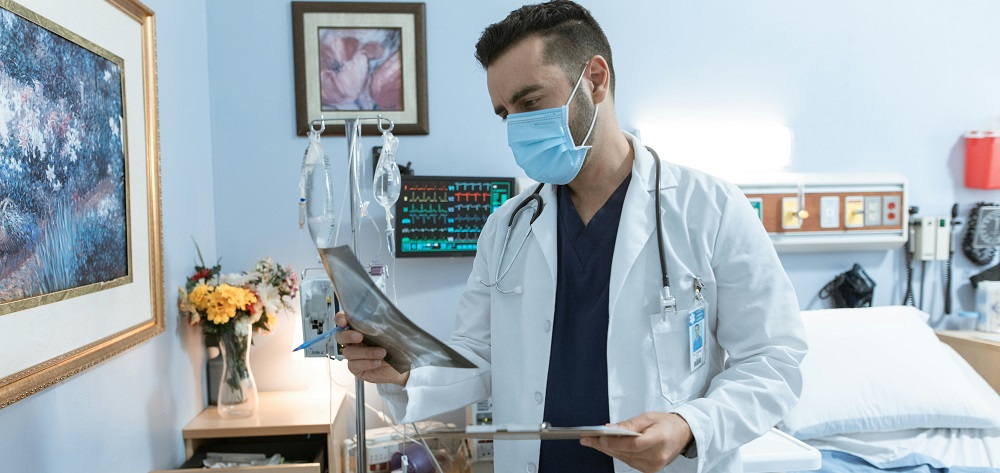
Almost 60 percent of Angola’s population uses the public healthcare system, which offers universal healthcare. Unfortunately, the system is inadequate. Although millions are being invested in improving healthcare, the country still suffers from staff shortages and a lack of facilities and equipment.
Most medical care is found in Luanda; even here, doctors, nurses and other specialists are relatively scarce. Although conditions at facilities in Luanda have improved, treatment is limited. As such, the public health system in Angola is best used for routine and minor ailments.
Useful links
Private healthcare in Angola
A few good 24-hour private clinics operated by general practitioners and on-call specialists have adequate emergency facilities. Routine operations are also usually performed in these facilities, and most doctors have a basic understanding of English.
Private medical care in Angola is expensive, and payment may be expected upfront and in cash. After that, you would need to seek reimbursement from your insurance company.
Health insurance in Angola

Angola doesn’t have a government-sponsored health scheme, so you should ensure that you’re adequately covered by medical insurance before you arrive. Most companies provide some form of medical insurance plan for their expat staff.
As most complicated medical procedures require travel to South Africa or further abroad, you should ensure that your medical insurance coverage includes medical evacuation and treatment abroad. Fortunately, most employers will cover the cost of health insurance, which can vary depending on your age and coverage level, as part of your relocation package, so you needn’t worry about this.
Pharmacies in Angola
Most pharmacies (farmácias) in Angola are located in Luanda. Hospitals and clinics usually have on-site pharmacies, many of which are open 24/7, but basic over-the-counter medicines may be expensive and in limited supply. Make sure you know the generic names of any medication you take regularly, as brand names can differ between countries.
If you’re moving to Angola and are reliant on chronic medication, you are advised to bring your own supply of properly labelled medication. It’s also essential that you carry your proof of prescription, as the authorities may need to see it.
Health hazards in Angola
Malaria is endemic in most parts of Angola, so you should consider malarial prophylaxis and take precautions against mosquito bites. Rabies is also a concern in Angola, so we advise against touching animals in public spaces.
The quality of tap water in Angola varies, and outbreaks of waterborne diseases such as cholera are common, particularly in poorer areas. It’s best to avoid drinking tap water and buy bottled water instead.
Vaccinations for Angola

All travellers over the age of nine months entering Angola must be vaccinated against yellow fever. It's also highly recommended that all routine vaccinations are kept up to date. Additional vaccines to consider include those for hepatitis A, tetanus, and typhoid.
Emergency services in Angola
Emergency services in Angola can be unreliable. For general ambulance service, expats can call 112, but response times may be slow, and most medical emergency services are limited to Luanda. Emergencies in more remote and rural areas will likely require air evacuation.