
- Download our Singapore Schools Guide
- Download our Moving to Singapore Guide (PDF)
When considering a move abroad, it can be all too easy to assume that a rosier life awaits – yet it occasionally turns out the grass on the other side really does have a greener sheen. Nevertheless, all serial expats will attest that every city and country has its pluses and minuses.
For those expats who are still hovering on the fence and weighing up the positives and negatives of relocating to the Lion City, here’s a helpful list of some pros and cons of moving to Singapore.
Climate in Singapore
+ PRO: Warm and balmy weather all year
If you can't stand the cold, you'll find Singapore's climate ideal. The temperature never strays far from around 86 (30°C), no matter the time of year, making it perfect swimming weather year round. It’s a little cooler in the evenings, around 77°F (25°C), and most properties have air-con. It can be nice to carry around a light layer to throw on top, but there’s no need to bring heavy jumpers or coats when you move here.
- CON: There are no seasons, and it rains a lot
The humidity here usually hovers around 70 percent or more, which can take some getting used to. It also rains a lot – not drizzle, but proper heavy tropical downpours, particularly during monsoon season. These are typically short, sharp, and sudden, but they can also last all day. Seasoned expats are never far from an umbrella (which is also good for shade).
Education in Singapore

+ PRO: Great schools to choose from
Whether expats want to enrol their child in a local public school or a private international school, Singapore offers several schooling options that provide world-class education.
There are many good public schools in Singapore which are affordable and provide high-quality education. Private international schools are also a great choice, particularly for expats who want their children to continue with the school curriculum from their home country.
- CON: Expensive private school fees, difficult to get into public schools
Public education is the more affordable option when it comes to schools in Singapore. Expats are required to pay higher school fees than locals, though, so it's not as cheap as you might expect. Beyond this, limited space is a major issue. The local schooling system is overburdened, and with attendance being mandated by zoning, there are only so many options available, and they fill up fast. Expats are at the bottom of the admissions priority list, so families may find themselves without a spot, even after going through an extensive admissions process.
Private international schools are a good alternative, but tuition can be expensive. Employers will sometimes cover education costs or a portion thereof, so it's always good to try to negotiate this into your contract. Like public schools, private schools are also oversubscribed, but there are more options because zoned attendance doesn't apply.
Education and Schools in Singapore
Best International Schools in Singapore
Healthcare in Singapore

+ PRO: Plenty of excellent doctors and facilities to choose from
High-quality healthcare is readily available in Singapore. Even for those without access to the city-state’s subsidised system, healthcare in Singapore is still reasonably priced as long as expats are insured.
There are numerous private and public hospitals, as well as outpatient clinics, throughout the metropolis. Those who have insurance can contact their provider for a list of recommended doctors and clinics.
- CON: Possible upfront costs
An unexpected trip to the doctor may be somewhat expensive, especially if the facility or doctor doesn’t accept direct bill payment from insurance companies. If this is the case, the patient is expected to pay upfront for the consultation and any other services provided at the time of the visit, including prescription medication.
The insurance company usually reimburses these medical bills, but the upfront payment can come as a shock for those living on a budget.
Healthcare in Singapore
Best Private Hospitals in Singapore
Accommodation in Singapore
+ PRO: Wide range of options
Whether expats want to rent an HDB (government-owned) flat or a privately owned condo, they’ll have loads of options, as high-rise developments are still springing up all over Singapore. Most privately owned condos and apartments, especially the new ones, have on-site amenities such as pools, playgrounds, gyms, and function rooms. Landed homes (similar to single-family homes in the US) can be found in the suburbs.
- CON: Rent is expensive
Because space on the island is at a premium, rent in Singapore can be high. Expect to pay more for a place closer to the city centre, Orchard Road, Holland Village, and other desirable neighbourhoods. Expats willing to move further away from the central parts of town might just be able to score a good deal.
Renting Accommodation in Singapore
Best (and Worst) Areas and Suburbs in Singapore
Safety in Singapore
+ PRO: Low crime rate
Singapore is an exceptionally safe country with low crime rates and a zero-tolerance policy when it comes to drugs.
- CON: Poor pedestrian and cyclist safety
Pedestrians do not have the right of way in Singapore, so it’s best to use crosswalks whenever possible. Sometimes bikes share sidewalks with pedestrians, but sidewalks are often narrow. Although work is underway to rectify this, Singapore has limited cycling infrastructure, and most drivers do not look out for cyclists on the road.
If you plan to cycle, remember to wear a helmet and try to be as predictable as possible on the road. Use the Park Connector pathways when you can to avoid dangerous roads.
Transport in Singapore
+ PRO: Great public transport
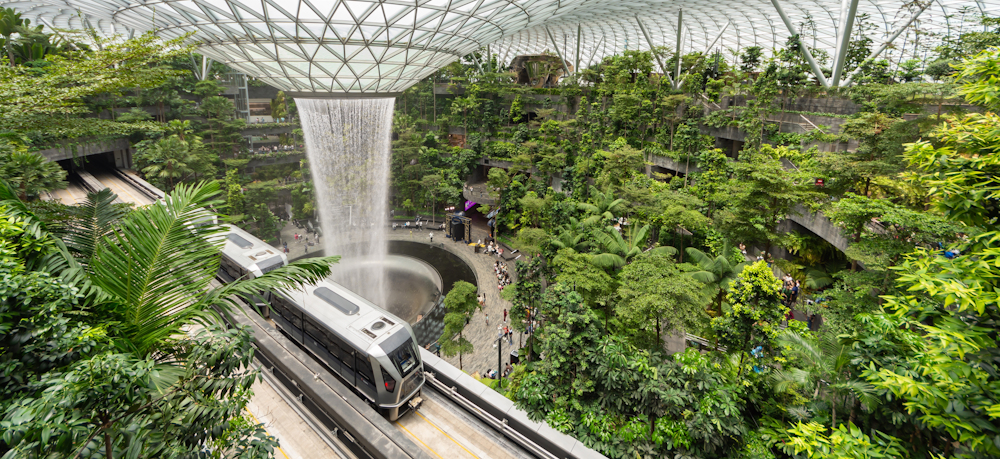
Getting around Singapore by bus or MRT is a piece of cake. Public transportation is cheap, too. Even more train lines are expected to be added to the already extensive network, making even the furthest corners of the island easily accessible. Cabs, which are also extremely affordable, are an alternative mode of transportation, and so are the bevvy of easy-to-use ride-hailing apps.
- CON: Cars are costly
Owning a car in Singapore is a seriously expensive undertaking. Between customs duties, taxes and insurance fees, as well as the price of tolls and parking, the convenience of owning a car comes at a high price.
Social scene in Singapore
+ PRO: Easy to make friends
It usually doesn’t take new arrivals long to make friends in Singapore, whether expat or local. Many online forums and social media groups provide both expats and locals with the opportunity to come together over shared interests.
Otherwise, be on the lookout for organisations that host social events, as these are great places to meet like-minded individuals. Consider becoming a member of an expat club or society, such as the American Association or the British Club.
These are the centre of the social scene for many expats. Expats can also consider taking a class, volunteering, or starting a blog about life in Singapore.