Print
  • Hold down Ctrl key and select the sections you want to print. If using a Mac, hold down the Cmd key.
  • Use Ctrl + A or on Mac, Cmd + A to select all sections (if you are using the Chrome browser).
  • Click "Apply" and the site will customise your print guide in the preview below.
  • Click the "Print" button and a print pop up should appear to print to your printer of choice.

Banking, money and taxes in Singapore

One of the world’s major financial centres, Singapore gives expats access to leading banking systems, with dozens of local and foreign institutions present in the city-state. Needless to say, expats will find a full spectrum of services to manage their banking, money and taxes in Singapore, from consumer banking, asset management and foreign exchange to dedicated insurance services and investment banking.


Money in Singapore

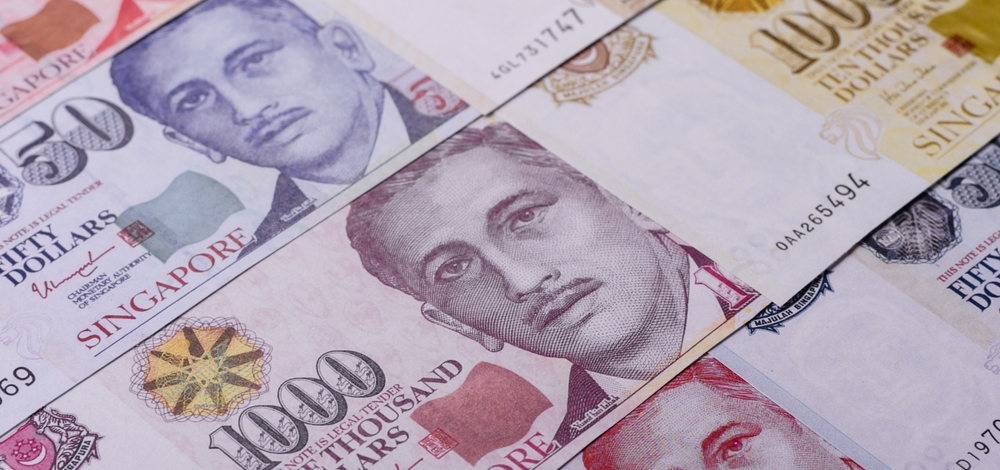
Singapore bank notes

The unit of currency is the Singapore dollar (SGD). One dollar is divided into 100 cents.

  • Notes: 2 SGD, 5 SGD, 10 SGD, 20 SGD, 25 SGD, 50 SGD, 100 SGD, 1,000 SGD, and 10,000 SGD
  • Coins: 1, 5, 10, 20 and 50 cents, and 1 SGD

Banking in Singapore

With so many foreign and local banks in Singapore, expats will certainly not be at a loss for a reputable service provider. It’s important to consider the services offered, the location and the ATM network available when choosing a bank.

The banking system in Singapore is recognised globally for its efficiency and robust security measures. With the presence of major multinational banks like HSBC, Standard Chartered, and Citibank alongside strong local institutions, customers have access to a broad range of financial services. These banks offer options tailored to both residents and foreigners.

ATM keypad

Opening a bank account

It’s easy to open a bank account in Singapore, and the process can be completed in a single day. English is the primary administrative and professional language in Singapore, so expats are unlikely to face a language barrier when it comes to managing money.

To open an account, expats typically need to provide proof of identity, residency status, and financial credibility. The exact documentation varies among banks, but a passport, employment pass, and sometimes proof of address are usually required. Some banks require an in-person visit to a branch to start the process, while others allow online initiation.

ATMs and credit cards

ATMs abound in Singapore, most of which accept international cards. ATM fees at local banks tend to be lower than at international banks.

Credit cards are widely accepted, though expats should be advised that international cards tend to incur high transaction costs. However, local cards can be more cost-effective, especially for frequent transactions. It is advisable for expats to consider applying for a local credit card if they plan to stay in Singapore for an extended period.

As Singapore progresses towards a cashless society, digital payments have become increasingly prevalent. However, cash remains a significant mode of transaction, particularly in traditional markets and small retail outlets. Major credit cards are accepted in most establishments.

For daily transactions, it’s advisable to carry a mix of cash and cards. ATMs are widespread, providing easy access to cash withdrawals. Compared to currency exchange at banks or money changers, ATM withdrawals are usually more cost effective.


Taxes in Singapore

Doing taxes

All expats working in Singapore are liable to pay income tax, though the specifics will depend on their tax residency status.

Expats are considered tax residents in Singapore if their period of stay exceeds 183 days in a year or if they hold Singapore Permanent Residency. For tax residents, the income tax rates are progressive, ranging from zero to 24 percent. Non-residents, on the other hand, are taxed at a flat rate of either 15 or 24 percent, depending on the source of their income.

Understanding these tax brackets is crucial for expats to plan their finances effectively while in Singapore. It's best to enlist the services of an expat tax professional.

Useful links

*Tax regulations are subject to change at short notice, and expats are advised to seek the assistance and advice of a professional tax consultant.

Healthcare in Singapore

Healthcare in Singapore is of an extremely high standard. The city-state is consistently ranked among the best-performing countries in the world in healthcare. Medical staff are highly trained, friendly and almost always proficient in English, and health facilities are well maintained. 

Both public and private sector services are available, and though expats often debate the merits of each, both function efficiently and professionally. The private sector is pricier than public healthcare, but many are happy to pay more for shorter wait times and greater comfort.

When it comes to health insurance, Singapore has a fairly unique system of universal coverage. Patients are expected to co-pay for most of their medical expenses, but in return, they have access to basic, affordable healthcare when it's needed most.

Unfortunately, only expats who are permanent residents or citizens will have access to the public health insurance system. Expats usually either take out health insurance or receive insurance through their employer.


Health insurance in Singapore

Singapore doctor on laptop with stethoscope on desk

Public health insurance in Singapore is only available to citizens and permanent residents. It primarily comprises state subsidies, MediSave, and MediShield Life and is managed by the Central Provident Fund (CPF). 

MediSave

MediSave is the compulsory national medical savings scheme, designed to help working adults set aside funds for healthcare expenses. Both employees and employers are required to make monthly contributions to a savings fund, and additional voluntary contributions can also be made to top up the fund. 

Various healthcare-related costs are covered by MediSave, such as paying premiums for public or private health insurance (including MediShield Life), paying for inpatient and outpatient healthcare, and paying for long-term care.

MediShield Life

Medishield Life is a basic health insurance plan that covers large medical expenses like hospitalisation and expensive outpatient treatments. Premiums are automatically deducted from a person's MediSave account.

Integrated Shield Plan

Singapore citizens and permanent residents can also opt into an Integrated Shield Plan (IP). IPs combine the benefits of MediShield Life with extra coverage, and are provided by a range of private insurance companies.

Private insurance for expats

As expats don't have access to public health insurance, they'll need to invest in private health insurance.

Both local and international insurance companies operate in Singapore, and there are numerous plans and types of coverage available. Costs vary tremendously, and expats will need to evaluate each package to find the best fit for them.

Many companies in Singapore include health insurance in employment packages, and if the subject is not broached during contract negotiation, expats should enquire.


Public healthcare in Singapore 

Public hospitals are among the most respected institutions in Singapore. The more esteemed hospitals even receive complicated cases that neighbouring countries aren't equipped to handle.

That said, these facilities mainly cater to locals and permanent residents who are entitled to subsidised care based on their contributions to a national insurance scheme. Expats without permanent residency status aren't privy to these subsidies, and in such cases, there isn't a big difference in price between public and private care.


Private healthcare in Singapore

Many expats prefer private healthcare in Singapore as it doesn't cost much more than public facilities, and the service levels are assumed to be better.

There are plenty of private hospitals, medical centres, and individual practices in the city-state; expats simply have to decide which one suits their needs best.

Anyone can use private facilities, and though day-to-day healthcare costs can be surprisingly affordable, we recommend investing in a good health insurance policy.


Hospitals in Singapore 

Singapore has several public hospitals, including the National University Hospital (NUH), Singapore General Hospital (SGH), and Changi General Hospital (CGH). These hospitals are funded and managed by the government and provide a wide range of medical services primarily to Singaporean citizens and permanent residents.

The vast majority of expats do not qualify for public healthcare and therefore need to pay for any medical treatments out of their own pocket or through private medical insurance. In addition to public hospitals, Singapore boasts many world-class private hospitals that offer a range of specialised medical services and typically provide a more personalised patient experience and shorter waiting times.

See our guide to the Best Private Hospitals in Singapore.


Pharmacies in Singapore

Pharmacy green cross sign

Over-the-counter medications are available from supermarkets, department stores, shopping centres, and chemists right across Singapore. Prescription medication can be purchased at pharmacies. It's also becoming more common to order medication online and have it delivered to your home, and many healthcare providers offer this service.

Expats should note that some medications that can be bought over the counter in other countries may require a prescription in Singapore, and vice versa. If you take a particular medication regularly, make sure you know the generic name as brand names may differ in Singapore.


Health risks in Singapore

The two biggest health concerns for expats are likely to be sunburn and dehydration. The wall of heat and humidity that greets newly arrived expats when they first step out of the air-conditioned confines of the airport is difficult to anticipate. 

Staying well hydrated and using sunblock is vital for defending against the year-round hot climate. There is a risk of mosquito-borne illnesses like dengue fever and the Zika virus in Singapore, and hand, foot and mouth disease is common among young children in Singapore.


Vaccinations for Singapore

Stethoscope, vaccination bottle and needle

Before moving to Singapore, expats should ensure they are up to date with routine vaccinations. This includes vaccines for measles, mumps, rubella (MMR), diphtheria, tetanus, and pertussis (DTaP), varicella (chickenpox), polio, and a yearly flu shot. 

Depending on individual circumstances, additional vaccines such as Hepatitis A and B, typhoid, Japanese encephalitis, and yellow fever may be recommended. Consulting a healthcare professional well in advance of the move is crucial for personalised advice.

Parents should note that Singapore has specific vaccination requirements for children enrolling in local schools. These requirements align with the national immunisation schedule, ensuring the safety and health of all children.


Emergency services in Singapore

Dial 995 for fire and ambulance services. Ambulances are generally well equipped, and patients are transported to the nearest government hospital. Ambulance staff are trained in trauma and life support.

Expats can also choose to use the ambulance services of a private hospital of their choice, but in this instance, they'll need to obtain the relevant emergency number from the chosen hospital.

Weather in Singapore

The weather in Singapore is warm, wet and humid owing to its unique location, just a few degrees off the equator. There is hardly any variation in temperature in Singapore – the mercury never seems to stray too far from the 86°F (30°C) mark. 

It rains throughout the year in the Lion City. The monsoon season in the last few months of each year and the first few months of the new year bring frequent showers and gloomy skies.

Singapore's high level of humidity, usually between 70 and 90 percent, is what most people consider the most significant culprit when it comes to weather-related discomfort in Singapore. Surface winds tend to be light and don't provide any real relief.

The UV intensity in Singapore can be extreme. Always use sunblock, preferably SPF 30 or higher, when outdoors for extended periods, reapplying often. It's also always wise to have an umbrella handy in case of showers.


Shipping and Removals in Singapore

The prospect of organising shipping and removals in Singapore can be daunting, but expats can rest assured that the city-state is well equipped to handle both personal and professional shipments efficiently and effectively.

That said, before packing up their home and shipping it to Singapore, either by sea or by air, expats should take some time to decide whether this is necessary. Singapore has plenty of furnished accommodation available, and it's easy to buy whatever else you may need. What’s more, given the transient nature of the expat community, there’s plenty of opportunity to procure used goods in great condition from those repatriating to their country of origin or moving elsewhere.

For those essentials you do wish to bring over, shipping by sea is cheaper than air freight but takes longer. Some expats find it's best to split their shipment, with the most urgently needed items shipped by air and other, larger items shipped by sea.

We recommend that expats employ the services of a professional shipping company, as these organisations are familiar with the logistics of the shipping process and can advise expats on documentation and duties.


Shipping personal goods to Singapore

Woman with checklist and boxes

Expats shipping their household goods to Singapore can do so duty-free, but some items, including cars, liquor, and tobacco, are subject to a Goods and Services Tax (GST).  

To ship items duty-free, certain criteria must be met, such as:

  • The goods being shipped have been owned for more than three months
  • The goods are shipped within six months of one’s first arrival in Singapore
  • The goods will not be disposed of within three months of arriving in Singapore

To be exempt from import duties, it’s necessary to submit the required forms and documents ahead of time.

Useful links


Shipping pets to Singapore

Shipping pets to Singapore requires careful planning and compliance with specific regulations set by the National Parks Board’s Animal & Veterinary Service (AVS). Understanding the process is crucial for a smooth transition for your furry friends.

Breed restrictions

Singapore imposes strict breed restrictions for both dogs and cats. Certain breeds are not allowed. It’s essential to verify the breed of your pet and ensure compliance with these restrictions.

Immunisations and health checks

The health and safety of pets are paramount. Dogs and cats need to be vaccinated against common diseases, and those from countries with rabies risk must receive rabies vaccinations and undergo serologic tests. The requirements differ based on the country’s categorisation, so it’s important to check the latest guidelines. 

A thorough health check is necessary to ensure your pet is fit for the journey. Pets should be examined and receive parasite treatment two to seven days before departure. Assuming all is well, the vet will issue a health certificate.

Import licences

An import licence is required for bringing pets into Singapore. The licence is valid for 90 days from the date of issue, and the application process involves specific documentation and adherence to timelines. You'll also need a dog or cat licence, which can be obtained on the Pet Animals Licensing System (PALS).

Customs permits

A customs permit is required to import a pet to Singapore. Apply online 14 days before arrival.

Quarantine

Depending on the country of origin, quarantine may be required for dogs and cats. The duration varies based on the exporting country's rabies risk category. You should reserve your pet's quarantine space through the online booking system once you have their serology test results. Some pets may be eligible for home quarantine.

Inspection

Upon arrival, pets must undergo inspection at designated border control offices. Scheduling an appointment for inspection is vital and should be done five days before arrival. The inspection ensures that all health and safety standards are met.

Useful links

Accommodation in Singapore

Accommodation in Singapore is of a high standard, comes in all shapes and sizes, and has a wide price spectrum. The cost of rent varies depending on the area, the property's size, and its proximity to schools and public transport.

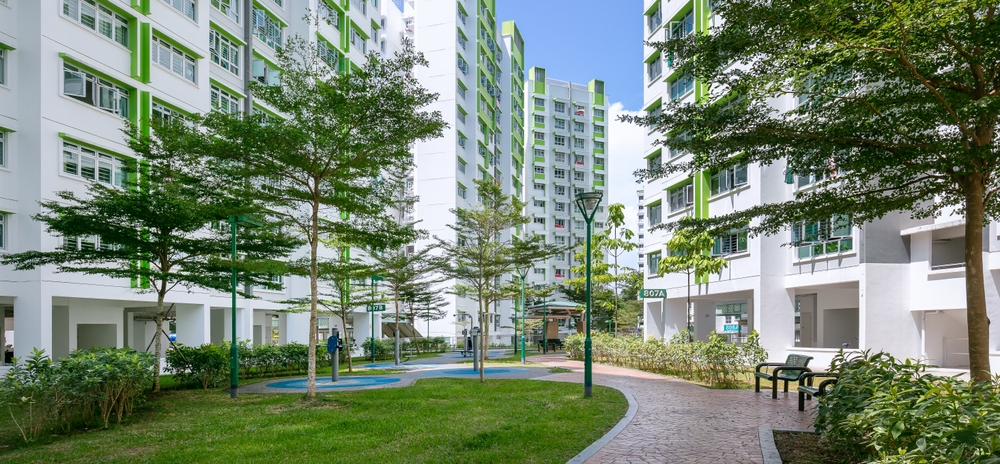
The property market in Singapore can be divided into public and private sectors, with public housing being offered by the Housing and Development Board (HDB). Unlike in many other countries, public housing in Singapore isn't necessarily associated with lower-income groups; it even includes luxury options. 

Around 80 percent of Singapore's population lives in HDB housing. Expats holding certain visas are eligible to rent HDB accommodation, but non-citizen quotas are in place, so availability is limited.

Many foreigners, especially high-earning Westerners, prefer to rent a private apartment, condominium or bungalow. But while some companies might cover rental costs, others may not. Given the increasing price of accommodation in Singapore, expats need to negotiate their salaries accordingly.


Areas and suburbs in Singapore
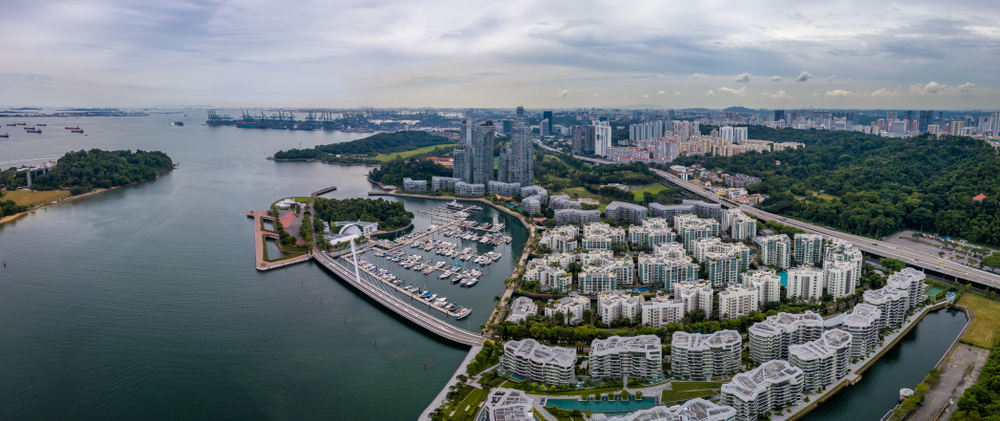
Singapore accommodation

In the Central Region of Singapore, expats enjoy a blend of cosmopolitan living with convenient access to Singapore's bustling business district, shopping centres and a plethora of dining options. High-rise condos and apartments, often complete with luxurious amenities, dominate this area. Although this region offers a high standard of living and proximity to several prestigious international schools, residents may find rental costs quite steep and the noise from traffic and construction somewhat intrusive.

The North Region of Singapore offers a tranquil escape from city life, immersed in lush greenery. Though it's further from the city centre, it's still easily accessible and offers a unique view of Malaysia from the Woodlands district. The serene environment is ideal for those preferring a quieter lifestyle.

The East Region offers a charming coastal lifestyle, merging the allure of the old with the convenience of the modern. Home to Changi International Airport, this area is a melting pot of cultures, featuring a diverse population and exciting amenities. Expats here enjoy spacious condominiums, a sense of community, and proximity to quality international schools. The region's appeal is further enhanced by its beautiful beaches and an array of exquisite eateries, providing a balanced quality of life away from the city's hustle and bustle.

Check out the Best Areas and Suburbs in Singapore


Types of accommodation in Singapore

Prospective new residents of Singapore will be spoilt for choice, as the city is home to a considerable variety of neighbourhoods and housing in just about every price bracket. Both furnished and unfurnished accommodation is available in Singapore, so this should be taken into account when deciding whether to ship goods from home.

Apartments

A common choice among expats, apartments are (mainly) smaller, self-contained units in larger buildings, referred to as 'flats' in some parts of the world, such as the UK. Many apartments are subsidised by the HBD, which can save expats some money.

Condominiums

These complexes are similar to apartments but are more luxurious and will generally offer a wide range of facilities. Those at the top of the scale will offer a full suite of facilities, including a pool, gym, playground, tennis and squash courts, and 24-hour security.

Landed houses

This category includes terraced houses, semi-detached houses, and bungalows. All landed homes have some form of garden, though the size can vary from tiny to expansive.

Terraced houses are the most common type of landed property in Singapore. They're connected by a shared wall on either side, while emi-detached houses share only one wall. Both terraced and semi-detached houses tend to be two or three storeys tall.

Bungalows are large, standalone houses. They're usually only one storey, though some have upper rooms set in the roof. These are difficult to come by and pricey, but they come equipped with ample space.


Finding accommodation in Singapore

Searching for property in Singapore

Estate agents are an essential part of finding property in Singapore. While expats can find accommodation using property websites, it's preferable to let an agent do the legwork. A good agent with extensive knowledge of the property market is a valuable asset. The best way to go about acquiring an agent is to ask for recommendations from fellow expats, or recruit one from a reputable property site. Always check the public register of the Council for Estate Agents (CEA) to ensure your prospective estate agent is listed.

The hunt for a home should be thorough, and the result will determine where an expat spends most of their time in Singapore. Besides being sure about a property before signing on the dotted line, it's also important to survey the area to make sure it suits your lifestyle before settling.

Useful links


Renting accommodation in Singapore

Signing a lease to rent accommodation in Singapore

New arrivals in Singapore tend to rent rather than buy, as rules and regulations make it difficult and costly for foreigners to purchase property. 

Expats going about the process on their own will often rent a short-term serviced apartment while checking out an area and deciding on long-term accommodation. This isn’t strictly necessary, though, and with a good agent, long-term rentals can be secured without the need for temporary accommodation.

Apartments, condos and bungalows can be rented furnished or unfurnished – often, both options are available to the tenant, who can make their decision based on their own preferences and needs.

Making an application

Having found a suitable place in their desired neighbourhood, expats should inform the landlord of their interest as soon as possible. In a city short on land and high in population, there are likely to be many interested parties.

HDB owners in Singapore aren’t allowed to rent out entire apartments without special permission from the government, so expats looking to rent an HDB unit are advised to ask for the permission slip to avoid getting into trouble.

The next step is for the prospective tenant and the landlord to both sign a Letter of Intent (LOI). The LOI should state the expat’s intention to rent the place, along with the price, the term, and any other terms agreed upon by the tenant and landlord. If expats choose to work through a property agent, the agent will likely set up this document for them.

It’s also prudent to have references and testimonials from current and former employers and former landlords, as these will improve the expat’s chances of securing the lease.

Leases

Once the LOI is signed, the tenant and landlord must sign a lease agreement. A lease specifies the period of tenancy (usually 12 to 24 months) along with other important terms and conditions. Expats are urged to review the agreement and ensure that all verbal agreements with the landlord are in writing and acknowledged by both parties. Both the tenant and the landlord should also agree on an inventory list at the start of the lease.

Deposits and fees

Upon signing the lease, tenants must pay a security deposit, usually equal to one month's rent per year of the lease. This is generally paid before the start of the lease, along with the first month’s rent. 

Deposits remain the property of the tenant while they are held by the property owner and must be refunded after the conclusion of the lease. However, landlords may deduct from the deposit or retain the entire amount for various reasons. These include covering unpaid rent, damages beyond normal wear and tear, other breaches of the lease agreement, unpaid utility bills, or – if pre-arranged with the tenant – to cover the last month’s rent.

Additional fees to consider include the agent’s commission fee (if an agent was employed). The commission fee typically comes to about half a month’s rent for every year of the rental term agreed to in the lease. Stamp duty may also be payable on rentals above a certain monthly amount.

Terminating the lease

At the end of the lease period, the landlord and tenant can either agree to renew it or end it. Importantly, expats should insist on a diplomatic clause in the lease agreement. The clause is vital, as it would allow the expat to terminate the contract if their employment is terminated or their company transfers them to another country. It also ensures the expat’s security deposit is returned.


Utilities in Singapore

Lightbulb, mini house and calculator representing utilities in Singapore

Prospective tenants must scrutinise a lease agreement carefully to ascertain which utilities are included in the rental cost before committing. 

Utilities are usually billed to the tenant and typically include internet, electricity, water, and gas. In Singapore, the main provider of electricity and gas is SP Group, which is owned and operated by the government. 

Electricity

SP Group is the default supplier when you open an electricity account, but you have the option to switch to a private electricity provider on the Open Electricity Market (OEM). The various providers offer a range of pricing plans, catering to different consumer needs. 

Switching to an OEM retailer can lead to significant savings, making it a worthwhile consideration for expats. However, it's essential to compare plans and understand the terms and conditions to ensure the chosen plan suits your lifestyle and usage patterns. Note that electricity is billed and paid through SP Group, even if you use a different provider.

Gas

Gas in Singapore is widely used for cooking and heating in both residential and commercial settings. City Energy manages piped gas installation and supply. Once you've registered with SP Group for electricity, you can contact City Energy with your account details to arrange and initiate service. Payments are made via SP Group.

Water

Singapore has safe, high-quality tap water. The water undergoes an extensive and robust purification process, making it perfectly safe to drink straight from the tap.

In Singapore, the Public Utility Board (PUB) manages the water supply. To set up a water account, you must first register with SP Group. Once you've got an SP Group account number, you can contact PUB to connect or install your home's water supply.

Bins and recycling

Singapore's waste is managed by the National Environment Agency (NEA). 

General waste is discarded in green bins, while recyclables are placed in blue bins. In HDB flats, these blue recycling bins are conveniently located at every block and are emptied a minimum of three times a week. Private landed properties are provided with individual recycling bins, with collections occurring weekly.

The recycling system in Singapore operates on a 'co-mingled' basis, meaning there is no need to separate recyclables into different categories. Remember to ensure that non-recyclables and food waste aren't put into recycling bins, as this contaminates the contents.

Internet

In Singapore, residents have access to a variety of internet service providers (ISPs), with leading names including Singtel, StarHub and M1. The country is known for its high-speed broadband connectivity, which is widely available across the island. This extensive coverage ensures reliable and fast internet access, which is vital for both personal and professional use.

Keeping in Touch in Singapore

Useful links

Local culture in Singapore

Singapore is renowned for its efficient infrastructure, as well as its unique cultural blend that harmoniously combines elements from the East and West. With a cosmopolitan mix of local cultures in Singapore, the city-state is a highly approachable and comfortable destination for expats. 

Singapore's population is mostly composed of three ethnic groups: Chinese, Malay and Indian. This cultural diversity produces a colourful collection of traditions, holidays and customs that expats are sure to become enamoured with.

Although the culture shock in Singapore is minor, there may be some situations that new arrivals in the city-state will be unfamiliar with. In such cases, they shouldn't hesitate to ask someone for advice, as most Singaporeans will be eager, and even proud, to help.

A surefire way for expats to get over any potential culture shock is to immerse themselves in the city's culture and start discovering all that Singapore has to offer – there certainly is plenty to experience in the Little Red Dot.


Food in Singapore

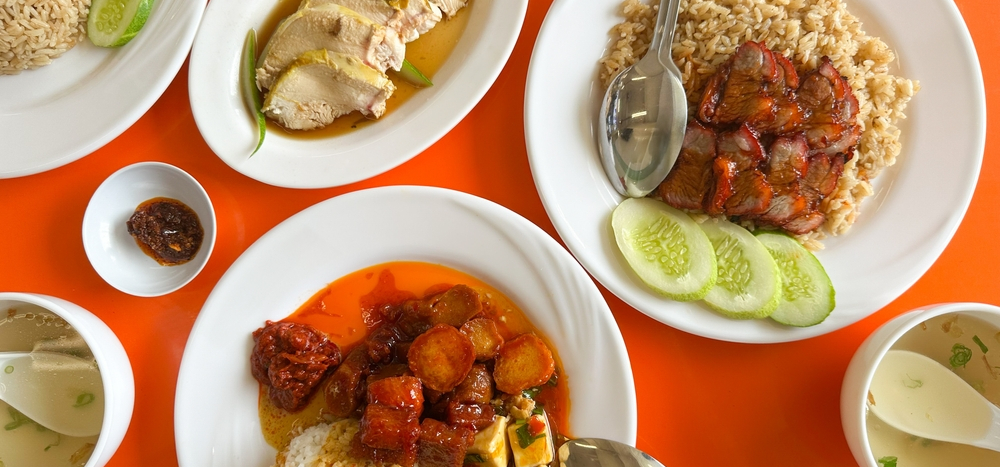
Different Singaporean dishes

A hub of Asian cuisine, Singapore has something for everyone, especially keen foodies. Satay, chilli crab and fish-head curry are traditional Singaporean dishes worth trying. For expats wanting something more familiar, there are plenty of Western restaurants on the island, too, including Italian, Mexican and American-style eateries, as well as Western fast-food chains.

It's also well worth trying out hawker centres – food courts where vendors sell a variety of local speciality dishes. Food at hawker centres is affordable, quick, and often utterly delicious. Note that if you ever come across a packet of tissues on a table at a hawker centre, that means the table has been choped, or reserved. Look for an empty table somewhere else.

Street Smarts: A Guide to Eating at Hawker Centres


Kiasuism in Singapore

Kiasu is a common concept in Singapore. The word kiasu is Hokkien for 'fear of losing out' and is used to describe competitive or selfish behaviour. It's a mixed concept, with positive attributes like competition and enterprise, and negative ones like zero-sum thinking or risk aversion. 

Kiasuism manifests itself in many ways, such as queuing in long lines to receive a door prize or giveaway, or joining the longest queue at a hawker centre because everyone else is eating there. It is also common to grab more than necessary (such as at a buffet or when an item in a shop is discounted) for fear of not getting it later. Westerners might know the phenomenon as FOMO – the fear of missing out.

The term Kiasuism is also used to describe ambitious and successful people. Kiasu people take extra classes and exploit loopholes and shortcuts – anything to find a competitive edge. While kiasu can come off as aggressive and opportunistic, it's also a natural strategy for a tiny country in a vast world.


Language in Singapore

Although English is spoken by just about everyone in Singapore, expats may notice some unfamiliar words here and there. This is called Singlish – a colloquial, uniquely Singaporean dialect of English. It is widely spoken throughout the city-state and is considered by many to reflect its unique blend of cultures. While some look down on Singlish, others will firmly attest that a local who doesn't speak Singlish isn't a true Singaporean.

It's worthwhile brushing up on a few common Singlish phrases before departing to Singapore, even if it's just to understand the locals.


Strict laws in Singapore

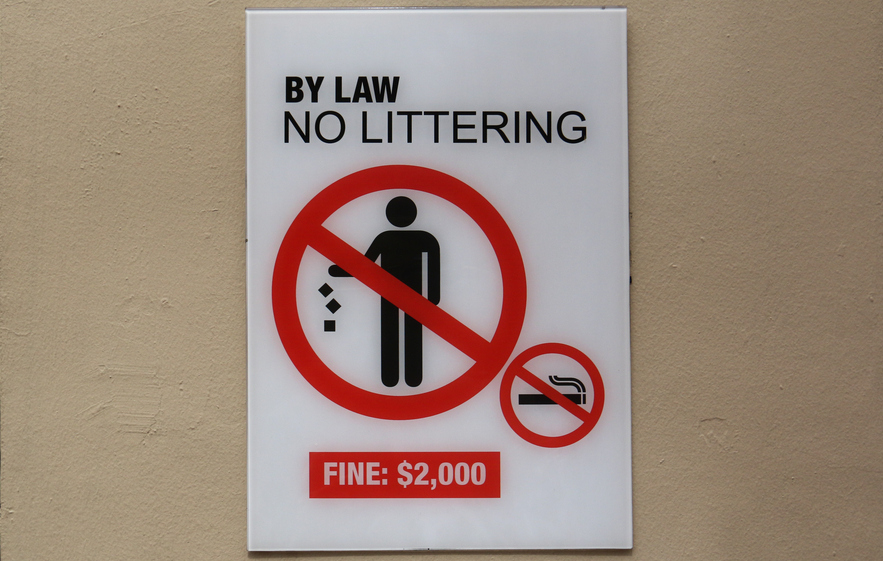
"No littering" sign in Singapore

Singapore is a conservative country with strict laws. No matter where their passport says they are from, if a foreigner commits a crime in Singapore, they'll be subject to the country's strict laws and harsh punishments.   

Perhaps the island state's most infamous law is its ban on the sale of chewing gum. This law is intended to prevent people from sticking used chewing gum on surfaces around the city. Similarly, littering and spitting in public are both illegal and can result in prosecution.

On a more serious note, crimes such as vandalism may be punishable by caning, and certain drug offences are eligible for the death sentence. Freedom of expression is also restricted: certain publications and movies are banned, and others are censored before being released to the public.

The policies might sound harsh, but they ultimately make Singapore one of the safest and cleanest places to live, and expats may take solace in this.


Women in Singapore

Expats in Singapore will observe that gender equality is a growing focus within the city-state, with women increasingly visible in leadership roles and the workforce. Women comprise almost a quarter of Singapore’s Members of Parliament and around 39 percent of commercial senior managers. On the other hand, traditional and subconscious biases still exist, particularly at the corporate board level and in C-suite positions, where men predominantly hold these roles.

For expat women, understanding and navigating this landscape can be essential to their experience in Singapore. They may find themselves participating in or benefiting from various advocacy programs and initiatives designed to promote gender equality and empower women in the workplace.

It's also noteworthy that Singapore is addressing issues like the gender pay gap and workplace harassment, with ongoing efforts in legislation and public awareness to further enhance equality and safety for women.

Read Diversity and Inclusion in Singapore for more on Women in Leadership in the Little Red Dot.


LGBTQ+ in Singapore

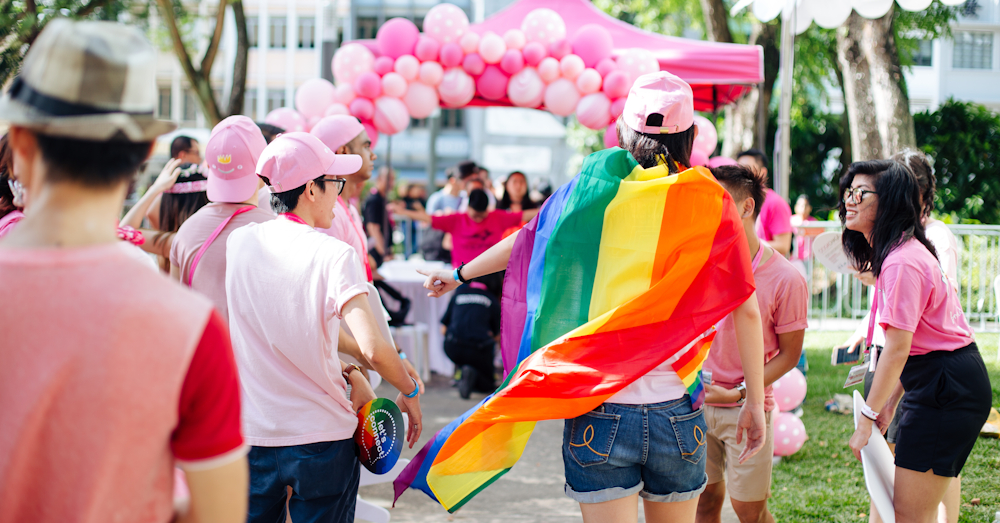
Expats in Singapore will notice that while the city-state maintains traditional conservative views on sexual orientation and gender identity, there is a gradual shift towards more acceptance, particularly among younger generations. Notable events like Pink Dot symbolise growing support for the LGBTQ+ community. 

Legal recognition of same-sex relationships, including marriage and adoption, remains absent, although the year 2022 saw a significant step forward with the repeal of a colonial-era law criminalising sexual activities between men.

For a deeper understanding of how Singapore is learning to love its LGBTQ+ population, be sure to read our detailed article on Diversity and Inclusion in Singapore.

Work Permits for Singapore

There is a range of work permits in Singapore that expats can apply for. To qualify for any of these permits, expats will first need to secure a job offer in Singapore.

The Employment Pass is for qualified professionals, while the S Pass is for mid-level candidates, and the Work Permit is for semi-skilled workers in fields like construction. The Personalised Employment Pass is for high-earning individuals seeking flexibility, and the EntrePass is for entrepreneurs looking to start businesses in Singapore. The Tech.Pass also caters to experienced tech professionals, allowing them to establish or manage businesses in Singapore.


Types of work permits for Singapore

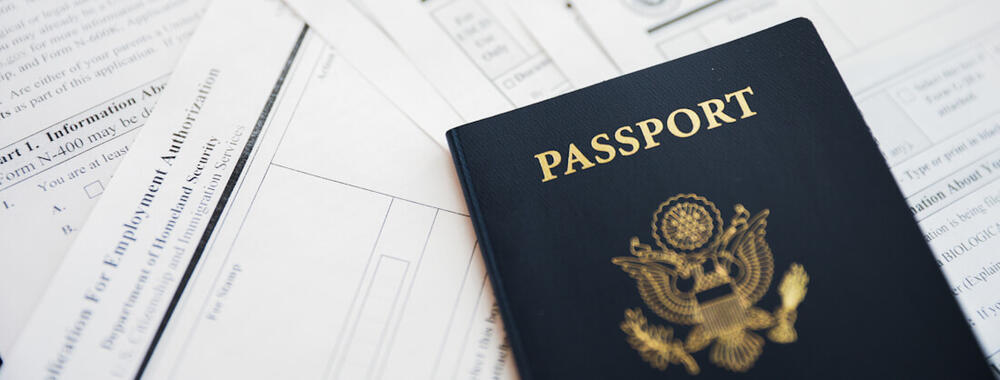
Passport

Employment Pass (EP)

Employment Pass applicants need an offer for a specialised or management-level job in the country. The EP is aimed at professionals, managers, and executives who meet specific eligibility criteria.

Applicants who are recent graduates of well-respected international universities must earn above a certain amount each month to be considered for an EP. The Ministry of Manpower (MOM) sets this amount based on the applicant's age and the sector they are applying to. For financial services, the minimum qualifying salary is higher than in other sectors, reflecting the industry's talent demand and competitiveness.

Singapore's MOM has also introduced COMPASS, a points-based assessment framework, to holistically evaluate Employment Pass applications. COMPASS considers factors such as salary, qualifications, diversity within the hiring company, and support for local employment.

The EP application process involves two main stages. Firstly, applicants must meet the qualifying salary, and secondly, they must pass the COMPASS framework. This two-step process ensures that only high-quality talent enters Singapore's workforce.

Expats do not apply for an EP on their own; the application is submitted by the employer or an employment agent before the individual arrives in Singapore. For first-time applicants, an EP is valid for up to two years and can be renewed for up to three years.

EP holders who meet specific financial requirements may have their employer apply for a Dependant’s Pass for their legally married spouse and children under the age of 21. Separate applications must be made for each family member.

S Pass

S Pass candidates in Singapore must have a job offer that meets the minimum qualifying salary, which varies based on the candidate's experience level. Senior candidates must be paid more than entry-level applicants to reflect their experience. The MOM benchmarks S Pass salaries against local Associate Professionals and Technicians (APT) salaries to ensure competitiveness and fairness.

Applicants need relevant work experience and possess a degree, diploma, or technical certificate that includes at least one year of full-time study. Employers must apply for the S Pass before the candidate arrives in Singapore and are required to provide medical cover for the candidate. S Passes are valid for two years and can be renewed for up to three years at a time, with renewal applications allowed as early as six months before the pass's expiry.

As with the EP, candidates who earn above a specified salary threshold can have their employer apply for Dependant’s Passes for eligible family members.

Personalised Employment Pass (PEP)

The PEP is designed for high-earning individuals who want greater flexibility in their work arrangements. Unlike other work passes, the PEP is not tied to a specific employer, allowing holders to switch jobs without reapplying for a new pass, provided they maintain their eligibility. 

This pass is available to existing high-earning Employment Pass holders and overseas professionals who meet the salary criteria. The PEP is valid for up to three years and is non-renewable.

EntrePass

The EntrePass is aimed at foreign entrepreneurs who wish to establish and operate a business in Singapore. Applicants must meet specific criteria that demonstrate the innovative nature of their business, such as holding intellectual property, collaborating with research institutions, or receiving investment from eligible investors. The EntrePass is an excellent option for those looking to contribute to Singapore's buzzing startup ecosystem.

Tech.Pass

Tech.Pass targets highly skilled tech professionals who want to contribute to Singapore's tech ecosystem. This pass allows individuals to start and operate multiple businesses, mentor local startups, or become investors or directors in Singapore-based companies. 

Applicants must meet at least two of the following criteria: a high last-drawn fixed salary, significant experience in a leading role in a tech company, or substantial experience in a technical role within the tech industry. Tech.Pass holders enjoy the flexibility to work with multiple companies and take on various roles within the tech sector.

Work Permit

Work Permits for Foreign Workers in Singapore are aimed at semi-skilled construction, manufacturing, and services workers. They are generally issued for workers in sectors that require more manual or operational skills. 

There is no fixed minimum salary for Work Permit holders, but employers must pay the salary they declare to the MOM. Employers are also required to provide medical coverage for their workers, ensuring their wellbeing while employed in Singapore. Work Permit holders aren't able to bring over spouses or dependants.

Useful links
Work permit regulations are subject to change at short notice, and expats should contact their respective embassy or consulate for the latest details.

Cost of Living in Singapore

The cost of living in Singapore is extremely high, with the city-state often ranking among the priciest places to live in the world.

The good news is that taxes in Singapore are low, and professional salaries generally align with the high cost of living. Expat packages frequently include allowances for transport, school fees, and accommodation.

That said, with increasing competition for jobs, those looking to work in Singapore may need to accept lower salaries with fewer additional benefits. It is always advisable to negotiate with prospective employers where possible. If no benefits are included in a contract, careful budgeting will be essential to manage Singapore's high cost of living.


Cost of accommodation in Singapore

Renting accommodation in Singapore is expensive. You can relieve some of this burden by opting for a private apartment rather than a lavish condominium. If you choose to live in a house and bungalow, you can also expect to pay high costs. Rent can vary wildly depending on the age, condition, and location of the housing.

Renting Accommodation in Singapore 
Best Neighbourhoods in Singapore


Cost of transport in Singapore

Although not cheap, public transport in Singapore is cheaper than driving. High taxes and parking costs make driving a car an expensive inconvenience rather than a necessity. The public transport system can be accessed using EZ Link travel cards, which provide good value for money.

When the weather allows, walking and cycling are a good option for getting around the city-state. Singapore is a pedestrian- and cycle-friendly city and has beautiful, lush green spaces that make walking and cycling a wonderful experience.

Public Transport and Driving in Singapore


Cost of groceries in Singapore

Depending on personal spending habits, groceries can be a modest or exorbitant expense. If you’re fond of purchasing imported products from back home, you may be startled by how quickly costs can stack up.

Supermarkets in Singapore offer a wide range of products, but imported goods, such as cheese, wine or specific brands of cereals and snacks, can be particularly pricey. For instance, the cost of everyday items like milk, bread, and eggs is higher than in the US, Australia, or Western Europe. To save on groceries, you can shop at local markets or consider switching to local brands and produce.


Cost of entertainment and eating out in Singapore

Singapore offers a variety of entertainment options, from cinemas and theatres to bars and nightclubs. That said, the cost of entertainment is quite high. A night out at a mid-range restaurant can cost as much as a fancy dinner in Western Europe or the US. The cost of alcohol is also notably high due to heavy taxation.

Although Singapore offers many tempting choices of delicious cuisine, eating out can be an expensive exercise. There are alternatives, though, and if you stick to hawker centres (open-air food courts found throughout Singapore), sampling the local fare will be much more affordable.

Shopping, Attractions, Dining and Nightlife in Singapore


Cost of education in Singapore

The cost of education in Singapore is a significant expense for expats with children. Public schools, while less expensive than international schools, often have long waiting lists for non-residents, and the process to get a spot can be competitive. On the other hand, international schools offer a high standard of education, but tuition fees are steep.

Some expats have international school fees covered by their employer as part of their relocation package. If this isn't initially included in your offer, it's well worth negotiating.

Schools and Education in Singapore 
Best International Schools in Singapore


Cost of healthcare in Singapore

The standard of healthcare in Singapore is exceptionally high, and it is home to some of the world’s best medical facilities. This comes with a correspondingly high price tag, though. Medical costs in Singapore are among the highest in Asia and can be comparable to or even exceed those in the US or Western Europe.

We recommend securing comprehensive health insurance to cover medical expenses, as even a simple consultation with a general practitioner can be costly. Prescription medication is also fairly pricey, and even over-the-counter medicines can be expensive.

Healthcare and Health Insurance in Singapore


Cost of living in Singapore chart

Prices are in Singapore dollars (SGD) and may vary depending on the product and service provider. The list below shows average prices in July 2026.

Accommodation (monthly rent)
Three-bedroom apartment in the city centreSGD 7,300
Three-bedroom apartment outside the city centreSGD 5,000
One-bedroom apartment in the city centreSGD 3,800
One-bedroom apartment outside the city centreSGD 2,700
Food and drink
Eggs (dozen)SGD 4.85
Milk (1 litre)SGD 3.80
Rice (1kg)SGD 3.30
Loaf of white breadSGD 3
Chicken breasts (1kg)SGD 14
Cheese (500g)SGD 15
Eating out
Three-course meal for two at a mid-range restaurantSGD 85
Big Mac MealSGD 10
Coca-Cola (330ml)SGD 2.30
CappuccinoSGD 6.60
Local draft beer (500ml)SGD 10
Utilities/household
Mobile phone monthly plan with calls and dataSGD 18
Internet (uncapped ADSL or cable – average per month)SGD 35
Basic utilities (average per month for a standard household)SGD 210
Transportation
Taxi rate (per kilometre)SGD 1
City-centre public transport fareSGD 2
Gasoline/petrol (per litre)SGD 3.10

Education and Schools in Singapore

The standard of education and schools in Singapore is high. Parents will have plenty of options, including public, private and international schools. It's important to carefully weigh the pros and cons of each before making a decision. Local education is of a high standard, but there can be a lot of pressure to succeed. While some expat children can thrive in these conditions, others may do better in a more familiar environment.

It's worth noting that sorting out school attendance and applications in Singapore can be fairly complicated and time consuming. The amount of red tape can be overwhelming, so it's best to start as far in advance as possible.


Student's Pass (STP) for expats in Singapore

All foreign students in Singapore require a Student's Pass (STP) to attend school in the city-state, whether at public, private, or international schools. Expat students who already hold a Dependant’s Pass (DP), Long-Term Visit Pass (LTVP), or Immigration Exemption Order (IEO) don't need an STP. 

Once a student is admitted to a school, they will be issued a Registration Acknowledgement Letter (RAL). This is needed to lodge an application with the Immigration Checkpoints Authority (ICA), which must be done at least one month before school begins.

Useful links


Public schools in Singapore

Singapore government school by Dr David Sing via Shutterstock

The primary language of instruction in Singapore is English, making public schools a potential option for expats in the city-state. Parents who anticipate living in Singapore for the long term value the cultural immersion that public schools offer, but they should prepare themselves and their children for the nuances of the local curriculum. Local students often shoulder immense pressure to succeed. Some parents also feel that the curriculum places too much emphasis on rote learning.

Many of Singapore's schools are oversubscribed. Priority placement is given to citizens and permanent residents who live close to the school. Placement for foreign students is not guaranteed, so expat parents are advised to have a backup plan.

Schooling system

The school year in Singapore begins in January and is divided into two semesters of two terms each, for a total of four terms per year.

By law, Singaporean citizens are required to attend a government primary school from the ages of six to 15. This law doesn't apply to foreign citizens, and expats can therefore attend private or international schools.

Public schooling in Singapore is divided into the following phases:

  • Preschool: Ages 4 to 6 – Playgroup, K1 and K2
  • Primary school: Ages 7 to 12 – Primary 1 (P1) to Primary Six (P6)
  • Secondary school: Ages 13 to 16 or 17 – Secondary 1 (S1) to Secondary 4 (S4) or Secondary 5 (S5)
  • Post-secondary school: Ages 16 or 17 and up – Junior college, polytechnic, or institute of technical education

School fees

Government schools are more affordable than international schools, though not as cheap as many expats assume. Like attendance, fees are determined by nationality and citizenship status. 

While schooling is virtually free for citizens, permanent residents pay a small monthly fee. Expats from ASEAN countries pay a higher monthly amount, while expats from non-ASEAN countries are charged even higher monthly fees. Still, once added up, even the highest public school fees amount to roughly half of what you'd pay at an international school, so there's a significant saving.

Admissions testing

The Ministry of Education (MOE) handles all applications for public school attendance. Registration and testing are required to obtain a place in a Singaporean public school and are mostly conducted online. Exact dates change year by year, but the general process is outlined below.

  • P1 Registration Exercise: Parents of all students entering P1, including expats, must submit the P1 Registration Exercise. For expats, this occurs in May of the year before they begin school. The outcome is communicated by October, and school starts in January of the following year.
  • AEIS (Admissions Exercise for International Students): Expat students entering P2 to P5 or S1 to S3 the following year register in July and take the test in September or October. The outcome is received in December, and school begins in January.
  • S-AEIS (Supplementary AEIS): Expats attending P2 to P4 or S1 to S2 who missed the AEIS can take the S-AEIS. It is held in January of the year in which they'll be attending school, with successful applicants starting school in April or May.
  • CEQ (Cambridge English Qualification): 12 months before taking the AEIS or S-AEIS, primary school applicants must take the CEQ at a registered testing centre in their home country.
  • Reporting to school: Successful applicants must contact their school in December or early January to confirm the acceptance of their place. School then begins in the new academic year.

Useful links


Private schools in Singapore

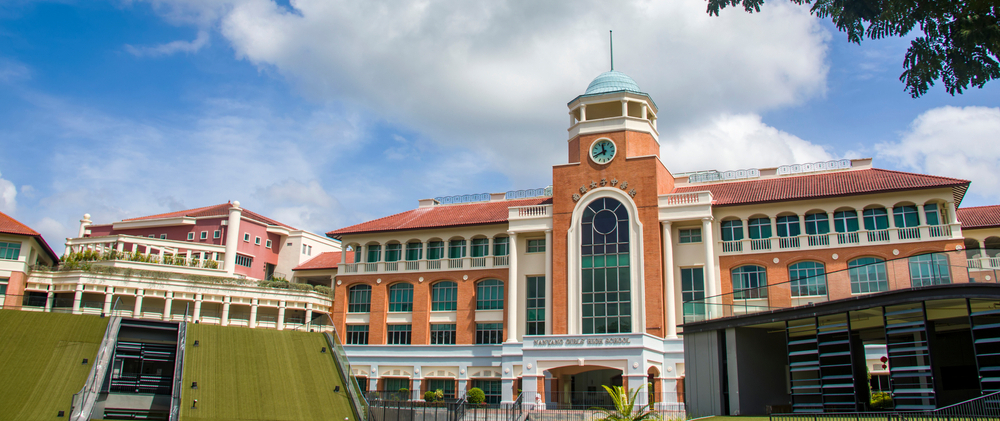
Private school in Singapore by Danny Ye via Shutterstock

Private schools in Singapore are generally more expensive than public schools, and offer better facilities and smaller classes. Some use alternative teaching methodologies, such as Montessori. Others are aimed at recruiting students talented in a particular area and teach a specialised curriculum in a certain subject, such as mathematics or the arts. Foreign-curriculum schools, also known as international schools, technically fall under the private school category according to the MOE's definition.

Useful links


International schools in Singapore

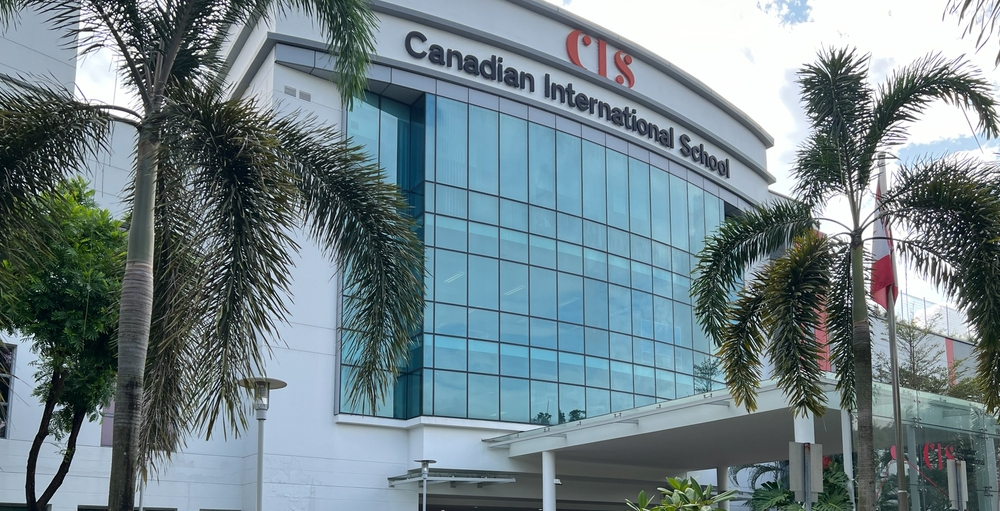
Canadian International School, Singapore, by Joseph GTK via Shutterstock

There is a large expat population in Singapore. Plenty of international schools have sprung up to serve the foreign community. Overall, international schools in Singapore have a good reputation, though some are regarded as having higher standards and more challenging curricula than others.

Many of Singapore's international schools follow the International Baccalaureate (IB) curriculum, while others offer the curriculum of their country of origin, such as that of the UK, the US, and India. Some expats choose to enrol their children in international schools simply because the school holidays align with home-country holidays.

Another factor that significantly affects school choice is availability, as popular schools often have extensive waiting lists. Others might not have waiting lists at all and are a viable option for enrolment while waiting for a spot to open up at a more prestigious institution. Although these intermediary schools are accepted as offering a good standard of education, the high turnover can unsettle students and disrupt the learning environment.

International schools in Singapore are expensive, but many expats are lucky enough to have their employers supplement their school fees. Those moving to pursue an assignment abroad should try to negotiate an allowance into their contract if one isn't initially included.

Useful links


Special educational needs in Singapore

Young boy with a hearing aid in school

The MOE has programmes in place to support children with Special Educational Needs (SEN). Children with milder conditions and who have adequate cognitive and adaptive abilities are typically put into mainstream schools with additional support, while those whose conditions require more individualised attention are placed in Special Education (SPED) schools.

Parents can make their own choice about which of these is best for their child, though it is recommended that children with moderate to severe SEN enrol in a SPED school. Families opting for SPED schools will be assisted by the Multi-Agency Advisory Panel. This panel comprises education and healthcare professionals who can advise on which specific school best meets the child's needs.

In international and private schools, there may or may not be provisions for SEN children. Some schools don't offer any support for these kinds of needs, while others only offer support for mild SEN. Each school has its own policy, and individual schools should be consulted about their ability to cater to any particular needs.

Useful links


Nurseries in Singapore

Expat parents with young children have a diverse array of nursery school options in Singapore. While some popular nurseries can be as expensive as regular schools and often have long waitlists, parents should start their enquiries early. These schools generally offer flexible attendance schedules, early drop-offs, lunch provisions and optional afternoon programmes for working parents, although verifying these details with each school is essential.

Useful links


Tutors in Singapore

With high academic achievement being prized in Singapore, it makes sense that the use of tutors is widespread. Local parents frequently use tutors to ensure their children are among the top in their class. Expat parents may find tutors helpful with issues such as filling the gaps between children's old and new curricula. Tutors can also help children learn the local language faster or maintain fluency in their mother tongue.

Tutoring is a thriving industry in Singapore and can be pricey due to high demand. Expats can either go through a tutoring company or work directly with a private tutor.

Keeping in touch in Singapore

Expats will have no problem keeping in touch in Singapore. Mobile phone networks, internet, and postal services are all of a high standard. English television channels and online news sites are also readily accessible.

The three leading providers of phone and internet services in Singapore are StarHub, Singtel and M1. Expats should compare pricees across their available options before choosing a service provider.

Singapore's technological infrastructure is one of the most advanced globally, ensuring that expats can stay connected seamlessly, whether for work or leisure. The city-state's robust telecommunications networks provide reliable and high-speed services, ensuring that communication, both within Singapore and internationally, is efficient and hassle-free.


Internet in Singapore

With internet speeds among the fastest in the world, Singapore is well connected, and expats will have no trouble finding Wi-Fi in public hotspots throughout the city-state. In the home, options include wireless, fibre, and broadband. Most packages come with a contract ranging between 12 and 24 months, and breaking it will result in penalties.

That said, expats who don't want to be locked into a 12- or 24-month contract can get a no-contract plan with MyRepublic, which is currently the only provider offering this option. While this is ideal for expats who may not stay in Singapore long, a penalty will still be charged if they terminate the contract within the first three months. Expats should therefore weigh up all their options and potential costs before making this decision.

Online censorship

The Infocomm Media Development Authority (IMDA) regulates and ensures local print media, radio, television and internet adhere to the law. Numerous websites are blocked, and visitors trying to access the site are usually greeted by an IMDA message alerting them that the site is forbidden. Although the IMDA does monitor foreign content, expats shouldn't have any problem accessing international news sites and social media.


Mobile phones in Singapore

Woman using a mobile phone in Singapore

In Singapore, expats have access to a range of mobile phone service providers. The major operators, Singtel, StarHub and M1, offer various plans, including prepaid and contract plans. These are competitively priced to suit different needs. 

For expats, SIM-only plans are often the most practical choice, especially if they already have a mobile phone in good working condition. When choosing a mobile plan, expats should consider their specific needs in terms of data, call minutes, costs and any additional benefits that various providers might offer. 

Useful links


Postal services in Singapore

Mail services in Singapore are provided by Singapore Post Limited (SingPost), which is a subsidiary of Singtel. Local mail typically takes one to two days, and international mail depends on the destination. Additionally, there are numerous courier companies independent of SingPost that deliver both locally and internationally. 

Useful links


English-language media in Singapore

There is plenty of English-language media in Singapore, including print and broadcast. Mediacorp, a state-owned free-to-air network, offers a variety of channels in English and Malay, both on TV and radio. Channel 5 also offers round-the-clock entertainment in English. Paid services include StarHub cable TV and Mio TV.

There are also some local English newspapers, including The Straits Times and The Business Times. A range of international publications is available from newsstands.

Useful links

Doing Business in Singapore

Many expats find that doing business in Singapore is fairly easy, thanks to the city-state's advanced economy built on values of transparency and cooperation. A globalised culture and the widespread use of English are significant perks, but expats should remember that the local population comprises different groups, each with its own customs. To be successful, expats will need to familiarise themselves with local business culture and etiquette.


Fast facts

Business hours

Monday to Friday, 9am to 6pm.

Business language

English.

Dress

Business dress is fairly casual, in keeping with the island’s humid climate. Smart shirts and ties are standard in business environments. A suit jacket may occasionally be required for formal meetings. Pantsuits or a conservative skirt and blouse are acceptable for women.

Gifts

Gift-giving customs differ between cultural groups, and what is appropriate in one culture may not be appropriate in another. Gifting flowers or alcohol, for example, will have vastly different implications depending on the receiver’s cultural background.

Gender equality

Men and women are generally treated equally in business.


Business culture in Singapore

Businesspeople shaking hands

The business culture in Singapore is based on relationships rather than transactions. Initial meetings may move slowly as a relationship is established, and expats should remain patient as connections are cemented.

In general, the business culture in Singapore is quite formal. Punctuality and presentation are critical to making a strong impression and building a positive rapport. Respect for elders and status should also be carefully observed.

Greetings

A handshake is appropriate when greeting business associates. Business cards should be offered formally with both hands. Address colleagues as Mr or Ms until told otherwise. Always address senior associates and older colleagues with respect.

Business structure

While Singapore may claim to have an egalitarian business world, large corporate companies tend to have a hierarchical structure, and it’s uncommon for junior employees and management to socialise together.

Communication

Expats need to be aware of their tone, body language, and facial expressions. They should also pay close attention to those their business associates. Flattery or boasting are treated with suspicion, and prolonged eye contact can come across as aggressive. Most Singaporeans are soft spoken and prefer a calm demeanour over a more aggressive manner.

Multiculturalism

Singapore is incredibly diverse, with the majority of its local population being of Chinese, Malay and Indian descent. The city-state's business culture can vary greatly depending on whom one is dealing with, and this can affect appropriate greetings, titles, gift-giving, and general conduct. It's essential that expat businesspeople learn about the various ethnicities and cultures present in Singapore before attempting to do business here.

Attitude towards foreigners 

As a modern, multicultural society, Singapore has a business culture that is welcoming to foreign businesses and tolerant of other cultures. The government encourages qualified expat business people to move to Singapore.


Dos and don’ts of business in Singapore

  • Do be punctual
  • Do show respect, particularly to elders, and avoid confrontation
  • Don’t speak in a raised voice, as this may be seen as aggressive
  • Don’t write on the business cards you receive
  • Do ensure that any business cards given to Singaporean associates are in good condition and are not tattered or worn out

Articles about Singapore

Areas and Suburbs in Singapore

The best places to live in Singapore

The areas and suburbs of Singapore provide a variety of options, despite the city-state's small size. Deciding where to live can be daunting, and the best neighbourhood in Singapore for one expat may not be another's cup of tea. Factors to take into account include budget, lifestyle priorities, family situation, workplace location, and personal preferences.

Singapore is divided into 28 districts, grouped into five main regions: Central, East, North, North-East and West. Here's an overview of some of the best areas to live as an expat in Singapore.


Central Region of Singapore

Holland village housing, Singapore

Situated towards the south of Singapore, the Central Region includes the main business district (known as the Central Area) as well as several popular residential neighbourhoods, such as Bukit Timah, Bukit Merah, and Orchard. Living in this region provides easy access to some of Singapore's best spots for shopping, entertainment and eating out.

Although the Central Region offers a cosmopolitan lifestyle and excellent access to almost everything, it's significantly more expensive than living outside the centre. High noise levels from traffic and ongoing construction can also affect quality of life, although there are some areas within the Central Region that are leafy and quiet.

Holland Village

Known as Singapore's 'bohemian enclave', Holland Village is a trendy and lively area that's a particular favourite among younger expats. Holland V, as residents call it, is pedestrian-friendly and has easy access to the MRT. There are plenty of places here to shop and eat out, but the main strip on Lorong Mambong is the hub, packed with restaurants offering all kinds of local and international fare.

Bukit Timah

Bukit Timah is a lush, green area set upon Singapore's highest hill. Housing options in this prime area, ranging from bungalows and standalone houses to high-rise condos and apartments, are attractive and spacious but tend to be pricey. Bukit Timah is a quiet and peaceful neighbourhood, especially compared to the hustle and bustle of the rest of the island. It's well connected to the rest of Singapore by several MRT stations.

Expats with kids will be spoilt for choice when it comes to international schools in Bukit Timah, with options such as Chatsworth International School and Swiss School in Singapore.

Orchard

The well-connected and vibrant Orchard area is an incredibly popular place to live among expats due to the good schools (both government and international) and central location. It's one of Singapore's most convenient areas, with all the amenities you could possibly need right on your doorstep. 

There are a number of expat clubs near Orchard, including the American Club, the Tanglin Club, and the Singapore Polo Club. Housing here consists primarily of luxury condos and high-end apartments.


North Region of Singapore

Sambawang, Singapore by Tristan Tan via Shutterstock

Although the north is considered to be “far” from the city, in truth it's only about 15 miles (25km) and is easily accessed by car, MRT or bus. That said, those commuting to the city centre for work might find the North Region a bit too far out, as traffic in peak hours can be nearly an hour each way. Still, this area is spacious and peaceful, featuring golf courses, plant nurseries, and reservoirs.

Woodlands

The lush greenery of Woodlands and the estate lifestyle it offers, along with easy access to the Singapore American School, attracts expats with children to this area. Housing here is largely in the form of landed and terraced homes. Woodlands is considered a more reasonably priced area than the central parts of Singapore, though housing here still can't be described as "cheap".

Families and nature lovers can enjoy the hiking trails within the leafy 27-hectare Admiralty Park here. Malaysia can be seen from this district, and the Johor Causeway bridge connects the two countries. Woodlands is otherwise well connected to the rest of Singapore by road and MRT.

Sembawang

A tranquil area, Sembawang offers residents easy access to Sembawang Park, which includes a natural beach, and Sembawang Hot Spring Park, one of Singapore's few public hot springs.

Once a British naval base, Sembawang has plenty of historic colonial housing, including Singapore's famous black-and-white houses, many of which are still used as residences today. There's also a number of apartment blocks in the area.


East Region of Singapore

Changi International Airport by Grace Thang via Shutterstock

The East Region of Singapore includes the districts of Bedok, Pasir Ris, Tampines, and Changi. Neighbourhoods here have a unique character that marries old and new. Most areas offer excellent access to amenities, restaurants, schools, and shops.

Changi

Changi is situated along the east coast and is an aviation hub, home to the Changi International Airport. The area has a diverse population, and many residents work in airline-related industries. 

Residents here enjoy a coastal lifestyle, with beach facilities and numerous parks. It's a fairly quiet corner of the island, with the upside that the condominiums here are larger and less expensive than in the city.  And while there may not be an abundance of bars, there are numerous exquisite eateries in the area to make up for it.

Tampines

Slightly further inland is Tampines, a well-established neighbourhood with lots of amenities. Plenty of parks, several of which are connected by Tampines Nature Way, make this an attractive neighbourhood for families. The presence of UWC of South East Asia's East Coast campus is an additional draw. 


West Region of Singapore

Jurong Lake, Singapore

The western area of Singapore includes Bukit Batok, Choa Chu Kang, Clementi and Jurong. The neighbourhoods in this space vary widely but are generally densely populated and have exceptional amenities.

Jurong

Jurong is a bustling area, seen by some as Singapore's secondary CBD. There are some excellent shopping malls in the vicinity, as well as a wide variety of good places to eat. Another plus is the presence of some lovely outdoor areas, such as the Chinese Gardens and Jurong Lake Gardens.

The Nanyang Campus of One World International School is located in Jurong, making it an ideal spot for expat families with kids.

Bukit Panjang

Bukit Panjang is a hilly neighbourhood ideal for families. The area has a good balance of nature and amenities. There are some good international schools in Bukit Panjang, most notably GESS – International School.

A mixture of old and new apartment blocks and condominiums can be found here. Rentals tend to be affordable, but the commute to the Central Region might be rather long for some expats.


North-East Region of Singapore

Junggol, Singapore

Singapore's northeast is an ideal place to live for expats with kids, thanks to the area's fantastic range of international schools and family-friendly activities. Terraced homes, semi-detached houses and bungalows can all be found here, and there are also lots of spots to shop and dine out, as well as an abundance of green spaces. 

Punggol

Plenty of amenities make Punggol a convenient place to live, and there are some good international schools in the area – Global Indian International School Singapore is situated here, as is One World International School's Digital Campus.

Though there are good public transport links in Punggol, the rush-hour commute can be crowded and draining. On the upside, there are many new housing estates in the area, offering a range of options.

Serangoon

Expats looking to settle in Singapore's northeast are often drawn to Serangoon, home to Stamford American International School's Early Learning Village and the French School of Singapore.

There are some good housing estates and a plethora of dining options here (with Chomp Chomp Food Centre being among Singapore's most beloved hawker centres). Rental prices can be rather expensive, though. 

Clubs and Societies in Singapore

There's a wide range of clubs and societies in Singapore catering to every kind of expat. There are various options available to expats looking for sports, social, cultural and recreational clubs in Singapore, as well as societies organised by nationality. For many expats, these social groups become a sort of home away from home. New arrivals can expect to live a busy social life.


Club membership in Singapore

Friends celebrating by Cottonbro Studio from Pexels

American Women's Association of Singapore (AWA)

Open to women of all nationalities, AWA is a volunteer-run social organisation whose mission is to bring together women with common interests through activities and events. It organises social and special interest activities and events, as well as sports and tours.

Website: www.awasingapore.org

American Association of Singapore (AAS)

As the oldest American organisation in Singapore with more than a century of history, AAS is focused on enhancing the experience of expats and other community members by bringing them together through social events and activities. Every two months, it publishes Living in Singapore, a magazine about travel, food and dining, and events in the city-state.

Website: www.aasingapore.com

The Australian and New Zealand Association (ANZA)

ANZA offers support to its members by hosting events and exercising social responsibility. Social meet-ups, charity work, sporting events and more make up the society's diverse calendar. Its members hail from all over the world.

Website: www.anza.org.sg

The British Association of Singapore (BA)

All nationalities are welcome at the BA, and can enjoy access to various activities and special interest groups. There are also opportunities to take part in fundraising and volunteering for local charities.

Website: www.britishassociation.org.sg

PrimeTime

Founded in 1997, the PrimeTime community is a network for women seeking to expand their professional and social circles. This active club offers a variety of activities, including speakers, discussion groups, community outreach opportunities, and social gatherings.

Website: www.primetime.org.sg

Singapore International Foundation (SIF)

This non-profit organisation focuses on building relationships between expats and local Singaporeans through dialogue and exchange programmes. From sending volunteers into developing communities to effect positive change to enriching lives through events and showcases, SIF's ultimate mission is to build a better world.

Website: www.sif.org.sg

The Singapore Recreation Club (SRC)

Founded in 1883, the SRC is one of Singapore's oldest social clubs and has a strong sporting tradition. Facilities include a ballroom, bowling alley, tennis courts, pools and a number of eateries.

Website: www.src.org.sg

The Tanglin Club

Another of Singapore's established social clubs, this inclusive club has a diverse membership, with over 4,000 members from more than 70 countries. Facilities are excellent, with numerous restaurants and bars on the premises, and the events calendar is lively.

Website: www.tanglinclub.org.sg

Pros and Cons of Moving to Singapore

When considering a move abroad, it can be all too easy to assume that a rosier life awaits – yet it occasionally turns out the grass on the other side really does have a greener sheen. Nevertheless, all serial expats will attest that every city and country has its pluses and minuses.

For those expats who are still hovering on the fence and weighing up the positives and negatives of relocating to the Lion City, here’s a helpful list of some pros and cons of moving to Singapore.


Climate in Singapore

+ PRO: Warm and balmy weather all year

If you can't stand the cold, you'll find Singapore's climate ideal. The temperature never strays far from around 86 (30°C), no matter the time of year, making it perfect swimming weather year round. It’s a little cooler in the evenings, around 77°F (25°C), and most properties have air-con. It can be nice to carry around a light layer to throw on top, but there’s no need to bring heavy jumpers or coats when you move here.

- CON: There are no seasons, and it rains a lot

The humidity here usually hovers around 70 percent or more, which can take some getting used to. It also rains a lot – not drizzle, but proper heavy tropical downpours, particularly during monsoon season. These are typically short, sharp, and sudden, but they can also last all day. Seasoned expats are never far from an umbrella (which is also good for shade).

Weather in Singapore


Education in Singapore

Students at a school

+ PRO: Great schools to choose from

Whether expats want to enrol their child in a local public school or a private international school, Singapore offers several schooling options that provide world-class education.

There are many good public schools in Singapore which are affordable and provide high-quality education. Private international schools are also a great choice, particularly for expats who want their children to continue with the school curriculum from their home country.

- CON: Expensive private school fees, difficult to get into public schools

Public education is the more affordable option when it comes to schools in Singapore. Expats are required to pay higher school fees than locals, though, so it's not as cheap as you might expect. Beyond this, limited space is a major issue. The local schooling system is overburdened, and with attendance being mandated by zoning, there are only so many options available, and they fill up fast. Expats are at the bottom of the admissions priority list, so families may find themselves without a spot, even after going through an extensive admissions process.

Private international schools are a good alternative, but tuition can be expensive. Employers will sometimes cover education costs or a portion thereof, so it's always good to try to negotiate this into your contract. Like public schools, private schools are also oversubscribed, but there are more options because zoned attendance doesn't apply.

Education and Schools in Singapore
Best International Schools in Singapore


Healthcare in Singapore

Line of medical professionals

+ PRO: Plenty of excellent doctors and facilities to choose from

High-quality healthcare is readily available in Singapore. Even for those without access to the city-state’s subsidised system, healthcare in Singapore is still reasonably priced as long as expats are insured.

There are numerous private and public hospitals, as well as outpatient clinics, throughout the island. Those who have insurance can contact their provider for a list of recommended doctors and clinics.

- CON: Possible upfront costs

An unexpected trip to the doctor may be somewhat expensive, especially if the facility or doctor doesn’t accept direct bill payment from insurance companies. If this is the case, the patient is expected to pay upfront for the consultation and any other services provided at the time of the visit, including prescription medication. 

The insurance company usually reimburses these medical bills, but the upfront payment can come as a shock for those living on a budget.

Healthcare in Singapore
Best Private Hospitals in Singapore


Accommodation in Singapore

+ PRO: Wide range of options

Whether expats want to rent an HDB (government-owned) flat or a privately owned condo, they’ll have loads of options, as high-rise developments are still springing up all over Singapore. Most privately owned condos and apartments, especially the new ones, have on-site amenities such as pools, playgrounds, gyms, and function rooms. Landed homes (similar to single-family homes in the US) can be found in the suburbs.

- CON: Rent is expensive

Because space on the island is at a premium, rent in Singapore can be high. Expect to pay more for a place closer to the city centre, Orchard Road, Holland Village, and other desirable neighbourhoods. Expats willing to move further away from the central parts of town might just be able to score a good deal.

Renting Accommodation in Singapore
Best (and Worst) Areas and Suburbs in Singapore


Safety in Singapore

+ PRO: Low crime rate

Singapore is an exceptionally safe country with low crime rates and a zero-tolerance policy when it comes to drugs.

- CON: Poor pedestrian and cyclist safety

Pedestrians do not have the right of way in Singapore, so it’s best to use crosswalks whenever possible. Sometimes bikes share sidewalks with pedestrians, but sidewalks are often narrow. Although work is underway to rectify this, Singapore has limited cycling infrastructure, and most drivers do not look out for cyclists on the road. 

If you plan to cycle, remember to wear a helmet and try to be as predictable as possible on the road. Use the Park Connector pathways when you can to avoid dangerous roads.


Transport in Singapore

Changi Airport train by Grace Thang via Shutterstock

+ PRO: Great public transport

Getting around Singapore by bus or MRT is a piece of cake. Public transportation is cheap, too. Even more train lines are expected to be added to the already extensive network, making even the furthest corners of the island easily accessible. Cabs, which are also extremely affordable, are an alternative mode of transportation, and so are the bevvy of easy-to-use ride-hailing apps.

- CON: Cars are costly

Owning a car in Singapore is a seriously expensive undertaking. Between customs duties, taxes and insurance fees, as well as the price of tolls and parking, the convenience of owning a car comes at a high price.

Getting Around in Singapore


Social scene in Singapore

+ PRO: Easy to make friends

It usually doesn’t take new arrivals long to make friends in Singapore, whether expat or local. Many online forums and social media groups provide both expats and locals with the opportunity to come together over shared interests.

Otherwise, be on the lookout for organisations that host social events, as these are great places to meet like-minded individuals. Consider becoming a member of an expat club or society, such as the American Association or the British Club. 

These are the centre of the social scene for many expats. Expats can also consider taking a class, volunteering, or starting a blog about life in Singapore.

Expats Clubs and Societies in Singapore

See and Do in Singapore

The variety of exciting things to see and do in Singapore is virtually endless. From manmade wonders to natural splendour, there's plenty to explore in this spectacular city-state. Easy access to world-class entertainment, flavoursome food, and vibrant nightlife is just one of the many perks of living in Singapore.


Recommended attractions in Singapore

Marina Bay Sands at night, lit up with neon colours

Marina Bay Sands

This lavish resort complex has become a landmark in Singapore, and is well worth a visit. It's home to the SkyPark Observation Deck, where visitors can take in panoramic views of the bay from 56 storeys up.

Singapore Flyer

Said to be one of the world’s largest observation wheels, the Singapore Flyer offers expats an exciting one-of-a-kind panoramic view over the city. The ‘flight’ lasts 30 minutes, and sights to take in include the Singapore River, Marina Bay, Raffles Place, Empress Place and the Padang.

Sentosa Island

For a bit of fun in the sun, head to Sentosa Island. Catch some rays on Siloso Beach or any of the other gorgeous beaches of the island, play a round of volleyball or do a bit of kayaking. The island also boasts the Singapore Oceanarium, a water park, and a golf course, among many other fun and wonderful attractions.

Aerial shot of the giant trees and surrounding greenery in Gardens by the BayGardens by the Bay
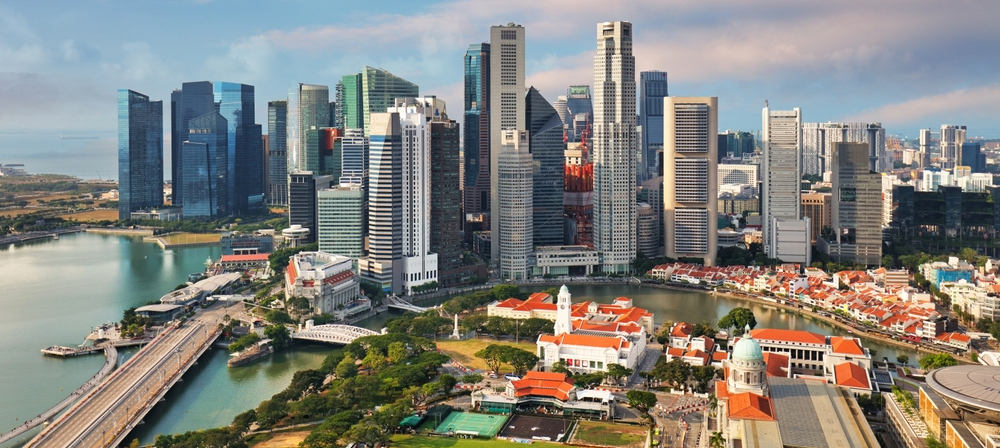
This large, beautiful park area of Singapore stretches over 105 hectares and houses 1.5 million plants from all over the world. Visitors can wander through an impressive skywalk that winds over the lush gardens. Various themed areas can be found throughout the gardens.

Singapore Zoo

Family members of all ages are sure to enjoy a walkabout of Singapore Zoo, which is home to more than 4,000 animals. There are also opportunities to get up close and personal with the zoo’s denizens at feeding time. Each visit to the zoo also helps fund conservation efforts and wildlife protection projects.

Transport and Driving in Singapore

Thanks to good roads and a well-integrated transport system, getting around in Singapore is generally stress-free. The city-state is pedestrian-friendly – most streets have paved sidewalks, and crossing even the busiest roads is easy via overhead bridges, underpasses, and crosswalks.

Walking is not for everyone, though, and even those who typically enjoy it might be deterred by Singapore's heat, humidity, and monsoon showers. Some expats opt to drive, even though it's not strictly necessary to own a vehicle in Singapore, as the public transport system includes several excellent options. Between bus routes and train lines, commuters can get just about anywhere they need to go, and cabs and ride-hailing services are abundant and inexpensive.


Public transport in Singapore

Train in Singapore

Expats who plan to use public transport regularly should consider buying a rechargeable EZ-Link card, which can be used on buses, trains, taxis, and other services throughout Singapore. EZ-Link charms are also available – these are tappable trinkets with the full functionality of an EZ-Link card. To recharge and manage your account, download the Simply Go EZ-Link app.

MRT and LRT

The Mass Rapid Transit (MRT) in Singapore is clean and air-conditioned, serving more than 170 stations throughout the city-state. MRT trains typically run from around 5.30am to about midnight. Trains arrive every two to three minutes during peak times and every five to seven minutes during off-peak periods.

The three Light Rail Transit (LRT) lines, spanning more than 40 stations, were designed to complement the already extensive MRT system, providing further-out areas with a link to the MRT. 

Singapore's trains are currently operated jointly by SMRT Trains and SBS Transit. Each company operates numerous lines that together form Singapore's rail network.

Buses 

More than 300 bus services run throughout Singapore. These routes tend to go further into the residential areas than the MRT lines, and residents often use them to connect to an MRT station.

Services are provided by four bus companies: SBS Transit, SMRT Buses, Tower Transit Singapore and Go-Ahead Singapore.

Useful links


Taxis in Singapore

Gojek taxi rank in central Singapore

Taxis are a comfortable and convenient way to get around Singapore, and are also relatively cheap. Most cabs have a light on their roof, with red indicating that the cab is occupied and green meaning it's available.

Those looking for a ride should head to the closest taxi queue to wait for a cab. These are typically located near busy areas, such as shopping areas or hawker centres. If there isn't a queue, simply stand along the curb and flag the next available cab down by waving at it. Another way to book a taxi is to call one of several taxi companies, or book a cab online. It's a good idea to keep a few cab company numbers and websites on hand.

Ride-hailing services also abound in Singapore. Expats can simply download one of many apps – Grab, Gojek, and ComfortDelGro all operate in Singapore – follow the steps, connect a bank card, and order their ride.

Useful links


Driving in Singapore

Singapore traffic by Jiachen Lin via Unsplash

For those who prefer the convenience of driving, Singapore offers a well-maintained network of roads and highways. Owning a car, however, is expensive due to various factors, including the Certificate of Entitlement (COE), high fuel costs, and parking fees.

The COE system regulates car ownership in the city-state to prevent congestion. This certificate can be quite costly and is only valid for a certain period. Additionally, drivers incur expenses such as Electronic Road Pricing (ERP) tolls, which are charged on certain roads during peak hours.

Driver's licences

Expats can drive in Singapore using their foreign driver's licence and an International Driving Permit for up to 12 months. After this period, they must convert to a Singapore driver's licence. Usually, a theory test must be taken but practical driving tests aren't necessary.

Useful links


Walking in Singapore

Walking in Singapore by Tri Nguyen via Unsplash

Walking is a delightful way to explore Singapore's blend of modern urban landscapes and lush green spaces. The city-state offers a variety of walking trails and paths that cater to different interests, whether you're looking for a leisurely stroll through nature or an urban exploration.

For nature enthusiasts, the Southern Ridges offer a spectacular walk through hilltops and greenery with stunning views of the city. Urban walkers can immerse themselves in the cultural and historical richness of areas like Chinatown, Little India, and Kampong Glam through self-guided walking tours.

Despite the convenience of walking in Singapore, it's important to be mindful of the hot and humid climate. Wearing comfortable clothing, staying hydrated, and using sun protection are essential. Additionally, pedestrians should be aware of the traffic rules, as the city is not as pedestrian-centric as some others.

Useful links


Cycling in Singapore

Cycling in Singapore by The Regular Jo on Unsplash

Cycling in Singapore is growing in popularity, and the government has pledged to make the city more bike-friendly by adding new cycle paths and overhead crossings, as well as providing more secure parking facilities. With 450 miles (730km) of cycle paths currently already built, the LTA plans to nearly triple this to a whopping 808 miles (1,300km) by 2030.

With paths currently lacking in many areas, cyclists have two options if they'd rather avoid the roads: riding on the sidewalk or using the Park Connector Network (PCN). Riding a bike on sidewalks is common, but expats are advised to use a bell to alert pedestrians of their presence.

The PCN is a series of wide walkways for pedestrians and cyclists that link public parks. These cut through neighbourhoods, along waterways, and sometimes connect with major roads and MRT lines too. PCN routes are scenic and sometimes faster than using roads. 

Useful links

Diversity and inclusion in Singapore

Singapore stands as a beacon of progress in Southeast Asia, demonstrating a steadfast commitment to fostering an inclusive society. The city-state's multifaceted approach towards accessibility, gender equality, LGBTQ+ rights, mental health awareness, workplace diversification and public safety underscores its dedication to ensuring a high quality of life for all residents and visitors. 

With initiatives that span from infrastructural developments to legislative reforms, Singapore continues to evolve, striking a balance between its rich cultural heritage and the demands of a modern, globalised world. Below, we delve into the various aspects of Singaporean society, highlighting the government's efforts to create an environment where diversity is celebrated, opportunities are equitable and safety is paramount. 

Whether it's enhancing the public transport system to accommodate individuals with disabilities, promoting gender equality in the workforce, supporting the mental well-being of its citizens or safeguarding against discrimination, Singapore demonstrates a commitment to progress. Below, we discuss diversity and inclusion in Singapore. 


Accessibility in Singapore

The Singapore government is committed to making its infrastructure and services accessible to people of all abilities, particularly across the public transport network.

Trains

The Mass Rapid Transit system (MRT) offers at least one barrier-free entrance at every station and wider, automatic ticket gates for wheelchair users. All stations are accessible by elevator and designed to make travel easier, particularly for anyone with impaired sight or hearing – from tactile surface indicators to Braille lift buttons and signage. On board the MRT, the following station names are announced and displayed as the train approaches and departs each stop.

Buses

Most buses have wheelchair-accessible bus services (WAB), and drivers (called captains in Singapore) operate the boarding ramps with complete courtesy. Wheelchair users can spot buses equipped with WAB by a logo on the front windscreen – and request a ramp using the blue button on the side of the bus. Some interchanges, including Bukit Batok, Choa Chu Kang, Woodlands, and Yishun, have special WAB boarding facilities, including enhanced signage, ramps, guard rails, and staff assistance buttons.

Taxis and private hire cars

While relatively inexpensive, most taxis in Singapore are not completely accessible – unless a passenger can be transferred to the car and their foldable wheelchair stowed in the boot. For wheelchair users needing help to transfer to a car, GrabAssist offers professionally trained drivers focused on passengers with different needs. There are also several organisations online that provide specialised services, including vehicles for those with motorised mobility aids.

Useful links


LGBTQ+ in Singapore

Singaporean society is traditionally conservative when it comes to sexual orientation and gender identity. Public displays of affection, straight or gay, may be more muted in Singapore – especially outside more cosmopolitan areas. Attitudes toward the LGBTQ+ community are slowly shifting and becoming more accepting, especially among younger people.

Events such as Pink Dot have seen increasing attendance since 2009 without interference. Same-sex marriages and the adoption of children by same-sex couples are not recognised in Singapore. This doesn't seem likely to change any time soon, as amendments to the constitution were made as recently as 2022, solidifying the definition of marriage as strictly between a man and a woman. On the other hand, also in 2022, substantial legislation changes were made to lift a colonial-era law criminalising sexual activity between men.

There are several local organisations offering extra guidance, including Oogachaga, a community-based, non-profit organisation working with lesbian, gay, bisexual, transgender, questioning and queer individuals, couples, and families in Singapore since 1999.

Further reading


Gender equality in Singapore

Equality of opportunity is enshrined in the Singaporean constitution, where 'all persons are equal before the law and entitled to equal protection under the law'. Since 1994, employment rates for women aged 25 to 64 have risen by 50 percent.


Women in leadership in Singapore

Almost a quarter of Singapore's Members of Parliament – and around 21 percent of commercial senior managers – are women. This compares well with international averages, except at corporate board level or across C-suite positions, where 92 percent are men. International organisations with offices in Singapore fare better, helping to shift traditional, subconscious mindsets that exist across much of Asia.


Mental health in Singapore

It's not uncommon to experience problems with emotional well-being through concerns about work, family, finances, or the future, while neglect or abuse may also negatively affect one's mental health. There are plenty of places to seek support in Singapore. Below are some helpful names and numbers that expats experiencing mental distress can use while in Singapore. 

Useful resources


Workplace diversification and unconscious bias in Singapore

Bias around gender, age and ethnicity inhibits effective hiring, limits development, and lowers staff morale. As a proud and productive business hub, Singapore is doing a lot to tackle traditionalist values that restrict growth. Diversity is a hot topic for employers and a focus for the Singapore Business Federation. There are many active initiatives and courses. 

Useful links


Safety in Singapore

Crime rates throughout Singapore are low. Violent offences, including thefts, muggings, murders, or gang-related activity, are extremely rare. Street harassment or sexual assault are also uncommon, and most women say they feel completely safe alone, including late at night.

There are instances of scams involving unauthorised retailers – and petty crimes such as pickpocketing and purse snatching do take place, though infrequently. The only offences on the increase are cybercrime and credit card fraud. Most long-term expats in Singapore say they have never encountered crime. Those who have been victims say the Singapore police are prompt, helpful and highly efficient.


Calendar initiatives in Singapore

4th February – World Cancer Day   
8th March – International Women's Day   
7th April – World Health Day   
June/July – Pink Dot SG   
10th September – World Suicide Prevention Day   
10th October –World Mental Health Day   
25th November – International Day for the Elimination of Violence against Women   
1st December – World AIDS Day

Lifestyle in Singapore

The lifestyle in Singapore is decidedly luxurious. Conspicuous consumption in the form of shopping and eating is a Singapore norm and firmly features in both local and expat lifestyles. Otherwise, much time is devoted to outdoor pursuits, despite Singapore's constant heat. On weekends, parks and trails are filled with bike riders, joggers, and those simply enjoying a stroll.


Shopping in Singapore

Shopping mall in Singapore

From luxury boutiques and modern malls to streetside flea markets, the options for shopping in Singapore are almost endless. Both locals and expats in Singapore love to shop, and there is no shortage of aisles to cruise in this city-state. Orchard Road and The Shoppes at Marina Bay Sands are particularly known for having high-end designer stores such as Chanel and Prada.


Eating out in Singapore

As mentioned, food and frequenting lavish restaurants are a big part of Singaporean culture, and there are numerous exciting eateries and food stalls to choose from. From a bowl of noodles at a hawker centre to a tasting menu at a celebrity restaurant, foodie expats will have a great time exploring the city’s food scene, which boasts just about every type of cuisine imaginable.

Read our guide to Eating at Hawker Centres in Singapore


Nightlife in Singapore

Clarke Quay, Singapore

Even with the high price of alcohol in Singapore, the bar and club scene is impressive and particularly popular among expats. It's fairly common to head out immediately after work, as it's a prime time to take advantage of happy-hour prices.

Watering holes along Clarke Quay are a top pick, though they can be crowded with tourists, while bars in the city centre cater to the after-work crowd, some of which have live music for entertainment. For a more scenic night out, head to one of the rooftop bars or any of the many spots dotting the marina.


Sports and outdoor activities in Singapore

Outdoorsy types in Singapore will find an abundance of activities to keep them occupied. Along with sports clubs where expats can take part in organised outdoor fun, there are plenty of attractions and green spaces throughout the city where expats can enjoy the sunshine in a natural setting.

Kayaking, paddleboarding, cycling and hiking are all popular activities around the island’s various beaches and parks. These spots are also perfect for a picnic and a relaxing day with friends or family.


Family life in Singapore

There's no shortage of family-friendly activities in Singapore to keep everyone occupied, both young and old. The overwhelming amount of greenery in the form of forests, playgrounds and parks makes for affordable entertainment.

There’s the Singapore Zoo, Night Safari and Bird Paradise for starters. Universal Studios Singapore is another great place to take the kids for the day, and the Singapore Botanic Gardens is perfect for a picnic. For some social interaction, sign the kids up with a playgroup or a sports team, or check the neighbourhood’s community centre for activities in the local area.


Meeting people and making friends in Singapore

Moving to a new place can be lonely at first, but there are plenty of places to meet people and make friends in Singapore. The best way to do so is often to seek out clubs and societies where you can interact with people who share your interests. Volunteering or joining a hobby, sport, or expat club is highly recommended.

To get started, see our recommendations for the Best Clubs and Societies in Singapore

Hospitals in Singapore


There are some superb public hospitals in Singapore, such as the National University Hospital and the Singapore General Hospital, and many of these have private wings that can be accessed at an extra cost. There are several private hospitals in Singapore operated by a handful of large hospital groups, but they are still regulated by the government to ensure high standards.

In addition to hospitals, numerous private clinics in Singapore also provide specialist services and non-emergency outpatient procedures. In general, private hospitals and clinics offer more comfortable facilities, shorter wait times and greater access to specialists.

Citizens and permanent residents of Singapore are covered by public healthcare programmes, but the vast majority of expats do not qualify. We advise investing in private health insurance to avoid paying out of pocket.

Read more on Healthcare and Health Insurance in Singapore


Recommended private hospitals in Singapore

Gleneagles Hospital, by Dr David Sing via Shutterstock

Gleneagles Hospital

Address: 6A Napier Road, Singapore 258500  
Website: www.gleneagles.com.sg  
Main specialities: Cardiology, endocrinology, gastroenterology, haematology and infectious diseases

Gleneagles Hospital is one of Asia's top private hospitals, and it offers a wide range of medical and surgical services.

The hospital provides a one-stop service for international patients through its Patient Assistance Center, where expats are welcome before, during, and after their treatment to obtain advice and important information. 

Farrer Park Hospital

Address: Farrer Park Station Rd, Connexion, Singapore 217562  
Website: www.farrerpark.com  
Main specialities: Oncology, cardiology, orthopaedics, and general surgery

Opened in 2016, Farrer Park Hospital has an excellent reputation as one of Singapore's best hospitals. It has a 24-hour Medical Urgency Clinic as well as numerous specialised surgical suites. Speciality centres for cancer, heart health, and bone and joint care are also available on site.

The Farrer Concierge Team can assist international patients at every step of their journey, from travel plans to treatment, appointments, and follow-up care.

Mount Elizabeth Hospital

Address: 3 Mount Elizabeth, Singapore 228510  
Website: www.mountelizabeth.com.sg  
Main specialities: Cardiology, neurosurgery, oncology, and orthopaedics

Known as Mount E, Mount Elizabeth Hospital is an iconic name in Singapore's healthcare landscape. It is Singapore's largest and best-known private hospital. The hospital is equipped with advanced technology, and its team of highly skilled specialists covers a wide range of medical disciplines. 

Like Gleneagles, Mount E has a Patient Assistance Centre geared towards the needs of international patients, providing advice and assistance.

National University Hospital (NUH)

Address: 5 Lower Kent Ridge Road, Singapore 119074  
Website: www.nuh.com.sg 
Main Specialities: Internal medicine, endocrinology, gastroenterology, neurology, rehabilitation, respiratory medicine, and rheumatology

NUH is a public hospital that also accepts private patients. It's renowned for its comprehensive medical services, research initiatives, and multidisciplinary team of specialists. Patients benefit from NUH's state-of-the-art facilities and personalised care, making it a top choice for those seeking quality healthcare.

International patients can contact the multilingual Patient Liaison Center 24 hours a day for any questions or concerns.

Novena Medical Center

Address: 10 Sinaran Drive, Singapore 307470 
Website: www.novenamedicalcenter.com 
Main Specialities: Orthopaedics, dentistry, orthodontics, psychiatry, dermatology

Novena Medical Center has a range of high-quality medical facilities. Services on offer include day surgery, radiology, and lab services.

Parkway Cancer Center

Address: Clinics in the Mount Elizabeth and Gleneagles hospitals
Website: www.parkwaycancercentre.com  
Specialities: Oncology and palliative care

Parkway Cancer Centre focuses solely on oncology and brings together a multidisciplinary team of top-notch specialists, cutting-edge technology, and a patient-centred approach. From early diagnosis to treatment and supportive care, they leave no stone unturned. Their warm and compassionate staff ensures that patients receive not only the best medical treatments but also emotional support.

Singapore General Hospital (SGH)

Address: Outram Rd, Singapore 169608 
Website: www.sgh.com.sg 
Main Specialities: Oncology, dentistry, cardiology, and neurology

SGH is a public hospital offering private healthcare services within its premises. It's the oldest hospital in Singapore and one of the largest. A diverse range of speciality areas are catered to at SGH, and the hospital is home to five national speciality centres.

Raffles Hospital, Singapore

Address: 85 North Bridge Road, Singapore 188770  
Website: www.rafflesmedicalgroup.com 
Main Specialities: Obstetrics, oncology, cardiology, and orthopaedics

Raffles Hospital is situated in the heart of Singapore, allowing patients easy access to its high-quality range of services. The hospital has a wide range of specialities, and it's also a certified trauma centre. 

Expats are welcome and will be assisted by the Raffles International Patient Centre. 

Thompson Medical Center

Address: 339 Thomson Road, 307677, Singapore  
Website: www.thomsonmedical.com  
Main Specialities: Gynaecology, fertility, paediatrics, endocrinology, and dermatology

The Thompson Medical Center is a leading healthcare provider that specialises in healthcare for women and children in Singapore. It also has a round-the-clock urgent care centre for emergencies. Dedicated care is available for expats, with the medical centre's International Patient Relations Officers acting as a point of liaison.

International Schools in Singapore

Top international schools in Singapore: a guide for expat parents

Expat parents looking for the best international school in Singapore for their children will find plenty of excellent options. There is a wide choice of international curricula on offer, including British, American, French, Swiss, Indian and the International Baccalaureate, making for an easy transition to and from other schools worldwide. Many international schools in Singapore offer bilingual instruction.

A large portion of the student body at international schools tends to be of the same nationality as the school’s country of origin. The rest of the school’s population is typically made up of dozens of nationalities, so expat children can experience a mix of familiar surroundings and exposure to other cultures.

International schools are also ideal for mitigating the effects of culture shock in Singapore, as expat children and parents can build community ties within their new schools while learning in a familiar education system.

Some international schools in Singapore are through-train schools that start at nursery and run all the way to the end of high school. Parents can also send their children to a handful of international schools in Singapore that offer top boarding facilities for globally mobile families. 

Expat parents should consider proximity to their children’s school when choosing the best area to live in Singapore. Parents will be comforted to know that, as an especially pedestrian-friendly place, Singapore is safe for children to walk to school or take public transport. Some schools offer bus services at an additional cost.

Spaces at the best schools are limited, so it’s well worth applying early to secure a place. While the fees for international schools tend to be higher than those for state schools, international schools offer first-rate education. The top international schools will also provide a wide range of facilities and extracurricular activities, bus services and healthy lunches. Still, expat parents are encouraged to negotiate a school allowance as part of their employment package to effectively manage their living expenses while in Singapore.

Below is a list of the best international schools in Singapore.


International schools in Singapore

Canadian-Singapore-Primary-student-in-class_0.jpg

Chatsworth International School

Chatsworth International School is a diverse and internationally minded school that caters to students from Kindergarten through Year 13 (Grade 12). Established in 1995, the Chatsworth mission to inspire, educate and enlighten forms the core pillars and education philosophy. From academics to arts to sports to service learning, the school offers a truly international education in Singapore across all three IB programmes. The school boasts large student numbers from various nationalities, including British, American, Indian, Japanese, Australian and French.

Sitting atop Singapore’s only tropical rainforest at Bukit Timah, the campus offers a serene yet vibrant environment with inspiring views. The campus, which is equipped with a wide range of facilities that meet all students’ learning needs and interests, is just a 10-minute drive from the heart of the city. Read more

Gender: Co-educational  
Curriculum: International Baccalaureate  
Ages: 3 to 18 years

GESS – International School

Founded in 1971, GESS – International School has grown from a modest German school to an international school in Singapore, serving students of over 68 nationalities. The school offers two curricula: the German Abitur and the English International Baccalaureate (IB) programme.

A purpose-built campus houses the Pre-School, Primary School and Secondary School. The Bukit Timah Nature Reserve is virtually on the school’s doorstep, giving students ample opportunities to learn outdoors and see lessons come alive in Singapore’s natural environment. Read more

Gender: Co-educational  
Curriculum: International Baccalaureate and German  
Ages: 2 to 18 years

Global Indian International School

Global Indian International School (GIIS) is a comprehensive international school that offers a choice of international curricula from Kindergarten to Grade 12, including the British and International Baccalaureate programmes.

GIIS aims to shape students into well-developed global citizens and is among the best international schools in Singapore. It offers a well-designed educational framework and state-of-the-art facilities to hone the skills of the students beyond academics and give them an extra edge as they grow up to meet the challenges of the 21st century. Read more

Gender: Co-educational  
Curriculum: Montessori, International Baccalaureate, British (Cambridge Lower Secondary and IGCSE), and Indian (CBSE)  
Ages: 2.5 to 18 years

International French School (Singapore)

This popular international school was established in 1967. The International French School (Singapore) follows two streams – French with English as a second language and a French/English bilingual programme – and is supervised by the French Foreign Ministry.

The sports facilities are good, and there is a range of extracurricular sports and cultural activities on offer. The school is situated on a large, modern campus with more than 150 classrooms, various studios and technology suites, and four libraries. Read more

Gender: Co-educational  
Curriculum: French  
Ages: 3 to 18 years

One World International School

One World International School (OWIS) offers high-quality international education in a nurturing multicultural environment in Singapore at a moderate fee point. The school is home to a diverse range of nationalities, as OWIS aims to promote understanding of different perspectives, cultures, and global awareness.

With modern and well-equipped campuses in Nanyang, Punggol, and Newton, OWIS provides a stellar quality of education in a fantastic environment. The school is one of the fastest-growing international schools in Singapore; it now has more than 1,500 students and offers a wide range of subjects and extracurricular opportunities. Read more

Gender: Co-educational  
Curriculum: International Baccalaureate and British (Cambridge IGCSE)  
Ages: 3 to 18 years

Singapore American School

The Singapore American School (SAS) was established by expat parents in 1956 to meet the needs of the growing expat community. Today, the school is an excellent non-profit American-curriculum school from Pre-Kindergarten to Grade 12.

The school’s 36-acre campus makes it one of the largest single-campus international schools in Singapore, with more than 4,100 students from 67 countries, most of whom are American. SAS is renowned for its exceptional academic, sporting and cultural achievements, and students consistently outperform their peers in the US education system. Read more

Gender: Co-educational  
Curriculum: American  
Ages: 3 to 18 years

St Joseph’s Institution International

A diverse school with around 2,000 students of over 40 different nationalities, St Joseph’s Institution International has a strong Lasallian Catholic background. This international school welcomes children from Christian families and those of other faiths. Thanks to its exceptional academic programme and high-quality pastoral care, St Joseph’s is among Singapore’s best international schools. Read more

Gender: Co-educational  
Curriculum: International Primary Curriculum, British (Cambridge IGCSE) and International Baccalaureate  
Ages: 4 to 18 years

Stamford American International School

A multicultural school with campuses in Serangoon and Toa Payoh, this school has 2,500 pupils of 75 nationalities. The Stamford American International School is set on purpose-built campuses with excellent facilities. Stamford employs a holistic approach to educating children through a combination of American and international curricula. The campuses are in central Singapore, only a 10- to 15-minute drive from the suburbs most popular with expat families. Read more

Gender: Co-educational
Curriculum: American (including AP and BTEC) and International Baccalaureate  
Ages: 1.5 to 18 years

Swiss School in Singapore

This small, family-oriented school offers a German and English programme as well as a French and English programme. With creativity, innovation and highly qualified teachers, Swiss School in Singapore not only supports and challenges students’ cognitive skills but also their independence, self-confidence and self-responsibility.

The school is situated at the top of Bukit Tinggi Hill, surrounded by Singapore’s rainforest flora and fauna. It offers ample space for playing and sports while preparing children for life with a holistic primary education foundation. The international school’s secondary programme is affiliated with the United World College of South East Asia (UWCSEA), where students can obtain the IB Diploma. Read more

Gender: Co-educational
Curriculum: Swiss  
Ages: 2 to 11 years

United World College of South East Asia (UWCSEA)

UWCSEA is a favourite with expat parents for its stellar reputation, top academic, sporting and community involvement standards and excellent facilities. Students study the Cambridge IGCSE syllabus in Grades 9 and 10 and the IB Diploma in Grades 11 and 12.

The school has two campuses, with around 3,000 students at the Dover Campus and 2,500 at the East Campus. There are more than 300 boarders. The school is represented by over 200 sporting teams and has an extensive extracurricular programme, including a variety of sports, arts and cultural activities. Read more

Gender: Co-educational  
Curriculum: International Baccalaureate and British (Cambridge IGCSE)  
Ages: 5 to 18 years

Visas for Singapore

Understanding the requirements for visas in Singapore is essential for those who wish to visit the city-state. 

Citizens of certain countries can enter Singapore for up to 30 or 90 days, depending on their nationality. Listed countries can be found on the Singapore Immigration and Checkpoints Authority website. 

Expats from non-eligible countries will need to apply for their Short-Term Visit Pass (STVP) in advance, either online or at their nearest Singaporean embassy.


Short-Term Visit Passes for Singapore

Woman holding passports and boarding pass

Visa-exempt countries

Travellers with visa-free entry to Singapore may be permitted to enter the city-state for either 30 or 90 days – the length of entry depends on your country of citizenship.

When arriving at the border, you'll generally need a passport valid for six months beyond the date of entry, proof of onward/return travel, and proof of sufficient funds for the duration of the visit.

All other countries

Expats who are not from a visa-exempt country must apply for a visa at least 30 days before their intended departure date. Singapore has categorised countries whose citizens require a visa to enter the city-state into two categories: Assessment Level I and Assessment Level II. Application steps for each of these will differ slightly.

Citizens of certain countries may apply online for an e-Visa, while others will have to apply in person at their nearest Singaporean embassy or consulate.

When applying for an STVP, a Letter of Introduction (LOI) from a Singapore citizen or permanent resident must be submitted along with other documents, including a valid passport, sufficient funds, and a return flight ticket.

SG Arrival Cards

All travellers, including Singapore citizens, expats and visitors, must obtain an SG Arrival Card three days before entry. This will assist them with immigration clearance, but expats should note that this is not a visa, and they will still need the relevant visa to enter Singapore. 

The SG Arrival Card can be completed and submitted on the official website or via the official mobile app. It includes personal information, trip details and a health declaration.

Extensions

To stay in Singapore beyond the allotted time, visitors can apply for an extension 14 days before the expiry of their original period of entry.

Useful links


Long-Term Visit Passes for Singapore

Foreigners with a family member who is a citizen or permanent resident of Singapore may apply for a Long-Term Visit Pass (LTVP), which is issued by either the Singapore Immigration and Checkpoints Authority (ICA) or the Ministry of Manpower (MOM). 

The LTVP issued by the ICA acts as a longer version of the STVP for applicants who:

  • have family ties to Singapore citizens or permanent residents, 
  • studied in Singapore and want to look for a job in the city-state, or who
  • want to give birth in Singapore. 

On the other hand, the LTVP issued by the MOM is granted to spouses, dependants, and parents of foreign workers in Singapore.

Useful links

*Visa regulations are subject to change at short notice, and expats should contact their respective embassy or consulate for the latest details.

Nurseries and Kindergartens in Singapore

Expat parents with children too young to start primary school will find plenty of options for nursery schools in Singapore, including Montessori preschools. Some popular nurseries cost almost as much as regular school and can have long waiting lists, so be sure to enquire early.

Most schools allow parents to choose how many days of the week their child will attend, allow early drop-offs, provide lunches, or have optional afternoon programmes for working parents. Always check these specifics with individual schools.

Nursery schools in Singapore are not only an excellent way for parents to ensure their children are safe while working, but they are also a great opportunity for them to build relationships with other parents who likely share similar experiences. Children also learn invaluable social skills at these schools. 

Here are some recommended nursery schools in Singapore.


Nursery schools in Singapore

Young child at nursery school

One World International School Early Childhood Programme

All three OWIS campuses have Early Childhood sections for children from the ages of three to six. Following this, children can continue to primary school on the same campus. Two of the campuses also offer secondary school. Preschool offerings at OWIS are anchored by the International Baccalaureate Primary Years Programme and incorporate play-based, inquiry-led learning. Read more

Gender: Co-educational
Curriculum: International Baccalaureate Primary Years Programme 
Ages: 3 to 6 years

Rain Trees Kindergarten

Rain Trees Kindergarten offers a safe, nurturing environment that prepares children for admission to an international primary school. Class sizes are kept small, and the curriculum is based on the UK's Early Years Foundation Stage (EYFS). Read more

Gender: Co-educational
Curriculum: British (Early Years Foundation Stage)
Ages: 8 months to 6 years

Chatsworth International Kindergarten and Preschool

Chatsworth International Kindergarten and Preschool in Singapore delivers an engaging IB Primary Years Programme for children aged 3 to 5. The school's unique approach nurtures curiosity and imagination, supported by small class sizes and experienced international teachers. Read more

Gender: Co-educational
Curriculum: International Baccalaureate Primary Years Programme
Ages: 3 to 5 years

Moving to Singapore

Singapore has, over the last few years, attracted a steady stream of eager expats to its shores with the promise of high salaries, a ritzy lifestyle and a central location. Situated at the southern tip of the magnificent Malaysian peninsula, this city-state buzzes with a fascinating mix of nationalities and cultures. 

Expats moving to Singapore will discover a richly diverse and cosmopolitan city. Apart from a relatively large sprinkling of expats from all over the world, the Lion City is locally populated by those of Chinese, Malay and Indian descent.

Living in Singapore as an expat

Singapore's stable economy has resulted in some of the biggest names in business establishing regional headquarters in the country, which in turn means plenty of jobs for qualified expats. Opportunities in finance, IT, education, pharmaceuticals and logistics, among other industries, await expats in Singapore.

Singapore further appeals to expats' sensibilities with its renowned efficiency, exemplary public transport system, communications infrastructure and healthcare facilities, as well as a local culture that promotes tolerance, harmony and respect.

With good flight connections and an eminently central location, it’s also a great base from which to explore the rest of Southeast Asia, India and Australia. Taking a family trip abroad has never been easier with the number of budget airlines available and gorgeous locations nearby.

Cost of living in Singapore

One unavoidable fact of life in Singapore is its high cost of living. The city-state is among the most expensive destinations for expats, particularly when it comes to accommodation, schooling, and leisure activities. That said, Singapore is also home to a large percentage of high-earning expats, many of whom enjoy greater disposable income than they might have had in their home countries, making the cost of living more manageable.

Expats who do not secure an employment package with benefits such as housing and education allowances should be prepared for high expenses in these areas. However, using the country’s efficient public transport system and shopping for local produce can help to reduce monthly costs.

Families and children in Singapore

The island-state is also, surprisingly to some, an ideal place to raise a family. Expats moving to Singapore with children can take comfort in the knowledge that the Lion City is crime-free, clean and safe, while various local and international schools provide an immaculate standard of education.

Those expats who imagine Singapore to be a cold, hard concrete jungle, will be surprised to know that, even though much of the island is occupied by dense high rises, it contains a startling amount of natural foliage and vistas. It has beautifully luxuriant botanical gardens, lively water parks teeming with happy children, sun-soaked beaches, and a heavily forested 28-hectare zoo. Parents will certainly not struggle to entertain the little ones with the number of fun and educational attractions and annual events on the island.

Climate in Singapore

With its tropical climate, Singapore's weather is warm, wet and humid with little variation throughout the year. Temperatures generally hover around 86°F (30°C) and humidity levels stay between 70 and 90 percent. Although rain is a year-round occurrence, Singapore's monsoon season, which ends each year and ushers in a new one, brings gloomy skies and frequent showers. Expats should be sure to be sun-blocked when outdoors, and having an umbrella handy at all times is also wise.

All of the above, combined with an exhilarating nightlife and plenty of shopping opportunities, create an enviable lifestyle in this glamorous island city – and, indeed, many expats find themselves staying in Singapore far longer than initially anticipated.


Fast facts

Population: 6 million

Capital city: Singapore

Neighbouring countries: Singapore is an island city-state off the southern coast of Malaysia. 

Geography: Singapore's terrain is mostly low-lying, with a gently undulating central plateau. The city-state consists of 64 islands, including the main Singapore Island (Pulau Ujong in Malay). 

Political system: Unitary constitutional parliamentary republic

Major religions: Buddhism, Christianity, Islam

Main languages: English, Malay, Mandarin and Tamil. Many locals speak Singlish, which is a dialect based on English with some Malay and Mandarin words mixed in. It can take some time to understand. 

Money: The Singapore Dollar (SGD) is divided into 100 cents. ATMs are plentiful and foreigners can easily open a bank account in Singapore, sometimes without even being in the country.

Tipping: Most hotels and restaurants include a standard 10 percent service charge. An additional gratuity is always appreciated but not necessary.

Time: GMT+8

Electricity: 230V, 50Hz. Plugs are British-style, with three flat blades.

Internet domain: .sg

International dialling code: +65

Emergency contacts: 999 (police), 995 (ambulance, fire)

Transport and driving: Cars drive on the left. The public transport infrastructure in Singapore is excellent and owning a car is not necessary.

Working in Singapore

Singapore is no stranger to foreign enterprise; it’s been attracting skilled expats to its shores with lucrative packages for decades. Even with government efforts to reduce the reliance on foreign workers, there continues to be a demand for qualified expats. 

Many of the expats who find work in Singapore are high earners who benefit from the city-state's relatively low taxes and high disposable income. Expats are advised to always negotiate for inclusive employment contracts, though prospective jobseekers in Singapore should be aware that comprehensive employment packages are increasingly reserved for those in the most senior positions. If a benefits package isn't on the table, make sure your salary is sufficient to cover Singapore's high cost of living.


Job market in Singapore

Singapore city centre office buildings

Expats, especially those working in Singapore's financial industries, shouldn’t struggle to find a job in the city-state's vibrant and rapidly growing economy. The bustling city-state has emerged as Southeast Asia’s premier banking and finance hub. 

Many international corporations have headquarters or regional bases here, as both the infrastructure and physical location make Singapore an ideal platform to reach the nearby Asian markets.

Most available jobs are in the financial sector with wealth-management firms, financial institutions, investment banks, insurance agencies, and foreign exchange companies. There are also increasing opportunities in other areas of business, such as management, IT, logistics, pharmaceuticals, education, energy, construction, and hospitality. 


Finding a job in Singapore

A good starting point for expats and a helpful aid in the job search would be one of the many employment agencies in Singapore. Employment agencies require the least legwork when it comes to securing a job. The biggest expat-recruiting industries are clustered around the technology, finance, and logistics sectors, with engineering, IT, and management skills particularly in demand.

Apart from using agencies and recruiters, new arrivals will do well to search online. Employers will often advertise new vacancies on various web portals and sites such as LinkedIn or on industry-specific portals and forums.

Useful links


Work culture in Singapore

Diverse group of businesspeople having a meeting

Expats moving to Singapore should be prepared to take the work-hard-play-hard philosophy to heart. Singaporeans and expats who’ve been in the city-state for a while are used to working to tight deadlines in an often high-pressure work environment. On the flip side, these high-pressure environments typically go hand in hand with excellent salaries, allowing expats to enjoy the top-shelf lifestyle that Singapore offers.

There tends to be a clear hierarchy in Singaporean workplaces. Those who are more senior in age and position are afforded great respect, and their decisions won’t be openly questioned by those lower down in the pecking order. Expats may also find there are more rules in the workplace than they might be used to.

As Singapore is such a diverse destination, the workplace is sure to be filled with all sorts of cultures and ethnicities. Those new to Lion City should learn about Singapore's main cultural groups and their traditions to ensure harmony in the workplace and avoid offending their co-workers.

Local Culture in Singapore
Business Culture in Singapore