
- Download our Singapore Schools Guide
- Download our Moving to Singapore Guide (PDF)
Thanks to good roads and a well-integrated transport system, getting around in Singapore is generally stress-free. The city-state is pedestrian-friendly – most streets have paved sidewalks, and crossing even the busiest roads is easy via overhead bridges, underpasses, and crosswalks.
Walking is not for everyone, though, and even those who typically enjoy it might be deterred by Singapore's heat, humidity, and monsoon showers. Some expats opt to drive, even though it's not strictly necessary to own a vehicle in Singapore, as the public transport system includes several excellent options. Between bus routes and train lines, commuters can get just about anywhere they need to go, and cabs and ride-hailing services are abundant and fairly inexpensive.
Public transport in Singapore
Expats who plan to use public transport regularly should consider buying a rechargeable EZ-Link card, which can be used on buses, trains, taxis, and other services throughout Singapore. EZ-Link charms are also available – these are tappable trinkets with the full functionality of an EZ-Link card. To recharge and manage your account, download the Simply Go EZ-Link app.
MRT and LRT
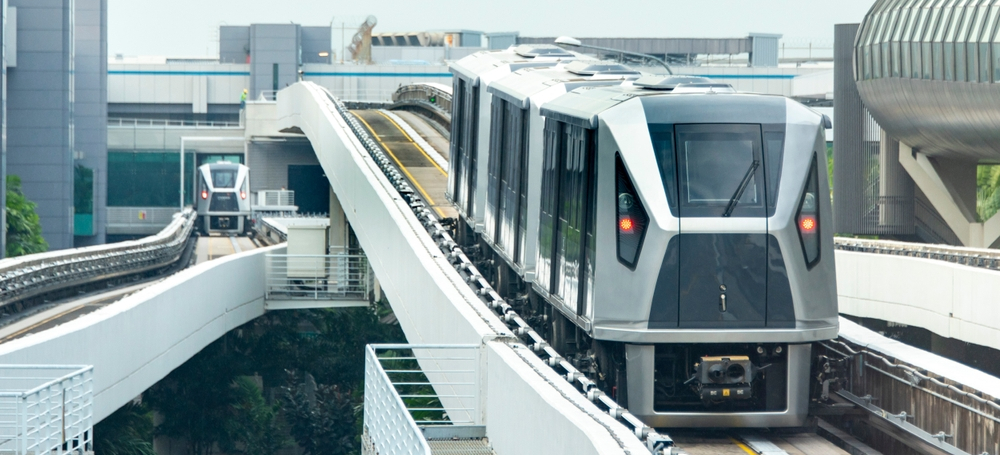
The Mass Rapid Transit (MRT) in Singapore is clean and air-conditioned, serving roughly 150 stations throughout the city-state. MRT trains typically run from around 5.30am to about midnight. Trains arrive every two to three minutes during peak times and every five to seven minutes during off-peak periods.
The three Light Rail Transit (LRT) lines, spanning more than 40 stations, were designed to complement the already extensive MRT system, providing further-out areas with a link to the MRT.
Singapore's trains are currently operated jointly by SMRT Trains and SBS Transit. Each company operates numerous lines that together form Singapore's rail network.
Buses
More than 300 bus routes run throughout Singapore. These routes tend to go further into the residential areas than the MRT lines, and residents often use them to connect to an MRT station.
Services are provided by four bus companies: SBS Transit, SMRT Buses, Tower Transit Singapore, and Go-Ahead Singapore.
Useful links
Taxis in Singapore
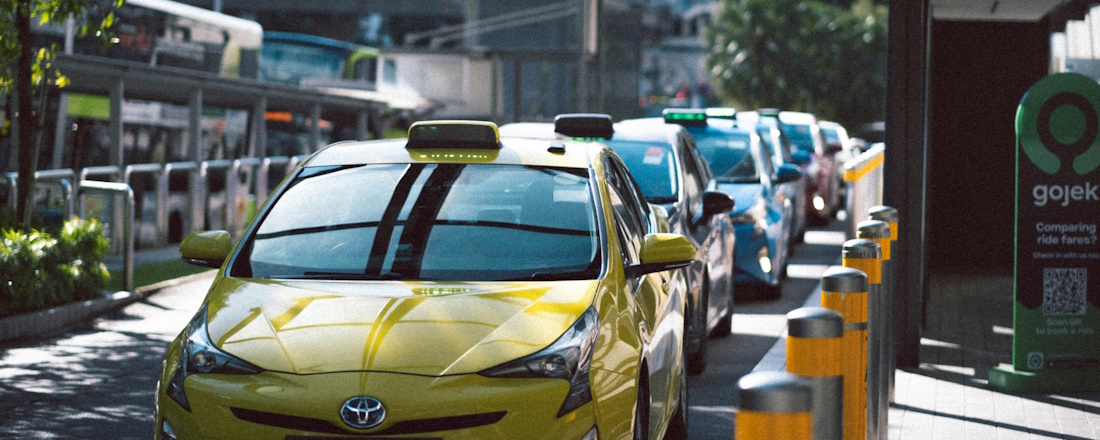
Taxis are a comfortable and convenient way to get around Singapore, and are also relatively cheap. Most cabs have a light on their roof, with red indicating that the cab is occupied and green meaning it's available.
Those looking for a ride should head to the closest taxi queue to wait for a cab. These are typically located near busy areas, such as shopping areas or hawker centres. If there isn't a queue, simply stand along the curb and flag the next available cab down by waving at it. Another way to book a taxi is to call one of several taxi companies, or book a cab online. It's a good idea to keep a few cab company numbers and websites on hand.
Ride-hailing services also abound in Singapore. Expats can simply download one of many apps – Grab, Gojek, and ComfortDelGro all operate in Singapore – follow the steps, connect a bank card, and order a ride.
Useful links
Driving in Singapore
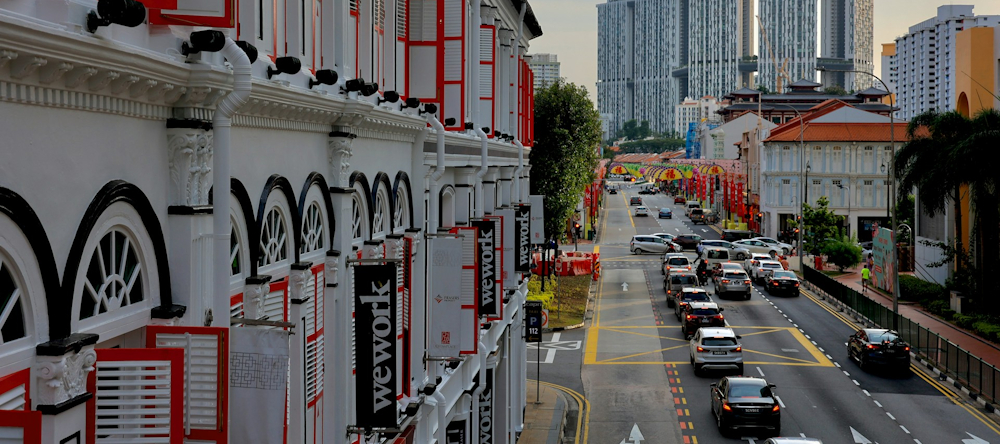
For those who prefer the convenience of driving, Singapore offers a well-maintained network of roads and highways. Owning a car, however, is expensive due to various factors, including the Certificate of Entitlement (COE), high fuel costs, and parking fees.
The COE system regulates car ownership in the city-state to prevent congestion. This certificate can be quite costly and is only valid for a certain period. Additionally, drivers incur expenses such as Electronic Road Pricing (ERP) tolls, which are charged on certain roads during peak hours.
Driver's licences
Expats can drive in Singapore using their foreign driver's licence and an International Driving Permit for up to 12 months. After this period, they must convert to a Singapore driver's licence. Usually, a theory test must be taken, but practical driving tests aren't necessary.
Useful links
Walking in Singapore
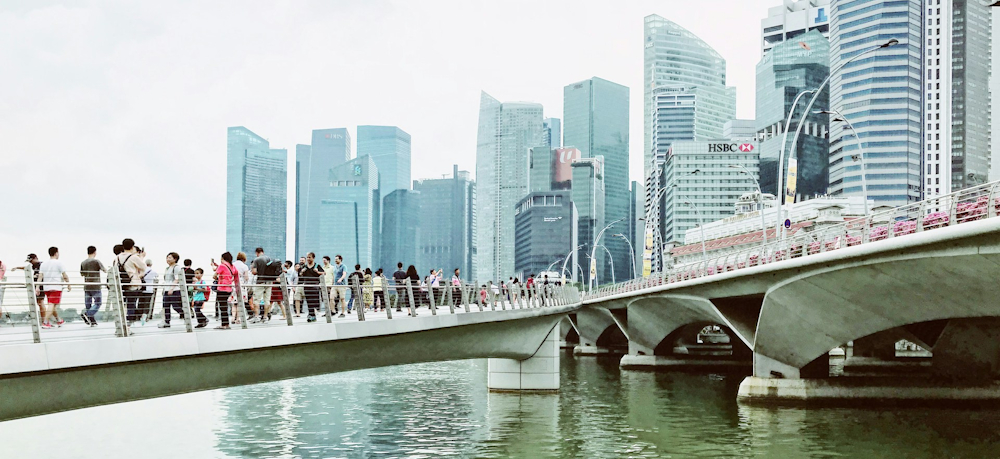
Walking is a delightful way to explore Singapore's blend of modern urban landscapes and lush green spaces. The city-state offers a variety of walking trails and paths that cater to different interests, whether you're looking for a leisurely stroll through nature or an urban exploration.
For nature enthusiasts, the Southern Ridges offer a spectacular walk through hilltops and greenery with stunning views of the city. Urban walkers can immerse themselves in the cultural and historical richness of areas like Chinatown, Little India, and Kampong Glam through self-guided walking tours.
Despite the convenience of walking in Singapore, it's important to be mindful of the hot and humid climate. Wearing comfortable clothing, staying hydrated, and using sun protection are essential. Additionally, pedestrians should be aware of the traffic rules, as the city is not as pedestrian-centric as some others.
Useful links
Cycling in Singapore
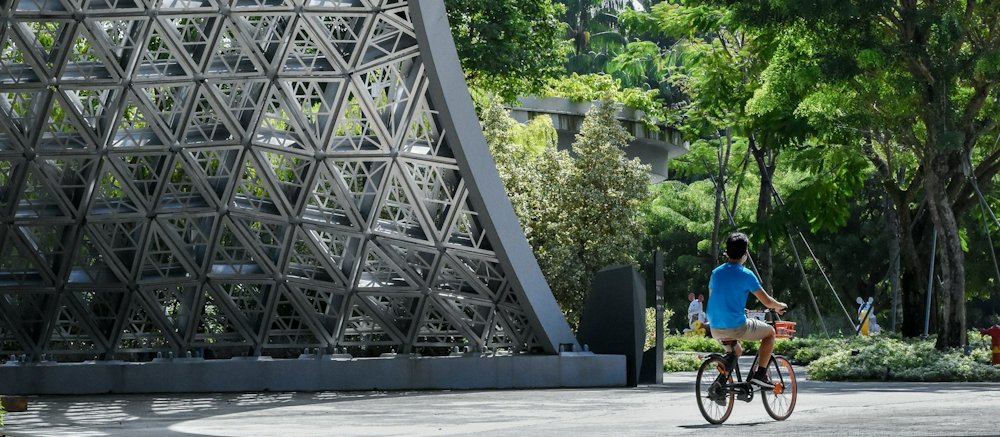
Cycling in Singapore is growing in popularity, and the government has pledged to make the city more bike-friendly by adding new cycle paths and overhead crossings, as well as providing more secure parking facilities. With 450 miles (730km) of cycle paths currently already built, the LTA plans to nearly triple this to a whopping 808 miles (1,300km) by 2030.
With paths currently lacking in many areas, cyclists have two options if they'd rather avoid the roads: riding on the sidewalk or using the Park Connector Network (PCN). Riding a bike on sidewalks is common, but expats are advised to use a bell to alert pedestrians of their presence.
The PCN is a series of wide walkways for pedestrians and cyclists that link public parks. These cut through neighbourhoods, along waterways, and sometimes connect with major roads and MRT lines too. PCN routes are scenic and sometimes faster than using roads.