
Living in Miami as an expat
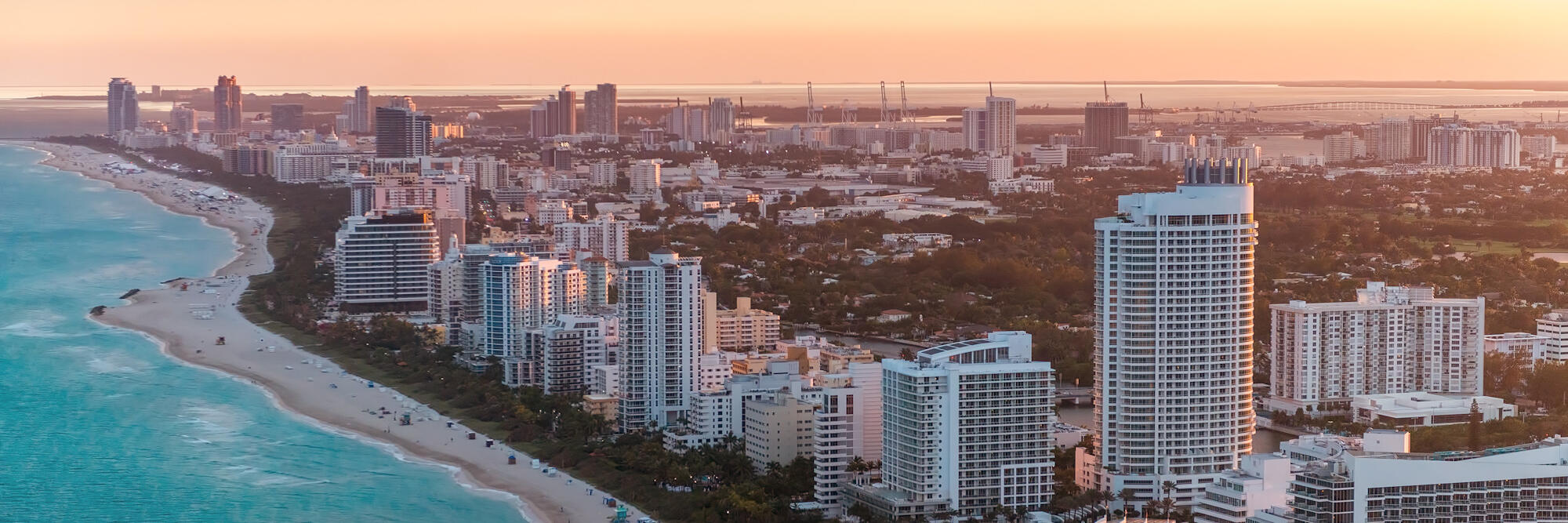
Moving to Miami conjures up images of palm trees, sandy beaches, neon lights and Latin rhythms. Miami, Florida, has much to offer. Newcomers to the city will appreciate its cultural diversity, a product of unprecedented population growth over the past century.
Nicknamed ‘the Magic City’, Miami owes much of its history and unique character to its migrant population. That it’s also known as ‘the Capital of Latin America’ suggests something about the central role Hispanic people have come to play in Miami. The city also has a key role as a cultural and economic gateway between Latin America and the USA.
Working in Miami
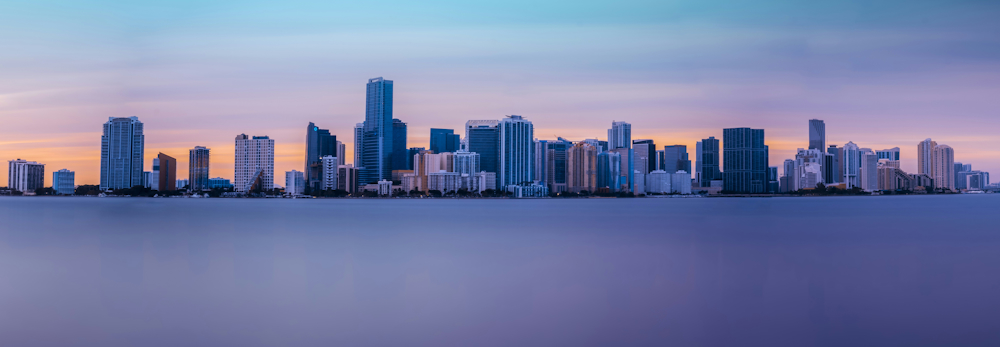
Working in Miami means access to a globally connected job market. The city is home to the headquarters of major corporations and functions as the Latin American outpost for other multinational businesses.
Tourism is one of several pillars of Miami’s economy, alongside international trade, finance, healthcare, and technology. PortMiami is one of the busiest cruise and cargo ports in the United States.
Finding a Job in Miami
Visas and Residence Permits for the USA
Work Permits for the USA
Lifestyle in Miami

The lifestyle in Miami draws many newcomers for reasons beyond work; the Florida climate and the city’s atmosphere are hard to resist. A large variety of activities keeps newcomers entertained, from malls and museums to beaches and nearby national parks.
Large communities of Cuban, Haitian, Colombian, and Puerto Rican residents, among others, have left a deep mark on the city. This can be seen in the nightclubs, restaurants, music, and Miami’s general lifestyle, especially in areas like Little Havana.
Shopping, Nightlife and Entertainment in Miami
Finding accommodation in Miami
Finding accommodation in Miami takes patience and preparation. The rental market is competitive, particularly in central and coastal areas, and rents sit well above the national average. You will find high-rise apartments and condominiums near the urban core, and larger townhouses or single-family homes further out in the suburbs.
Where you live will depend on budget, the space you need, how long you are prepared to commute, and whether you need to be near good schools. Online forums are full of newcomers to Miami who say they underestimated both the cost of rent and the speed at which good properties get snapped up, so it pays to start your search early.
Renting Accommodation in Miami
Best Places to Live in Miami
Cost of living in Miami
The cost of living in Miami is lower than in cities like New York and San Francisco, but it sits well above the US national average. Accommodation and entertainment in Miami don’t come cheap, but transport is fairly affordable and public schooling is free for locals and foreigners alike.
Expat parents who choose to enrol their children in international schools will pay handsomely, so they should ensure their relocation package covers this cost. Other expenses to consider include utilities and groceries, which can also add up; costs will vary by provider and by where you shop.
Living in Miami with children
The city has a range of family-friendly attractions to entertain the kids outside school hours. From educational museums and aquariums to parks and amusement centres, families should not struggle to keep their children busy on the weekends.
New arrivals will also have access to a large selection of medical options; Miami has a sizeable healthcare sector. This quality of care comes at a high cost, though, so new arrivals need to have comprehensive health insurance.
Healthcare and Medical Insurance in Miami
Finding a school in Miami
Finding a school in Miami requires some research, as the standard of education varies from school to school. That said, the city is home to some excellent schools, and language classes are available to non-native English speakers in public schools. This helps many international families in the city manage the transition.
School and Education for Expats in Miami
Getting around in Miami
Getting around in Miami is easiest by car, and most residents rely on one for their daily commute. Traffic at rush hour can be heavy, so many locals advise that you choose accommodation with the journey to work in mind.
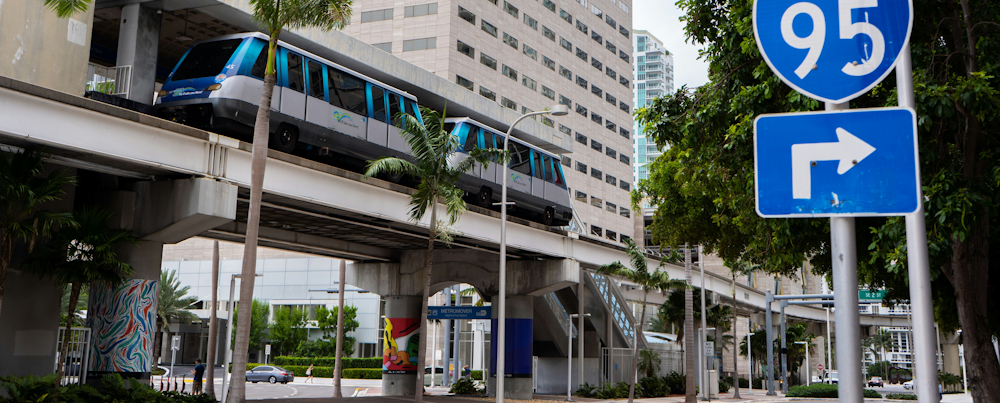
The city does have a public transit network of buses (Metrobus), an elevated rail line (Metrorail) that connects major hubs and the airport, and the Metromover, a free people mover loop that serves the downtown area. Tri-Rail provides commuter rail connections along the South Florida coast to Fort Lauderdale and West Palm Beach. These options work well for some commutes, particularly along the main transit corridors, but coverage outside the urban core is limited.
Some neighbourhoods are pleasant to walk or cycle in, although heat and humidity, especially in summer, steer most people towards early mornings or evenings for outdoor jogs or pedals.
Public Transport, Driver’s Licences and Driving in Miami
Climate and weather in Miami
The climate and weather in Miami rank among the most attractive aspects of a move to the city. Miami has a tropical climate and rarely experiences temperatures anywhere near zero. The city is known for its year-round warm, sunny weather. That being said, the heat and humidity can feel oppressive, particularly in summer.
Rainfall is common during summer, and the city lies within a recognised hurricane zone. Hurricane season runs from June to November, so new arrivals should have a preparedness plan in place.
Newcomers who arrive with realistic expectations and an open mind are sure to enjoy life in the Magic City. But the trade-offs are real: housing costs are substantial, and summers are hot and humid. In return, you get year-round sunshine and a culture that feels more international than most American cities.