
Managing banking, money and taxes in Ghana is effortless once you’ve opened an account, and tax laws are straightforward. You’ll find that financial matters in this West African destination aren’t as complicated as you might initially expect.
Ghana’s economy is burgeoning with opportunities, especially in sectors like oil and gas, telecommunications, and real estate, which attract a considerable number of expats. The country’s financial system is fairly modernised with a stable banking sector. Ghana also has a reasonable cost of living compared to many Western countries, and expats typically find they can maintain a very comfortable lifestyle.
Money in Ghana
The Ghanaian currency is the Cedi (GHS), divided into 100 pesewas (Gp).
- Notes: GHS 1, GHS 2, GHS 5, GHS 10, GHS 20, GHS 50, GHS 100, and GHS 200
- Coins: Gp 1, Gp 5, Gp 10, Gp 20, Gp 50, GHS 1, and GHS 2
Banking in Ghana
All banks in Ghana do business in English. Barclays Bank, Standard Chartered, and Stanbic are all international banks that are represented in Ghana and are recommended for expats. Internet, telephone, and mobile banking are also available, as banks strive to compete locally and internationally and to provide online support and services.
Banking hours in Ghana are Monday to Friday from 8.30am to 4.30 or 5pm, although some banks close earlier on Fridays and others are open on Saturday till noon.
Opening a bank account
Opening a bank account is the best way to access and deal with money in Ghana. Necessary documents to open an account vary across banks, but will likely include:
- Passport or other valid identification
- Proof of address (utility bill or rental agreement)
- Work permit and residence permit
- Two passport-sized photos
Some may require expats to submit a letter of introduction from a bank in their home country, a reference from their employer in Ghana, and proof of residence.
Credit cards and ATMs
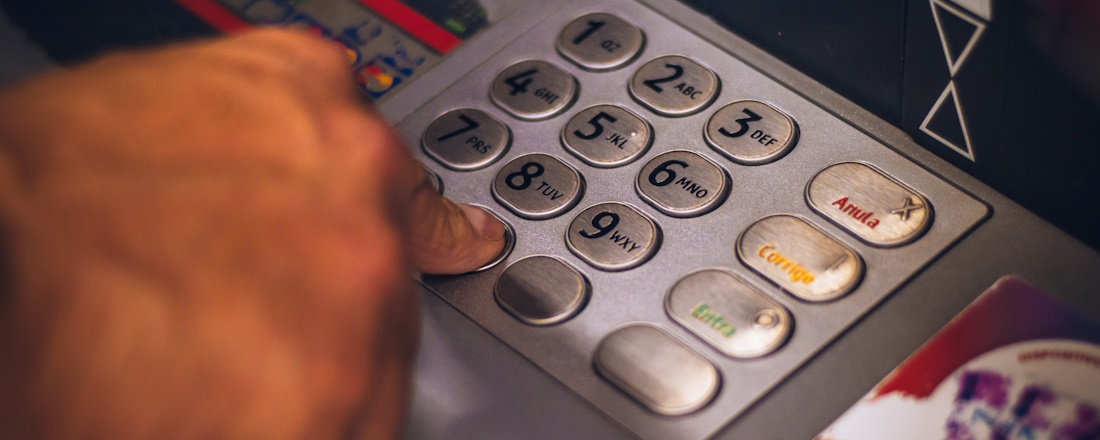
ATMs are readily available in Ghanaian cities, and most international credit cards are accepted at these machines. Credit card penetration in Ghana is low, with less than one percent of the population owning one; debit cards are used more widely.
Ghana is a predominantly cash-based society, and the prevalence of credit card fraud makes it unwise to use cards too liberally. Credit card and ATM facilities are also quite rare in rural areas of Ghana, and some retailers only accept cash to avoid vendor charges, so it’s wise to always carry some cash.
Taxes in Ghana
Taxes in Ghana are charged on a graduated scale, and non-residents are charged a flat rate on their income derived from within the country. Foreigners living in Ghana for 183 days or more within a calendar year are considered residents of the country and must pay taxes based on their worldwide income.
Ghana has double taxation agreements with several other countries, including South Africa, Italy, and the United Kingdom. In such cases, expats may be entitled to relief from double taxation on income, generally including salary, dividends, interest, royalties, and capital gains.
Expats should refer to the Ghana Revenue Authority website and consult a financial adviser and tax specialist to ensure they fully understand taxes in the country.