
Living in Dallas as an expat
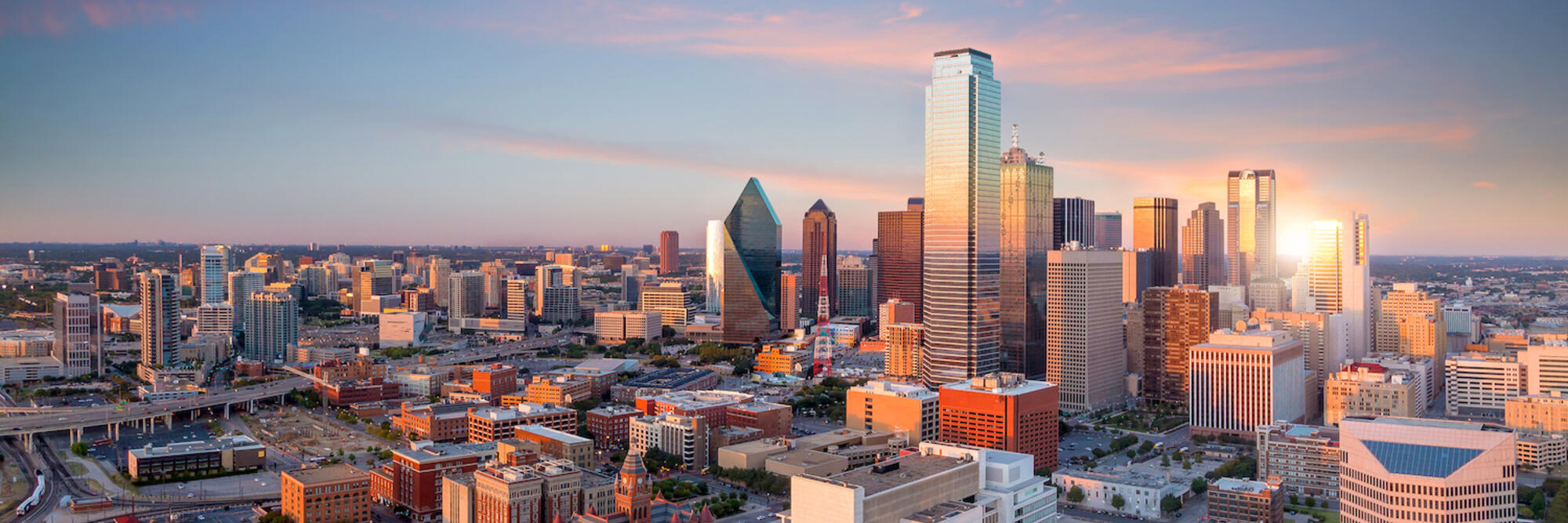
Moving to Dallas means stepping into a city whose motto, ‘Big things happen here’, barely scratches the surface. As one of the 10 most populous cities in the USA, Dallas lives up to the Texan reputation for doing everything on a grand scale. Newcomers can look forward to a high quality of life and a cost of living that still punches well below the weight of comparable American metros.
While the topography of Dallas is fairly flat throughout, the city more than makes up for it in character. Dallas is firmly inland, but its plentiful lakes, creeks and the Trinity River watershed go some way towards making up for the lack of a coastline.
The pace of life in Dallas may catch newcomers off guard – this is a city that runs on ambition. It’s less laid back than other cities in the state and takes a more serious approach to work. That isn’t to say the city is unfriendly, but new arrivals will experience something in between warm Southern hospitality and a steely business mentality.
Working in Dallas
Working in Dallas puts you at the heart of one of America’s most aggressive job markets. The Dallas–Fort Worth metroplex was the number one US metro for corporate headquarters relocations between 2018 and 2024, and is home to around 20 Fortune 500 companies across sectors from telecoms and defence to financial services and healthcare. Texas has no state income tax, which makes a noticeable difference to take-home pay – and it’s one of the main reasons companies and employees alike keep heading south.
The city’s economy is broad shouldered. Technology, finance, logistics and healthcare all have deep roots here, and the rapid expansion of data centres and AI infrastructure across the metroplex is creating a fresh wave of high-paying roles.
The work culture leans more towards corporate and results driven, with longer hours than you might find in Austin or Houston, but the trade-off is genuine upward mobility and no shortage of professional networking opportunities.
Finding a Job and Working in Dallas
Lifestyle in Dallas
The lifestyle in Dallas has come a long way from the city’s oil-and-cattle reputation. There has been a cultural renaissance of sorts in Dallas in recent years, resulting in the development of the Dallas Arts District, at 68 acres, the largest contiguous urban arts district in the United States.
The Arts District anchors a cultural scene that includes world-class museums, galleries and performing arts venues, and neighbourhoods like Deep Ellum and the Bishop Arts District keep live music and independent culture alive and kicking. Uptown draws the after-work crowd with its bars and restaurants within walking distance of one another – a rarity in this sprawling city.
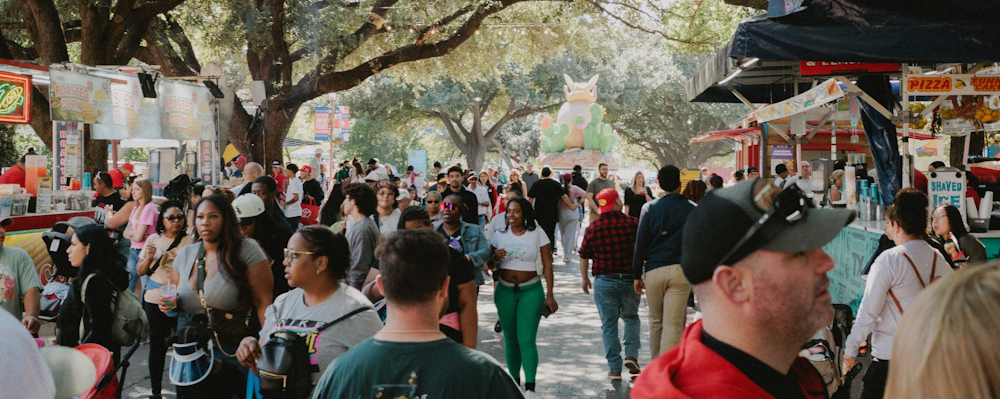
Sport is woven into daily life here. The Dallas Cowboys command near religious devotion, and the Mavericks, Stars, and FC Dallas all have loyal followings. Fair Park hosts the annual State Fair of Texas every autumn – a Texas institution and a rite of passage for anyone new to the city. Green spaces like White Rock Lake and the Katy Trail offer welcome breathing room, and weekend escapes to the Hill Country or East Texas are within easy driving distance.
Finding accommodation in Dallas
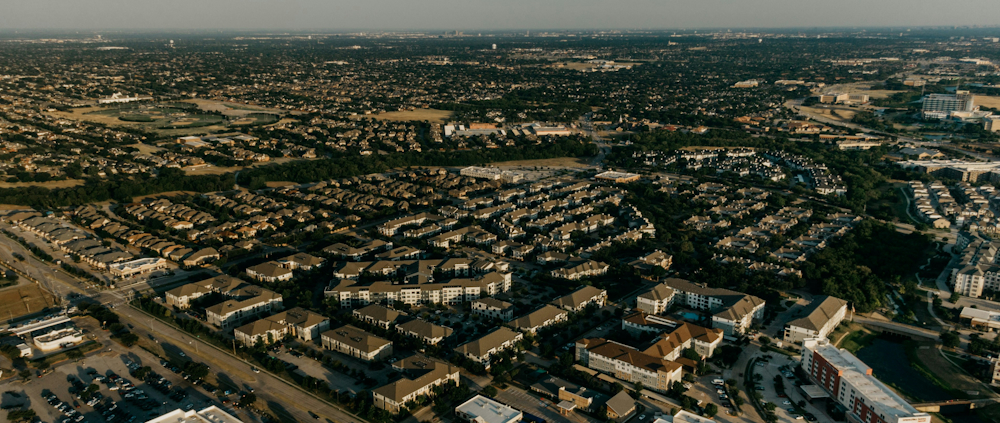
Accommodation in Dallas offers various options catering to different preferences and budgets. New arrivals can choose from apartments in the city centre, close to the hustle and bustle, or suburban homes that provide a quieter and more spacious living environment.
The city has witnessed a rise in housing costs in recent years; it remains an attractive destination, though, for individuals transitioning from pricier cities. It pays to start your search early, as desirable properties in popular areas rarely sit on the market for long.
Unfurnished rentals are the norm, and most leases run for 12 months. The application process is straightforward but moves quickly – landlords typically expect a credit check, proof of income, and references. New arrivals without a US credit history may need to put down a larger deposit or provide a letter from their employer.
Accommodation in Dallas
Neighbourhoods in Dallas
Cost of living in Dallas
One of the major benefits is the overall lower cost of living in Dallas compared to other major US cities. In many ways, Dallas offers the perks of big city life without the price tags of New York or San Francisco. Newcomers from pricier cities are often struck by how much more space their money buys in Dallas. Costs have been creeping up in recent years, though, particularly for housing, as demand continues to grow.
The absence of state income tax is a significant draw for high earners, and one of the reasons Texas consistently tops lists for corporate relocation. Groceries, utilities and transport costs all sit close to the national average, although property taxes in Texas run higher than in most states – something to factor in if you plan to buy rather than rent.
Living in Dallas with children
Another drawcard for people relocating to Dallas is its abundance of family-friendly neighbourhoods with historic houses and leafy, spacious parks. Those who settle in the suburbs can expect tree-lined avenues and interesting architecture around every turn.
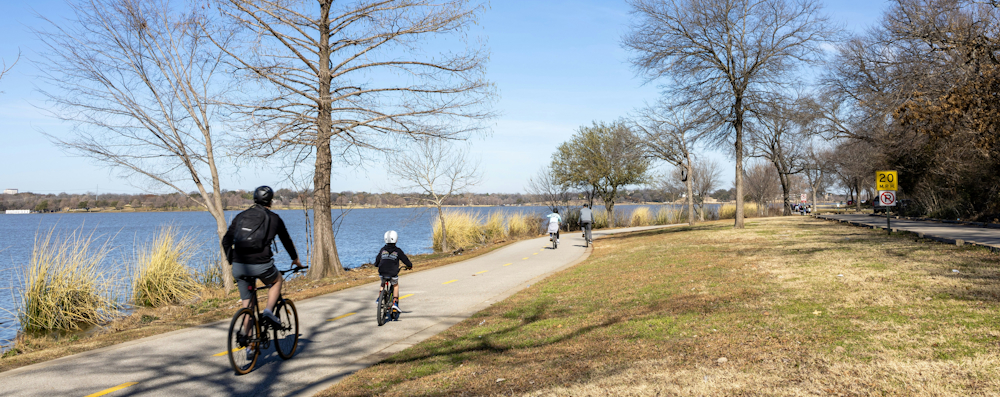
Dallas is well stocked with things for children to do. The Perot Museum of Nature and Science, the Dallas Zoo – one of the largest in the country at 106 acres – and the Dallas Arboretum all cater to families year-round. White Rock Lake is a favourite weekend spot for cycling, picnics, and birdwatching. The warm climate means outdoor play is possible for most of the year, although the fierce summer heat does push families indoors between June and August.
On the healthcare front, Dallas is home to several top-rated medical facilities and hospitals, so new arrivals have access to high-quality healthcare. UT Southwestern and Baylor University Medical Center are both nationally ranked, and paediatric care is readily available across the metro area. Health insurance is highly recommended to offset the cost of medical care, and many employers offer insurance packages as part of the employment benefits.
Finding a school in Dallas
Finding a school in Dallas starts with understanding the public system, which is organised into independent school districts (ISDs). Quality varies considerably from one district to the next, and families often choose their neighbourhood based on the local ISD’s reputation. Some suburban districts – particularly those in Plano, Coppell, and Southlake – are nationally recognised for academic performance.
Private schools are plentiful, many with a religious or Montessori focus, and tend to offer smaller class sizes and a wider range of extracurricular activities. For internationally mobile families, options are more limited than in other major US cities.
The Dallas International School is the only dedicated international private school in the metro area, offering a bilingual French English curriculum with IB and French Baccalaureate pathways. Several private schools also offer the International Baccalaureate, so it is worth casting a wider net.
Education and Schools in Dallas
Getting around in Dallas
Dallas is a car city, and most residents would tell you a vehicle is close to non-negotiable. The metropolitan area sprawls across more than 9,000 square miles (23,000 sq km), and the distances between neighbourhoods, workplaces, amenities, and attractions can add up quickly.
Dallas Area Rapid Transit (DART) operates an extensive light rail network – 93 miles (150km) of track with more than 60 stations – alongside buses, the Dallas Streetcar and the M-Line Trolley. The system is useful for commuting along its corridors, particularly into and out of downtown, but coverage thins out in the suburbs. Ride-sharing apps are widely used and fill the gaps where public transport falls short.
DFW International Airport is one of the busiest in the world. It's roughly 20 miles (32km) northwest of downtown and offers direct flights to most major global destinations. The recently opened Silver Line connects DFW International Airport to Plano, adding a valuable commuter link. Dallas Love Field, closer to the city centre, handles primarily domestic routes.
Public Transport and Driving in Dallas
Climate and weather in Dallas
Dallas gets around 230 sunny days a year – ideal for those who like warm weather and plenty of sunshine. The warm climate means outdoor sports can be played year-round, and new arrivals will soon notice the locals’ enthusiastic support of their city’s football team, the Dallas Cowboys.
Summers are hot and sticky, though – Dallas sits in a humid subtropical zone, and temperatures regularly top 100°F (38°C) between June and August. Winters are short and generally mild, but a sudden cold snap known locally as a Blue Norther can send temperatures plummeting overnight.
Spring and autumn are the most comfortable seasons, with temperatures in the 70s and 80s°F (low to mid 20s°C) and lower humidity. These are the months when Dallas feels at its best – wildflowers bloom along the highways, and the city’s parks fill up. Newcomers would do well to time their arrival for autumn if they have the choice. Spring brings the most volatile weather, with thunderstorms, hail and the occasional tornado (the city lies at the southern end of Tornado Alley).
Dallas won’t suit everyone – the summers test your patience, the car dependency takes getting used to, and the sheer scale of the metroplex can feel overwhelming at first. But for those willing to lean into it, the city rewards with genuine opportunity and a cost of living that leaves room to actually enjoy life. It’s a place where newcomers tend to arrive for the job and stay for everything else.