
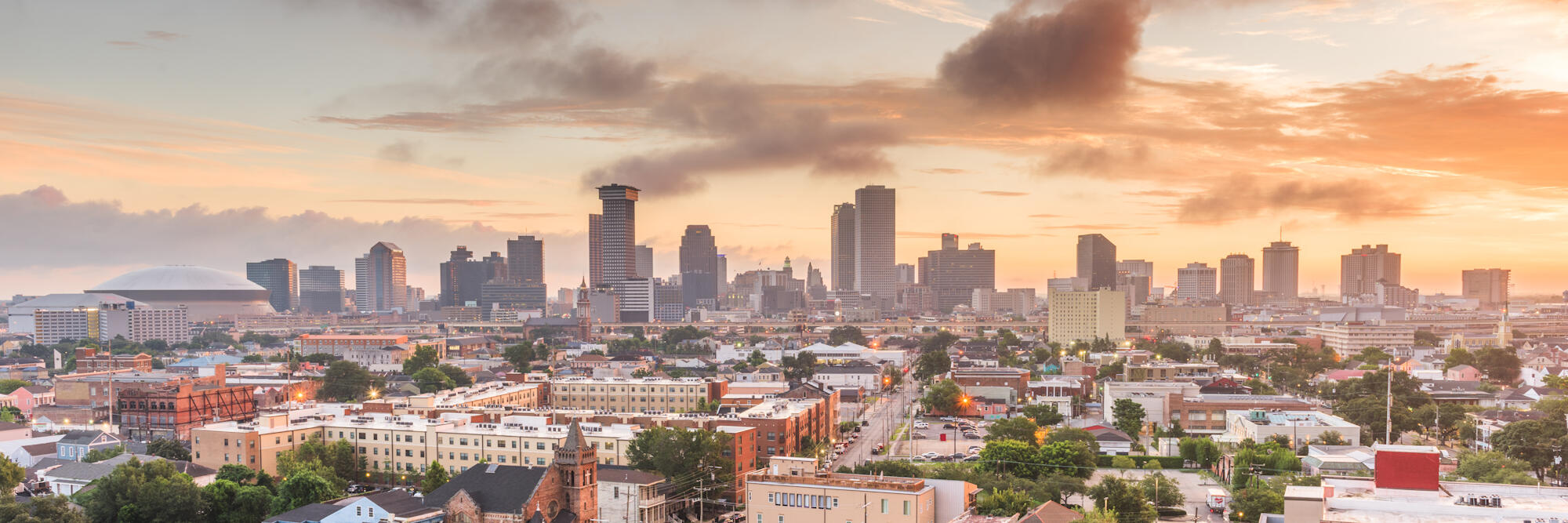
Living in New Orleans
Moving to New Orleans means moving to a city unlike anywhere else in the US, and its singular character is a big part of the appeal for newcomers. Some come for the jazz and the food; others come for work in healthcare, the port, energy, or hospitality. Either way, few American cities have as strong a sense of their own identity.
In 2005, Hurricane Katrina and the levee failures that followed flooded much of New Orleans. Twenty years on, the recovery is still readily apparent across the city. Much of it has been rebuilt, but the population is still well below its pre-Katrina peak. For newcomers though, the culture is as much of a draw as ever.
New Orleans’s older neighbourhoods are walkable, and the pace is gentler than in the coastal job hubs. Music and going out for food are ordinary parts of the week here, and rent is cheaper than in most big US cities, although you’ll pay steep home and flood insurance to go with it.
Working in New Orleans
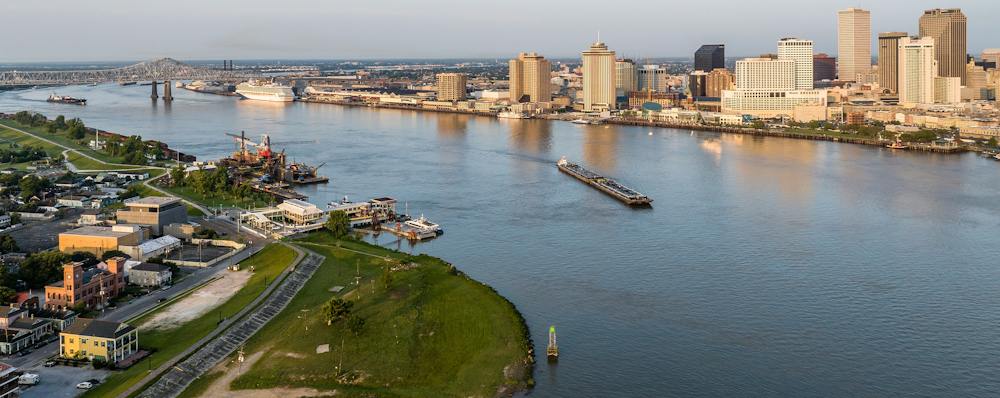
The economy is broader than the city’s size suggests, and anyone working in New Orleans has more sectors to choose from than the tourism clichés let on. Healthcare is the biggest employer, and the two giants are Ochsner Health and LCMC Health. There are also employers clustered around the Mississippi River port, energy and petrochemicals, higher education, and tourism; close to 19 million visitors come to the city each year.
Lifestyle in New Orleans
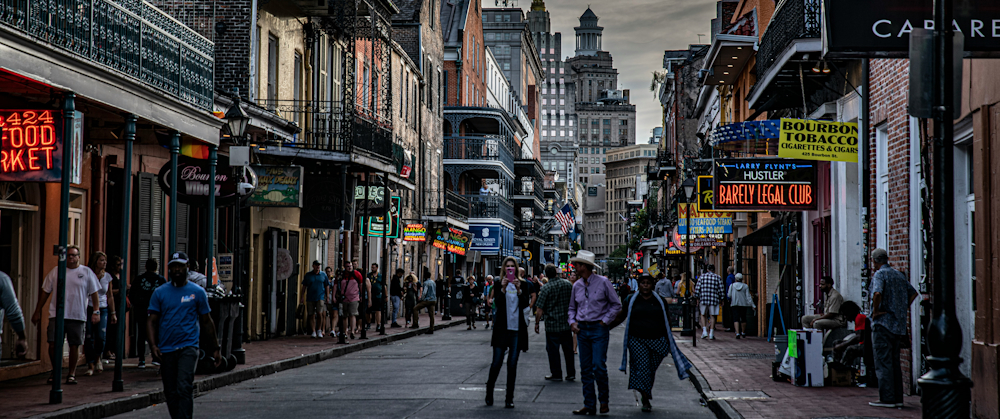
Music and food are at the heart of the lifestyle in New Orleans, more so than in almost any other US city, and something’s on for much of the year. This is the birthplace of jazz, and live music is part of a normal weeknight here. You’ll hear it in the clubs on Frenchmen Street and from the brass bands that still play in the streets.
Mardi Gras is the best-known celebration, but it’s far from the only one. Jazz Fest, the Essence Festival, French Quarter Fest, and countless neighbourhood second lines take place throughout the rest of the year. The food is reason enough on its own. Gumbo, po’boys, crawfish boils, and beignets at the century-old Café du Monde are what residents eat week in, week out.
Shopping, Nightlife, and Entertainment in New Orleans
Finding accommodation in New Orleans
On rent, at least, finding accommodation in New Orleans is easier on the wallet than it is in most large US cities. Roughly half of all households rent, so there’s plenty of choice for renters. Buyers face a tougher sum because New Orleans has some of the highest home and flood insurance costs in the country, and much of the city is at or below sea level. Whatever you’re budgeting, factor insurance in before you commit.
The city is known for its historic housing. Shotgun houses, Creole cottages, grand Victorian homes, and newer downtown apartments are all part of the mix. The grander historic places are concentrated in Uptown and the Garden District, while most of the new-build is downtown and in the Warehouse District.
Renting Accommodation in New Orleans
Best Places to Live in New Orleans
Cost of living in New Orleans
Compared with the coastal metros, the cost of living in New Orleans is close to the national average. It’s below cities like New York or San Francisco, but above much of the rest of Louisiana. Rent, groceries, utilities, and transport are all reasonable, and you can eat and go out well on a modest budget, since so much of the city’s music and festival life is free.
Insurance is the catch. Home and flood premiums here are among the highest in the country, and car cover is dear too, so build these into your budget before you assume New Orleans will be cheap.
Living in New Orleans with children
Families raising kids get easy access to the outdoors, which is one of the quiet perks of living in New Orleans with children. City Park, one of the largest urban parks in the country, has playgrounds, lagoons, a sculpture garden, and the storybook-themed Storyland. The Lafitte Greenway is a car-free route through Mid-City for walking and cycling. Families spend weekends in the French Quarter or along the Mississippi, and a stop for beignets at Café du Monde on Decatur Street is almost obligatory.
Healthcare is one of the city’s strengths, as New Orleans has grown into a regional medical centre. Big systems like Ochsner and LCMC Health run hospitals across the city, including University Medical Center and Children’s Hospital New Orleans, so families are well served for specialist and paediatric care. As everywhere in the US, though, you’ll want solid health insurance in place.
Healthcare and Medical Insurance in New Orleans
Finding a school in New Orleans
For new arrivals with kids, the business of finding a school in New Orleans is unlike almost anywhere else in the country. After Hurricane Katrina, the district turned its schools over to charter operators, and today nearly every public school is a charter run by an independent group.
There are no neighbourhood catchment zones. Instead, families apply through one citywide system, the NOLA Public Schools Common Application Process (NCAP, formerly OneApp). You rank the schools you want, and a matching algorithm assigns each child a place. It pays to start early and list several preferences, since the popular schools fill up fast.
Some options are much stronger than others, so a school’s results and reputation are worth checking. The district as a whole has been improving, and it earned a ‘B’ performance score for the first time since its schools reunified under one board. Private and parochial schools are an option, too, and there are a few selective and language-immersion schools within the public system.
Education and Schools in New Orleans
Getting around in New Orleans

You don’t need a car to get around New Orleans, especially in the older core, and walking and cycling are easy on the flat terrain.
You can pay for public transport with the LePass app or a Jazzy Pass. The Regional Transit Authority (RTA) runs the buses, the Mississippi ferries, and the historic streetcars – the St Charles Avenue line is the oldest continuously operating streetcar in the world.
Bus reliability is patchy on the outer routes, so plenty of residents still keep a car, but the traffic is light by big-city standards and neighbourhood parking is manageable. Amtrak trains run out of the Union Passenger Terminal, too.
Public Transport, Driver’s Licences and Driving in New Orleans
Climate and weather in New Orleans
The climate and weather in New Orleans come down to two things: heat and water. Summers are hot and humid, and winters are short and mild. July and August are the hottest months and are relentlessly humid.
The bigger consideration is hurricane season, which officially runs from June to November. The greatest risk is from August to October. Direct hits aren’t yearly events, but heavy rain and flooding are a regular fact of life in a city that’s largely at or below sea level, so check your flood risk before you settle on a neighbourhood.
Climate Charts for New Orleans
None of this makes New Orleans the easiest place to live. The summers are punishing, and hurricane season is a genuine risk. Insurance is pricier here than almost anywhere else in the country. But new arrivals come anyway, and most who stay decide the culture is worth every bit of it. Moving to New Orleans is a trade-off, but it’s one a lot of newcomers are glad they made.